
Quick Answer: Inflatable vs Traditional Bolsters
When searching for the ideal sleep accessory, deciding between an inflated bolster and a traditional foam or fiber-filled bolster depends heavily on your primary use case, physical comfort requirements, and living environment.
Traditional bolsters offer consistent, predictable resistance and ergonomic alignment for daily sleep, making them excellent for side sleepers who love a huggable, substantial cushion. In contrast, an inflated bolster provides unmatched adjustability, compact storage, and portability, making it highly suitable for travelers, guest rooms, or targeted therapeutic support where firmness needs to be micro-adjusted.
Neither option is universally superior; your choice hinges on whether you prioritize permanent daily comfort or flexible, space-saving utility. Assess your sleeping posture and bedroom constraints to determine which style best supports your body.
Products mentioned in this guide
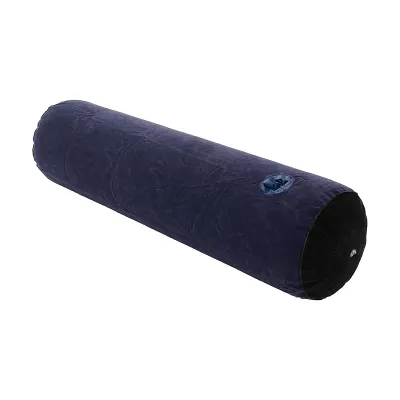
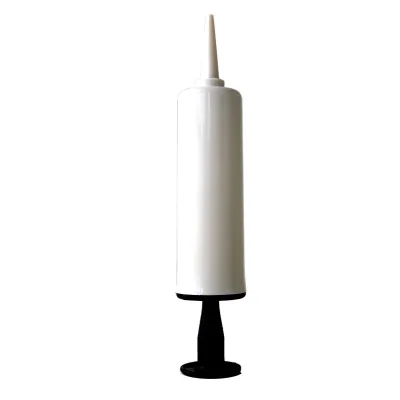
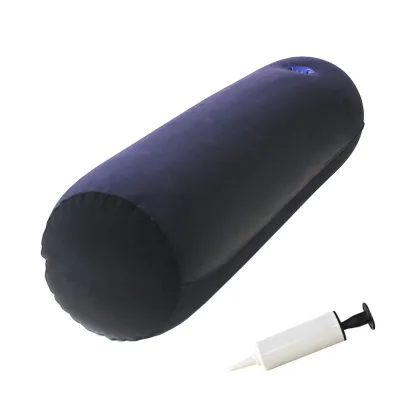
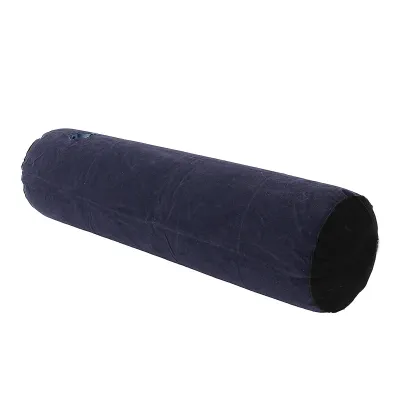
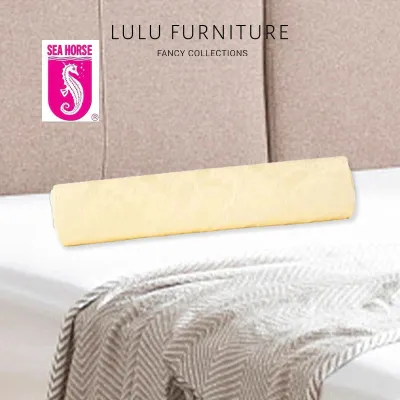
Prices are valid at publication and may change. Please refer to the product page for the latest price.
Key Differences Between an Inflated Bolster and Traditional Options
To make an informed decision, it is essential to understand how these two types of bolsters differ in their core construction, adjustability, and long-term maintenance. Each design serves a distinct structural purpose in your sleep environment.

Material and Support Mechanics
Traditional bolsters rely on solid or shredded fillings, such as polyurethane memory foam, latex, or polyester fiberfill. These materials distribute weight by conforming to the body’s natural shape, providing a predictable counter-pressure that remains stable throughout the night. This mechanical behavior is highly reliable because the physical structure of the foam or fiber does not shift dramatically when you toss and turn.
Conversely, an inflated bolster relies entirely on pressurized air sealed within an internal chamber. When you apply pressure to one part of an air-filled chamber, the air naturally displaces to areas of lower pressure, which can create a slightly bouncy, less stable sensation. To evaluate the support quality of an air-filled model, you should check the product specifications for PVC or thermoplastic polyurethane (TPU) thickness, internal baffle designs (which limit air movement), and seam reinforcement, rather than relying on general marketing claims of durability. For foam or fiber options, check the manufacturer’s density ratings or fill weight to gauge the level of support you can expect.
Adjustability and Firmness
The standout feature of an air-filled option is its dynamic customization. By simply adding or releasing air through the valve, you can alter both the firmness and the physical diameter of the bolster to match your exact physical needs on any given night. This is highly beneficial if your body’s alignment needs change due to fatigue, injury, or varying mattress firmness levels.
Traditional bolsters, by contrast, possess a fixed density and height. If you purchase a medium-firm fiber bolster and find it too high or too stiff, your only recourse is to replace the item or wait for the filling to naturally compress over months of use.
However, adjusting an air-filled model requires careful attention. Over-inflating the chamber puts immense stress on the welded seams and valves, which can lead to premature leaks, while also creating a rigid, round surface that rolls away easily. Under-inflating the bolster can cause your limbs to sink completely through to the mattress, defeating the purpose of spinal alignment. Always refer to the manufacturer’s inflation guidelines to find the safe operational limits of your specific model.
Durability, Care, and Storage
The long-term performance of these two categories diverges significantly when it comes to maintenance and physical footprint. Traditional bolsters are highly durable in terms of structural integrity; they do not puncture, pop, or suffer from slow valve leaks. With proper care—such as using protective slips, washing the outer covers regularly, and occasionally fluffing fiber fills—a high-quality foam or latex bolster can maintain its supportive properties for several years. The main trade-off is their physical size. They are bulky, non-collapsible fixtures that require dedicated closet space if you want to store them away.
Inflatable models present the opposite profile. They are inherently vulnerable to physical punctures from sharp objects, pet claws, or seam fatigue from repeated inflation cycles. However, they excel in storage efficiency. Once deflated, they can be folded down to the size of a small book, freeing up valuable drawer space and making them exceptionally easy to pack into travel luggage. To maximize their lifespan, check the manufacturer’s care instructions regarding puncture repair kits and valve maintenance.
Which Bolster Type Suits Your Sleeping Position?
Your preferred sleeping posture dictates the height, firmness, and stability your body requires to maintain healthy spinal alignment. Mapping these physical needs to the right bolster type can prevent morning aches and improve sleep quality.
Side Sleepers
Side sleeping is one of the most common postures, but it requires careful alignment of the shoulders, hips, and knees to prevent spinal twisting. When you sleep on your side, your upper leg tends to fall forward, pulling the pelvis out of alignment and placing strain on the lower back. A bolster placed between the knees or hugged against the chest acts as a spacer, keeping the knees stacked and the hips square.
For this specific posture, traditional memory foam or dense polyester fiber bolsters are highly recommended. Their solid construction provides a stable, non-slip surface that stays securely between your limbs even when you shift positions. Traditional bolsters also offer a soft, tactile surface that is comfortable to hug closely against the chest, preventing the upper shoulder from collapsing forward.
An inflated bolster can feel too rigid or slippery for side sleeping, especially if it lacks a textured outer surface. If you do choose an air-filled model for side sleeping, verify that it features a flocked or fabric-covered exterior to prevent it from sliding out of bed during the night.
Back and Stomach Sleepers
For back and stomach sleepers, the primary goal is to maintain the natural curve of the lumbar spine and prevent pelvic sinking. Back sleepers often experience lower back strain when their legs lie completely flat, as this pulls the pelvis forward. Placing a bolster under the knees slightly flexes the hips, flattening the lumbar spine against the mattress and relieving pressure. Stomach sleepers, though less common, sometimes require a thin support under the pelvis to prevent the lower back from hyperextending.
In these positions, an inflated bolster can be exceptionally effective. Because the height requirement for knee or pelvic elevation is highly sensitive to your individual leg length and mattress firmness, the ability to micro-adjust the air volume is a major advantage. You can release small amounts of air until you find the exact elevation that relieves your lower back tension.
Traditional bolsters can also perform well in this role, but you must measure the bolster’s finished dimensions beforehand to ensure it does not elevate your legs too high, which can cause discomfort in the hip joints.
Pregnancy and Specialized Support Needs
During pregnancy, the body undergoes rapid physical changes that alter the center of gravity and place unique demands on the musculoskeletal system. Finding a comfortable sleeping position becomes increasingly challenging, often requiring dynamic support for the growing belly, the lower back, and the hips.
Adjustable inflated bolster options offer a highly adaptable, cost-effective solution during these transitional months. As your body shape changes week by week, you can adjust the inflation level to provide more or less support without needing to purchase multiple pillows of varying thicknesses.
On the other hand, traditional full-body bolsters—such as large U-shaped or C-shaped designs—provide a level of comprehensive, plush, cradling support that air-filled options cannot easily replicate. These large traditional pillows hug the entire body, supporting both the back and front simultaneously. If you are experiencing severe pelvic girdle pain or specific orthopedic issues, always consult a healthcare provider or a physical therapist for tailored advice on positioning and support rather than relying solely on product descriptions.
Practical Considerations for Your Bedroom in Singapore
Living in Singapore presents distinct environmental factors that directly influence your choice of bedding. The year-round high humidity and warm tropical climate mean that materials must be carefully selected to prevent heat retention and moisture build-up.
Traditional fiber and foam bolsters are prone to trapping body heat, which can lead to a sweaty, uncomfortable sleep experience. Furthermore, polyurethane foams and dense fibers can absorb ambient moisture from the humid air, creating an ideal breeding ground for dust mites, mold, and mildew. To mitigate this, if you choose a traditional bolster, you must pair it with a highly breathable, moisture-wicking cover made of natural materials like bamboo, Tencel, or long-staple cotton. Regular airing in a well-ventilated space (out of direct sunlight for memory foam, as UV rays can degrade the material) is essential to keep the core fresh.
In contrast, an inflated bolster does not absorb ambient moisture or sweat, making it highly resistant to mold and dust mites. However, the synthetic materials used to construct air chambers, such as PVC or TPU, do not breathe at all. If used without a proper cover, an air-filled bolster can feel warm, sticky, and uncomfortable against the skin in Singapore’s climate. It is crucial to use a high-quality, removable cotton or linen cover to provide a comfortable barrier.
Space constraints are another major factor in typical Singaporean HDB flats and condominiums. Modern bedrooms often have limited floor space and compact wardrobes, making the storage of bulky, non-collapsible bedding a challenge. If you frequently host guests or live in a multi-purpose space, an inflated bolster is incredibly practical. You can inflate it for temporary use on a guest bed and deflate it completely to store in a small drawer when not in use. Traditional bolsters, with their fixed, bulky dimensions, are best suited as permanent fixtures on your primary bed where storage is not an ongoing concern.
How to Choose the Right Bolster for You
To finalize your decision, assess your daily habits, space limitations, and physical comfort priorities against this structured framework.
Choose a Traditional Bolster if:
- You are a dedicated side sleeper who requires consistent, stable support between your knees and arms throughout the night.
- You prefer a soft, plush, and huggable texture that mimics a standard pillow.
- You have adequate storage space or plan to leave the bolster permanently on your bed as part of your daily bedding arrangement.
- You want a highly durable option that will not suffer from punctures, leaks, or valve failures over several years of use.
Choose an Inflatable Bolster if:
- You need a highly adjustable support tool to relieve lower back pain by micro-adjusting the height under your knees or hips.
- You travel frequently and want to maintain consistent spinal alignment while sleeping in hotels or temporary accommodations.
- You live in a compact home, such as a smaller HDB apartment, and need a space-saving bedding solution that can be deflated and stored away easily.
- You are looking for a low-maintenance, mold-resistant option for a guest bedroom or occasional use.
Verify First if:
- You have specific orthopedic conditions or chronic spinal issues; consult your doctor or physical therapist to determine the precise height and firmness required for your condition.
- You have sensitive skin or allergies; check the material composition of both the bolster core and the cover to ensure they are hypoallergenic and free from harsh chemical off-gassing.
- You are purchasing for a child; ensure that any air-filled bolster is constructed from verified non-toxic, phthalate-free materials and is highly puncture-resistant to prevent safety hazards. Always check the manufacturer's age recommendations and safety specifications before use.
Frequently Asked Questions (FAQ)
Can I use an inflatable bolster every night?
While you can technically use an inflated bolster as your primary daily sleep support, it is generally not ideal for long-term everyday use. Over time, even high-quality air valves can experience minor pressure loss, requiring you to top up the air frequently to maintain your desired firmness. Additionally, the synthetic, non-breathable nature of air chambers can make them less comfortable for daily use compared to the plush, conforming support of traditional foam or fiber. They are best utilized as highly portable travel companions, temporary guest bedding, or specialized tools for targeted, short-term physical therapy.
How do I clean a traditional foam bolster?
You should generally avoid machine-washing or fully submerging a solid foam or memory foam bolster core, as water can trap inside the dense material, leading to structural breakdown and mold growth. To clean it safely, first remove the outer cover and wash it separately according to the care label instructions. If the foam core itself requires cleaning, spot-clean the affected areas gently using a damp cloth with a mild, diluted detergent. Allow the core to dry completely in a well-ventilated, shaded area away from direct heat or sunlight before putting the cover back on, ensuring no moisture remains trapped inside.
Community discussion
Share your experience or ask a question. Comments are reviewed before publication.