
Finding the right storage rack for your home in Singapore involves balancing visual appeal, spatial constraints, and functional durability. With major home furnishing brands like IKEA, Muji, and Nitori offering distinct approaches to home organization, deciding which brand suits your living space requires looking beyond basic aesthetics. Each brand caters to different organizational philosophies, from highly customizable modular systems to minimalist, natural-wood shelving and compact, utility-focused designs. By evaluating how these systems align with your home’s layout, environmental conditions, and long-term usage plans, you can select a storage solution that remains stable, functional, and visually cohesive for years to come.
Choosing a storage rack is not merely about finding a piece of furniture that fits a vacant corner; it is about establishing an efficient organizational system. Singaporean homes, ranging from compact HDB flats to spacious condominiums, present unique spatial challenges such as structural pillars, high humidity, and specific room layouts. Understanding the structural characteristics, material compositions, and modular capabilities of IKEA, Muji, and Nitori allows you to make an informed investment. This guide provides a detailed comparative framework to help you analyze these brands across design aesthetics, material quality, spatial planning, and overall value.
Design Aesthetics: Matching Brand Style to Your Home
The visual impact of a storage rack plays a significant role in how cohesive your living space feels. IKEA is widely recognized for its modular versatility and extensive color palette, making it highly adaptable to diverse interior design themes. Whether your home features a vibrant, eclectic style, a modern industrial look, or a traditional Scandinavian aesthetic, IKEA offers customizable shelving units with various front options, doors, and drawers. This flexibility allows you to conceal clutter or display decorative items according to your changing preferences, making it a highly adaptable choice for dynamic households.
Products mentioned in this guide
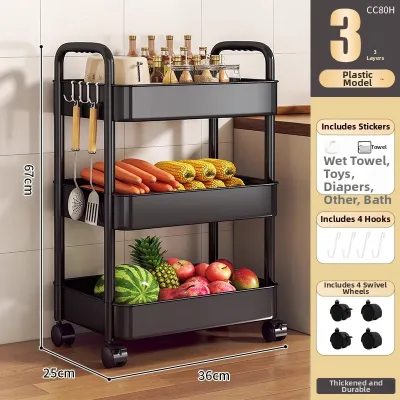
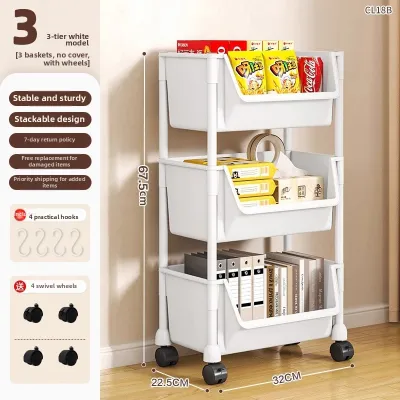
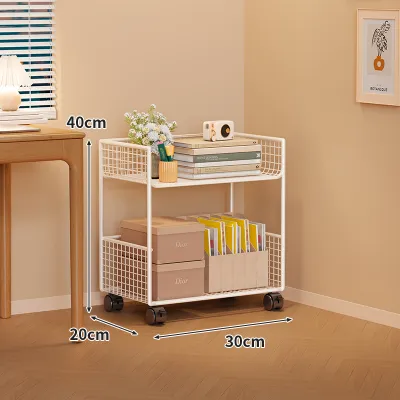
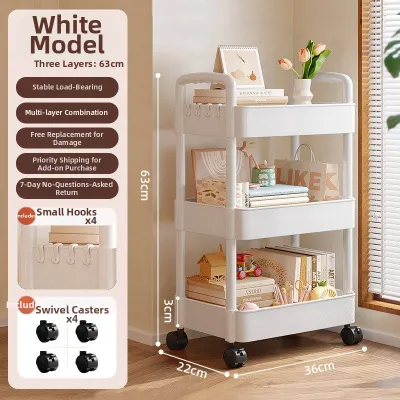
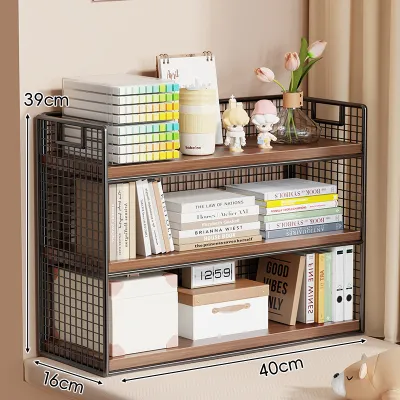
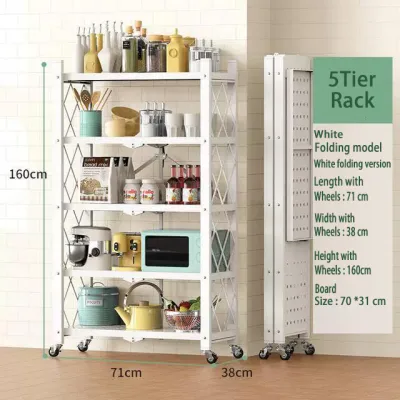
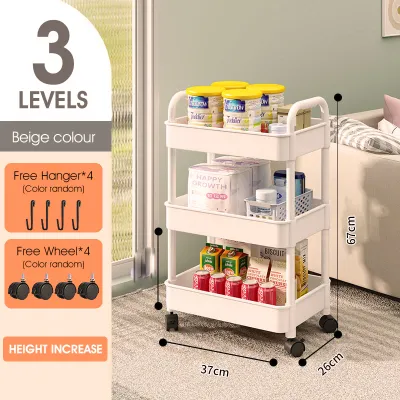
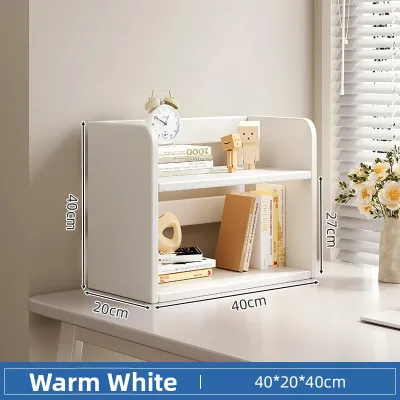
Prices are valid at publication and may change. Please refer to the product page for the latest price.
In contrast, Muji focuses on a minimalist aesthetic characterized by clean lines, natural wood tones, and a signature lack of branding. The brand’s design philosophy centers on creating calm, uncluttered spaces where furniture integrates seamlessly into the background. Muji storage racks, often crafted with oak or pine veneers and steel or stainless steel frames, maintain uniform proportions that align perfectly with their proprietary storage boxes. This creates a highly disciplined, visually quiet environment ideal for Japandi, minimalist, or Zen-inspired interiors where visual noise is kept to an absolute minimum.
Nitori offers a highly practical, space-efficient design language optimized for functional daily living. Originating from Japan, Nitori’s aesthetic focuses on utility, offering neutral finishes and compact layouts that blend easily into modern apartments. Rather than emphasizing bold design statements or strict minimalism, Nitori designs its storage racks to maximize storage capacity within a small footprint. The finishes are typically understated, featuring muted wood grains and neutral metal tones that coordinate effortlessly with existing household furniture without dominating the room’s visual landscape.
Build Quality and Material Checks: What to Inspect
When selecting a storage rack, inspecting the material composition is essential for predicting its performance in your specific home environment. Differentiating between solid wood, engineered wood, and metal frames requires a close look at product labels and specifications. Solid wood offers natural grain variations and high structural integrity but can be sensitive to extreme moisture fluctuations. Engineered wood, such as particleboard and medium-density fiberboard (MDF), is commonly used for its affordability and uniform surface, though its durability depends heavily on the quality of the protective laminate or veneer applied over the core.

In Singapore’s high-humidity climate, surface treatments are a critical factor to verify before purchase. When inspecting engineered wood storage racks, check the quality of the edge banding along the sides and corners of the shelves. Unsealed or poorly banded edges can allow moisture to penetrate the inner core, leading to swelling, warping, or sagging over time. For metal frames, look for powder-coated or stainless steel finishes, which provide a protective barrier against oxidation and rust, particularly if the rack is intended for use in kitchens, service yards, or near open windows.
Structural stability and load-bearing capacity must always be verified using the manufacturer’s official product tags rather than visual estimation. Check the maximum weight capacity per shelf, as overloading engineered wood shelves can cause permanent bowing. Additionally, examine the joint types used in the construction; metal-to-metal connections generally offer greater stability and ease of reassembly compared to wood screws driven directly into particleboard. Regardless of the brand you select, any tall or top-heavy storage unit requires secure wall anchoring to prevent accidental tip-over hazards, making it necessary to check if the appropriate mounting hardware is included.
Space Planning: Dimensions, Modularity, and Delivery
Before finalizing your purchase, precise spatial planning is required to ensure the storage rack fits both your physical room and your daily routines. Begin by measuring the available floor footprint, total ceiling height, and the clearance required for nearby doors, windows, and walkways. It is important to account for baseboards or skirting boards along the bottom of your walls, as these can prevent a flat-backed storage rack from sitting completely flush against the wall, potentially affecting stability and anchoring alignment.
Evaluating the modularity of a storage system allows you to plan for future adjustments or expansions. Check whether the shelf intervals are adjustable and how easily add-on units can be integrated if your storage needs grow. Furthermore, consider the dimensions of compatible storage accessories; choosing a brand that utilizes standard dimensions makes it much easier to find matching fabric bins, plastic drawers, or woven baskets that slide perfectly into the shelving compartments without leaving awkward, dust-gathering gaps.
Logistical constraints are another vital consideration, particularly for residents of high-rise apartments. Verify the delivery and assembly requirements of the storage rack, keeping in mind the dimensions of your building’s lift, corridors, and staircases. Large, pre-assembled units or exceptionally long flat-packs may present transport challenges if they cannot clear low ceilings or tight corners during delivery. If you plan to assemble the furniture yourself, review the online assembly instructions beforehand to ensure you have the necessary tools, space, and assistance required for a safe installation.
Value Assessment: Looking Beyond the Initial Price Tag
Evaluating the true value of a storage rack requires looking beyond the initial retail price in S$ to calculate the total cost of ownership. While a basic shelving frame may appear highly affordable, the total cost can increase significantly once you add essential accessories such as glass doors, pull-out drawers, internal dividers, and specialized storage boxes. To make an accurate financial comparison, calculate the complete cost of your desired configuration, including all functional add-ons, rather than comparing base frames alone.
The longevity of the materials under your specific usage conditions also plays a major role in long-term value. If you relocate frequently or enjoy rearranging your home layout, solid wood or heavy-duty metal racks generally withstand disassembly and reassembly much better than lightweight engineered wood units. Particleboard joints can weaken when screws are removed and reinserted, which may shorten the lifespan of the furniture during a move. Factor in how long you expect to use the storage system and whether its structural design supports your lifestyle flexibility.
Finally, review the manufacturer’s warranty terms, return policies, and the availability of replacement parts. A brand that offers individual replacement shelves, hardware packs, or connector pins provides greater long-term security, as you can easily repair minor wear and tear without needing to replace the entire storage unit. Check the local customer service channels and return windows in Singapore to understand what support is available should you encounter missing components or manufacturing defects during assembly.
Final Verdict: Which Brand Should You Choose?
Your final decision should align with your specific spatial constraints, aesthetic preferences, and functional requirements. Choose IKEA if you require highly customizable, modular storage solutions that can be tailored to fit large, irregular, or uniquely shaped spaces. The brand’s extensive range of compatible accessories, doors, and color options makes it an excellent choice for households that want to design a personalized organization system that can evolve alongside their changing storage needs over time.
Choose Muji if your priority is a cohesive, minimalist aesthetic and you prefer natural wood veneers or clean metal lines with uniform dimensions. Muji’s system is ideal for creating a visually quiet, highly organized environment where the shelving units and matching storage containers work together as a single, integrated design. This approach is best suited for low-traffic areas, study rooms, or living spaces where maintaining a calm, uncluttered visual flow is the primary goal.
Choose Nitori if you are looking for compact, highly functional storage solutions optimized for smaller footprints and practical daily utility. Nitori’s designs excel at maximizing vertical space and providing straightforward, reliable storage without unnecessary design flourishes. This makes them highly suitable for tight entryways, utility rooms, or compact bedrooms where efficient space utilization is paramount. Before making any purchase, always verify your wall type for secure anchoring, check the humidity levels of the room, and confirm the load-bearing limits of the shelves to ensure a safe and lasting installation.
Frequently Asked Questions (FAQ)
Can I mix storage racks from different brands in the same room?
Yes, you can mix storage racks from different brands, but maintaining visual cohesion requires careful planning. To avoid a cluttered look, try to match the depths of the adjacent units so they align flush along the front edge. Pay close attention to wood finishes and metal tones, as slight variations in oak or maple veneers can clash when placed side by side. Using a uniform set of storage boxes across different shelving units is an effective way to bridge visual gaps and create a unified appearance throughout the room.
How do I prevent tall storage racks from tipping over?
To prevent tall storage racks from tipping over, always secure them to the wall using the manufacturer-provided anti-tip safety kits. Use a stud finder to locate wall studs for secure fastening in drywall, or use appropriate masonry plugs if mounting directly into concrete or brick walls. Additionally, place heavier items on the bottom shelves to lower the unit’s center of gravity, and avoid placing heavy or attractive items on the top shelves where they might encourage climbing or create top-heavy instability.
Community discussion
Share your experience or ask a question. Comments are reviewed before publication.