
The ideal baby cupboard dimensions for a typical Singapore HDB nursery or bedroom balance a compact footprint with highly adjustable interior storage. Generally, an optimal baby cupboard measures 80 cm to 100 cm in width, 40 cm to 50 cm in depth, and 120 cm to 180 cm in height for freestanding units. These dimensions preserve precious floor space in HDB common bedrooms—which typically range from 9 to 10 square meters—while leaving ample clearance for other essential furniture like a baby cot and a changing table.
Selecting the right cupboard requires looking beyond aesthetics. Because nursery spaces are tight, every centimeter counts. Choosing a cupboard with a shallower depth than standard adult wardrobes saves valuable floor space, while a well-planned height ensures the room remains visually open and safe. By matching the cupboard’s physical dimensions to your specific room layout, you can create a highly functional, safe, and organized environment for your child.
Assessing Your HDB Nursery Space and Layout Constraints
Before browsing online marketplaces or visiting local furniture showrooms, you must accurately measure your HDB bedroom. Standard HDB room layouts often feature structural elements that can interfere with furniture placement. Start by measuring the wall-to-wall distance of the target area, but do not rely on these numbers alone. You must subtract the thickness of skirting boards, which typically project 1.5 cm to 2 cm from the wall. Failing to account for skirting boards can prevent a freestanding cupboard from sitting flush against the wall, creating awkward gaps or rendering a tight fit impossible.
Products mentioned in this guide
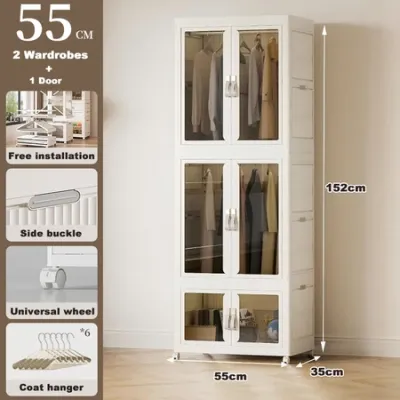
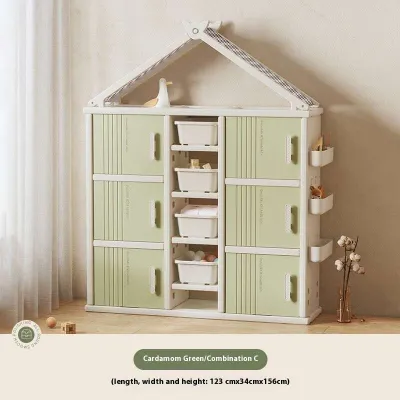
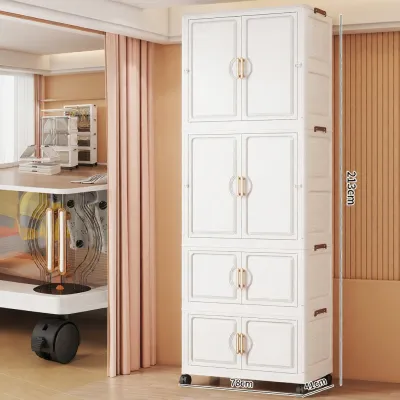
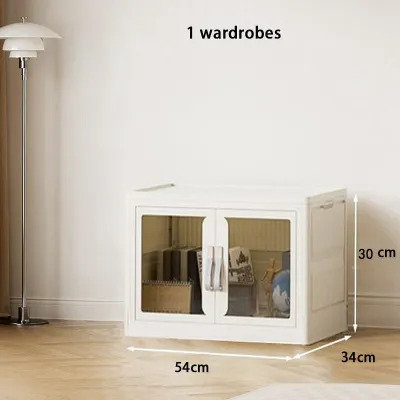
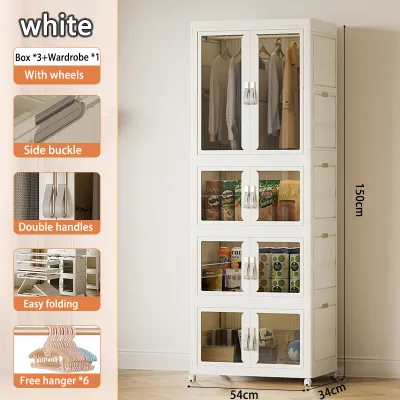
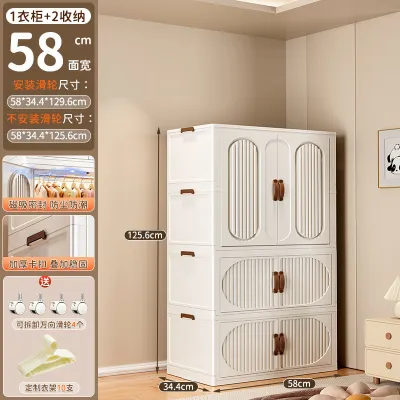
Prices are valid at publication and may change. Please refer to the product page for the latest price.
Additionally, take note of any structural columns, bay windows, or household shelter (bomb shelter) door protrusions. If your nursery shares a wall with the household shelter, the heavy steel door frame and its swing path will severely limit where you can place tall furniture. Map out the room’s layout by dividing it into three primary zones: the sleeping zone (the baby cot), the changing/care zone (the changing table or chest of drawers), and the storage zone (the baby cupboard). Ensure there is a logical flow between these zones so you can easily access clothes or diapers during late-night changes without tripping over furniture.
Utility access is another critical constraint in HDB flats. Take note of the exact locations of wall power sockets, light switches, and air-conditioning trunking. Power sockets are often positioned low on the wall; placing a heavy cupboard directly in front of them blocks access and can bend or damage plugged-in cords. Air-conditioning trunking, which typically runs along the top of the wall or drops down in corners, can restrict the height of your cupboard. Placing a tall wardrobe too close to this trunking can compress the insulation, leading to condensation leaks, restricted airflow, or structural damage to the trunking itself.
Finally, consider how the cupboard will physically enter your home. HDB passenger lifts in older estates can have narrow doors and ceiling heights of around 2.1 meters. If you purchase a fully assembled, tall freestanding cupboard, verify that it can fit inside the lift and pass through your front door and bedroom doorway. If access is tight, flat-pack furniture or modular systems that are assembled directly inside the bedroom are highly practical alternatives.
Recommended Baby Cupboard Dimensions and Safety Clearances
Width: Finding the Balance on Your Wall
Typical baby cupboards range from 60 cm to 120 cm in width. A narrow 60 cm cupboard (often a single-door or slim double-door unit) is highly efficient for tight corners or small alcoves. However, if you have at least one uninterrupted wall, an 80 cm to 100 cm wide cupboard is the sweet spot. This width provides enough interior volume for two parallel columns of shelving or a combination of a hanging rail and drawers, without dominating the entire wall.

Depth: Why Adult Standards Are Overkill
Standard adult wardrobes are typically 60 cm deep. This depth is necessary to accommodate adult-sized hangers, which are usually 40 cm to 45 cm wide. However, baby and toddler hangers are much smaller, measuring only 25 cm to 30 cm in width. Consequently, a baby cupboard with a depth of 40 cm to 50 cm is entirely sufficient. Choosing a 45 cm deep cupboard instead of a 60 cm adult wardrobe saves 15 cm of floor space, which significantly opens up the walkway in a compact HDB bedroom.
Height: Freestanding vs. Built-In
Freestanding baby cupboards generally fall into two height categories: low-profile units (120 cm to 150 cm) and tall units (180 cm to 200 cm). Low-profile cupboards keep the room feeling spacious, prevent natural light from being blocked, and allow you to use the top surface for displaying books or storing lightweight baskets. Tall freestanding units maximize vertical storage but can feel visually heavy in a small room. If you opt for a custom built-in wardrobe, it can go all the way to the typical HDB ceiling height of 260 cm, allowing you to store out-of-season items or bulky baby gear on the highest shelves.
Essential Clearances for Daily Use
To maintain a safe and comfortable room flow, you must calculate the clearances around the cupboard. A minimum walking space of 60 cm is required in front of the cupboard for an adult to pass through comfortably. If the cupboard has hinged doors, you must calculate the door swing radius. For example, a cupboard with 45 cm wide hinged doors requires at least 45 cm of clear space in front of it just to open the doors, plus an additional 35 cm to 40 cm for you to stand in front of the open unit. If your clearance is less than 80 cm, hinged doors will constantly collide with the cot or block the bedroom doorway.
Space-Saving Configurations for Compact HDB Bedrooms
When floor space is exceptionally limited, standard hinged-door cupboards can make a bedroom feel cramped and difficult to navigate. Sliding doors are an excellent alternative because they glide parallel to the wardrobe frame. Because they require zero front clearance to open, you can place other furniture, such as the baby cot or a nursing chair, much closer to the cupboard without restricting access to your child’s clothes.
Another highly flexible option is modular cube storage or open shelving units. These systems typically feature shallow depths of 30 cm to 40 cm and can be configured both horizontally and vertically to fit under windows or around structural columns. While open shelving requires diligent organizing to avoid looking cluttered, it eliminates door swing issues entirely. As your child grows, these modular cubes can easily transition from holding baby swaddles to storing toys, books, and school supplies.
Multi-functional furniture is also highly effective in HDB nurseries. Combining a low cupboard (around 80 cm to 90 cm high) with a secure changing pad on top allows you to merge two essential nursery zones into a single footprint. Alternatively, if your HDB bedroom already features a built-in adult wardrobe, you can avoid buying a separate cupboard altogether. By dedicating a lower section of the existing wardrobe to baby storage and retrofitting it with low hanging rods and storage bins, you preserve maximum floor space for your baby to crawl and play.
Adapting the Interior Layout for Baby and Toddler Gear
Optimize with Double-Tier Hanging Rails
Because baby clothes are short—typically measuring only 30 cm to 50 cm in length—a single high hanging rail results in a massive amount of wasted vertical space. To maximize efficiency, install double-tier hanging rails. Position the top rail higher up for items your baby will grow into, and place the lower rail at a height of about 70 cm to 80 cm from the base. This layout doubles your hanging capacity and eventually allows your toddler to reach their own clothes, encouraging independence.
Utilize Low-Level Drawers and Bins
Babies require a vast array of small items, including socks, mittens, bibs, swaddles, and diapers. These items easily get lost or disorganized on wide, deep shelves. Incorporating drawers or slide-out storage bins at the lower levels of the cupboard makes these daily essentials highly accessible. Use internal drawer dividers to keep different clothing categories separated and neat.
Prioritize Adjustable Shelving
Your child’s storage needs will change rapidly over the first few years. A cupboard with fixed shelves will quickly become impractical. Look for cupboards with pre-drilled peg holes along the inner sides, which allow you to adjust shelf heights as your child’s clothes grow from tiny onesies to larger toddler garments and school uniforms. Adjustable shelving also makes it easy to accommodate bulky items like toy boxes or diaper packs.
Store for Stability and Safety
When organizing the cupboard, always store heavy items—such as bulk packs of diapers, heavy blankets, or wooden toys—in the lowest drawers or on the very bottom shelf. Keeping heavy items at the base lowers the cupboard’s center of gravity. This simple step significantly improves the physical stability of the furniture, reducing the risk of it tipping forward when drawers are pulled out or when a toddler attempts to climb it.
Common Sizing and Placement Mistakes to Avoid
One of the most common mistakes is placing a tall, deep cupboard where it blocks natural light from the window or obstructs the main bedroom door. In Singapore’s warm, humid climate, blocking windows restricts natural ventilation, which can lead to stagnant air and moisture buildup in the nursery. Always ensure the cupboard is positioned flat against a solid wall that does not interfere with window openings or the main door’s swing path.
Another frequent error is ignoring the door swing paths of adjacent furniture. Placing a cupboard too close to the baby cot can result in the cupboard doors hitting the cot frame. This not only damages the finish of both furniture pieces but also risks waking a sleeping baby or trapping your fingers during a rushed moment. Always measure and verify that all doors and drawers can open to their fullest extent without making contact with other items.
Safety must be your top priority when installing any freestanding furniture in a child’s room. Tall, shallow, or lightweight cupboards are highly susceptible to tipping over, especially if a curious toddler attempts to climb the shelves or pull open multiple drawers at once. Never rely solely on the weight of the cupboard to keep it upright. You must secure the cupboard to the wall using a high-quality wall-anchoring kit. Because HDB walls are typically made of solid concrete or precast panels, you will need a hammer drill, masonry drill bits, and appropriate plastic wall plugs to ensure a secure, permanent anchor. Check the manufacturer’s instructions for the correct anchoring procedure.
Finally, avoid purchasing an adult-depth (60 cm) wardrobe without physically taping out the footprint on your bedroom floor first. While the extra storage space is tempting, a deep wardrobe in a small HDB room can narrow the remaining walkway to less than 50 cm, making it incredibly difficult to navigate the room while carrying your baby.
Frequently Asked Questions (FAQ)
Can I use a standard adult wardrobe in an HDB nursery?
Yes, you can use a standard adult wardrobe, but its 60 cm depth may overwhelm a small HDB common room and restrict your walkway. If you choose to use one, check that you have at least 60 cm of walking clearance remaining. To make the deep interior practical for tiny baby clothes, retrofit the wardrobe with additional shelves, pull-out baskets, and lower hanging rods to prevent wasted vertical space.
How much space should I leave between the baby cot and the cupboard?
You should leave a minimum of 60 cm, though 80 cm to 90 cm is highly recommended. This clearance ensures that you can stand comfortably in front of the cot to lift your baby in and out without your back pressing against the cupboard. It also ensures that cupboard doors or drawers can be fully opened without colliding with the cot frame.
Community discussion
Share your experience or ask a question. Comments are reviewed before publication.