
Quick Answer: Finding Your Ideal Hybrid Mattress Firmness
Determining the ideal firmness for a hybrid mattress requires balancing your primary sleeping position, body weight, and comfort preferences. Because hybrid mattresses combine the contouring relief of foam or latex comfort layers with the robust upward support of pocketed coils, they offer a unique balance of pressure relief and structural alignment.
Generally, side sleepers benefit from a medium-soft to medium feel (3 to 5 on the standard 10-point scale) for pressure relief at the shoulders and hips. Back and stomach sleepers typically require medium-firm to firm support (5 to 8) to prevent pelvis sinkage and maintain spinal alignment.
It is critical to distinguish between surface “firmness” and structural “support.” Firmness refers to the immediate plushness or rigidity of the top comfort layers, while support refers to the underlying coil system’s ability to keep your spine in a healthy, neutral position throughout the night.
Products mentioned in this guide
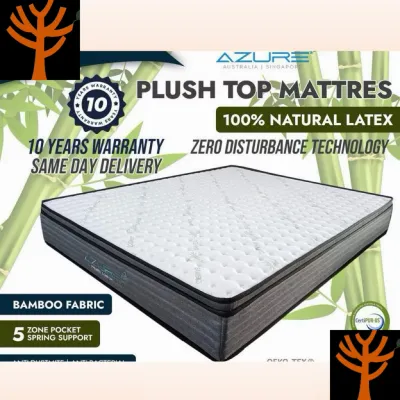
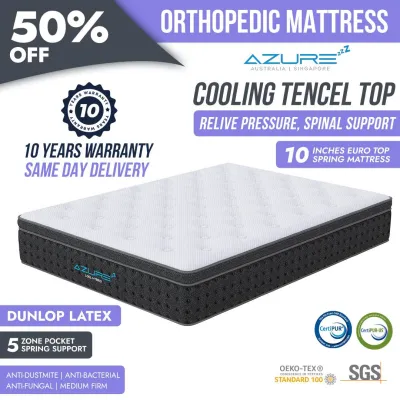
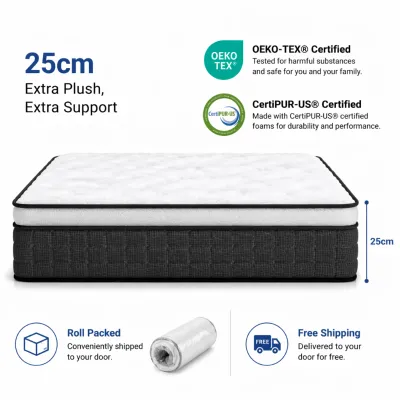
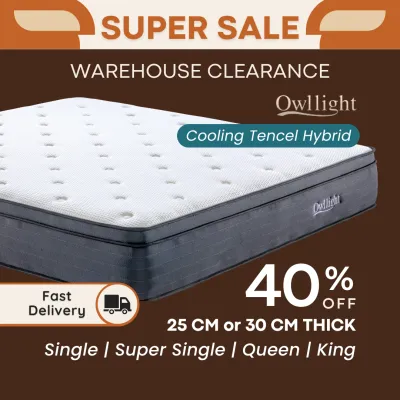
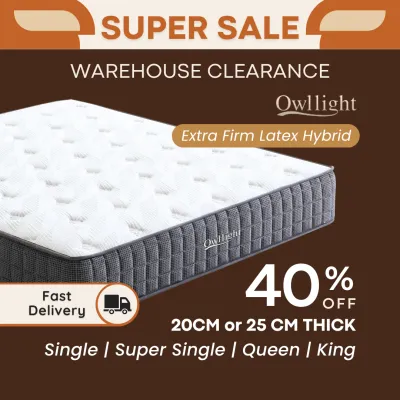
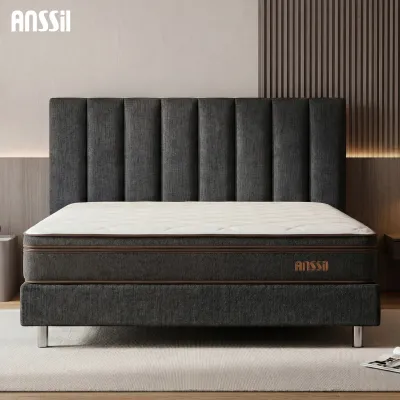

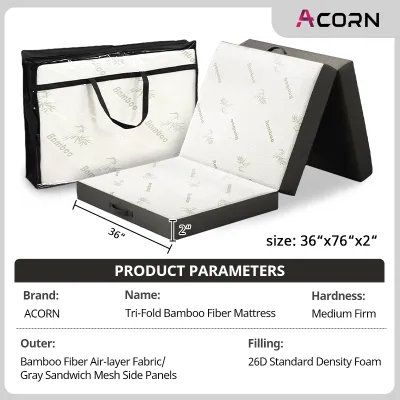
Prices are valid at publication and may change. Please refer to the product page for the latest price.
Understanding the Firmness Scale for Hybrid Mattresses
The mattress industry uses a standardized 1-to-10 scale to classify firmness, where 1 represents an extremely plush, cloud-like surface and 10 represents an exceptionally rigid, floor-like feel. Most hybrid mattresses fall within the 4-to-8 range. This concentrated distribution occurs because combining thick foam comfort layers with steel coils inherently prevents the mattress from feeling like an ultra-soft featherbed or a solid wooden plank.

To navigate this scale, you must understand how a hybrid mattress is constructed. The top section, known as the comfort system, consists of layers of memory foam, polyfoam, gel-infused foam, or natural latex. This comfort system dictates the initial firmness rating and determines how much you will sink into the bed. Beneath this lies the transition layer, which acts as a buffer to prevent your body from bottoming out against the metal coils.
The foundation of the mattress is the support core, consisting of hundreds of individually pocketed steel coils. These coils compress independently, providing targeted pushback to your body’s heaviest zones. Because the coils provide active upward resistance, they ensure that even a hybrid mattress with a very soft comfort layer still delivers substantial structural support.
Keep in mind that firmness ratings are highly subjective. A mattress labeled “medium-firm” by one brand might feel like a true “medium” or even a “firm” to you, depending on the density of the foams used, the gauge of the steel coils, and your own physical characteristics.
Step 1: Assess Your Primary Sleeping Position
Your sleeping position is the most influential factor in determining your ideal hybrid mattress firmness because it dictates how your body weight is distributed across the sleeping surface.
Side Sleepers
When you sleep on your side, your shoulders and hips bear the brunt of your body weight, creating concentrated pressure points. If your mattress is too firm, these joints cannot sink in, leading to restricted blood circulation and morning aches. Side sleepers generally require a medium-soft to medium hybrid mattress, typically rating between 3 and 5 on the firmness scale. Look for models with thick, high-density memory foam or contouring latex comfort layers that allow the shoulders and hips to sink just enough to keep the spine in a straight, horizontal line.
Back Sleepers
Back sleeping is highly beneficial for spinal alignment, provided the mattress supports the natural curves of your body. If a hybrid mattress is too soft, your pelvis will sink too deeply, arching your lower back and causing muscle strain. If it is too firm, the mattress will fail to fill the gap in your lumbar region, leaving your lower back unsupported. Back sleepers generally find their ideal match in a medium to medium-firm hybrid mattress, scoring between 5 and 7 on the scale. This level of firmness offers a thin comfort layer for gentle contouring while relying on the pocketed coils to keep the spine in a neutral alignment.
Stomach Sleepers
Stomach sleeping is the most demanding position when it comes to mattress support. If the mattress is too soft, gravity pulls your midsection into the comfort layers, creating a deep U-shape in your spine that strains the lower back. To prevent this “hammocking” effect, stomach sleepers require a firm hybrid mattress, rating between 7 and 8 on the scale. A firmer surface with a thin comfort layer and a rigid, high-gauge coil system keeps the pelvis elevated and aligned with the shoulders, reducing spinal stress.
Combination Sleepers
If you regularly switch positions throughout the night, you need a highly responsive hybrid mattress that facilitates easy movement. Extremely soft mattresses can create a “sinking sand” sensation, making it difficult to turn over and disrupting your sleep cycle. Combination sleepers should opt for a responsive medium hybrid mattress, scoring between 5 and 6 on the scale. Models utilizing natural latex or responsive transition foams are ideal, as they bounce back quickly when you move, allowing seamless transitions without sacrificing support.
Step 2: Factor in Your Body Weight
Your body weight determines how deeply you compress the comfort layers of a hybrid mattress, which directly alters how firm the bed actually feels to you.
Lightweight Sleepers (Under 60 kg)
Lighter individuals exert less gravitational force on a mattress, meaning they do not sink deeply enough to engage the underlying support layers. Consequently, a mattress rated as a “medium” by a manufacturer will often feel like a “firm” to someone under 60 kg. If you fall into this category, you should look for softer hybrid mattresses, typically rating between 3 and 5 on the scale. These models feature plush, low-density comfort foams that contour easily under lighter weights, ensuring you still receive adequate pressure relief at your shoulders and hips.
Average Weight Sleepers (60 kg to 100 kg)
Sleepers within this weight range will find that hybrid mattresses perform very close to their advertised firmness ratings. If you weigh between 60 kg and 100 kg, a classic medium to medium-firm hybrid mattress (5 to 7 on the scale) is generally the most versatile and reliable choice. This range provides the perfect equilibrium of surface cushioning and deep-down pocketed coil support, accommodating a wide variety of sleeping positions.
Heavyweight Sleepers (Over 100 kg)
Heavier individuals compress foam comfort layers rapidly and place significant stress on the underlying coil system. If a mattress is too soft, they will sink straight through the comfort layers and rest directly on the metal coils, creating severe pressure points and causing the mattress to sag prematurely. Sleepers over 100 kg require a firm hybrid mattress, rating between 7 and 8 on the scale, constructed with high-density foams and a heavy-duty support core. Look for models featuring thicker-gauge steel coils or zoned coil systems that offer reinforced support in the center third of the mattress to prevent the hips from sinking too deeply.
Step 3: Evaluate Specific Comfort and Health Needs
Beyond sleeping position and weight, individual health conditions and environmental factors should guide your final firmness selection.
Pain Relief
If you suffer from chronic back, shoulder, or hip pain, mattress firmness is critical. While a medium-firm hybrid mattress is widely considered the gold standard for general lower back pain because it supports the lumbar region, localized joint pain may require a slightly softer surface to redistribute pressure. It is important to note that a mattress cannot cure chronic medical conditions; if you experience persistent orthopedic pain, consult a healthcare professional or physical therapist to determine if a specific firmness profile is recommended for your recovery.
Temperature Regulation
Singapore’s tropical climate, characterized by high temperatures and intense humidity, makes heat retention a major consideration when choosing a mattress. While hybrid mattresses inherently sleep cooler than all-foam beds because air flows freely through the pocketed coil base, the thickness and composition of the comfort layers still play a significant role. Softer hybrid mattresses wrap closely around your body, trapping heat and restricting airflow. Firmer hybrid mattresses keep you positioned “on top” of the mattress surface, maximizing air circulation and sweat evaporation. If you sleep hot or do not use air conditioning continuously, a firmer hybrid with gel-infused foams or open-cell natural latex will provide a cooler sleeping environment.
Partner Disturbance
Sharing a bed requires finding a compromise that satisfies both sleepers. If you and your partner have different sleeping positions or weight profiles, a medium-firm hybrid mattress (around 6 on the scale) is often the most successful middle ground. It offers enough surface contouring for a side sleeper while providing the structural support required by a back or stomach sleeper. Furthermore, pocketed coils excel at isolating motion, meaning you will not feel your partner tossing and turning, while robust edge support ensures you can use the entire surface of the bed without feeling like you are rolling off the sides.
How to Test and Verify Your Firmness Choice
Investing in a hybrid mattress is a long-term decision, making thorough testing and verification essential before and after your purchase.
In-Store Testing
When visiting a furniture showroom in Singapore, avoid the common mistake of simply pressing down on the mattress with your hands or sitting on the edge. To get an accurate assessment, lie down on the display model in your primary sleeping position for at least 10 to 15 minutes. Wear loose, comfortable clothing and allow your body to relax completely so you can feel how your spine aligns and whether any pressure points develop.
Sleep Trials
A brief showroom test cannot replicate the experience of sleeping on a mattress night after night. Many modern direct-to-consumer and online hybrid mattress brands offer home sleep trials, typically ranging from 100 to 120 nights. It takes your body approximately three to four weeks to adjust to a new mattress and for the comfort layers to break in, making these trials the most reliable way to verify your firmness choice.
Return Policies and Warranties
Before finalizing your purchase, carefully read the terms of the sleep trial and warranty. Check if the retailer enforces a mandatory break-in period (usually 21 to 30 nights) before allowing a return or exchange. Be sure to verify any return fees, transport charges, or collection logistics. In Singapore, navigating high-rise HDB flats or condominiums with tight corridors and lift access rules can complicate returns. Ensure that the mattress dimensions are compatible with your doorways, lift, and bed frame, as hybrid mattresses are incredibly heavy and cannot be bent or folded once unboxed. If delivery or collection requires carrying the mattress up stairs, confirm any additional service fees with the retailer beforehand.
Frequently Asked Questions (FAQ)
Can I adjust the firmness of a hybrid mattress after buying it?
Yes, you can modify the surface feel of your hybrid mattress after purchase by using a mattress topper. While a topper cannot alter the underlying pocketed coil support core, it can significantly adjust the immediate comfort layer. If your hybrid mattress feels too firm, adding a plush memory foam, gel-infused foam, or natural latex topper can provide the extra cushioning and pressure relief you need. Conversely, if your mattress is slightly too soft, a firm, high-density foam topper can add surface tension, though it cannot fix a mattress that is sagging due to a worn-out or compromised support core.
Is a firm hybrid mattress always better for back pain?
No, an excessively firm hybrid mattress is not always the best solution for back pain. If a mattress is too rigid, it will fail to conform to the natural curves of your body, leaving a gap beneath your lower back and forcing your spine out of its natural alignment. This can place intense pressure on your shoulders and sacrum, exacerbating pain. For most sleepers, a medium-firm hybrid mattress (scoring 6 to 7 on the scale) is the optimal choice for back pain. It provides the firm, upward support of pocketed coils to keep the pelvis aligned while offering enough foam cushioning to fill the lumbar gap and relieve pressure points.
Community discussion
Share your experience or ask a question. Comments are reviewed before publication.