
Choosing a themed bed for your child is an exciting milestone in creating a magical bedroom. A seahorse-themed bedframe, with its whimsical curves, ocean-inspired motifs, and playful shapes, can instantly transform a room into an imaginative marine sanctuary. However, novelty furniture often introduces unique physical and structural configurations that require careful safety evaluations before purchase.
To ensure your child’s sleeping environment remains entirely safe, you must look beyond the visual appeal of a seahorse design. Verifying compliance with general consumer safety guidelines, identifying design-specific physical hazards, and inspecting the chemical safety of paints and materials are essential steps. By taking a systematic approach to evaluating structural stability, entrapment risks, and material emissions, you can secure a bedframe that is both enchanting and exceptionally secure.
Navigating Singapore's Safety Regulations for Children's Furniture
When shopping for children’s furniture in Singapore, understanding the regulatory framework helps you make informed decisions. Consumer goods, including kids’ bedframes, are overseen by Enterprise Singapore under the Consumer Protection (Consumer Goods Safety Requirements) Regulations (CGSR). While there is no single, mandatory safety certification exclusive to themed novelty beds, all children’s furniture sold locally must be safe for use and free from physical, mechanical, and chemical hazards.
Products mentioned in this guide
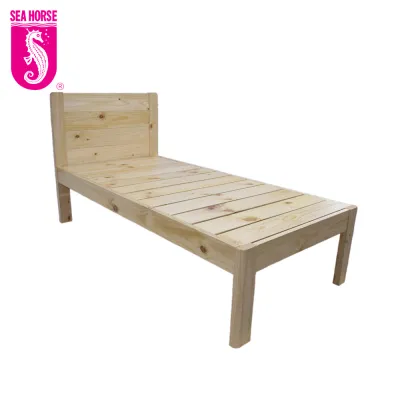
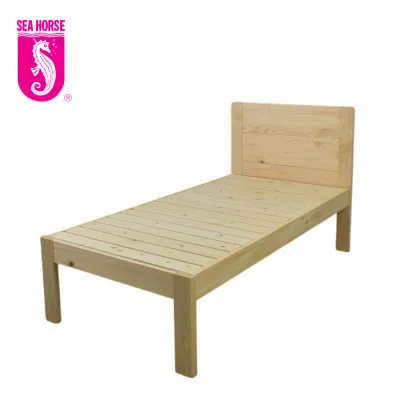
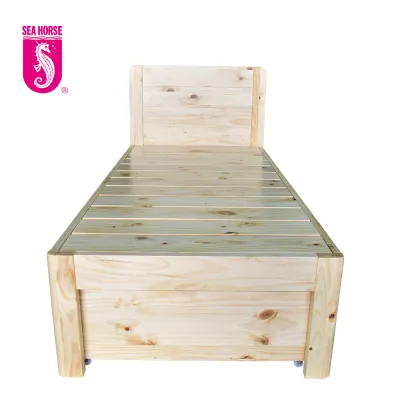
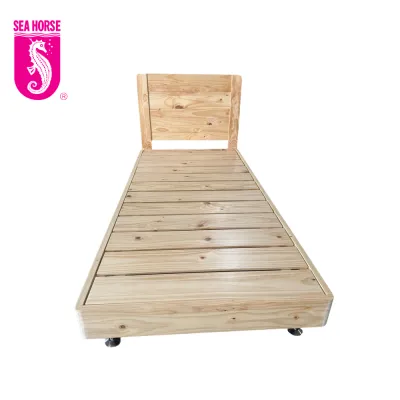
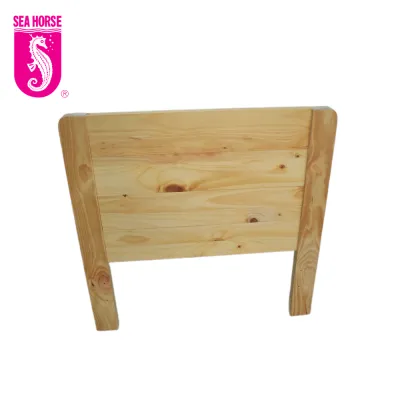
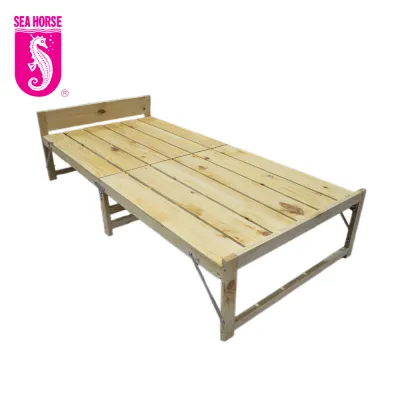
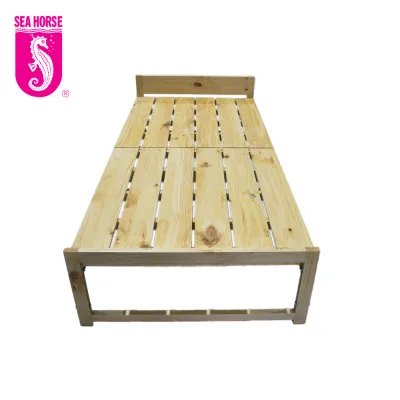
Prices are valid at publication and may change. Please refer to the product page for the latest price.
To verify a product’s safety compliance, start by looking for manufacturer declarations of conformity or safety compliance labels on the packaging and documentation. Reputable brands often design their children’s furniture to meet established international safety standards, such as the European standard (EN 716 for children’s cots and folding beds) or the American standard (ASTM F1821 for toddler beds). These standards govern critical safety aspects, including structural strength, maximum gap sizes, and edge sharpness.
It is important to differentiate between structural safety and electrical safety marks when evaluating themed furniture. The well-known safety mark issued under the Consumer Protection (Safety Requirements) Registration Scheme applies primarily to controlled electrical goods. If your chosen seahorse bedframe includes integrated electronic features, such as built-in LED reading lights or USB charging ports in the headboard, those specific electrical components must carry the registered safety mark. The wooden or metal frame itself, however, relies on structural test reports rather than electrical safety marks.
If safety certifications or test reports are not clearly displayed on the retailer’s website or product listing, do not hesitate to contact the brand’s official store directly. Ask the seller to provide proof of compliance with international children’s furniture safety standards. A transparent retailer should readily share these test reports or manufacturer declarations, giving you peace of mind that the bedframe has undergone rigorous mechanical and chemical testing before entering the market.
Identifying Design-Specific Risks in Seahorse and Themed Bedframes
Themed bedframes often feature elaborate, sculpted silhouettes to bring characters or animals to life. In a seahorse-themed design, features like a raised dorsal fin, a stylized crown, or a curled tail can act as prominent protrusions. While visually delightful, these decorative elements present potential snag hazards. Loose clothing, pajama drawstrings, or necklaces can catch on sharp projections, posing a serious risk of entanglement or injury. Ensure that all decorative parts are smooth, heavily rounded, and securely integrated into the main frame.

Entrapment gaps represent another critical design risk in novelty furniture. The intricate cutouts often used to define the seahorse’s body, or the spaces between the themed headboard, footboard, and the mattress, can create dangerous voids. If a gap is large enough to admit a child’s body but too small for their head, or if it can trap a small limb, it poses a severe hazard. Carefully inspect the dimensions of any decorative cutouts, ensuring they do not fall within dimensions that could trap a child’s head, neck, or limbs.
Asymmetrical and heavily sculpted designs can also alter the bedframe’s overall weight distribution. A massive, solid wood seahorse headboard paired with a lightweight footboard shifts the center of gravity upward and backward. This imbalance increases the risk of the bed tipping over, especially if a child decides to climb on the headboard or lean heavily against the decorative side panels. When evaluating a themed bed, look for a wide, low-slung base footprint that anchors the bed firmly to the floor and distributes weight evenly.
A Physical Inspection Checklist for Structural Stability and Entrapment
Performing a hands-on physical inspection—either at a showroom or immediately upon delivery—is the most reliable way to verify the build quality and mechanical safety of a seahorse bedframe. Use this practical checklist to guide your evaluation:
- Guardrail Effectiveness: If the bed is designed for a toddler or younger child, guardrails are essential to prevent accidental falls. Verify that the guardrails are tall enough to extend significantly above the top of your chosen mattress. The gaps between the individual vertical slats of the guardrail, as well as the gap between the bottom of the rail and the bed base, must be narrow enough to prevent a child's head or torso from slipping through.
- Mattress Fit: A safe bed requires a seamless fit between the mattress and the frame. Measure the inner dimensions of the bedframe and compare them with your mattress. There should be no significant gaps along the sides, headboard, or footboard. A loose-fitting mattress creates a dangerous void where a child's foot, hand, or head can become wedged.
- Slat Strength and Spacing: Remove the mattress and inspect the support slats underneath. The slats must be constructed from robust, high-quality solid wood or reinforced metal that can easily support both the mattress and your child's weight without bowing. Ensure the slats are spaced closely together to provide uniform support and prevent the mattress from sagging or slipping through the gaps.
- Surface Smoothness: Run your hands thoroughly over every accessible surface of the bedframe, paying close attention to the intricate curves, carved edges, and joints of the seahorse design. There must be no splinters, rough patches, sharp corners, or exposed hardware. All screws, bolts, and brackets should be deeply recessed or covered with smooth, child-safe protective caps.
Before finalizing your purchase, you must also consider the physical constraints of your home. Measure your doorways, hallways, and lift access to ensure the pre-assembled themed components—which are often bulky and cannot be easily broken down—can be safely transported into your child’s bedroom without damage.
Verifying Chemical Safety in Paints, Finishes, and Wood Materials
Children spend a significant portion of their day in close contact with their beds, making chemical safety a paramount concern. Themed furniture often requires multiple layers of vibrant paints, sealants, and finishes to achieve detailed, colorful designs. Unregulated coatings can release harmful chemicals into the indoor air or pose ingestion risks if a teething child bites the frame. Always check the product specifications to confirm that all paints, lacquers, and finishes are certified non-toxic, lead-free, and compliant with safety standards such as EN 71-3 (the European standard for the migration of certain elements in toys and children’s products).
If the seahorse shapes or decorative panels are made from engineered wood materials like Medium-Density Fibreboard (MDF) or particleboard, you must verify the adhesive safety. These materials are manufactured using resins that can emit formaldehyde, a known indoor air pollutant. Look for manufacturer documentation certifying low formaldehyde emissions, typically indicated by ratings such as E0 or E1. Choosing materials with these ratings ensures that the bedframe will not compromise the indoor air quality of your child’s bedroom.
Singapore’s warm and highly humid climate can accelerate the off-gassing process of new furniture, making chemical safety even more critical. When your new bedframe is delivered, it is normal to detect a mild, temporary scent as the materials settle. To manage this safely, place the bed in a well-ventilated room with open windows or active air circulation for several days before allowing your child to sleep in it. However, if the bedframe emits a strong, pungent, or eye-irritating chemical odor that persists after a few days of ventilation, stop using it immediately and contact the manufacturer or retailer to verify the safety of the finishes.
Safe Assembly, Anchoring, and Long-Term Maintenance
The long-term safety of a themed bedframe depends heavily on correct assembly and regular structural upkeep. When setting up the bed, strictly adhere to the manufacturer’s provided assembly instructions. Never skip steps, leave out components, or substitute the original hardware with unverified screws or brackets. If the instructions are unclear, or if you notice missing parts or misaligned pre-drilled holes, pause the assembly immediately and consult the manufacturer or a qualified professional installer rather than attempting to force the pieces together.
Because seahorse bedframes often feature tall, decorative headboards or elaborate side panels, wall anchoring is highly recommended. If the headboard is top-heavy or exceptionally tall, secure it firmly to the wall using heavy-duty, child-safe anchoring brackets. This simple step eliminates the risk of the bed tipping over if a child climbs, pulls, or jumps on the decorative elements. Always use anchoring hardware that is appropriate for your specific wall type, whether it is solid concrete, brick, or drywall.
Over time, the natural movements of an active child can gradually loosen the joints and hardware of a bedframe. Establish a routine maintenance schedule to inspect the bed every few months. Check and tighten all screws, bolts, and brackets to ensure the frame remains rigid and wobble-free. Additionally, inspect the painted or varnished surfaces for any signs of chipping, cracking, or peeling. If you spot damaged finishes, consult the manufacturer’s care instructions to identify safe, non-toxic touch-up options, ensuring the bed remains a beautiful and secure haven for years to come.
Frequently Asked Questions (FAQ)
Do themed kids' beds need a specific safety certification in Singapore?
There is no single, dedicated safety certificate required exclusively for themed or novelty children’s beds in Singapore. Instead, these products must comply with the general consumer safety regulations enforced by Enterprise Singapore. When shopping, look for manufacturer declarations stating that the bedframe complies with recognized international safety standards, such as EN 716, ASTM F1821, or equivalent regional guidelines. These standards serve as a reliable indicator that the bed’s design, strength, and materials have been thoroughly tested for child safety.
How high should the guardrails be on a seahorse toddler bed?
Guardrail height must always be measured from the top surface of the mattress, not from the wooden bed base. To prevent a child from rolling out of bed, the manufacturer’s specifications should indicate a safe clearance height above the mattress. Ensure that the mattress you pair with the bed is of the recommended thickness; a mattress that is too thick will reduce the effective height of the guardrail, rendering it unsafe. Additionally, verify that the gap between the bottom of the guardrail and the top of the mattress is small enough to prevent any risk of entrapment.
Is it safe to buy a second-hand themed bedframe?
Buying a second-hand themed bedframe carries inherent safety risks that require extreme caution. Used furniture may have missing assembly hardware, hidden structural damage, or weakened joints from previous moves. Furthermore, older models might not meet current safety guidelines, and the paint or finish may have degraded, cracked, or peeled over time. If you choose to purchase a second-hand seahorse bedframe, perform a meticulous physical inspection to check for stability, ensure all original hardware is present, and obtain a copy of the original manufacturer’s assembly manual to guarantee a correct and safe setup.
Community discussion
Share your experience or ask a question. Comments are reviewed before publication.