
Foldable beds offer an excellent, space-saving solution for Singapore’s compact apartments, allowing dual-purpose rooms to transition seamlessly from play areas to sleeping quarters. However, because these beds rely on moving parts, hinges, and collapsible frames, they introduce unique safety risks for children, such as finger entrapment, accidental folding, or structural instability. To ensure your child’s safety, you must look beyond attractive designs and actively verify specific safety certifications, physical locking mechanisms, and structural stability before making a purchase.
By understanding what to look for on product labels and how to inspect the physical frame, you can confidently select a bed that protects your child from common folding-bed hazards. This guide outlines the essential safety standards, physical inspection points, and verification steps to take when shopping for a children’s foldable bed in Singapore.
Understanding Safety Regulations and Certification Labels
When shopping for children’s furniture in Singapore, safety certifications are your first line of defense. The Consumer Product Safety Office (CPSO), safeguarded under Enterprise Singapore, monitors consumer product safety in the market. While foldable beds may not always require a mandatory local Safety Mark like household electrical appliances, they must still comply with general consumer product safety regulations. Reputable manufacturers demonstrate compliance by testing their products against rigorous international standards.
Products mentioned in this guide
![[SG Stock]Foldable Single Bed Office Folding Bed Single Bed Marching Bed Guest Bed Nursing Bed Lunch Break Bed](https://img.lazcdn.com/g/p/e4593a1c3674cbfe6e7f32fe29546789.jpg_400x400q80.jpg_.webp)
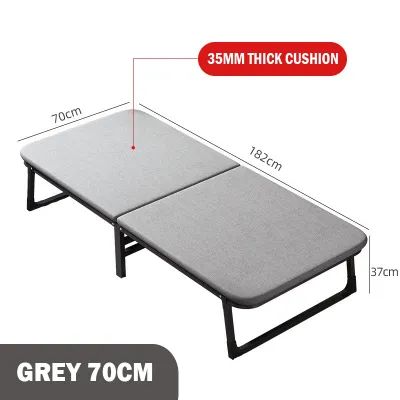
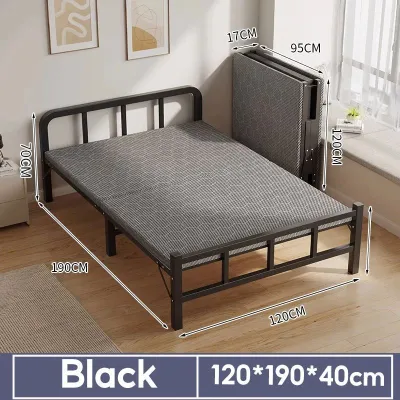
![[TheGoodFurniture] Foldable Bed Folding Nap Bed. Beach Relax Chair. 3 Fold. HK Bed. Canvas Fabric. Portable. Easy storage.](https://img.lazcdn.com/g/p/a5a96ce6037602aa8a7d63cadc3204b0.jpg_400x400q80.jpg_.webp)
Prices are valid at publication and may change. Please refer to the product page for the latest price.
For children’s foldable beds and cots, look for recognized international standard codes printed on the product packaging, frame labels, or user manuals. The European standard EN 716 (specifically for children’s cots and folding cots) and the American standard ASTM F1821 (for toddler beds) are two of the most reliable benchmarks. These standards govern structural strength, material toxicity, and the safety of folding mechanisms. If a product claims compliance with these standards, it means the design has undergone rigorous mechanical testing to withstand repeated use without collapsing or breaking.
Distinguishing between genuine safety certifications and generic marketing badges is crucial for your child’s protection. Many online listings feature self-made graphics with vague phrases like “safety approved,” “certified kid-safe,” or “eco-friendly grade.” A genuine certification will always reference a specific, traceable standard number, such as EN 716, and will often name the independent testing laboratory, such as TÜV SÜD, SGS, or Intertek. If a label lacks a specific standard code or a verifiable testing body, treat the safety claim as unverified marketing copy.
Key Physical Safety Features to Inspect Before Buying
Before finalizing your purchase, a hands-on physical inspection of the bed’s frame and folding mechanism is essential. The most critical component of any foldable bed is its locking system. A safe children’s foldable bed must feature an automatic locking pin or a dual-action locking mechanism. An automatic lock engages immediately when the bed is fully deployed, preventing the frame from folding back up if a child jumps or shifts weight. A dual-action lock requires two separate, consecutive physical actions to release, ensuring that a curious child cannot accidentally unlock the bed while playing.

During your inspection, pay close attention to potential pinch points and shear joints. These are areas where the frame folds, hinges connect, or metal bars slide past one another. In a child-safe design, these joints are either completely enclosed or designed with safety clearances that prevent small fingers from getting trapped or crushed during operation. Run your hands along the frame when it is partially folded and fully deployed to ensure there are no sharp edges, exposed springs, or narrow gaps near moving parts.
Guardrails and structural stability require equal scrutiny, especially if the bed is elevated or designed for younger children. If the bed includes guardrails, verify that they are structurally rigid and do not wobble when pressure is applied. The gaps between the guardrail slats must be narrow enough to prevent a child’s head, limbs, or torso from slipping through and becoming trapped. Additionally, check the overall stability of the bed on the floor. The legs should have a wide, stable footprint, and any wheels or casters must feature robust, independent locking brakes to keep the bed firmly in place during sleep.
Finally, consider the finished dimensions of the bed in relation to your child’s room. Ensure there is adequate clearance around the bed when it is fully deployed so that it does not block doorways, wardrobe doors, or emergency exit paths. A bed that fits too tightly against other furniture can create dangerous entrapment zones where a child could fall and become wedged between the bed frame and a wall.
How to Verify Manufacturer Claims and Documentation
With the rise of online marketplaces and global shipping, verifying manufacturer claims has become more challenging but more necessary than ever. Do not rely solely on the product descriptions provided on ecommerce platforms. Instead, cross-reference the online specifications with the physical product labels, the printed user manual, and the warranty documentation. A reputable manufacturer will provide consistent information across all these documents, including clear weight limits, age recommendations, and assembly instructions.
Be skeptical of vague safety terms that lack supporting evidence. If a seller claims a bed frame is made of “non-toxic, child-safe materials” or features “industrial-strength steel,” look for the specific testing certifications that back up these assertions. For example, non-toxic finishes are typically certified by Greenguard Gold or meet the EN 71-3 standard for chemical migration. If the seller cannot provide a specific standard number or certificate for these claims, the materials may not have undergone independent safety testing.
If you are purchasing a foldable bed online or from a local retailer and the safety certifications are unclear, do not hesitate to request formal compliance test reports. Ask the seller to provide a copy of the test certificate issued by an accredited third-party laboratory. When you receive the document, verify that the model number and brand name on the test report match the exact model of the bed you intend to buy. A legitimate distributor or retailer should be willing and able to provide this documentation to verify the product’s safety credentials.
Safe Setup and Daily Usage Boundaries
Bringing a certified, high-quality foldable bed home is only the first step; maintaining safety requires strict adherence to setup and usage guidelines. When assembling the bed, follow the manufacturer’s instruction manual step-by-step. Use only the exact tools, screws, and brackets provided in the packaging. Never substitute missing hardware with random screws from a home toolbox, as incorrect fasteners can compromise the structural integrity of the joints and lead to sudden frame failure under weight.
Establish a strict daily pre-use inspection routine before letting your child climb into the bed. Each time you unfold the bed, physically shake the frame gently to confirm that all locking pins, hinges, and latches are fully engaged and secure. In Singapore’s humid tropical climate, metal joints can occasionally rust or stiffen, and wooden components may expand or contract. Regular visual checks ensure that environmental factors have not compromised the locking mechanisms or caused the frame to warp.
Always respect the manufacturer’s specified age, weight, and mattress thickness limits. Foldable beds are engineered with precise load capacities that account for the stress placed on moving joints; exceeding these limits can cause the frame to bend or collapse. Furthermore, using a mattress that is thicker than the manufacturer’s recommendation can significantly reduce the effective height of the guardrails, increasing the risk of your child falling out of bed during the night. Keep the original user manual in a safe, accessible place so you can refer to these safety boundaries as your child grows.
Frequently Asked Questions (FAQ)
What should I do if the folding mechanism becomes stiff or makes unusual noises?
If the folding mechanism becomes stiff, squeaks, or makes unusual noises, stop using the bed immediately and keep it out of reach of children. Do not attempt to force the mechanism open or closed, as this can bend the metal frame, damage the locking pins, or compromise the safety latches, leading to a sudden collapse during future use. Avoid applying generic household lubricants or WD-40 unless the manufacturer’s manual specifically recommends them, as some lubricants can degrade plastic bushings, attract dust, or reduce the friction needed for safety locks to hold. Contact the manufacturer or a qualified furniture repair professional to inspect the joints and recommend the correct maintenance steps.
Are second-hand foldable beds safe for children?
Purchasing or accepting a second-hand foldable bed carries significant safety risks and is generally not recommended. Over time, folding mechanisms can suffer from structural fatigue, locking pins can wear down, and critical hardware may go missing or be replaced with incorrect parts. Additionally, second-hand beds rarely come with the original user manual, safety labels, or weight limit warnings. If you must use a pre-owned bed, thoroughly inspect every hinge, joint, and locking mechanism for wear, rust, or deformation, and ensure that all original safety labels are legible. Search online for the official manufacturer’s manual using the model number to verify that you have all the necessary parts and understand the safety limits before allowing a child to use the bed.
Community discussion
Share your experience or ask a question. Comments are reviewed before publication.