
To ensure a double decker bed is safe for children, it must comply with recognized international or local safety standards—such as the European standard EN 747, the American standard ASTM F1427, or Singapore’s consumer safety guidelines—and feature specific, verifiable physical dimensions. Legitimate safety compliance cannot be determined by marketing claims alone; it requires verifying physical guardrail heights, precise gap measurements to prevent head entrapment, ladder stability, and non-toxic material certifications.
When shopping for a double decker bed, parents must look beyond aesthetics and space-saving features. A high-quality bed must structurally withstand the active movements of growing children while mitigating the inherent risks of elevated sleeping. By understanding what certifications to look for and how to physically inspect a bed’s dimensions, you can confidently select a model that keeps your children secure.
Recognized Safety Certifications and Compliance Labels
When evaluating a double decker bed, the most reliable indicator of structural integrity is a documented safety certification. Legitimate manufacturers subject their products to rigorous mechanical testing to ensure they can withstand vertical loads, impacts, and long-term wear. Rather than relying on generic descriptions like “child-safe” or “ultra-sturdy” on an online marketplace, look for explicit references to established safety standards.
Products mentioned in this guide
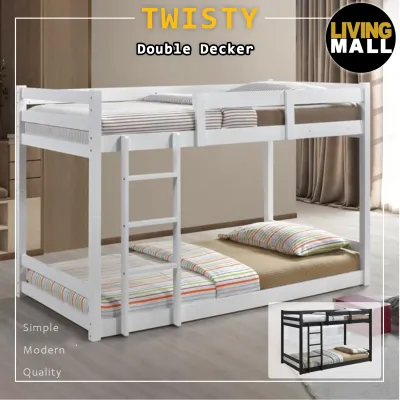

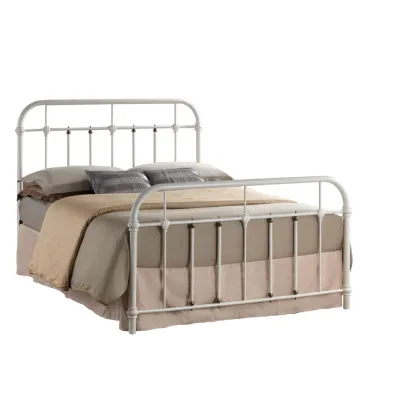

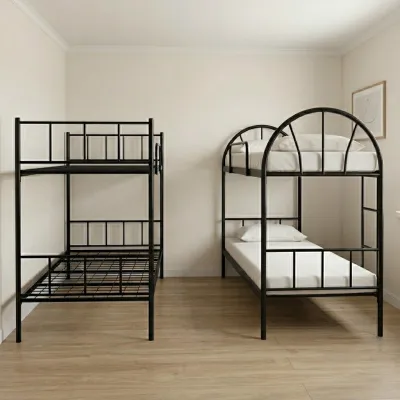
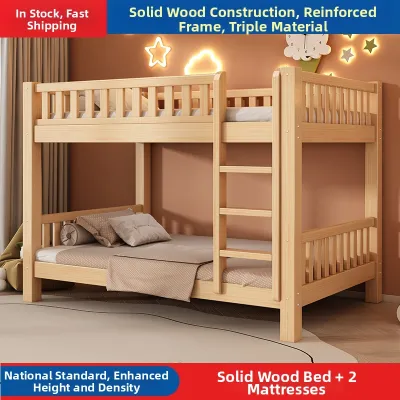
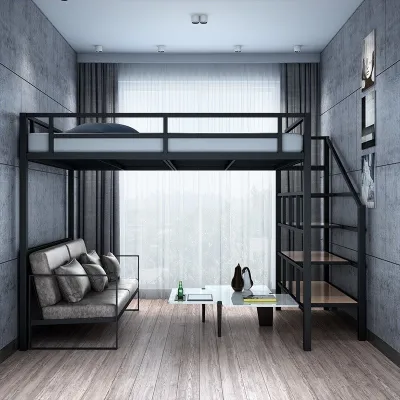
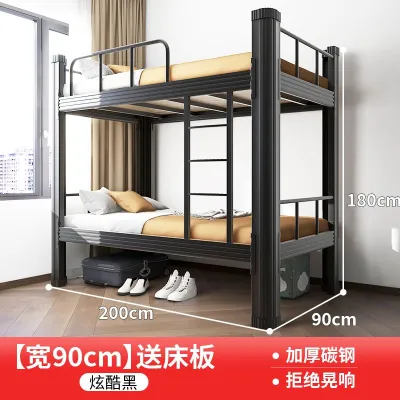
Prices are valid at publication and may change. Please refer to the product page for the latest price.
Several international standards govern bunk bed safety, and reputable products sold in Singapore typically align with one of these frameworks:
- EN 747 (European Standard): This standard specifies stringent requirements for the safety, strength, and durability of bunk beds and high beds for domestic use. It covers everything from structural stability to the size of openings and the strength of the ladder.
- ASTM F1427 (American Standard): This consumer safety specification sets down standard requirements for bunk beds, focusing heavily on minimizing hazards associated with entrapment, falls, and structural failures.
- SS 244 (Singapore Standard): Where applicable, local safety guidelines align closely with international standards to ensure furniture imported or manufactured locally meets strict safety thresholds.
Before finalizing a purchase, check the physical bed frame, packaging, or assembly manual for a permanent compliance label. This label should clearly state the manufacturer’s name, the specific standard met, and a warning against using the upper bunk for children under six years of age.
If you are viewing a display model in a retail showroom and cannot locate these markings, ask the retailer to provide the manufacturer’s official test report or compliance certificate. A reputable seller should be able to produce this documentation. If a retailer is unable or unwilling to provide verifiable proof of testing, it is safest to assume the bed has not undergone standardized safety evaluations.
Critical Structural Dimensions and Entrapment Hazards
Abstract safety standards translate directly into measurable physical dimensions on the bed frame itself. When inspecting a double decker bed in a showroom or assembling one at home, you should use a measuring tape to verify that the structure conforms to safe dimensional limits. Small deviations of just a few centimeters can make the difference between a secure sleeping environment and a serious hazard.

Guardrail Height and Mattress Clearance
Guardrails are the primary defense against falls from the top bunk, making their height and positioning critical. A safe double decker bed must have continuous guardrails installed on all four sides of the upper bunk, including the side that faces the wall. Children can easily slip into a gap between the bed and the wall if a guardrail is missing on the inner side.
To determine if the guardrail provides adequate protection, you must measure the distance from the top of the mattress to the upper edge of the guardrail. According to standard safety guidelines, this effective guardrail height must be at least 160 mm (approximately 6.3 inches). This safety margin ensures that even if a child rolls over during sleep, the barrier is tall enough to prevent them from falling over the edge.
This measurement highlights the danger of choosing a mattress that is too thick for the upper bunk. If you install a deep, plush mattress, you drastically reduce the effective height of the guardrail, rendering the safety barrier useless. Always check the manufacturer’s specified maximum mattress thickness for the top bunk—which is typically marked with a safety line on the frame—and select a low-profile mattress that preserves the required 160 mm clearance.
Gap Sizes and Entrapment Risks
Entrapment is one of the most severe hazards associated with double decker beds. If a gap on the bed frame is wide enough to let a child’s body slip through but too narrow to let their head pass, it poses an immediate risk of strangulation. Consequently, safety standards strictly regulate the size of all openings in the guardrails, headboards, footboards, and ladder rungs.
To eliminate entrapment risks, gaps must follow a strict “safe zone” rule:
- Under 75 mm (approx. 3 inches): Gaps must be small enough that a young child's torso, limbs, or head cannot enter or get wedged.
- Over 230 mm (approx. 9 inches): If there is an opening (such as the entry point to the ladder), it must be wide enough that the child's entire body and head can pass through freely without getting stuck.
Avoid any bed design with decorative cutouts, horizontal slats, or gaps that fall between 75 mm and 230 mm. During your inspection, pay close attention to the space between the bottom of the guardrail and the top of the bed base, as well as the spaces between individual slats in the headboard. Ensure all these openings are safely below the 75 mm threshold.
Ladder Stability and Access Safety
An unstable or poorly designed ladder is a frequent source of minor and major injuries. The ladder must be securely attached to the bed frame using robust, metal-on-metal fasteners. Avoid models where the ladder simply hooks over the frame without a locking mechanism, as active children can easily dislodge it during play or climbing.
When evaluating the ladder, examine the physical design of the steps:
- Step Depth and Width: Flat, wide steps provide significantly better traction and foot support than thin, rounded metal rungs, which can easily cause slips, especially when wearing socks.
- Slip Resistance: Look for textured surfaces, grooved steps, or slip-resistant grip tape applied directly to the stepping surfaces.
- Spacing: The vertical distance between steps should be uniform, typically between 250 mm and 300 mm, to ensure a natural climbing rhythm for children.
Parents often choose between integrated staircases and vertical or slanted ladders. While vertical ladders save valuable floor space in compact Singapore bedrooms, integrated staircases with handrails are inherently more stable and easier for younger children to navigate. If space permits, a staircase design with built-in storage drawers offers an excellent balance of safety and utility, provided the steps are sturdy and slip-resistant.
Material Safety, Finishes, and Edge Protection
Beyond structural dimensions, the physical materials and chemical finishes used in the construction of a double decker bed directly impact your child’s health and daily safety. Because children spend up to ten hours a day in close proximity to these materials, verifying chemical and physical surface safety is paramount.
Chemical safety centers on the paints, varnishes, and laminates applied to the frame. Children, particularly younger ones, may chew on bed rails or touch surfaces before putting their hands in their mouths. Ensure that all finishes are certified non-toxic, lead-free, and meet low-VOC (Volatile Organic Compound) standards. Look for certifications such as EN 71-3 (the European safety standard for toy safety, which limits the migration of heavy metals) or local green label certifications. These documents confirm that the bed will not release harmful chemical fumes into a closed, air-conditioned bedroom.
Physical material quality requires a hands-on inspection of the frame’s construction:
- Wooden Frames: Solid wood is highly durable, but it must be checked for quality. Inspect the frame for smooth finishes, rounded corners, and the absolute absence of splinters. Check the joints to ensure they are joined with heavy-duty dowels and metal bolts rather than simple wood screws, which can strip and loosen over time. Because Singapore's high tropical humidity can cause wood to expand and contract, look for high-quality protective sealants that prevent warping and joint splitting.
- Metal Frames: Metal beds are often lightweight and cost-effective, but they require careful inspection. Run your hands along the frame to check for sharp metal burrs, rough welds, or exposed hardware. All tubular steel or iron frames should have securely fitted plastic or rubber end caps to prevent cuts. Ensure the metal is powder-coated or treated with a rust-resistant finish to withstand humid coastal air.
Regardless of the material, all corners and edges should be rounded rather than sharp. Protruding bolts, hooks, or decorative finials must be avoided, as they can easily snag a child’s clothing, pajamas, or bedding, creating a dangerous fall or hanging hazard.
Safe Installation, Usage Boundaries, and Room Placement
Even the most strictly certified double decker bed can become unsafe if it is assembled incorrectly, placed in a hazardous location, or used inappropriately. Safety is a continuous practice that combines manufacturer standards with careful home management.
First, adhere strictly to the universal age guideline: children under the age of six should never sleep on or play on the top bunk. Younger children lack the spatial awareness, coordination, and balance required to safely navigate the height and climb the ladder, especially in the dark when waking up to use the bathroom.
When it comes to assembly, prioritize precision and follow the manufacturer’s instructions exactly:
- Check the Manual First: Always read the manufacturer's instruction manual and verify that you have all the correct parts before starting.
- Use Provided Fasteners: Never substitute missing bolts with random hardware from a local store. Standard hardware may not have the required shear strength or thread pitch.
- Tighten Correctly: Follow torque recommendations. Over-tightening can crack wooden frames or strip threads, while under-tightening leads to structural wobbling.
- Wall Anchoring: If the manufacturer provides wall-anchoring brackets, install them immediately. This is especially important for lightweight metal frames or tall, narrow designs that could tip over if a child climbs the outer frame.
Room placement requires careful spatial planning. In many Singapore homes, space is tight, and bedrooms often feature ceiling fans. You must ensure there is ample clearance between the top bunk and the ceiling, as well as any ceiling fan blades. Ideally, there should be at least 1 meter of clearance between the top of the guardrail and the ceiling. Never place a double decker bed directly under or adjacent to a ceiling fan’s sweep. Additionally, keep the bed far away from windows, air conditioning units, light fixtures, and window blinds with looped cords, which present severe strangulation risks.
Finally, establish a routine maintenance schedule. Every three to six months, perform a quick structural audit of the bed. Check that all bolts and screws remain tightly fastened, as natural wood movement and daily use can cause hardware to loosen. Inspect the ladder attachments to ensure they are rigid, and verify that the guardrails remain rock-solid without any play or wobbling.
Frequently Asked Questions (FAQ)
What is the maximum mattress thickness allowed for the top bunk?
To maintain safe fall protection, the mattress on the top bunk must not exceed the maximum thickness specified by the manufacturer. Typically, this limit is between 10 cm and 15 cm (approximately 4 to 6 inches). Using a thicker mattress reduces the effective height of the guardrail, making it easier for a child to accidentally roll over the safety barrier. Always check the bed’s warning label or instruction manual for the exact maximum limit, and choose a low-profile mattress specifically designed for bunk beds.
Are metal double decker beds safer than wooden ones?
Neither material is inherently safer than the other; both can be exceptionally safe if they comply with recognized structural standards like EN 747 or ASTM F1427. Wooden beds offer excellent weight distribution and solid, heavy frames, but they require monitoring for splinters, joint cracking, and hardware loosening caused by humidity changes. Metal beds are highly durable and easy to clean, but they require careful inspection of joint weld integrity, rust prevention, and ensuring there are no sharp burrs or exposed hardware. Choose the material that best fits your maintenance preferences, and verify safety compliance regardless of the material.
Community discussion
Share your experience or ask a question. Comments are reviewed before publication.