
Selecting a children’s single bed in Singapore requires balancing space efficiency with rigorous safety considerations. Because Singapore imports furniture from various global markets, there is no single local certification that covers every product on the retail market. Instead, ensuring a child’s safety relies on verifying that a bed meets recognized international safety standards, such as European (EN) or American (ASTM) specifications, and conducting thorough physical inspections. Parents must look beyond aesthetic appeal to evaluate structural integrity, chemical safety, and proper installation practices to create a secure sleeping environment.
Evaluating these factors is especially important in Singapore’s unique living environment. High-rise apartments often feature compact bedrooms where bed placement relative to windows, air conditioners, and other furniture can impact safety. Additionally, the tropical climate can affect certain materials over time, making structural stability and non-toxic finishes even more critical. By taking a systematic approach to safety verification, you can select a single bed that provides a secure, comfortable, and healthy space for your child to rest.
Navigating Safety Labels and Compliance Documentation
When shopping for a children’s single bed, the first line of defense is verifying the manufacturer’s compliance documentation. Many retailers advertise products as “child-safe” or “non-toxic,” but these marketing terms lack weight without formal testing verification. Buyers should proactively ask retailers for official compliance certificates, test reports, or declarations of conformity. For children’s furniture, look for documentation referencing established standards such as EN 1725 for domestic beds and mattresses, or relevant ASTM standards for youth furniture. These documents prove that the bed frame has undergone mechanical testing for strength, durability, and stability.
Products mentioned in this guide
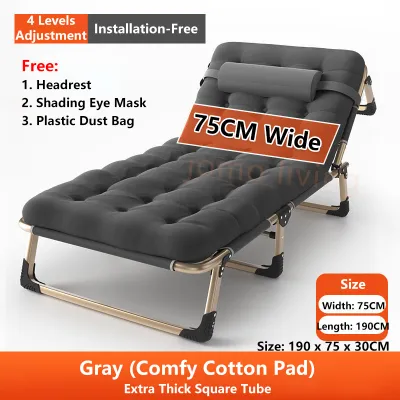
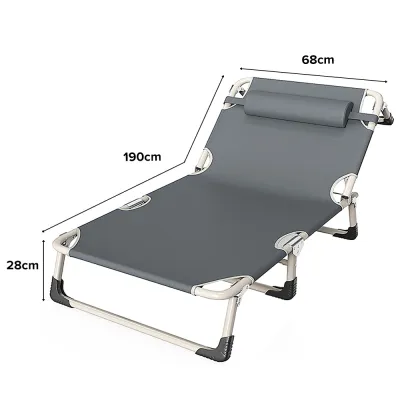
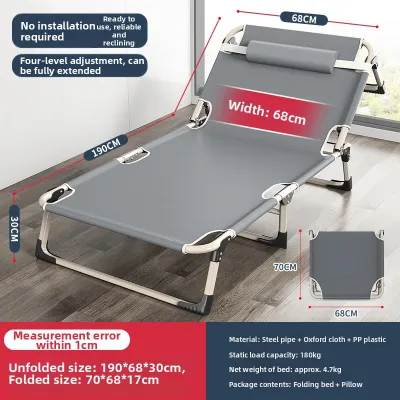
![[SG SELLER] Multi-Position Strong Foldable Bed Adjustable Back Modern Sleeping Portable Mattress Recliner Bed Backrest](https://img.lazcdn.com/g/p/46060abfe3a467bc022c6f2d1b428a63.jpg_400x400q80.jpg_.webp)
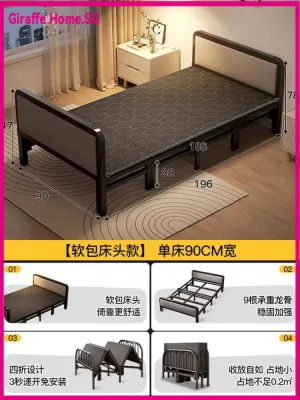

Prices are valid at publication and may change. Please refer to the product page for the latest price.
In addition to asking for certificates, inspect the physical product, packaging, or user manual for recognized safety marks. Look for labels indicating compliance with international testing bodies. When reviewing these marks, verify that the certification is not just a general brand claim but is specific to the exact model, manufacturer, and production batch of the bed you are purchasing. Discrepancies in model numbers or manufacturing dates can indicate that a newer iteration of the bed has not undergone the same rigorous testing as previous versions.
For imported furniture common in Singapore, check if the documentation has been translated or verified by an independent third-party testing laboratory. If a retailer cannot or will not provide clear, matching compliance documentation for a specific model, it is best to look for alternative options where safety claims are fully transparent and verifiable. Relying on unverified verbal assurances is a risk that can easily be avoided by insisting on official paperwork.
Essential Physical Safety Checks for the Bed Frame
A physical inspection of the bed frame is crucial to identify potential hazards that paper certificates might miss. Entrapment is one of the most significant risks associated with children’s beds, particularly for younger children who may slide into gaps. To prevent limb, head, or neck entrapment, measure the gaps between the guardrails, the slats, and the mattress. Safety guidelines generally recommend that gaps between vertical guardrail slats should be narrow enough to prevent a child’s head or torso from passing through, typically measuring less than 60 millimeters. Conversely, if there are larger openings, they must be wide enough—usually exceeding 230 millimeters—to ensure a child’s head cannot become wedged if they slip through feet-first.

Next, run your hands along all surfaces of the bed frame to check for smooth, rounded edges. Children’s furniture should feature radiused corners rather than sharp, 90-degree angles to minimize the risk of injury during active play or accidental falls. Inspect the hardware thoroughly; there must be no protruding screws, bolts, or brackets that could catch on a child’s clothing or scratch their skin. All fasteners should be recessed or covered with secure, flush-fitting caps that cannot be easily pried off by curious fingers.
Sturdiness is another critical factor, especially in Singapore’s humid climate, which can cause wood to expand or contract, potentially loosening joints over time. Test the frame by applying firm pressure from different angles to check for wobbling, creaking, or lateral movement. If the bed features adjustable heights, trundles, or foldable parts, test the locking mechanisms repeatedly. These mechanisms must lock securely into place and require a deliberate, multi-step action to disengage, ensuring they cannot be accidentally triggered by a child.
Material and Finish Safety Considerations
The chemical composition of the bed’s materials and finishes directly impacts indoor air quality and your child’s health. Many furniture items release volatile organic compounds (VOCs) into the air, which can accumulate in enclosed, air-conditioned bedrooms typical of Singaporean homes. To mitigate this risk, look for manufacturer labels or documentation indicating low-VOC, non-toxic, or lead-free finishes. Certifications such as Greenguard Gold or compliance with EN 71-3 (the European standard for safety of toys, which includes migration of certain elements from coatings) provide assurance that the paints, varnishes, and adhesives used do not contain harmful levels of heavy metals or chemical emissions.
Upon unboxing the bed, conduct a sensory check. A strong, pungent chemical odor is a common indicator of off-gassing finishes or adhesives. If you detect a strong smell, do not immediately place the bed in your child’s room. Instead, assemble and leave the bed in a well-ventilated space, such as a room with open windows and active fan circulation, for several days until the odor completely dissipates. This ventilation period is particularly important in humid climates where heat and moisture can accelerate the release of chemical vapors.
Finally, consider the safety of the mattress support system and the materials used in the mattress itself. Ensure the mattress meets basic fire retardancy standards as specified by the manufacturer’s labeling. The materials should be breathable and free from hazardous chemical treatments. Verify that the mattress support slats are made of solid, high-quality wood or metal that will not sag or splinter, as a failing support system can compromise both the mattress and the child’s safety.
Assembly, Placement, and Ongoing Maintenance
Safe usage of a children’s single bed depends heavily on correct assembly and strategic room placement. When assembling the bed, strictly follow the manufacturer’s step-by-step instructions. Never substitute provided hardware with random screws or brackets from a home toolbox, as the manufacturer’s fasteners are specifically engineered to handle the load and stress points of that particular frame. If a step is unclear, contact the retailer or manufacturer for clarification rather than guessing.
Room placement requires careful planning, especially in compact Singapore bedrooms. Position the bed away from windows, curtain cords, electrical outlets, and wall-mounted air conditioning units to prevent strangulation or fall hazards. If the single bed design includes integrated tall headboards, bookshelves, or attached storage units, assess the need for anti-tip anchoring. Tall or top-heavy furniture can easily tip over if a child attempts to climb it. Securely anchor these units to the wall using appropriate brackets and wall plugs suitable for your wall type, such as concrete anchors for typical HDB masonry walls.
Safety does not end once the bed is assembled. Establish a routine maintenance schedule to inspect the bed every few months. Check and tighten all screws, bolts, and joint connectors, as regular use and natural wood movement can cause hardware to back out. Run your hands along the frame to check for new wood splinters or cracks that may have developed due to humidity changes or active use. Address any structural loosening immediately to ensure the bed remains a safe, stable sanctuary for your child.
Frequently Asked Questions (FAQ)
At what age is it safe to transition a child to a standard single bed?
The transition from a crib or toddler bed to a standard single bed is determined by a child’s physical and developmental readiness rather than a strict age limit. Common signs of readiness include a child consistently attempting to climb out of their crib, or physically outgrowing their current sleeping space so that their head or feet touch the ends. If you decide to transition your child while they are still young or prone to rolling during sleep, ensure the new single bed is equipped with securely attached, manufacturer-approved guardrails on both open sides to prevent accidental falls.
Do bunk beds require different safety checks compared to single beds?
Yes, bunk beds introduce unique safety risks due to their elevated sleeping surfaces and require much stricter checks than standard floor-level single beds. For bunk beds, you must verify that guardrails are installed on all sides of the top bunk, with the gap between the guardrail and the mattress kept to a minimum. The ladder must be structurally sound, securely attached to the frame, and free of slips or loose rungs. Additionally, ensure there is adequate ceiling clearance in your room so the child can sit up comfortably without risk of head injury, and strictly adhere to the manufacturer’s age and weight limits, which typically restrict the top bunk to children aged six and older.
How can I ensure the mattress fits the single bed frame safely?
To prevent dangerous entrapment and suffocation hazards, the mattress must fit the bed frame snugly. You can perform a simple gap check: slide the mattress to one side of the frame and measure the remaining gap on the opposite side. This gap should be minimal—ideally less than 30 millimeters—to prevent a child’s limbs from slipping down and getting stuck. Never attempt to fill large, unsafe gaps by stuffing them with multiple smaller mattresses, pillows, or thick, unsecured foam padding, as these temporary solutions can shift and create even greater suffocation risks.
Community discussion
Share your experience or ask a question. Comments are reviewed before publication.