
Foldable kids’ beds offer an excellent space-saving solution for modern homes, especially in space-constrained apartments where bedrooms serve multiple purposes. However, because these beds feature moving parts and collapsible frames, verifying their structural integrity and safety certifications is essential before bringing one into your home. Ensuring a bed meets established safety standards protects your child from accidental collapses, entrapment, and falls, giving you peace of mind.
While the convenience of a folding bed is undeniable for hosting guests or maximizing play space during the day, safety must always take precedence over ease of use. Parents must take an active role in evaluating the physical design and official credentials of any foldable furniture intended for children. By understanding what structural features to look for and how to verify safety claims, you can make an informed decision that keeps your child secure.
Identifying Structural Safety Requirements
The moving parts that make a bed foldable also introduce unique physical risks that standard stationary beds do not have. When evaluating a foldable kids’ bed, the design of the hinges and folding mechanisms must be your primary focus. Look for mechanisms that feature built-in safety locks or protective housing covers that prevent small fingers from getting caught in pivot points during operation. The folding action should require a deliberate, multi-step physical release rather than a simple push, ensuring the bed cannot collapse accidentally if a child bumps into it while playing.
Products mentioned in this guide
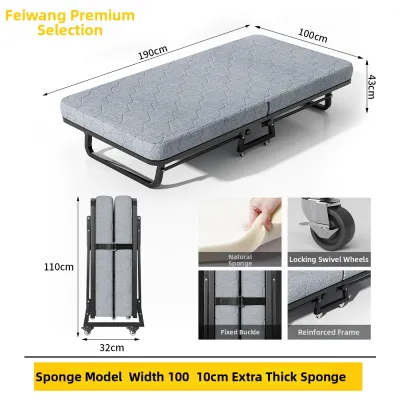
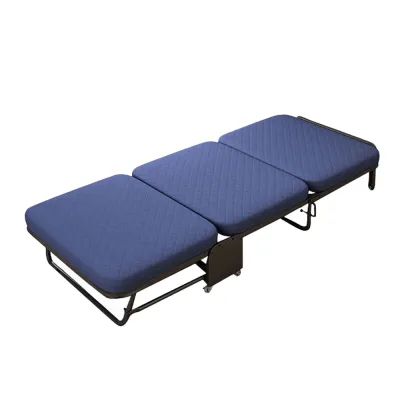

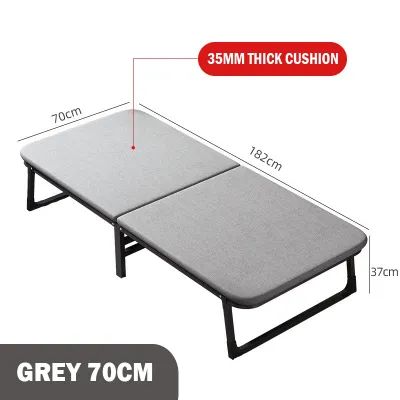
Prices are valid at publication and may change. Please refer to the product page for the latest price.
Guardrails are another critical structural component, particularly for elevated or transition beds. To prevent falls, guardrails must extend a safe distance above the top of the mattress, and any gaps between the vertical slats must be narrow enough to prevent a child’s head or limbs from becoming trapped. Standard safety practices suggest checking that these gaps are small enough to block a small sphere from passing through, minimizing the risk of entrapment. Additionally, remember that the effective height of the guardrail decreases as mattress thickness increases, so always calculate the remaining barrier height with your chosen mattress in place.
The interface between the mattress and the bed frame must be completely seamless to prevent dangerous gaps. A mattress that is too small for the foldable frame creates spaces along the sides or ends where a child could slip and become wedged. Always verify the manufacturer’s specified mattress dimensions for the specific bed frame model, ensuring a snug fit with no significant clearance space around the perimeter. The support base, whether made of wooden slats or a fabric deck, must also remain taut and securely attached to prevent the mattress from sagging or shifting.
How to Verify Official Safety Certifications
Relying solely on marketing claims on an online marketplace is not enough to guarantee a foldable bed is safe for your child. To verify actual compliance, start by examining the physical product labels, the user manual, and the manufacturer’s official documentation. Legitimate manufacturers permanently affix safety labels and compliance marks directly to the bed frame, detailing the specific standards the product has met.

Understanding the distinction between mandatory local regulatory compliance marks and voluntary third-party certifications helps you assess a product’s testing rigor. In many regions, consumer goods must carry specific regulatory marks indicating they meet basic national safety laws before they can be sold. Voluntary certifications from independent testing bodies often indicate that the product has undergone additional, stringent mechanical testing for durability, stability, and chemical safety, such as testing for lead-free finishes and non-toxic materials.
When shopping, look for references to recognized international standards, such as ASTM standards for toddler beds or EN standards for children’s furniture. If a product description claims compliance but lacks a specific standard number, treat this as a red flag. A reputable manufacturer will clearly state which standard the bed was tested against, allowing you to verify the claim independently.
Before finalizing your purchase, do not hesitate to ask the retailer or brand for a copy of the official certificate of conformity or the laboratory test report. A reputable seller should readily provide these documents, which should match the specific model number of the bed you are buying. When reviewing these reports, check that the testing was conducted by an accredited, independent laboratory, that the certification remains active, and that the report covers structural stability and mechanical safety.
Essential Physical Inspections Before and After Setup
Once the foldable bed is delivered, conducting a thorough physical inspection during and after assembly is crucial to ensure it functions safely in your specific home environment. Begin by testing the locking mechanisms repeatedly to confirm they engage fully and securely without slipping. Shake the assembled frame gently to assess its overall rigidity and ensure it sits completely level on your floor surface, without wobbling or tilting under uneven weight.
Next, run your hands along every accessible surface of the bed frame to check for sharp edges, exposed screws, or rough wooden splinters that could cause scratches. Inspect the hardware closely to ensure no small washers, caps, or decorative parts are loose or easily detachable, as these present immediate choking hazards for younger children. Ensure that all assembly steps in the manual are followed precisely, without skipping any structural support pins or stabilizing bars.
The placement of the bed within the room also plays a major role in ongoing safety. Position the foldable bed away from windows, curtain cords, electrical outlets, and other tall furniture to prevent climbing hazards or accidental strangulation risks. Ensure there is sufficient clearance around the bed so that when it is unfolded, it does not press against walls or doors, which could create dangerous pinch points or block emergency exit paths.
Consider the type of flooring in your child’s room when setting up the bed. Hardwood or tiled floors may require non-slip rubber pads on the bed’s legs to prevent the frame from sliding when your child gets in or out. If placing the bed on a thick carpet, double-check that the folding legs deploy fully and lock into place without being obstructed by the carpet fibers.
Usage Boundaries and Maintenance for Ongoing Safety
Maintaining the safety of a foldable kids’ bed requires strict adherence to the manufacturer’s operational boundaries over time. Every foldable bed is engineered with specific limits regarding the user’s age, weight, and height to prevent structural fatigue. Exceeding these limits can compromise the joints and locking mechanisms, leading to sudden structural failure even during normal use.
Establish a routine maintenance schedule to inspect the bed’s structural integrity at least once a month. Check all connection points, tighten any screws that may have loosened from daily movement, and inspect the hinges for signs of metal fatigue, rust, or wear. If the bed features fabric components or tension straps, look closely for tearing, fraying, or weakened seams that could compromise support, especially in humid climates where materials can degrade faster.
Educating your child on proper bed usage is just as important as physical maintenance. Ensure they understand that a foldable bed is not a trampoline; jumping on the frame puts immense dynamic pressure on the folding joints, which can cause them to bend or snap. Teach them to keep their hands away from the folding joints and to never attempt to fold or unfold the bed without adult supervision.
If you notice any bent metal parts, cracked wooden slats, or a locking mechanism that no longer clicks securely into place, discontinue use immediately. Do not attempt to patch the bed with temporary home fixes or unauthorized spare parts. Instead, keep the bed folded and stored away until you can consult the manufacturer or a qualified furniture repair professional for guidance.
Frequently Asked Questions (FAQ)
Are foldable beds safe for toddlers to use every night?
Foldable beds are generally designed for occasional use, such as travel or temporary guest hosting, rather than daily sleep. The structural joints and folding mechanisms are subject to continuous wear and tear when used every night, which can accelerate mechanical fatigue. For daily use, a standard stationary bed frame provides superior, consistent support and eliminates the risks associated with moving parts. Always check the manufacturer’s guidelines to see if the specific model is rated for everyday use.
What should I do if the folding mechanism gets stuck or fails to lock?
If the folding mechanism becomes stiff, stuck, or fails to lock securely, stop using the bed immediately and do not force the frame. Forcing the mechanism can bend the metal components, strip the screws, or cause a sudden collapse. Avoid applying household lubricants or oils unless specifically recommended in the user manual, as these can attract dust and further clog the locking joints. Contact the manufacturer’s customer service or a qualified professional to inspect or repair the mechanism.
Community discussion
Share your experience or ask a question. Comments are reviewed before publication.