
Moving heavy wardrobes, solid wood dining tables, or bulky sofas across your home can be a daunting task, especially when you want to protect your beautiful floors from permanent damage. Using a dedicated furniture mover is the most effective way to protect your floors, as it significantly reduces friction, distributes weight evenly, and acts as a protective barrier between heavy furniture legs and delicate surfaces. By choosing the right type of slider and executing the move with proper physical techniques, you can rearrange your living space safely and effortlessly without leaving a single scratch behind.
In Singapore, where residential flooring often features high-end finishes like polished parquet, engineered timber, luxury vinyl planks, or large-format homogeneous tiles, a single deep scratch can be incredibly costly to repair. Understanding how to prepare your space, select the correct moving accessories, and execute the physical move safely is key to protecting both your home and your physical health.
Assess Your Floor Type and Furniture Weight Before Moving
Before you attempt to slide any heavy item across your room, you must thoroughly inspect the condition of your flooring. In Singapore’s tropical climate, high humidity levels can sometimes compromise flooring adhesives over time, particularly under solid timber or parquet blocks. Walk along the planned moving path and look closely for any signs of lifting, loose parquet pieces, warped vinyl planks, or cracked tiles. If you encounter loose or damaged flooring, sliding heavy items over these areas can catch the edges, causing extensive damage to both the floor and the furniture.
Products mentioned in this guide
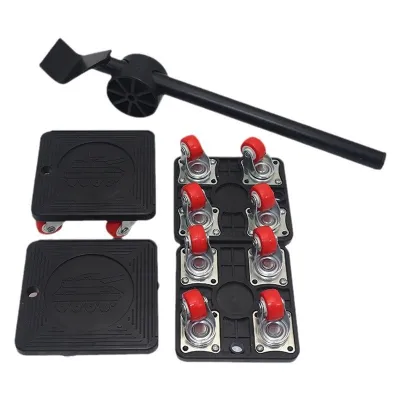
![[SG Stock] New Furniture Mover Tools Set Object Transport Lifter Stuff Carrying Glider Tool with 360 Degrees Rotating Wheels Effort-saving Heavy Furniture Moving Tools Set CNY Gift Present](https://img.lazcdn.com/g/p/0dd9b3ede0963be9593c45c12bd636a8.jpg_400x400q80.jpg_.webp)
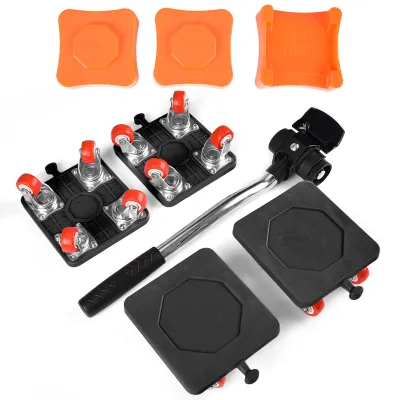
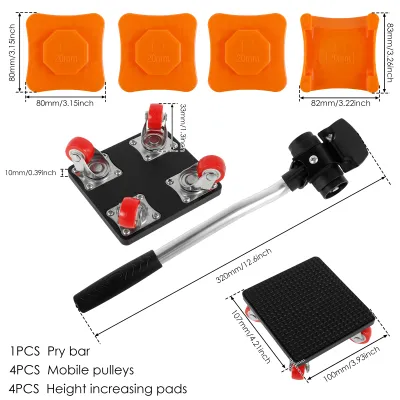
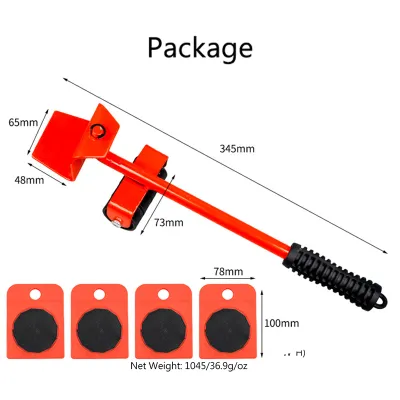
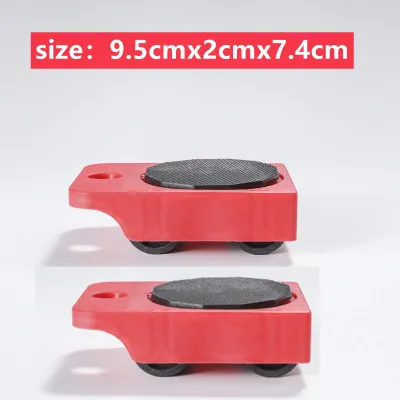
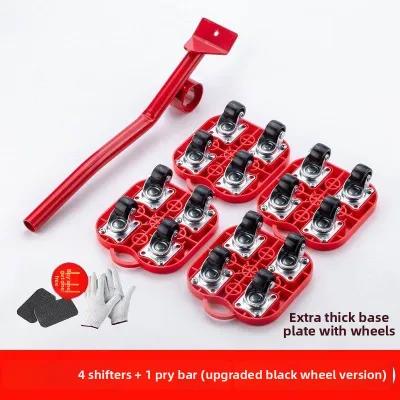
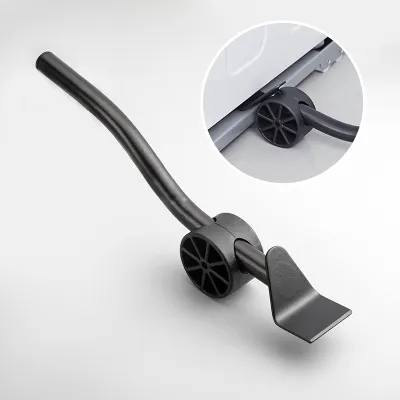
Prices are valid at publication and may change. Please refer to the product page for the latest price.
Next, evaluate the physical characteristics of the furniture you intend to move. Take note of the weight distribution, the shape of the base, and the material of the legs. Furniture with sharp metal legs, narrow wooden posts, or worn-out plastic glides concentrates immense pressure on very small surface areas, making them highly prone to gouging floors. Conversely, flat-bottomed items like heavy sideboards or bookcases distribute weight over a larger area but require sliders that can accommodate their continuous bases without slipping out of place.
Finally, establish an honest baseline of what you can safely handle yourself. If an item of furniture is exceptionally heavy, awkwardly shaped, or if you cannot comfortably lift one corner to place a slider, do not attempt a DIY move. Attempting to slide items that exceed your physical capacity can lead to serious personal injury or severe structural damage to your home. In such cases, engaging professional movers who have specialized lifting equipment and transit insurance is the safest course of action.
Match Your Furniture Mover to the Floor Surface
Selecting the correct material for your furniture mover is the single most important decision you will make to ensure a scratch-free move. Sliders are engineered specifically for either hard surfaces or carpeted floors, and using the wrong type can cause immediate, severe damage to your home.

Sliders for Hard Surfaces (Wood, Tile, Laminate)
For hard flooring surfaces such as parquet, engineered timber, laminate, vinyl, and marble, you must use sliders with a soft, non-abrasive bottom layer, typically made of dense compressed felt. The felt backing acts as a cushion, compressing slightly under the weight of the furniture to grip the legs while providing a smooth, low-friction gliding surface that sweeps across the floor.
Never use hard plastic sliders on hard floors. Hard plastic does not compress, meaning that if even a single tiny grain of sand or grit becomes trapped beneath the slider, the plastic will press it directly into the floor finish under hundreds of kilograms of pressure, dragging it along to create deep, permanent scratches. Felt-bottomed sliders, on the other hand, allow small particles to sink slightly into the soft fibers, reducing the risk of abrasive scratching.
Sliders for Carpeted Floors
If you are moving furniture across carpeted rooms or large area rugs, you must use sliders made of hard, smooth plastic. The rigid plastic shell is designed with curved edges that allow the heavy furniture to glide over carpet fibers and underlay without catching, snagging, or digging into the carpet pile.
Using felt sliders on carpeted surfaces is highly ineffective and dangerous. The high friction between felt and carpet fibers will cause the sliders to grip the carpet tightly, making the furniture nearly impossible to push. If you attempt to force the movement, the felt pads will likely fold over, slip out from under the furniture legs, or tear the carpet fibers, potentially causing the heavy item to tip over.
Clear the Path and Lighten the Load
Preparation is the foundation of a safe, successful furniture move. Before placing a single slider, you must lighten the furniture as much as possible to reduce the physical strain on your body and lower the pressure exerted on your floors. Empty all drawers, remove internal shelves, take out books, and detach any removable components such as glass doors, table leaves, or heavy cushions. This simple step can easily reduce the total weight of an item by thirty to fifty percent, making the entire process significantly safer.
Next, carefully measure the entire transit path to ensure a seamless journey. In many Singapore apartments and condominiums, hallways can be narrow, and doorways or lift entrances often have tight clearance margins. Measure the height, width, and depth of the furniture, and compare these dimensions against every doorway, corridor corner, and light fixture along your route. Planning your path in advance prevents the dangerous scenario of getting stuck mid-move, which often leads to dropped furniture and gouged walls or floors.
Finally, clean the entire moving path meticulously. Sweep and vacuum the floor to remove all traces of dust, sand, hair, or small debris. In tropical environments, fine sand and grit easily find their way indoors through open windows and footwear. If any of these abrasive particles get trapped beneath your sliders, they will act exactly like sandpaper, scratching your pristine floors as you move the heavy item. A spotless floor is your best defense against accidental scratches.
Step-by-Step: Placing Sliders and Moving the Furniture
Once your path is clear and your sliders are ready, you can proceed with the physical move. Following a structured, step-by-step process ensures that you maintain complete control over the heavy item at all times.
Lifting and Positioning the Sliders Safely
To position your sliders without straining your body, always prioritize proper lifting mechanics. Stand close to the furniture, bend your knees deeply, keep your back straight, and lift using the strength of your legs rather than bending at your waist. Tilt the furniture slightly to one side to lift one or two legs off the ground, and have a helper place the sliders directly underneath.
- Center the load: Ensure that each furniture leg or corner sits perfectly in the center of the slider's top grip pad. Most high-quality sliders feature a textured rubber or foam top surface designed to prevent the furniture from sliding off the pad during transit.
- Continuous bases: For heavy items with flat, continuous bases like sofas or solid sideboards, place a slider under each of the four main corners. For exceptionally long or heavy items, place additional sliders at the mid-points of the base to distribute the weight evenly and prevent the center from sagging or scraping the floor.
- Double-check alignment: Before applying any lateral force, gently rock the furniture to verify that all sliders are securely seated and that no part of the raw furniture frame is in direct contact with the floor.
Pushing vs. Pulling: The Right Moving Technique
When it comes to moving heavy objects, pushing is always superior to pulling. Pushing allows you to utilize your body weight and leg power efficiently while keeping your spine in a safe, neutral position. It also ensures that you are looking in the direction of travel, giving you a clear view of the floor ahead so you can spot any missed debris or obstacles.
To push effectively, stand behind the furniture, place your hands at a mid-to-low level on the item’s sturdy structural frame, and adopt a wide, stable stance. Keep your center of gravity low and apply slow, steady, and even pressure. Avoid sudden, jerky movements or explosive pushes, which can cause the sliders to dislodge, tilt the furniture dangerously, or tear delicate floor finishes. If the furniture starts to resist or if a slider begins to tilt, stop immediately, reset your position, and realign the pads before continuing.
Common Mistakes and When to Call for Help
Even with the right tools, simple mistakes can quickly lead to damaged floors or painful injuries. One of the most common errors is moving too fast; rushing reduces your reaction time, making it difficult to stop if a slider slips out or if the furniture begins to tilt. Another frequent mistake is failing to clean the sliders themselves before use, as older sliders often have embedded grit from previous moves that can scratch your floors.
To protect your home and yourself, establish strict stop conditions during the move. If you experience any of the following situations, halt the operation immediately:
- The furniture tilts or wobbles dangerously.
- A slider slips out from under a leg or corner.
- You feel excessive resistance or the furniture refuses to glide smoothly.
- You hear cracking, scraping, or splintering sounds from the floor.
If you encounter these warning signs, do not attempt to force the movement. Extremely heavy, highly valuable, or unbalanced items—such as grand pianos, heavy home safes, antique solid-wood cabinets, or large glass display cases—should never be moved using basic DIY sliders. For these specialty items, always consult professional movers who possess the training, heavy-duty dollies, and specialized straps required to transport heavy loads safely.
Inspect the Floor and Maintain Your Sliders
After successfully moving your furniture to its new location, carefully lift each corner using the same safe lifting techniques to remove the sliders. Do not leave temporary moving sliders under heavy furniture permanently, as the foam or rubber tops can degrade over time, and trapped moisture can damage wood finishes. Replace them with permanent felt pads designed for long-term furniture placement.
Take a few moments to inspect both the newly cleared area and the new furniture layout. Look closely for any hidden indentations, minor scuffs, or displaced floor tiles. Catching any floor issues early allows you to address them before they worsen or become permanent eyesores.
Finally, clean and maintain your sliders before storing them away for future use. Felt sliders tend to collect dust, lint, pet hair, and grit during a move; clean them thoroughly using a stiff brush or a lint roller. For plastic sliders, wipe the smooth bottom surface with a damp microfiber cloth to remove any dirt or residue. Store your clean sliders in a dry, dust-free container to ensure they remain in perfect condition, ready to protect your floors during your next home reorganization project.
Frequently Asked Questions (FAQ)
Can I use furniture sliders on uneven or heavily textured tiles?
Using standard furniture sliders on highly textured tiles, natural stone with deep clefts, or floors with wide, deep grout lines is not recommended. The edges of the sliders can easily catch on these uneven transitions, causing the slider to tear, slip out from under the furniture, or cause the heavy item to tilt dangerously. For heavily textured or uneven tiled floors, it is much safer to use a heavy-duty furniture dolly with large, soft rubber wheels, or to lift the item completely off the ground with the help of multiple people.
Do I need a helper when using furniture movers for heavy appliances?
Yes, you should always work with a helper when moving heavy appliances like refrigerators, washing machines, or dryers. While sliders greatly reduce the friction between the appliance and the floor, these items remain exceptionally top-heavy and difficult to balance. A second person is essential to help stabilize the appliance, guide its path, ensure the sliders do not slip out of position, and watch for any potential obstacles or wall clearances as you move the item.
Community discussion
Share your experience or ask a question. Comments are reviewed before publication.