
Moving heavy wardrobes, sideboards, or sofas across your home can easily result in deep scratches on delicate parquet, polished marble, or modern vinyl flooring. Using a furniture mover tool—commonly known as a furniture slider—provides a low-friction barrier that allows heavy items to glide smoothly across the room. To use them successfully, you must match the slider material to your specific floor type, clear the path of any abrasive grit, and position the pads securely under each weight-bearing point. This simple accessory minimizes physical strain and keeps your floors pristine during a layout refresh or a major move.
Prepare Your Space and Furniture Before Moving
Before sliding any heavy object, you must prepare the surrounding environment to prevent accidents. Start by clearing the entire path of travel. Remove loose rugs, floor mats, electrical cords, and any small household items that could get caught under the furniture or trip you up as you push. In typical apartments where space can be tight, planning a clear, unobstructed route through hallways and doorways is essential for a seamless transition.
Next, lighten the load as much as possible. Emptying the furniture completely is a critical step that many overlook. Remove books from bookshelves, clothes from wardrobes, and items from drawers. If the drawers themselves are heavy or loose, slide them out entirely and move them separately. Reducing the overall weight makes the furniture much easier to control, reduces the pressure exerted on the sliders, and minimizes the risk of the piece tipping over during the slide.
Products mentioned in this guide
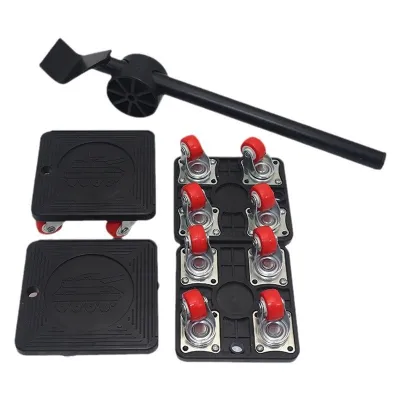
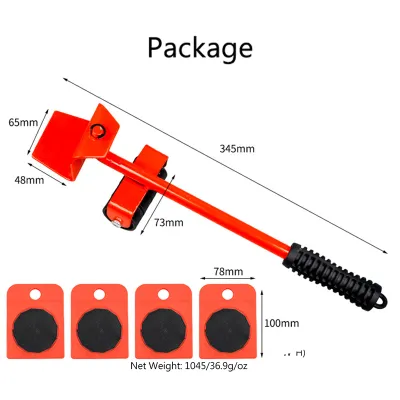
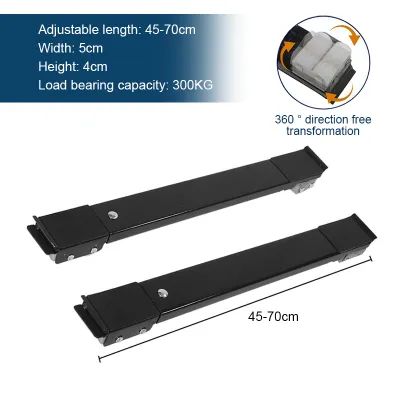
![[SG Stock] New Furniture Mover Tools Set Object Transport Lifter Stuff Carrying Glider Tool with 360 Degrees Rotating Wheels Effort-saving Heavy Furniture Moving Tools Set CNY Gift Present](https://img.lazcdn.com/g/p/0dd9b3ede0963be9593c45c12bd636a8.jpg_400x400q80.jpg_.webp)
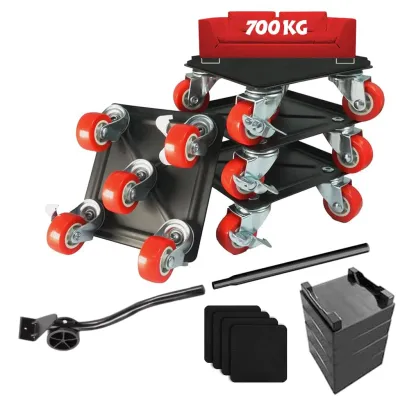
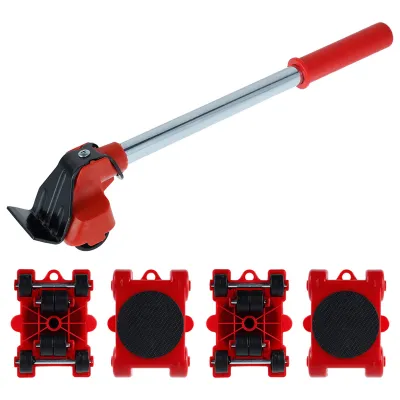
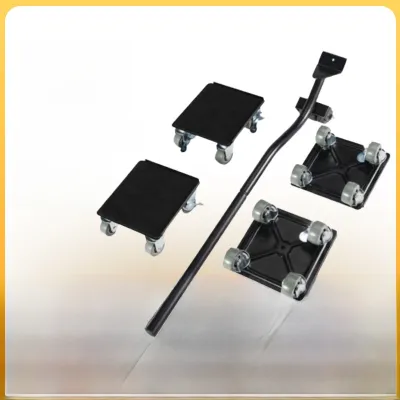
Prices are valid at publication and may change. Please refer to the product page for the latest price.
The final preparation step is cleaning both the floor and the bottom of the furniture legs. Even tiny particles of sand, dust, or grit can act like sandpaper when trapped under a heavy object, leaving permanent scratches on your flooring. Sweep and mop the floor thoroughly along the entire moving path, allowing it to dry completely. Then, wipe down the bottom of each furniture leg or base to ensure no abrasive debris is transferred to your sliders.
Match the Furniture Mover Tool to Your Floor Type
Using the wrong type of slider can cause immediate damage to your floors, so it is vital to select the correct material for your specific surface. Check the manufacturer labels and instructions on your furniture mover tool to confirm compatibility. Hard floors—such as hardwood, parquet, laminate, luxury vinyl tiles, or polished marble—require sliders with a soft, non-abrasive outer layer, typically made of thick felt or soft microfiber. These soft materials cushion the contact point and glide smoothly without scuffing hard surfaces.

Conversely, carpeted floors require a completely different type of slider. For carpets and rugs, choose sliders with a hard, smooth plastic bottom. The slick plastic surface reduces friction against the carpet fibers, allowing the heavy item to slide effortlessly. Using a felt slider on carpet will only create high friction, causing the pad to bunch up or slip out, while using a hard plastic slider on a polished marble or timber floor can leave deep, irreversible gouges.
Before placing any slider under your furniture, inspect its surface carefully. Check for any embedded grit, wear, or hard particles that might have accumulated during previous uses. If a felt pad feels rough or has trapped dirt, clean it or replace it entirely. Additionally, verify the weight capacity of your chosen sliders by checking the product packaging. Ensure the combined capacity of the pads can comfortably support the estimated weight of your sideboard, piano, or bed frame to prevent the pads from crushing or cracking under pressure.
Step-by-Step Guide to Placing Furniture Sliders
Placing the sliders under heavy furniture requires careful physical coordination to avoid personal injury or damage to the item. Never attempt to lift a heavy piece of furniture entirely on your own; always enlist a helper to assist with tilting and positioning. When lifting, practice proper ergonomics by bending your knees, keeping your feet shoulder-width apart, and maintaining a straight back. Use your leg muscles rather than your lower back to lift, and keep the furniture close to your body.
Have your helper stand on one side of the furniture piece while you prepare to place the sliders. Gently tilt the furniture slightly to one side, lifting the legs on the opposite side just a few centimeters off the ground. Slide a mover pad directly under each raised leg or corner. It is crucial to center the leg perfectly on the slider’s padded top surface. Centering ensures that the weight is distributed evenly across the pad, preventing the leg from slipping off the edge once pressure is applied.
Gently lower the furniture back down onto the newly placed sliders. Move to the other side of the furniture piece and repeat the tilting process to place the remaining sliders under the other legs. For long or exceptionally heavy items like large sofas or multi-section wardrobes, you may need to place additional sliders under central support legs to prevent the frame from sagging or bowing during the move.
Once all sliders are in position, take a moment to inspect the stability of the furniture. Give the piece a gentle nudge to ensure that every leg is securely seated in the center of its respective pad. The furniture should sit level and feel stable. If any slider looks tilted, crooked, or partially squeezed out, lift that corner again and reposition the pad before attempting to slide the item across the room.
Safe Sliding Techniques to Protect Your Floors
With the sliders securely in place, you can begin moving the furniture. The key to a safe move is pushing from the lowest stable point of the furniture piece. Avoid pushing from the top or middle of a tall wardrobe or bookcase, as this creates high leverage that can cause the furniture to tip forward or force the front sliders to dig hard into the floor. Instead, place your hands low on the frame, near the base, and apply steady, forward pressure.
Maintain a slow, controlled, and steady pace as you guide the furniture along your cleared path. Avoid sudden jerks, rapid acceleration, or sharp, abrupt turns, which can cause the sliders to slip out from under the legs. If you need to change direction, do so gradually by steering the furniture in a wide, gentle arc. This keeps the downward force centered on the pads and prevents the edges of the furniture legs from making direct contact with your flooring.
As you move, pay close attention to the sounds and physical feedback of the slide. If you hear any scraping, grinding, or unusual squeaking noises, or if you feel sudden resistance, stop pushing immediately. A scraping sound often indicates that a slider has slipped out, or that a piece of grit has become trapped underneath. Pause, inspect the underside of the furniture, clear any debris, adjust the slider placement, and only resume moving once you are certain the floor is fully protected.
Remove Sliders and Inspect the Floor
Once your furniture has reached its new destination, you must remove the sliders safely. Just as you did during the installation process, tilt the furniture gently to one side with the help of a partner. Carefully slide out the mover tools from under the raised legs. Avoid dropping the furniture legs abruptly onto the bare floor, as the sudden impact can dent wood, crack tiles, or chip laminate. Lower the piece slowly and gently until it rests firmly on the floor.
After removing all the sliders, take a clean, damp microfiber cloth and wipe down the newly occupied floor area. This removes any residual dust, minor scuffs, or temporary marks left by the slider pads. If you used felt sliders, they may leave behind a small amount of lint or compressed dust, which can be easily wiped away.
Finally, conduct a thorough inspection of both the floor and the furniture. Examine the floor surface around the new position to ensure no accidental marks occurred during the process. Check the furniture itself to confirm it is completely stable, level, and properly aligned in its new spot. If the floor is slightly uneven, you may need to adjust the furniture’s leveling feet or place permanent felt protector pads under the legs to keep it stable and protect the floor long-term.
Frequently Asked Questions (FAQ)
Can I use furniture sliders on uneven surfaces or transitions?
It is highly recommended to avoid using furniture sliders across uneven surfaces, raised thresholds, or floor transitions, such as the gap between a tiled kitchen and a vinyl living room. Sliders are designed for flat, continuous surfaces; when they encounter a raised edge or a gap, they can easily catch, flip over, or slide out from under the furniture leg. This sudden stop can cause the heavy furniture to tip over or drop directly onto the floor, leading to severe scratches or structural damage. If you must cross a threshold, stop sliding, remove the sliders, and manually lift the furniture over the transition with assistance, or use a ramp to bridge the gap smoothly.
What should I do if a furniture leg does not fit on the slider?
If a furniture leg or base is too large or oddly shaped to fit securely on a standard slider, do not attempt to balance it on the edge of a small pad. Balancing a heavy item on an undersized slider risks the leg slipping off mid-move, which can gouge your floor and damage the furniture. Instead, look for larger, heavy-duty slider pads designed for wide bases, or use multiple overlapping sliders to support continuous flat bases, such as the long wooden rails of a heavy sofa. For extremely wide or irregular bases, you can also place a thick, clean moving blanket under the entire base to act as a makeshift slider, ensuring the fabric completely covers all contact points with the floor.
Community discussion
Share your experience or ask a question. Comments are reviewed before publication.