
A failing shelf bracket is a quiet but serious household hazard that can lead to damaged walls, broken belongings, and sudden structural collapse. Determining whether your shelf brackets need to be replaced involves a systematic inspection of the metal or wood support pieces, the surrounding wall surface, and the alignment of the shelf board itself. If you notice visible bending, rust, widening gaps between the bracket and the wall, or a noticeable forward tilt, it is time to take action before the entire assembly fails.
Regularly assessing the integrity of your shelving is especially important in high-traffic areas or rooms exposed to environmental stress. By identifying the early warning signs of bracket fatigue, you can decide whether a quick hardware adjustment will suffice or if a complete replacement is necessary to keep your storage secure.
Visual and Physical Warning Signs of Bracket Failure
The most direct way to evaluate a shelf bracket is to inspect the physical component itself for structural deformation. Metal brackets under constant load can slowly bend or warp over time, especially if they are subjected to weight that approaches or exceeds their limit. If you place a straightedge against the vertical or horizontal arm of the bracket and notice any curvature, the metal has yielded and its load capacity is permanently compromised.
Products mentioned in this guide
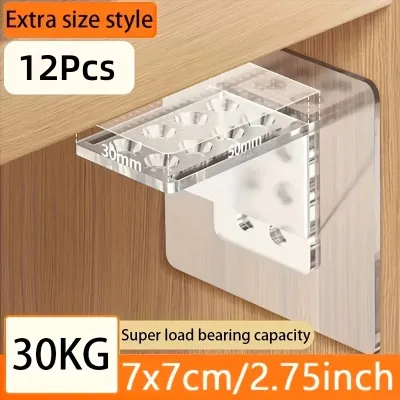
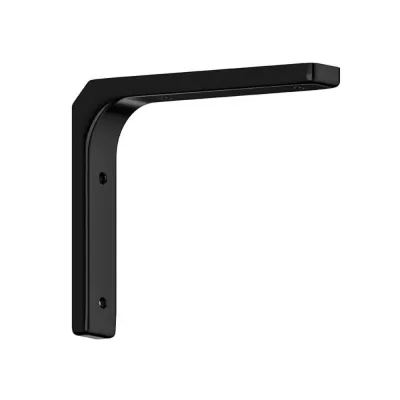
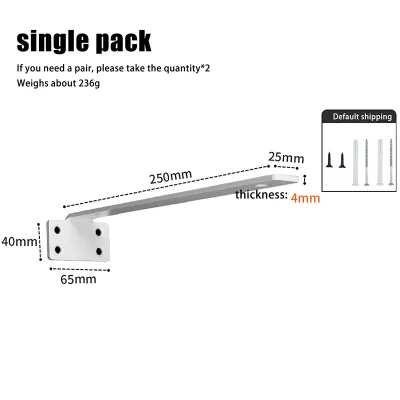
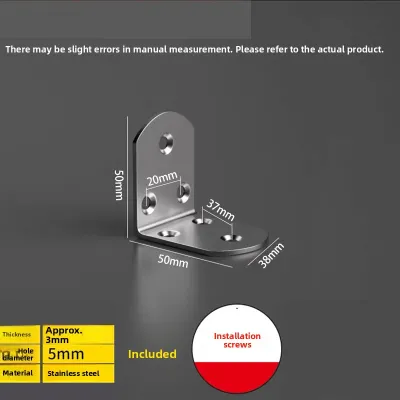
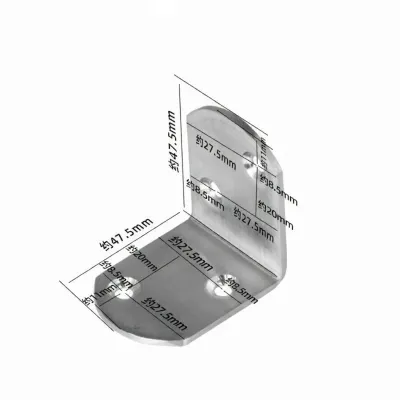
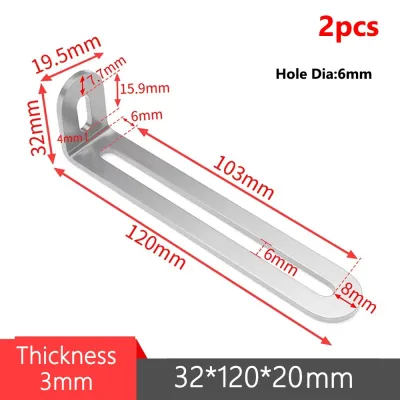
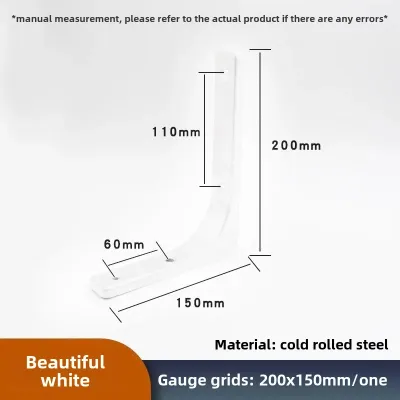
Prices are valid at publication and may change. Please refer to the product page for the latest price.
In humid environments, rust and corrosion are major catalysts for bracket failure. High relative humidity can cause non-treated steel or iron brackets to oxidize rapidly, leading to flaking finishes and bubbling paint. Rust does not just ruin the appearance of your hardware; it eats away at the metal, making it brittle and prone to sudden snapping under load. If you see orange-brown powder or deep pitting near the joints or screw holes, the bracket must be replaced.
Wooden brackets and corbels present a different set of warning signs. Look closely for hairline cracks, splintering, or stress marks radiating from the screw holes or along the grain of the wood. Wood can warp or split due to seasonal moisture fluctuations, which weakens the joints where the horizontal and vertical elements meet. Any sign of separation at these joints indicates that the bracket can no longer distribute weight safely.
Wall and Mounting Point Red Flags
A shelf bracket is only as strong as its connection to the wall. Inspect the mounting points closely to ensure the fasteners are still holding securely. If you notice that the screw heads are no longer flush against the bracket, or if they spin freely when you attempt to tighten them with a screwdriver, the internal wall anchor or wood stud has stripped. This loss of friction means the bracket is slipping outward under the leverage of the shelf.

Pay close attention to the wall material surrounding each bracket. In drywall or plaster walls, structural failure often manifests as fine cracks radiating outward from the mounting holes, or a circular depression where the anchor is being pulled through the wall. For concrete or masonry walls common in many modern apartments, look for crumbling mortar, powdery residue, or small chips of concrete breaking away around the expansion plugs.
Another unmistakable warning sign is the formation of a gap between the vertical leg of the bracket and the wall surface. Even a tiny gap of one or two millimeters at the top of the bracket indicates that the assembly is tilting forward. This gap shows that the tension forces are pulling the top screws out of the wall, creating a leverage effect that will eventually pull the entire shelf down.
Shelf Sagging and Load Distribution Issues
Sometimes the warning signs do not start with the bracket itself, but with the shelf board it supports. If you look across the horizontal plane of your shelf and notice a visible bow or sag in the middle, the current bracket configuration is inadequate. While a slight bend in a wooden board might seem harmless, it places uneven, outward pressure on the brackets, forcing them to bear loads at angles they were not designed to handle.
If the shelf board tilts forward or slopes downward toward the front edge, the brackets are failing to maintain a true 90-degree angle. You can verify this by placing a spirit level on the shelf from back to front. A forward slope indicates that either the bracket arms are bending downward under weight, or the wall anchors are slowly yielding to the pulling force of the load.
To prevent future failures, you must assess whether the distance between your brackets matches the material limits of your shelf. For instance, thin manufactured wood boards like particleboard or MDF require closer bracket spacing than solid timber or thick plywood. If the span between your brackets exceeds the safe limit for your specific shelf material, the board will sag, eventually damaging even high-quality brackets through twisting forces.
When to Repair, Reinforce, or Replace
Deciding on the right course of action depends on the severity of the damage and the condition of your walls. Simple repairs are appropriate when the brackets themselves are structurally sound but the mounting hardware has loosened. If a screw has backed out of a solid wood stud, replacing it with a slightly longer, heavy-duty wood screw can restore full stability without requiring new brackets.
Reinforcement is an excellent option when your shelf board is sagging but the existing brackets are undamaged. Instead of replacing the entire setup, you can install an additional intermediate bracket in the center of the span to redistribute the weight. This simple addition reduces the load on the original outer brackets and flattens the bowing shelf board, extending the lifespan of the entire system.
Full replacement is non-negotiable when you observe structural bending, deep cracks in wood corbels, or severe rust on metal supports. Once a metal bracket has bent, its internal crystalline structure is weakened, and attempting to bend it back into shape will only make it more brittle. You must also replace the brackets if you plan to change the shelf’s purpose to store heavier items, such as transitioning a decorative display shelf into a heavy book storage unit.
Always prioritize safety when assessing structural integrity. If you discover that the wall itself is deeply cracked, crumbling, or showing signs of water damage behind the shelving, stop using the shelf immediately. Remove all items to prevent an accidental collapse, and consult a qualified professional to repair the wall substrate before attempting to mount any new hardware.
Selecting Replacement Brackets for Better Support
When purchasing new shelf brackets, matching the dimensions of your shelf board is critical for long-term stability. The horizontal arm of the replacement bracket must extend at least two-thirds of the total depth of the shelf board. Using brackets that are too short creates a severe leverage disadvantage, placing immense pulling force on the top wall screws whenever items are placed near the front edge of the shelf.
Always verify the manufacturer’s rated weight capacity before making a purchase. These ratings typically assume proper installation into solid wood studs or masonry walls using the recommended fasteners. Keep in mind that the overall capacity of your shelving system is limited by its weakest link, which is often the wall anchor rather than the metal bracket itself.
For heavy-duty storage needs, such as organizing pantry items, dense book collections, or kitchen cookware, select brackets featuring a diagonal support gusset. This triangular design distributes the downward force more efficiently back into the wall, preventing the horizontal arm from bending. Additionally, look for durable powder-coated or galvanized finishes to protect the metal from moisture and wear.
Frequently Asked Questions (FAQ)
Can I reuse the same wall holes when installing new brackets?
Reusing the exact same wall holes is generally not recommended unless you are upgrading to a significantly larger anchor or repairing the hole first. When a bracket fails or is removed, the pulling forces often enlarge or strip the interior of the hole, leaving drywall, plaster, or masonry weakened. If you must use the same location, clean out the debris and insert a heavy-duty toggle bolt or a high-quality expansion anchor designed for damaged holes. Alternatively, patch the old holes with a structural repair compound and shift the new brackets slightly to bite into fresh, solid wall material.
Do hidden shelf brackets need different maintenance than standard L-brackets?
Hidden or floating shelf brackets require a different inspection approach because their mounting plates and support rods are completely concealed inside the shelf board. Instead of looking for visible bracket bending, you must watch for a downward droop of the shelf or a widening gap where the back edge of the board meets the wall. If the shelf feels bouncy or loose when lightly pressed, the internal support rods may be bending, or the mounting sleeve inside the wall may have loosened. To inspect them properly, you must slide the shelf board off the hidden rods to check the metal plate and wall fasteners directly.
Community discussion
Share your experience or ask a question. Comments are reviewed before publication.