
Integrating a foldable mattress into a Japandi-inspired bedroom requires a thoughtful blend of Scandinavian warmth and Japanese minimalism. To achieve this look, you must treat the mattress not as a temporary compromise, but as an intentional design element. By selecting natural textiles, choosing low-profile complementary furniture, and establishing a disciplined daily storage routine, you can maintain a serene, clutter-free sanctuary even in compact urban apartments.
The Japandi aesthetic thrives on the balance between simplicity, natural materials, and functional beauty. In space-conscious apartments, maximizing floor space is a daily necessity. A foldable mattress offers an elegant solution, allowing a room to transition seamlessly from a peaceful sleeping area by night to a spacious, open living or working space by day.
However, simply throwing a folding mat onto the floor can look unfinished if not styled with care. The key lies in selecting the right textures, colors, and surrounding accessories that frame the mattress as a deliberate choice. By focusing on clean lines, organic materials, and smart storage solutions, you can elevate this versatile sleeping option into a beautiful focal point that honors both Japanese Zen and Scandinavian comfort.
Products mentioned in this guide
![[1-2 day delivery] Foldable Foam Mattress 3-Fold Mattress](https://img.lazcdn.com/g/ff/kf/Se38f308a460b4ba3aef73a3da6703c621.jpg_400x400q80.jpg_.webp)
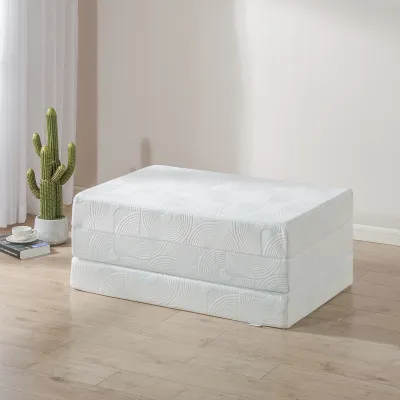
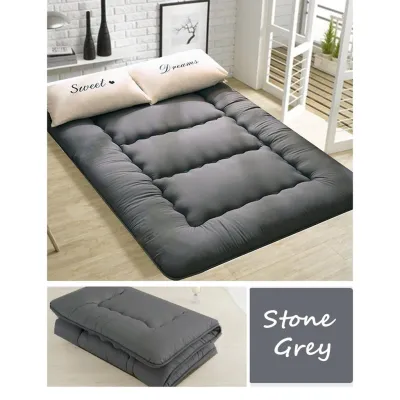


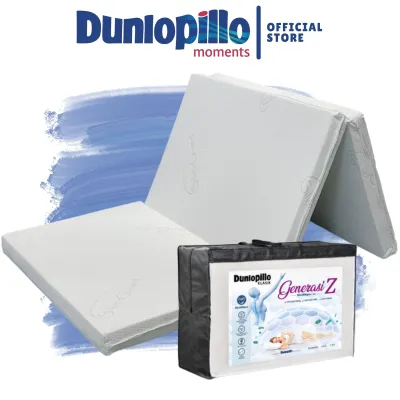

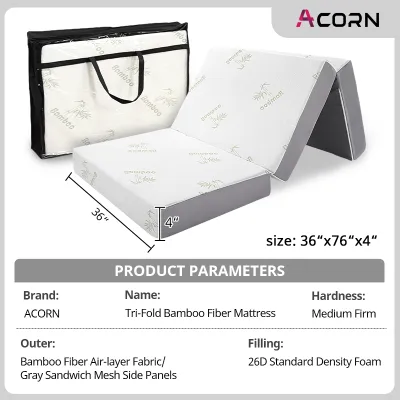
Prices are valid at publication and may change. Please refer to the product page for the latest price.
Aligning Your Foldable Mattress with Japandi Aesthetics
Japandi design relies heavily on the concept of “danshari” (decluttering) combined with “hygge” (coziness). A foldable mattress naturally fits the minimalist ethos by freeing up floor space during the day, but its raw form can sometimes look utilitarian. To bridge this gap, focus on the visual texture of the mattress cover.
Look for covers made from textured fabrics like cotton blends, linen, or woven canvas. Avoid shiny synthetic polyesters that reflect light harshly, as Japandi spaces favor matte, light-absorbing surfaces. The color palette should remain grounded in nature, utilizing soft creams, warm beiges, muted stone greys, or gentle terracotta tones. These earthy shades help the mattress blend into the room’s overall design scheme rather than standing out as an awkward addition.
Another challenge is managing the visual disruptions caused by folding seams and prominent zippers. When the mattress is laid out, these lines can break the clean visual plane of the room. You can mitigate this by positioning the mattress so the zippers face the wall or the floor. Alternatively, select a model with fabric flaps that cover the zippers, or drape a neutral-toned throw runner across the seams to create a cohesive, uninterrupted surface.
Styling the Mattress as a Minimalist Focal Point
Styling a low-profile bed requires a shift in scale and proportion. Traditional bulky bedding can overwhelm a mattress that sits directly on the floor, making the room look unbalanced. Instead, opt for lightweight, breathable sheets and duvet covers made from organic cotton or flax linen. These materials naturally wrinkle in a soft, inviting way that aligns with the wabi-sabi appreciation for imperfection.

Keep the color scheme monochromatic or closely analogous. For instance, pair a sand-colored mattress cover with off-white sheets and a light taupe duvet. Avoid busy patterns, bright primary colors, or high-contrast designs that draw too much attention. The goal is to make the bed feel like a natural extension of the floor rather than a separate, towering structure.
To complement the low sleeping height, select surrounding furniture with a similar low-slung profile. A low wooden nightstand made of light oak or ash, or a simple woven rattan side table, keeps essentials within reach without towering over the sleeping area. Ensure any bedside furniture sits no more than a few inches higher than the top of the mattress to maintain a balanced horizon line across the room.
Decor should be sparse and highly intentional. Instead of a crowded gallery wall, hang a single piece of abstract art with a simple wooden frame, or leave the wall blank to appreciate the negative space. On your low nightstand, place a single ceramic lamp with a warm-toned bulb or a simple stoneware vase holding a single dried branch. This minimalist approach draws the eye gently through the room without creating visual noise.
Practical Storage Methods to Maintain Clean Lines
In a multi-functional Japandi room, how you store the mattress is just as important as how you style it. A messy pile in the corner instantly disrupts the peaceful atmosphere. Establish a daily routine of folding the mattress immediately after airing it out. Ensure each fold is crisp and aligned, turning the mattress into a neat, geometric block.
Once folded, you can store the mattress on a low wooden bench at the foot of the bed or along an empty wall. This keeps it off the floor and frames it as an intentional piece of furniture. Alternatively, place the folded mattress inside a large, open-topped woven seagrass or rattan basket. This conceals the foam layers while introducing a warm, natural texture to the room’s perimeter.
For long-term storage, or when clearing the room for guests, protect the mattress from dust using breathable fabric storage bags. In humid climates like Singapore’s, avoid sealed plastic bags or vacuum-seal storage wraps. Trapping moisture inside plastic can quickly lead to mold, mildew, and stubborn odors within the foam core. Instead, select zippered canvas or heavy-duty cotton bags that allow air to circulate freely.
You can also repurpose the folded mattress as functional floor seating during the day. Stack the folded sections against a wall, drape a linen throw over them, and add a couple of firm buckwheat or kapok floor cushions. This transforms the sleeping surface into a comfortable low sofa or reading nook, maximizing the utility of your floor space without requiring extra furniture.
Routine Care to Preserve Fabric and Structure
Maintaining the cleanliness and structural integrity of your foldable mattress is essential for both hygiene and aesthetics. Because these mattresses sit close to or directly on the floor, they are more susceptible to dust, floor-level drafts, and moisture accumulation. Refer to the manufacturer’s care label to establish a routine that matches your specific mattress materials.
In humid environments, moisture from both the air and the body can settle into the mattress core. Make it a habit to prop the mattress up in an “A-frame” shape every morning or at least a few times a week. This allows air to flow freely through the bottom and middle sections. Running a home dehumidifier or ceiling fan in the room during this time helps accelerate the drying process and prevents musty odors.
For surface cleaning, spot-treat stains promptly using a slightly damp microfiber cloth and a mild, non-bleach detergent. Avoid soaking the fabric, as excess water can seep into the inner foam layers, which are difficult to dry and prone to degradation. If your mattress has a removable cover, wash it according to the manufacturer’s instructions, typically on a gentle cycle with cool water, and line dry it completely before reassembling.
Regularly inspect the folding joints, hinges, and seams for signs of wear and tear. The fabric hinges bear the brunt of the tension during folding and unfolding. If you notice loose threads, fabric thinning, or sagging in the foam core, consult the manufacturer’s guidelines or customer support. Avoid using a mattress with compromised joints, as this can lead to uneven body support and poor sleep quality.
Verifying Space and Floor Compatibility
Before purchasing or positioning a foldable mattress, carefully measure your bedroom to ensure a seamless fit. You need to account for two distinct footprints: the fully unfolded sleeping state and the folded storage state. Measure the floor area, leaving at least 60 centimeters of clearance around the sides of the mattress to allow for easy movement and to prevent the room from feeling cramped.
The type of flooring in your bedroom plays a significant role in both comfort and safety. Smooth surfaces like polished hardwood, laminate, or ceramic tiles can cause a lightweight foldable mattress to slide when you get in and out of bed. To prevent this, place a low-profile, non-slip rug or a traditional woven tatami mat underneath the mattress. This not only anchors the bed securely but also adds an authentic layer of Japanese texture that enhances the Japandi aesthetic.
Finally, verify the weight capacity and support specifications of the mattress. Foldable mattresses vary widely in density and thickness, ranging from thin tri-fold travel mats to thick, multi-layered memory foam options. Assess whether the mattress is intended for daily use or occasional guest accommodation. Ensure the support level aligns with the sleeper’s needs, and check that the floor surface is completely flat and free of debris to prevent uneven wear on the underside of the mattress.
Frequently Asked Questions (FAQ)
Can I use a thick foldable mattress in a Japandi room?
Yes, you can use a thicker foldable mattress, but it requires careful styling to maintain a low-profile look. A thicker mattress (such as one measuring 10 to 15 centimeters) provides excellent comfort but can look bulky when folded. To integrate it seamlessly, choose a neutral, matte cover that matches your wall color to help it visually recede. When folded, style it as a structured daybed or low bench with a tailored linen cover to keep the lines clean and intentional.
How do I prevent my foldable mattress from sliding on hard floors?
To stop a foldable mattress from sliding on smooth surfaces like tile or polished wood, place a high-quality non-slip rug pad or a natural tatami mat underneath it. Tatami mats are particularly well-suited for Japandi bedrooms, as their woven rush-grass texture provides natural grip while contributing to the organic, minimalist aesthetic. Alternatively, look for foldable mattresses that feature a built-in rubberized, non-slip textured fabric on the bottom surface.

Community discussion
Share your experience or ask a question. Comments are reviewed before publication.