
The sharp clack of a cabinet door slamming shut or the harsh scrape of a chair leg sliding across a pristine floor can instantly disrupt the peace of a quiet home. In many households, especially in high-density urban apartments where sound travels easily through walls and floors, these minor daily noises can quickly become major frustrations. Fortunately, silicone bumpers offer a highly effective, low-profile solution to dampen impact noise and shield delicate flooring from abrasive wear. These small, transparent pads act as shock absorbers, bringing quiet to kitchens and protecting valuable surfaces like parquet, vinyl, and polished screed.
However, simply sticking a bumper onto a surface does not guarantee long-term success. For these small accessories to perform reliably, you must first understand the root cause of the noise or damage, select the correct bumper profile, and apply them using proper techniques. Environmental factors, such as the high humidity typical in Singapore homes, can also significantly impact adhesive performance, making correct installation steps crucial. This guide provides a comprehensive approach to diagnosing your furniture issues, choosing the right silicone protectors, and installing them for lasting results.
Identify the True Cause of Cabinet Noise and Floor Scratches
Before purchasing any protective accessories, it is essential to determine whether your noise and scratch issues are simple surface impact problems or symptoms of deeper mechanical wear. Silicone bumpers are designed specifically to absorb direct impact and prevent surface-to-surface friction; they cannot compensate for failing hardware or structural damage.
Products mentioned in this guide
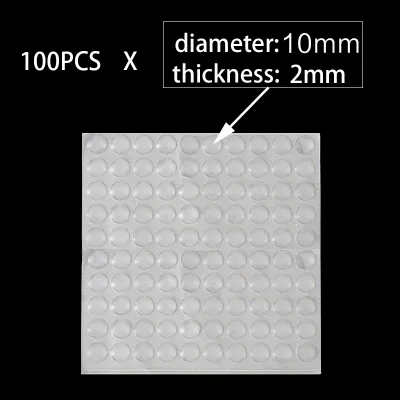
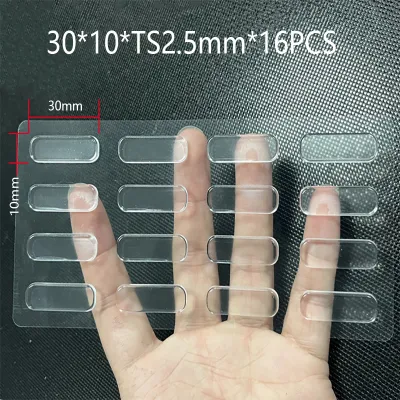
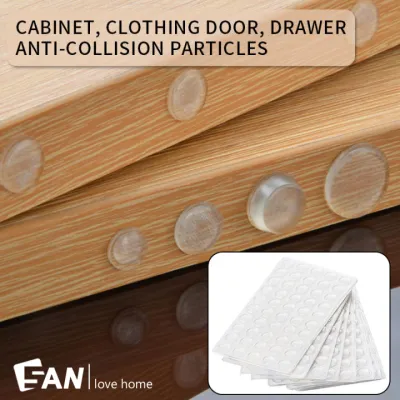
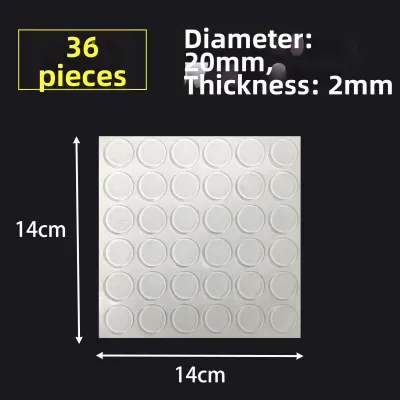
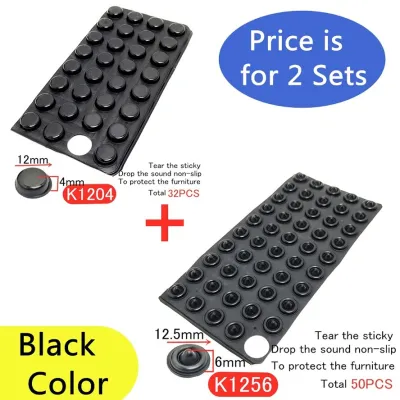
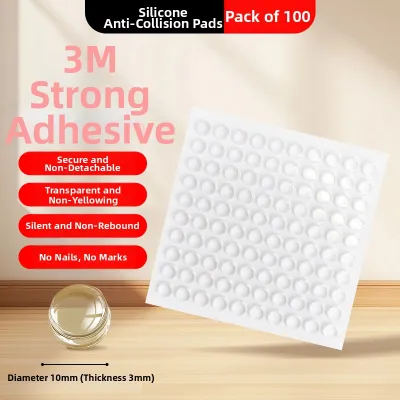
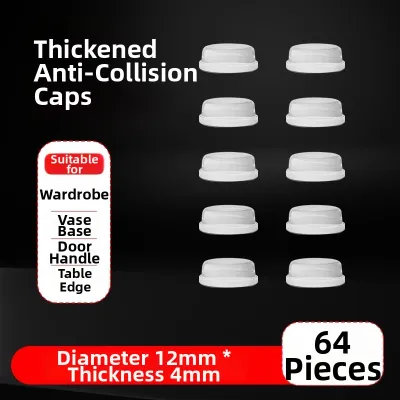
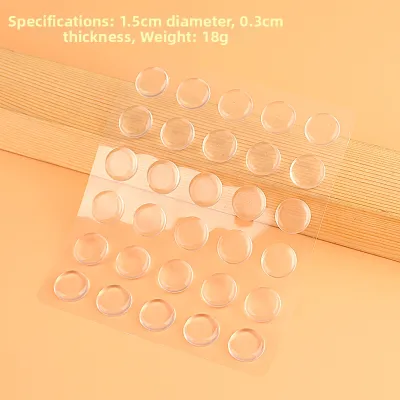
Prices are valid at publication and may change. Please refer to the product page for the latest price.
To diagnose cabinet noise, observe the door or drawer as it closes. If the noise is a clean, sharp impact sound that occurs only at the exact moment the door meets the cabinet frame, a silicone bumper is the ideal solution. Conversely, if you hear squeaking, grinding, or clicking during the swing of the door, the issue lies within the hinges. Loose hinge screws, worn-out pivot joints, or dry mechanisms require tightening, lubrication, or complete replacement rather than a simple cushion. Similarly, a drawer that rumbles or sticks as it slides indicates dirty, misaligned, or damaged metal tracks that bumpers cannot fix.
When dealing with floor scratches, inspect the bottom of your furniture legs carefully. Direct contact between hard wood, metal, or plastic legs and the floor surface is a primary cause of scratching when chairs or tables are dragged. However, scratches can also occur even if you have protective pads installed if grit, sand, or dust becomes trapped underneath them. This trapped debris acts like sandpaper under the weight of the furniture. Before deciding on a solution, run a diagnostic check: ensure the cabinet doors hang straight, verify that all hinge screws are securely anchored, and check the bottom of your furniture legs for protruding nails, staples, or embedded grit.
Select the Right Silicone Bumper Shape and Size
Silicone bumpers come in a variety of shapes, diameters, and thicknesses, each engineered for specific load-bearing and sound-dampening tasks. Choosing the wrong profile can result in inadequate noise reduction, doors that do not close flush, or pads that quickly peel off under heavy weight.

For cabinet doors and lightweight drawers, hemispherical (dome-shaped) bumpers are generally the most effective choice. The rounded profile ensures that contact is concentrated on a single point, which maximizes the shock-absorbing capability of the silicone while keeping the visible gap between the door and the frame to a minimum. For larger cabinet doors or heavy utility drawers, cylindrical or flat-topped bumpers are preferable. These shapes provide a slightly larger surface area to distribute the heavier impact force, preventing the bumper from compressing completely and bottoming out against the frame.
When protecting floors, standard cabinet bumpers are entirely unsuitable for furniture legs. Instead, you must select wide-base, flat silicone pads or specialized furniture glides. These flat profiles distribute the heavy, continuous downward weight of chairs, tables, or sofas across a much larger surface area, preventing the silicone from tearing or shifting under lateral pressure.
Beyond shape, you must consider the thickness of the bumper and how it affects the alignment of your cabinetry. A thicker bumper provides superior sound dampening but creates a wider, more noticeable gap between the closed door and the cabinet frame. Measure the existing clearance of your doors to ensure the selected bumper thickness will not cause the doors to protrude past adjacent cabinets. Finally, check the adhesive backing. Standard pressure-sensitive adhesives bond well to smooth, non-porous surfaces like laminate, sealed wood, and metal. If you are applying bumpers to highly textured surfaces or oily exotic woods, look for heavy-duty adhesive backings or consider mechanical slip-on alternatives.
Install Bumpers on Cabinet Doors and Drawers for Quiet Closing
Proper installation is the key to ensuring your silicone bumpers remain firmly attached and effective over years of daily use. The most common reason for bumper failure is poor surface preparation, which prevents the adhesive from forming a permanent bond with the substrate.
Begin by thoroughly cleaning the application area on the cabinet frame or the inside corner of the door. Kitchen cabinets are frequently coated in a thin, invisible layer of grease, cooking oils, and household dust. Wipe the target area with a mild cleaning solution or isopropyl alcohol using a lint-free cloth. Avoid using harsh chemical cleaners that leave behind a slippery residue or damage the wood finish. Once cleaned, allow the surface to dry completely. In warm, humid environments, moisture can easily become trapped beneath the adhesive backing during application, leading to premature peeling. Ensuring absolute dryness is critical for a long-lasting bond.
Identify the optimal placement zones on your cabinet doors. For standard doors, apply one bumper at the top outer corner and another at the bottom outer corner on the side opposite the hinges. This placement ensures the impact force is balanced evenly across the door frame. For drawers, place the bumpers on the inside corners of the drawer front where it contacts the cabinet carcass.
When applying the bumper, peel it carefully from the backing sheet, taking care not to touch the adhesive surface with your bare fingers, as skin oils will degrade the glue. Align the bumper precisely, press it firmly onto the clean surface, and maintain steady pressure for at least ten to fifteen seconds. Once applied, avoid closing the door forcefully for several hours to allow the adhesive to cure and bond fully with the surface, following the manufacturer’s specific instructions. Do not attempt to apply adhesive silicone bumpers to peeling paint, raw unfinished wood, or heavily textured laminates, as the adhesive cannot establish sufficient surface contact to hold.
Apply Silicone Pads to Furniture Legs to Prevent Floor Scratches
Protecting your floors from heavy furniture requires a different application strategy than quietening lightweight cabinet doors. Because furniture legs experience significant lateral shear forces when dragged across a room, the method of attachment must be robust enough to withstand constant movement.
First, assess the shape and material of your furniture legs. For stationary items like heavy sideboards, display cabinets, or bed frames, flat adhesive silicone pads are highly effective. However, for dining chairs and bar stools that are moved constantly, adhesive pads alone often slide off over time due to lateral friction. For these high-use items, slip-on silicone caps or flexible, wrap-around silicone sleeves are a superior choice. These sleeves stretch over the bottom of the leg and grip the sides, ensuring the protective base remains perfectly aligned under the foot without relying solely on adhesive.
Before installing any protectors, ensure you lift the furniture safely. Never tilt heavy tables or sofas precariously on two legs while attempting to slide a pad underneath. Enlist a helper to lift the furniture entirely, or carefully lay the piece on its side on a soft blanket to expose the feet. Clean the bottom of each leg thoroughly, scraping away any old felt pad residue, wax, or dirt. If the bottom of the leg is uneven or damaged, sand it lightly to create a flat, stable surface.
Once installed, establish a routine inspection schedule. Check the condition of the silicone protectors every six months, especially on frequently moved dining chairs. Look for signs of severe compression, tearing, or adhesive shifting. If a pad has flattened completely or slid out of place, replace it immediately to prevent the hard furniture leg from making direct contact with your floor. Note that silicone pads are not suitable for furniture equipped with rolling casters, nor should they be used on thick pile carpets, where the high friction of silicone can cause the carpet fibers to snag or make the furniture unstable.
Recognize When Bumpers Cannot Fix the Problem
While silicone bumpers are an excellent first line of defense, they are not a permanent cure for structural furniture failures or severe wear. Recognizing the limitations of these simple accessories will save you time and prevent further damage to your home.
If a cabinet door remains noisy or fails to close properly after installing bumpers, inspect the hinges for structural fatigue. Over time, the constant weight of cabinet doors can cause hinge screws to strip out of the wood or MDF frame, leading to sagging doors that rub against the frame. In these cases, you must repair the stripped screw holes using wood dowels and glue, or replace the hinges entirely. Similarly, warped cabinet doors—often caused by moisture exposure in humid utility areas or kitchens—cannot be corrected with bumpers; the door itself must be straightened or replaced.
For drawers, if the noise or resistance persists, the issue is likely a mechanical failure within the drawer slides. Bent tracks, broken nylon rollers, or lost ball bearings require the installation of replacement drawer hardware.
Finally, it is important to manage expectations regarding floor protection. Silicone pads are highly effective at preventing new scratches, but they cannot repair existing gouges, deep scratches, or water damage on parquet and vinyl floors. If your flooring already exhibits deep physical damage, consult a professional flooring contractor to discuss sanding, refinishing, or replacing the damaged planks before applying protectors to your furniture.
Frequently Asked Questions (FAQ)
Can silicone bumpers damage wood finishes when removed?
Yes, strong adhesives can occasionally lift or damage delicate wood finishes, particularly older lacquers, thin veneers, or poorly bonded paint. To minimize this risk, never rip a bumper straight off the wood. Instead, slide a piece of dental floss or a thin plastic card underneath the bumper to gently slice through the adhesive layer. If the adhesive is stubborn, apply gentle heat from a hairdryer on a low setting for a few seconds to soften the glue before removal. Always test any commercial adhesive removers on an inconspicuous area of the furniture first, and consult the manufacturer’s care guidelines to protect the finish.
How often should I replace silicone bumpers on heavy furniture?
Silicone bumpers on heavy furniture should generally be inspected every six months and replaced as soon as they show signs of degradation. Under continuous heavy weight, silicone will gradually compress, lose its elasticity, and harden, which significantly reduces its shock-absorbing and floor-protecting capabilities. Visual indicators that replacement is necessary include permanent flattening, cracking, or the bumper sliding away from the center of the furniture leg. Replacing them promptly ensures your floors remain continuously protected from deep scratches.
Community discussion
Share your experience or ask a question. Comments are reviewed before publication.