
Shortlisting custom stainless steel cabinet brands for a Singapore home requires shifting focus from generic brand popularity to verifiable manufacturing standards and material specifications. In Singapore’s hot, humid climate, and with the demands of heavy Asian cooking, stainless steel offers an exceptionally durable, hygienic, and moisture-resistant alternative to traditional wood-based cabinetry. However, because custom cabinetry represents a significant long-term investment, homeowners must evaluate potential vendors based on their raw material sourcing, engineering precision, and local installation capabilities. By understanding what distinguishes premium stainless steel fabrication from lower-grade alternatives, you can confidently navigate showroom consultations and select a specialist brand that aligns with your kitchen’s layout, aesthetic goals, and functional requirements.
Choosing the right vendor involves looking beyond surface aesthetics to inspect the underlying construction of the cabinets. A high-quality stainless steel kitchen is not merely a collection of metal boxes; it is a highly engineered system designed to withstand decades of daily use without rusting, sagging, or generating excessive noise. As you begin your search, prioritizing brands that offer transparent material certifications, robust hardware integrations, and comprehensive after-sales support will ensure your custom kitchen remains a centerpiece of your home for years to come.
Why Choose Stainless Steel for Custom Kitchen Cabinets
Before committing to a vendor search, it is essential to confirm if stainless steel aligns with your kitchen usage habits and design goals. One of the primary advantages of stainless steel in a tropical environment like Singapore is its absolute resistance to moisture and high humidity. Traditional wood-composite cabinets, such as those made from medium-density fibreboard (MDF) or plywood, are susceptible to absorbing airborne moisture, which can lead to swelling, warping, and the growth of mold or mildew over time. Stainless steel is entirely impervious to water, ensuring that the structural integrity of your kitchen carcasses remains uncompromised even in wet zones around the sink.
Products mentioned in this guide
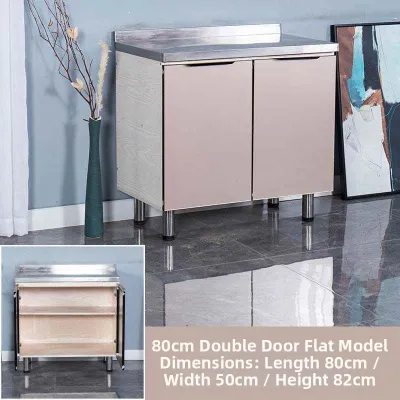
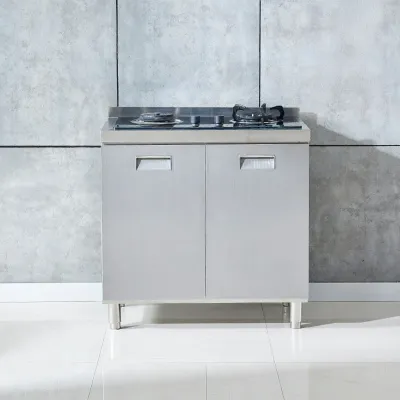

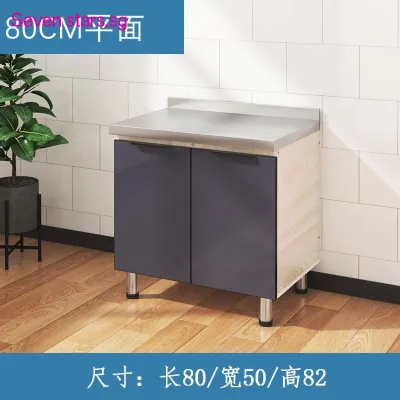
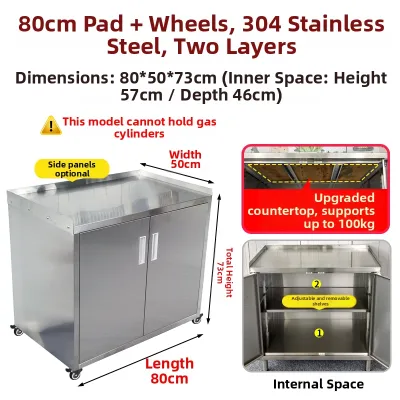
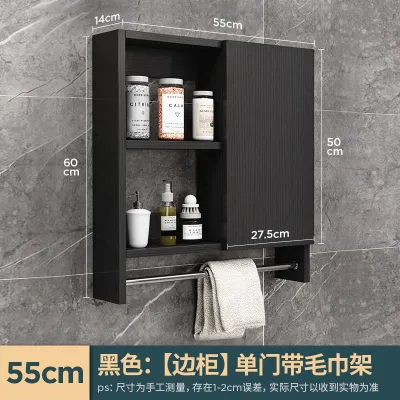
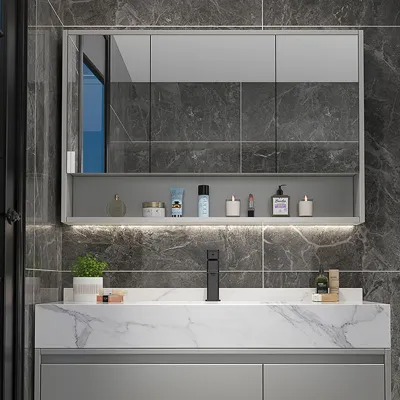
Prices are valid at publication and may change. Please refer to the product page for the latest price.
Hygiene is another critical factor that makes stainless steel highly desirable for households that engage in heavy daily cooking. The material is non-porous, meaning it does not absorb liquids, oils, or food particles, which prevents the buildup of bacteria and food-borne pathogens. This non-porous nature also makes stainless steel completely resistant to pests, such as termites and wood-boring beetles, which can occasionally plague wooden cabinetry in residential properties. Cleaning requires nothing more than a simple wipe-down with mild soap and water, eliminating the need for specialized chemical sealants or intensive maintenance routines.
From a design perspective, modern stainless steel cabinetry has evolved far beyond the sterile, clinical look of commercial restaurant kitchens. Contemporary residential brands offer sophisticated design versatility, allowing homeowners to achieve a wide range of aesthetics from sleek industrial minimalism to warm, transitional styles. Stainless steel can be seamlessly integrated with other premium materials, such as natural stone countertops, glass backsplashes, or warm timber accents. Furthermore, the ability to weld sinks and countertops directly to the cabinet structure creates a seamless, joint-free surface that eliminates dirt-trapping crevices and enhances the overall visual flow of the space.
Key Evaluation Criteria for Stainless Steel Cabinet Brands
When evaluating different stainless steel cabinet brands, the first and most critical specification to verify is the grade of steel used in fabrication. Premium residential brands construct their cabinet carcasses and door panels from SUS304-grade stainless steel, which contains high levels of chromium and nickel to provide excellent corrosion resistance. You should actively check manufacturer labels or request material certificates to ensure the brand does not substitute lower-grade alternatives, such as SUS201, which is far more prone to tea-staining, pitting, and rusting when exposed to salt, moisture, and household cleaning agents. For outdoor kitchens or homes located near coastal areas, some brands may offer marine-grade SUS316, which provides even greater resistance to environmental elements.

In addition to the steel grade, the thickness of the metal sheets—often referred to as the gauge—directly impacts the structural integrity and feel of the cabinetry. High-quality brands typically utilize steel sheets with a thickness of 1.0mm to 1.2mm (approximately 18 to 20 gauge) for structural components. Cabinets constructed from thinner steel can feel flimsy, flex under pressure, and produce a tinny, metallic sound when doors are closed. Conversely, thicker steel ensures a solid, rigid structure that can support heavy stone countertops and withstand the physical impacts of a busy kitchen without warping or denting.
Surface finish options play a major role in both the visual appeal and the maintenance requirements of your kitchen. While a classic polished or mirror finish is highly reflective and prone to showing fingerprints and scratches, reputable brands offer a variety of textured finishes to suit different lifestyles. Brushed, satin, matte, and embossed finishes are highly effective at diffusing light and masking minor surface imperfections. Many premium manufacturers also apply advanced anti-fingerprint nano-coatings to the steel surface, which repel oils and water, significantly reducing the frequency of cleaning required to keep the cabinets looking pristine.
The quality of the integrated hardware is another non-negotiable evaluation criterion, as stainless steel doors and drawer fronts are considerably heavier than their wooden counterparts. Ensure the brand partners with established, high-end hardware manufacturers to supply heavy-duty hinges, drawer slides, and soft-close mechanisms. These moving parts must be engineered to support the substantial weight of steel drawers filled with heavy cookware. Ask the vendor about the weight ratings of their drawer slides and verify that the hinges are securely anchored to the steel carcass using reinforced mounting plates to prevent sagging over time.
Assessing Customization and Manufacturing Capabilities
Because custom homes often feature unique architectural layouts, irregular corners, structural columns, or specialized appliance integrations, a brand’s manufacturing precision is paramount. Premium custom cabinet makers utilize advanced computer-aided design (CAD) software and automated laser-cutting machinery to ensure that every cabinet carcass is fabricated to exact millimeter-level tolerances. During your initial consultations, inquire about how the brand handles non-standard dimensions; a true custom manufacturer should be able to tailor the height, depth, and width of individual units to maximize your available space, rather than forcing you to rely on standard modular sizes with wide filler panels.
The quality of the welding and edge finishing is a clear indicator of a brand’s craftsmanship and attention to safety. Inspect showroom displays closely to evaluate the joints where steel panels meet. High-end fabrication relies on seamless laser welding, where the joints are ground down and polished so meticulously that they appear as a single, continuous piece of metal. This seamless construction is vital for preventing moisture ingress into the cabinet interior and eliminating sharp, exposed edges that could pose a safety hazard to your family. Cheaply made cabinets often rely on mechanical fasteners, rivets, or visible screws, which can loosen over time and create crevices where dirt and moisture accumulate.
Another aspect of manufacturing capability is the internal construction of the door panels and carcasses. To eliminate the hollow, metallic clanging sound associated with commercial metalwork, premium residential brands employ double-walled door construction. This design features an outer and inner steel skin sandwiching a dense, sound-dampening core material, such as an aluminum honeycomb structure or a moisture-resistant composite board. This construction technique gives the doors a solid, substantial feel when opened and closed, mimicking the acoustic properties of high-end wooden cabinetry while retaining all the durability benefits of steel.
Finally, evaluate the brand’s flexibility regarding internal storage configurations and modular organizational accessories. A truly custom kitchen should be optimized for your specific cooking workflow and storage needs. Look for brands that offer integrated pull-out larders, corner carousels, custom spice racks, and adjustable drawer dividers made from matching stainless steel or high-quality plastics. The ability to customize the interior layout of your drawers and cabinets ensures that every utensil, pot, and appliance has a dedicated, easily accessible home, maximizing the functional efficiency of your kitchen layout.
Installation, Warranty, and After-Sales Support
Even the most precisely engineered stainless steel cabinets will fail to perform if they are not installed correctly. Because stainless steel is a rigid, non-flexible material, it cannot be easily shaved, planed, or adjusted on-site to accommodate uneven walls or sloping floors in the way that wooden cabinetry can. Consequently, the installation process requires meticulous site preparation and highly skilled installers. Before signing a contract, verify that the brand conducts comprehensive pre-installation site surveys using laser leveling equipment to identify any structural discrepancies that must be rectified before delivery.
In Singapore’s high-rise residential landscape, logistical considerations such as doorway clearances, corridor widths, and lift dimensions are critical factors that must be assessed early in the planning stage. Because stainless steel cabinet carcasses are often fully welded and assembled at the factory rather than shipped as flat-packs, they must be transported to your unit as large, rigid structures. Ensure that the vendor’s installation team conducts a thorough access check to guarantee that the fabricated units can be safely maneuvered through your building’s service lifts and entryways without causing damage to the cabinets or the property.
When reviewing the vendor’s contract, pay close attention to the scope and duration of the warranty provided. A reputable custom stainless steel cabinet brand should offer a robust, multi-year warranty that reflects the longevity of the material. It is important to distinguish between the warranty coverage for the structural steel components (which often extends for 10 years or more against rust, corrosion, and structural failure) and the warranty for moving parts, hardware, and surface finishes, which may have shorter coverage periods. Ensure that the warranty terms are clearly documented in writing and that you understand what maintenance actions might void the coverage.
After-sales support is equally vital, as even the finest kitchens may require minor adjustments after a period of active use. Over time, the settling of a building or the heavy loading of drawers can necessitate the realignment of hinges or the calibration of drawer runners. Ask the brand about their post-installation service protocols, including the typical response times for service requests and whether they maintain a local inventory of replacement hardware. A brand with a dedicated, responsive local service team in Singapore will provide invaluable peace of mind, ensuring that any operational issues are resolved quickly and professionally.
Building Your Vendor Shortlist: A Step-by-Step Framework
Creating a reliable shortlist of custom stainless steel cabinet brands requires a structured approach that balances material quality, design compatibility, and budget transparency. Begin by gathering an initial list of candidates through online research, portfolio reviews of completed residential projects in Singapore, and recommendations from interior designers or architects. Focus on brands that specialize specifically in residential stainless steel cabinetry rather than general commercial kitchen fabricators, as residential specialists are far better equipped to deliver the refined aesthetics and quiet operation required in a home environment.
Once you have identified three to four potential candidates, schedule physical visits to their showrooms. Showroom visits are indispensable because they allow you to conduct a hands-on quality inspection that cannot be replicated through online photos. Open and close every drawer and door to test the smoothness of the runners and the effectiveness of the soft-close mechanisms. Knock on the cabinet sides and doors to assess the sound-dampening quality, and run your fingers along the welded joints, corners, and edges to check for seamless finishing and safety. Take note of the variety of finishes and customization options on display to gauge if the brand can execute your desired design.
Following your showroom visits, provide your kitchen floor plan and appliance specifications to the remaining candidates to request detailed, itemized quotations in S$. A transparent quotation should clearly break down the costs of the cabinet carcasses, door panels, countertops, integrated sinks, hardware, delivery, and installation fees. It should also explicitly state the exact grade of stainless steel (e.g., SUS304), the steel thickness, and the specific brands of hardware being quoted. Avoid vendors who provide vague, lump-sum estimates, as this lack of transparency can make it difficult to compare offers accurately and may lead to unexpected variations or hidden costs later in the project.
Finally, compare the quotations not just on the bottom-line price, but on the overall value offered. Consider the lead times for fabrication and delivery, especially if the cabinets are manufactured overseas and shipped to Singapore, as this can impact your overall renovation timeline. Evaluate the responsiveness and professionalism of each brand’s sales and technical teams during the quoting process, as this is often a strong indicator of the level of service you can expect during the installation and after-sales phases. By systematically analyzing material specifications, manufacturing quality, installation protocols, and cost transparency, you can confidently select the ideal partner for your custom kitchen.
Frequently Asked Questions (FAQ)
Does stainless steel cabinetry dent easily during daily use?
No, high-quality residential stainless steel cabinetry does not dent easily under normal daily use. Dent resistance is primarily determined by the thickness of the steel sheets and the internal backing structure of the panels. Premium brands utilize robust 1.0mm to 1.2mm thick SUS304 stainless steel and employ a double-walled door construction filled with a dense, rigid core material such as aluminum honeycomb. This internal reinforcement absorbs impacts and prevents the metal from flexing or denting when bumped by pots, pans, or household items. Additionally, choosing a textured, brushed, or embossed finish helps to diffuse light, making any minor surface micro-scratches that occur over years of active cooking virtually invisible.
Can I install stainless steel cabinets over existing kitchen tiles?
While it is technically possible to install stainless steel cabinets over existing floor tiles, several critical structural conditions must be met to ensure a stable and safe installation. Stainless steel cabinetry is significantly heavier than traditional wooden units, meaning the underlying tiled floor must be structurally sound, free of hollow spots, and capable of bearing substantial weight without cracking. Furthermore, because steel carcasses are rigid and cannot be trimmed on-site, the existing tiled floor must be exceptionally level. If the floor is uneven, the installation team must utilize heavy-duty adjustable leveling legs concealed behind matching stainless steel plinths to ensure the countertops remain perfectly level and the cabinet doors align correctly. If the existing tiles are damaged or severely unlevel, consulting a qualified contractor to remove the tiles and level the subfloor is highly recommended before proceeding with the installation.
Community discussion
Share your experience or ask a question. Comments are reviewed before publication.