
Using a furniture jack to replace broken legs or casters is a highly efficient way to restore your favorite sofa, cabinet, or wardrobe without risking personal injury or damaging your home. The key to a successful and safe repair lies in proper preparation, choosing secure lifting points, and always securing the load with secondary supports before working underneath. By following a systematic approach, you can lift heavy furniture pieces independently and complete the repair with confidence.
Whether you are dealing with a sagging sofa or a stuck cabinet wheel, a specialized furniture jack provides the mechanical advantage needed to raise the frame smoothly. However, lifting heavy household items carries inherent risks if the weight is not properly managed. This guide outlines the essential safety protocols, preparation steps, and installation techniques required to replace damaged furniture legs and casters safely.
Preparing Your Workspace and Furniture for Lifting
Before attempting to lift any piece of furniture, you must prepare the surrounding environment to prevent accidents. Begin by clearing a wide perimeter around the furniture, removing any rugs, cables, toys, or other potential tripping hazards. The floor surface must be completely flat, hard, and stable. In many homes, floors are finished with materials like ceramic tiles, luxury vinyl tiles, or polished parquet. To protect these surfaces from scratches or pressure marks, place a thin, non-slip protective sheet or a piece of heavy-duty cardboard under the jack’s base, ensuring it does not compromise the tool’s stability.
Products mentioned in this guide
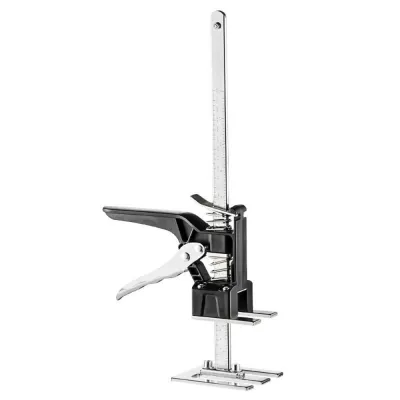
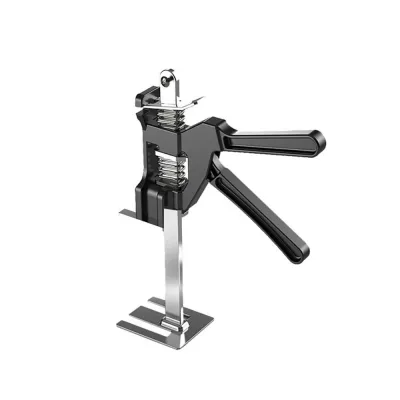
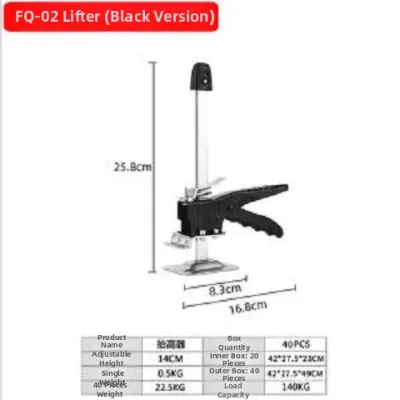
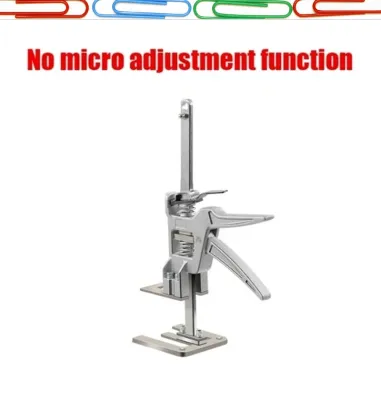
Prices are valid at publication and may change. Please refer to the product page for the latest price.
Next, assess the structural integrity and weight of the furniture. Refer to any original manufacturer documentation to estimate the total weight of the piece, and compare this against the rated load capacity of your furniture jack. If the furniture is exceptionally heavy or constructed from fragile materials, you must plan your lifting points with extra care. Never attempt to lift a piece of furniture that exceeds the rated capacity of your lifting equipment.
To ensure a safe lift, you must identify the solid, load-bearing structural points on the furniture’s frame. Look for thick hardwood beams, metal corner brackets, or reinforced joints where the frame is strongest. Avoid placing the jack under thin decorative trim, fragile MDF backing panels, or hollow veneer sections, as the concentrated pressure will easily crush or crack these materials.
Finally, completely empty the furniture before lifting. Remove all books, clothes, or decorative items from shelves and cabinets. Take out drawers entirely and set them aside; this not only reduces the overall weight significantly but also prevents drawers from sliding out unexpectedly and shifting the center of gravity while the furniture is elevated.
Choosing and Inspecting the Right Furniture Jack
Selecting the correct tool for the job is vital for a safe repair process. Locate and read the manufacturer’s load limit label on your furniture jack to verify that its capacity exceeds the estimated weight of the furniture. Furniture jacks come in various designs, including mechanical lever lifters and small hydraulic bottle jacks. Ensure the specific model you choose is designed for residential furniture and offers a low enough profile to slide under the frame clearance.

Perform a thorough physical inspection of the jack before use. If you are using a hydraulic model, check for any signs of fluid leaks around the seals and valves. For mechanical or screw-type jacks, inspect the threads for wear, debris, or stripping. Ensure that the lifting pad or saddle is securely attached to the mechanism and shows no signs of bending or structural fatigue. Any tool showing signs of damage or wear should be decommissioned immediately.
The lifting pad or saddle must be clean and free of grease, oil, or grit. A dirty pad can easily slip against the smooth underside of a wooden or metal furniture frame, leading to a sudden drop. If the jack’s pad is made of bare metal, consider using a thin, high-friction rubber pad to prevent slipping and protect the furniture’s finish, ensuring the pad is rated for such use and does not introduce instability.
Never rely solely on a furniture jack to hold the weight of the furniture while you work. You must select appropriate secondary supports to secure the load once it is raised. Solid wood blocks, heavy-duty jack stands, or dedicated furniture support blocks are ideal for this purpose. Ensure these supports are clean, dry, and capable of bearing the weight of the furniture without cracking or tipping.
Step-by-Step Guide to Lifting the Furniture Safely
Once your workspace is prepared and your equipment is inspected, you can begin the lifting process. Position the furniture jack directly under the pre-identified solid structural beam or joint. Ensure the base of the jack sits completely flat on the floor and is aligned vertically with the lifting point to prevent any lateral shifting as pressure is applied.
Begin raising the furniture by pumping the handle or turning the screw mechanism slowly and smoothly. Avoid rapid, jerky movements, which can cause the furniture to sway or slide off the jack. Watch the contact point closely as the jack engages the frame. Raise the furniture only as high as necessary to clear the floor and allow sufficient clearance to remove the old leg or caster—typically just a few centimeters.
Immediately after reaching the desired height, slide your secondary supports under a secure, flat portion of the furniture frame near the jack. Slowly and carefully lower the jack slightly until the weight of the furniture is fully transferred onto the secondary supports. Keep the jack in place as an additional safety backup, but ensure the active load is securely resting on the stable blocks or stands before placing your hands or tools underneath.
Throughout the lifting process, remain highly vigilant and watch for critical stop conditions. If you hear loud creaking, notice the furniture frame flexing excessively, or see the jack beginning to tilt or slip, stop pumping immediately. Slowly and carefully lower the furniture back to the floor to relieve the stress, then re-evaluate your lifting points, weight distribution, and equipment alignment before attempting to lift again.
Removing Damaged Legs or Casters and Installing Replacements
With the furniture safely elevated and resting on secondary supports, you can proceed to replace the damaged parts. Identify the specific fastener types securing the broken leg or caster. Common fasteners include wood screws, mounting plates, threaded hanger bolts, or grip neck stems. Select the correct tools for the job, such as a screwdriver, hex key, or adjustable wrench, to avoid stripping the hardware.
If you encounter rusted, seized, or stubborn hardware, do not attempt to force it with brute strength, as this can split wooden legs or strip the internal threads of metal inserts. Instead, apply a small amount of penetrating oil directly to the seized threads. Allow the oil to sit for several minutes to loosen the rust and lubricate the threads before attempting to turn the fastener again with steady, even pressure.
Align the new leg or caster plate accurately with the existing pre-drilled holes or mounting brackets. If the original wood around the screw holes is stripped or damaged, you may need to install a threaded metal insert or a new mounting plate to ensure a secure connection. Ensure the replacement part is rated to handle the weight of the furniture and matches the height of the remaining legs.
Tighten the new hardware securely, following any specific instructions provided with the replacement parts. Start by threading the fasteners by hand to prevent cross-threading, then use your tools to tighten them firmly. Avoid over-torquing the screws or bolts, as excessive force can split wooden frames, strip the threads, or damage the mounting plates, compromising the stability of the repair.
Lowering the Furniture and Verifying Stability
After successfully installing the new legs or casters, you must lower the furniture back to the floor safely. Begin by slowly raising the furniture jack just enough to lift the frame off the secondary supports. Carefully slide the wood blocks or jack stands out from under the furniture, keeping your hands, fingers, and feet completely clear of the drop zone.
Lower the furniture jack slowly and evenly. If you are using a hydraulic jack, turn the release valve extremely slowly to control the descent. Ensure that all legs or casters make contact with the floor at the same time to prevent uneven stress on the new joints or the frame.
Once the furniture is resting fully on the floor, check for wobbles, uneven weight distribution, or misalignment. If the replacement legs or casters include adjustable leveling feet, turn them as needed to ensure the furniture sits perfectly level on your floor. Gently rock the furniture from side to side to verify that the weight is distributed evenly across all support points.
Perform a final visual and physical inspection of the new joints and fasteners under the full weight of the furniture. Check for any gaps between the legs and the frame, and ensure all screws and bolts remain tight. If everything is secure, you can safely return the drawers and contents to the furniture, completing the repair process.
Frequently Asked Questions (FAQ)
Can I use a car jack instead of a furniture jack?
Using a car jack to lift furniture is highly discouraged due to significant safety risks. Automotive jacks are designed specifically for vehicles and typically feature small, metallic, or cup-shaped saddles that can easily slip off flat, smooth wooden furniture frames. Additionally, car jacks often have a high minimum clearance profile, making them difficult to position under low-profile household furniture without damaging the wood. Specialized furniture jacks or lever lifters feature flat, non-marring pads designed specifically to grip furniture frames securely, making them the much safer choice.
What should I do if the furniture frame cracks while lifting?
If you hear or see the furniture frame crack during the lifting process, stop immediately. Slowly and carefully lower the jack to relieve all stress on the compromised area. Do not attempt to lift the furniture from that point again. Assess the extent of the damage; if the crack is minor, you may be able to repair it using high-quality wood glue and clamps once the furniture is fully lowered. However, if the crack is structural or affects a main load-bearing joint, you should consult a professional furniture repair specialist to restore the frame’s integrity before attempting any further repairs.
How do I remove a caster that is stuck or rusted in the socket?
To remove a stuck or rusted caster without damaging the furniture leg, avoid using excessive brute force, which can easily split the wood. Instead, apply a small amount of penetrating lubricant directly into the socket and let it sit for several minutes. Use a padded pry bar or a specialized caster puller tool to apply gentle, even upward pressure under the caster’s metal collar. If the caster remains seized, do not force it; instead, seek assistance from a professional technician to avoid destroying the leg assembly.
Community discussion
Share your experience or ask a question. Comments are reviewed before publication.