
Replacing worn or damaged wheels on your furniture is a highly effective way to restore smooth mobility, eliminate annoying squeaks, and protect your flooring from deep scratches. Whether you are upgrading an office chair in a home study or swapping out heavy-duty casters on a utility trolley, the entire process hinges on identifying your specific mounting style, extracting the old hardware without damaging the furniture base, and securing the correct replacement parts. By following a systematic approach, you can complete this repair in under an hour using basic household tools.
Before purchasing any replacement parts, you must determine how the existing wheels are attached to the furniture frame. Choosing the wrong mount type or incorrect dimensions can lead to unstable furniture, damaged sockets, or wheels that simply refuse to fit. Taking precise measurements and understanding the mechanical differences between stem and plate mounts will save you time and prevent unnecessary returns.
Identify Your Caster Mount Type
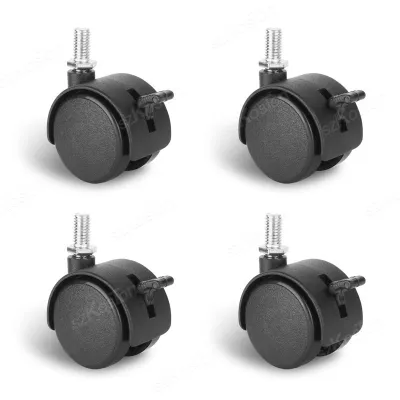
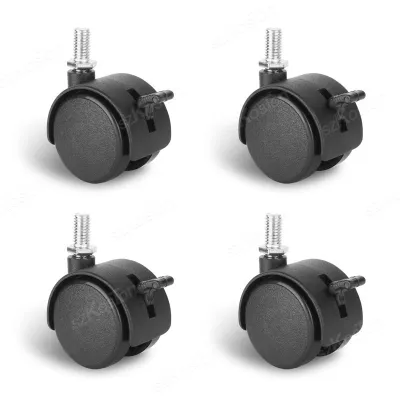
To ensure a successful wheel replacement, you must first distinguish between the two primary categories of furniture casters: stem casters and plate casters. Stem casters feature a metal rod extending upward from the wheel assembly, which inserts directly into a pre-drilled hole or socket in the furniture leg. Plate casters, on the other hand, utilize a flat metal plate with multiple mounting holes that is bolted or screwed directly onto a flat wooden or metal surface.
Products mentioned in this guide

![[SG In Stock]3 Inch Universal Mute Whee 5PCS/Set Office Chair Caster Wheels Replacement 60KG Swivel Rubber Soft Safe Rollers](https://img.lazcdn.com/g/p/bf4390964a70a1aadb2b68d0791a27d5.png_400x400q80.png_.webp)
![[SG Ready Stock]5PCS 3 Inch Universal Mute Wheel Office Chair Caster Wheels Replacement 60KG Swivel Rubber Soft Safe Rol](https://img.lazcdn.com/g/p/3436119685ee0f7eb0d4591980aafe0b.png_400x400q80.png_.webp)
Prices are valid at publication and may change. Please refer to the product page for the latest price.
Within the stem caster category, you will encounter two main variations: grip ring stems and threaded stems. A grip ring stem has a small, split metal ring wrapped around the top of the shaft; this ring compresses when pushed into the socket and expands inside to hold the wheel securely in place. You can identify a grip ring stem by its lack of visible threads and the resistance you feel when attempting to pull it straight out. A threaded stem functions like a bolt, featuring spiral threads along the shaft that screw directly into a threaded socket or are secured with a nut on the opposite side.
To identify which type you have, inspect the connection point where the caster meets the furniture base. If you see a flat metal plate secured by four screws, you have a plate caster. If the wheel meets a round socket or leg directly, it is a stem caster. If you cannot easily pull the stem out by hand, look closely at the base of the stem just above the wheel swivel; a hexagonal nut shape indicates a threaded stem, whereas a smooth metal collar usually points to a grip ring stem.
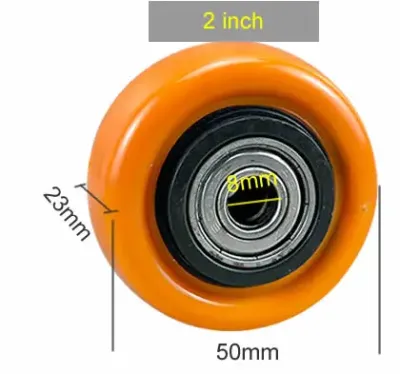
Before ordering replacements, measure the dimensions of your existing hardware carefully. For stem casters, use a caliper or a precise ruler to measure both the diameter and the length of the metal stem, as even a one-millimeter difference can prevent a secure fit. For plate casters, measure the overall dimensions of the mounting plate and, more importantly, the distance between the centers of the screw holes to ensure the new plate aligns perfectly with the existing holes.
Gather the Right Tools for Wheel Replacement
Having the correct tools prepared beforehand prevents damage to your furniture and makes the extraction process significantly easier. For plate casters, you will need a screwdriver or a socket wrench that matches the existing screw heads or bolts. For threaded stem casters, an adjustable wrench or a thin open-ended wrench is essential to grip the flat nut section at the base of the stem.

If you are dealing with stubborn grip ring stems, a flathead screwdriver or a small pry bar can provide the necessary leverage to pop the stem out of its socket. Pliers, particularly locking pliers, are incredibly useful for gripping smooth stems that are difficult to pull by hand. It is also highly recommended to wear heavy-duty work gloves to protect your hands from sudden slips, pinches, or sharp metal edges during the extraction process.
For the installation phase, a rubber mallet or a standard hammer paired with a block of wood is invaluable. This allows you to apply controlled, even force to tap new grip ring stems into their sockets without cracking the plastic or metal wheel housing. Additionally, keeping a clean rag and some mild cleaning solution nearby helps you clear out accumulated dust and old grease from the mounting areas before attaching the new hardware.
Step-by-Step: Removing the Old Wheels
Before attempting to remove any hardware, prepare a safe and stable workspace. Flip the furniture upside down or lay it on its side on a soft, non-abrasive surface, such as a clean rug, cardboard, or a thick towel, to prevent scratching the furniture frame or your floors. Ensure the piece of furniture is fully supported and cannot roll, slide, or tip over while you are working on it.
As you begin the removal process, pay close attention to the structural integrity of the furniture base. If at any point a component feels stripped, cracked, or structurally compromised, or if the wood around a mounting plate begins to splinter, halt the process immediately and consult a professional furniture repair specialist. Forcing a stuck caster can permanently ruin the mounting socket or frame, turning a simple wheel replacement into an expensive furniture repair.
Removing Stem Casters
To remove a grip ring stem caster, grip the wheel assembly firmly with both hands and pull straight upward away from the furniture leg. If the stem is stuck, insert the flat edge of a pry bar or a sturdy flathead screwdriver between the top of the caster housing and the bottom of the furniture socket. Gently apply downward leverage, working your way around the stem to lift it evenly out of the socket without bending the metal or cracking the plastic sleeve.
For threaded stem casters, locate the hexagonal nut section situated just above the wheel swivel mechanism. Place an adjustable wrench or an open-ended wrench onto this flat section and turn it counter-clockwise to loosen the thread. If the threads are seized due to rust or old debris, apply a small drop of penetrating oil directly to the joint, let it sit for a few minutes to loosen the bond, and then attempt to unscrew it again with steady, even pressure.
Removing Plate Casters
To remove plate casters, begin by selecting a screwdriver or wrench bit that fits the mounting screws or bolts perfectly. Using an incorrect size can easily strip the screw heads, making them incredibly difficult to extract. Apply firm downward pressure as you turn the screws counter-clockwise to prevent the tool from slipping out of the screw head.
As you remove each screw, place them immediately into a labeled container or a magnetic tray so they do not roll away. Even if you plan to use new hardware, keeping the original screws allows you to measure their exact length, diameter, and thread pitch, which is extremely helpful if you need to purchase matching replacements at a local hardware store. Once all screws are removed, lift the plate caster straight off the furniture base and inspect the wood or metal underneath for any signs of wear or splitting.
Step-by-Step: Installing the New Wheels
With the old casters successfully removed, you must prepare the mounting surfaces before installing the new wheels. Use a dry cloth or a small brush to clean out any accumulated dust, hair, rust, or old lubricant from inside the stem sockets or across the flat mounting areas. A clean surface ensures that the new casters seat fully and operate without grinding noises or premature wear.
Before proceeding with the installation, verify that your new casters meet or exceed the weight capacity requirements specified by the furniture manufacturer. Remember that the total weight of the furniture plus its maximum load must be distributed across the wheels; choosing wheels with insufficient load ratings can lead to sudden failure, bent stems, or damaged floors. Check the product specifications on the packaging of your new wheels to confirm they are rated for your specific application.
Installing Stem Casters
To install a new grip ring stem caster, align the stem straight with the opening of the furniture socket. Push the stem into the socket by hand as far as it will go; you will feel resistance as the grip ring reaches the entrance. To seat it fully, place a block of wood over the bottom of the caster housing to protect it, and tap the wood gently with a rubber mallet until you hear or feel the stem click securely into place.
For threaded stem casters, insert the threaded end into the socket by hand and turn it clockwise to engage the threads. Be extremely careful to align the stem straight to avoid cross-threading, which can permanently ruin the internal threads of the furniture base. Once the stem is hand-tightened, use your wrench to turn the hexagonal nut section clockwise until the caster is snug against the base, taking care not to over-tighten and strip the threads.
Installing Plate Casters
To install new plate casters, position the mounting plate over the existing screw holes on the furniture base. Insert all of the screws or bolts by hand first to ensure they align correctly with the holes before tightening them. If the original holes are stripped or loose, you may need to fill them with wood glue and toothpicks or wooden dowels, let them dry, and drill small pilot holes before mounting the new plate.
Tighten the screws gradually in a diagonal or star pattern rather than tightening one screw fully at a time; this ensures the plate is pulled down evenly and sits perfectly flat against the surface. If the furniture is a heavy-duty trolley or utility cart that experiences frequent vibration, check the manufacturer’s guidelines for torque specifications, or consider applying a drop of medium-strength thread-locking fluid to the bolt threads to prevent them from backing out over time.
Testing Stability and Floor Protection
Once all the new wheels are installed, carefully flip the furniture back onto its upright position. Before sitting on a chair or loading a trolley, perform a thorough physical test routine to verify the quality of the installation. Apply weight gradually to the furniture, checking that all wheels remain firmly seated in their sockets or plates and do not wobble or bend under load.
Roll the furniture slowly in multiple directions on a flat surface, paying close attention to how the casters swivel and roll. Listen carefully for any unusual squeaks, grinding noises, or clicking sounds, which could indicate an unseated stem or a loose mounting plate. If the furniture wobbles or does not sit level, double-check that every stem is pushed fully into its socket or that all plates are tightened evenly.
Finally, evaluate how the new wheel material interacts with your specific flooring type to prevent costly surface damage. Hard plastic or nylon wheels are highly durable but can easily scratch, dent, or scuff bare timber, laminate, or delicate tile floors. If you notice any dragging or marking during your test roll, consider adding protective floor mats under the furniture or switching to soft-tread polyurethane casters, which provide excellent grip and smooth rolling without damaging sensitive hard floors.
Frequently Asked Questions (FAQ)
Can I use wheels with brakes on any office chair or trolley?
Yes, you can install locking casters on most office chairs and trolleys, provided there is sufficient clearance around the base of the furniture. The brake levers extend outward from the wheel housing, so you must ensure they do not strike the chair legs or trolley frame when the wheels swivel 360 degrees. Additionally, adding locking wheels can slightly alter the overall height or center of gravity of the furniture, so check the manufacturer’s specifications to ensure the base can handle the lateral stress applied when the wheels are locked while a load is present.
What should I do if the new stem caster keeps falling out?
If a new stem caster repeatedly falls out of its socket, the most common cause is a worn, stretched, or cracked socket sleeve in the furniture base. It is also possible that the replacement stem has a slightly smaller diameter than the original hardware, preventing the grip ring from expanding securely. To resolve this, inspect the socket for visible cracks; if the socket is damaged or permanently enlarged, you should replace the entire plastic or metal socket sleeve rather than attempting unsafe DIY modifications like wrapping tape around the stem, or consult the furniture manufacturer for compatible replacement parts.
How often should I replace the wheels on my movable furniture?
There is no fixed timeline for replacing furniture wheels, as their lifespan depends heavily on usage intensity, load weight, and the abrasiveness of your floor surfaces. Instead, look for clear visual and functional signs of wear, such as flat spots on the tread, visible cracks in the wheel material, or hair and debris tightly wrapped around the axle that prevents smooth rotation. If you notice increased rolling resistance, scraping sounds, or if the furniture begins to wobble, it is time to inspect and replace the casters according to the manufacturer’s guidelines.
Community discussion
Share your experience or ask a question. Comments are reviewed before publication.