
Installing adhesive caster wheels offers a practical, drill-free solution for adding mobility to lightweight household items. To ensure a secure, long-lasting bond that does not fail under load, you must meticulously prepare the surface, verify the furniture’s weight against the wheels’ capacity, align the casters accurately, and allow the adhesive to cure completely without any weight.
Using these wheels is an excellent way to optimize space in Singapore apartments, making it easy to slide storage boxes under beds or move small utility carts around tight corners. However, achieving a reliable bond requires following a precise installation sequence and respecting the physical limits of adhesive materials.
Assessing Furniture Weight and Surface Compatibility
Before purchasing or mounting adhesive caster wheels, you must determine if your furniture is a safe candidate for this modification. Start by checking the total weight of the furniture piece along with any items it will permanently hold. Compare this total weight against the maximum load capacity specified on the caster wheels’ packaging or the manufacturer’s product sheet.
Products mentioned in this guide
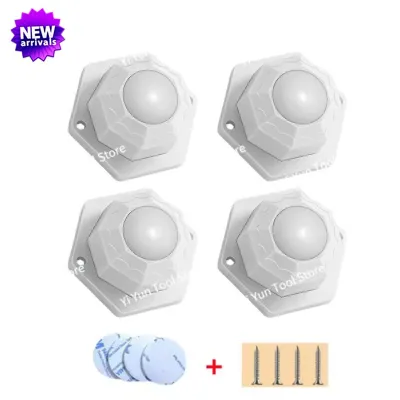
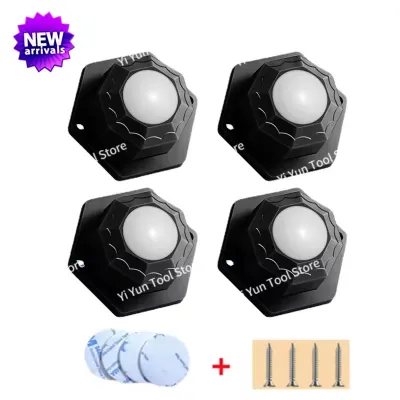
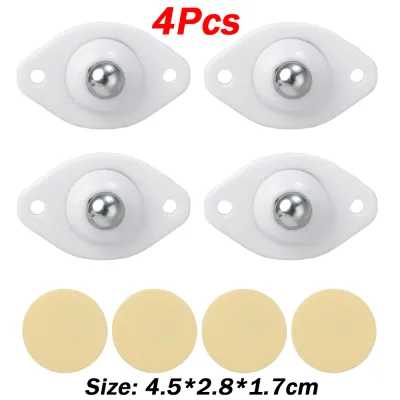
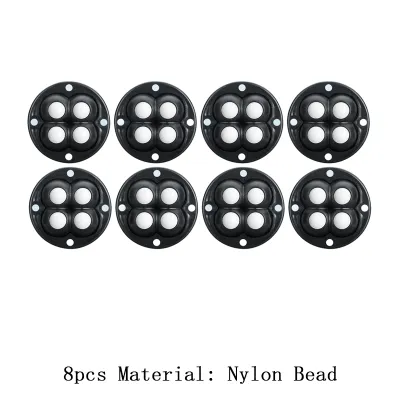
![[OKLIFE. SG]Multi-Color Self Adhesive Swivel Caster Wheel Lockable ke Punch-Free Heavy Duty Furniture Storage Roller](https://img.lazcdn.com/g/p/c9f77593c4dae2ebd54b40cf7388a632.jpg_400x400q80.jpg_.webp)
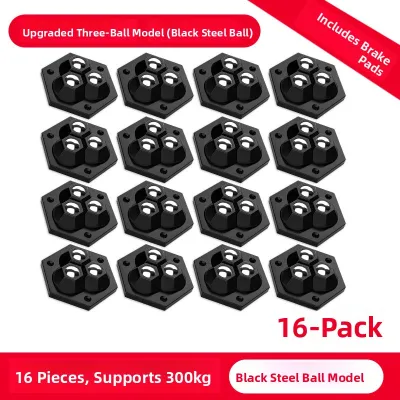
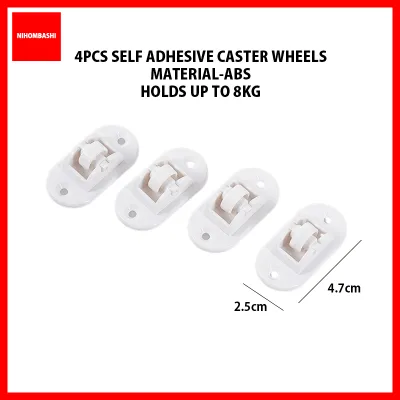
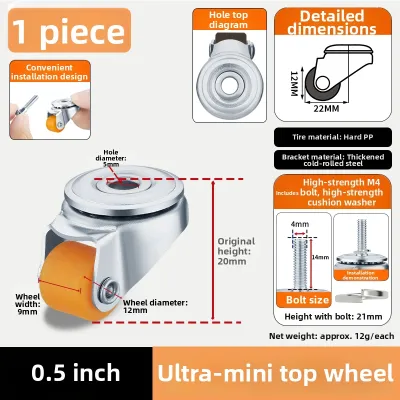
Prices are valid at publication and may change. Please refer to the product page for the latest price.
The combined load capacity of all installed wheels must comfortably exceed the total weight of the loaded furniture. For safety, distribute the weight evenly and do not push the limits of the adhesive. If you plan to place heavy books or liquid containers on the furniture, factor these dynamic loads into your calculations.
Evaluate the bottom surface of the furniture. Adhesive backings require a flat, smooth, and non-porous substrate to establish a complete bond. Sealed wood, polished metal, smooth plastic, and high-pressure laminates are highly compatible with adhesive pads.
Conversely, avoid using adhesive wheels on uneven, textured, raw, or unfinished surfaces. Unfinished wood, porous stone, or dusty surfaces will prevent the adhesive from sticking properly. For heavy, structurally critical furniture such as large sofas, dining tables, or bed frames, avoid adhesive options entirely. These items require screw-mounted or stem-mounted casters to ensure structural safety and prevent sudden collapse.
Gathering the Right Tools and Materials
Having the right tools prepared ensures a seamless installation process. Gather these essential items before you begin:

- Adhesive caster wheels: Select wheels rated for your specific load requirements.
- Cleaning solvent: Isopropyl alcohol (rubbing alcohol) is highly recommended for removing surface oils.
- Wiping cloths: Use lint-free microfiber cloths to avoid leaving dust or fibers behind.
- Measuring and marking tools: A measuring tape and a pencil or low-tack masking tape to mark placement.
- Optional pressure aids: A rubber mallet (only if explicitly recommended by the caster manufacturer) or small weights to help maintain uniform pressure during the initial bond.
Step-by-Step Installation Process
Preparing and Cleaning the Surface
The longevity of an adhesive bond depends heavily on the cleanliness of the surface. Dust, grease, manufacturing oils, and old adhesive residue will form a barrier that prevents the adhesive from contacting the furniture base. Wipe the target areas thoroughly with a microfiber cloth dampened with isopropyl alcohol. If the surface has stubborn grime, clean it first with a mild, non-abrasive soap solution, rinse with a damp cloth, and finish with an isopropyl alcohol wipe.
In Singapore’s high-humidity climate, moisture can easily become trapped beneath the adhesive pad, which rapidly degrades the bond over time. You must allow the cleaned surface to dry completely. Wait at least 15 minutes to ensure all liquid has fully evaporated before applying the adhesive. Always check the applied product’s label and the treated item’s manufacturer instructions first. If instructions conflict, or if the material is unidentified, stop and consult the manufacturer.
Planning the Placement and Alignment
Proper placement prevents the furniture from tipping and ensures smooth rolling. Use your measuring tape to identify the optimal mounting points. These spots should be positioned near the outer corners or the primary structural support points of the furniture’s base. Placing the wheels too far inward creates instability, while placing them too close to the edge may cause the adhesive pad to overhang.
Ensure the adhesive pads sit entirely on a flat surface with no overhang. If you are installing rigid casters, align them perfectly parallel so they roll in the same direction. For swivel casters, verify there is sufficient clearance for the wheels to rotate a full 360 degrees without hitting the furniture’s legs, base trim, or adjacent wheels. Mark the exact boundaries of each caster base using a pencil or small pieces of masking tape.
Applying the Adhesive Wheels
When you are ready to mount the wheels, carefully peel away the protective backing from the adhesive pad. Avoid touching the exposed adhesive with your fingers, as natural skin oils will immediately reduce its bonding capacity. Align the caster base precisely with your penciled guidelines.
Press the wheel firmly onto the marked spot. Apply steady, heavy, and even pressure across the entire surface of the caster base for the duration specified by the manufacturer, typically between 30 and 60 seconds. This pressure forces out any trapped air bubbles and ensures maximum surface contact. For larger caster bases, you can use a clean cloth or a small roller to distribute your weight evenly across the entire mounting plate.
Allowing Proper Curing Time
Do not use or flip the furniture immediately after application. The adhesive requires a dedicated curing window to reach its maximum structural strength. Refer to the manufacturer’s guidelines for the exact curing time, which commonly ranges from 12 to 24 hours. Moving the furniture or applying weight too early will shear the microscopic bonds, leading to sudden failure later.
Keep the furniture completely unloaded and in a stable position during this period. In Singapore, where humidity levels are consistently high, it is best to cure the adhesive in a well-ventilated, air-conditioned room. Air conditioning lowers the ambient humidity, which aids the chemical bonding process. Keep the item away from damp areas like kitchens or bathrooms until the curing process is fully complete.
Testing the Bond and Verifying Stability
Before loading your furniture with books, files, or household items, you must verify the stability of the installation. Start by keeping the furniture completely empty. Place it upright on a flat floor and press down firmly on the top of the furniture directly above each wheel. Visually inspect the edges of the adhesive pads to ensure there is no lifting, peeling, or separation from the furniture base.
Next, slowly roll the empty furniture a short distance across the floor. Observe the movement closely. The wheels should glide smoothly, and swivel casters should rotate without binding or catching. Listen for any unusual sounds, such as cracking or peeling.
If you observe any lifting, uneven rolling, or adhesive separation, stop immediately. Remove any weight, inspect the mounting surface, and reassess the installation. Do not use the furniture if the bond appears compromised.
Common Installation Mistakes and Safety Boundaries
Many adhesive caster failures are entirely preventable. The most common error is skipping the cleaning phase, which leaves a microscopic layer of dust that ruins the bond. Another frequent mistake is applying adhesive pads to highly textured, curved, or porous surfaces that do not allow for full surface contact. Overloading the furniture beyond the rated capacity of the wheels will also cause the adhesive to fail under shear stress.
Premature use is another major cause of failure. Moving the furniture before the adhesive has fully cured disrupts the bonding process, making the wheels prone to falling off under minimal load.
Establish clear boundaries for when to abandon adhesive methods. If your furniture’s base is warped, uneven, or made of a highly delicate material, do not use adhesive casters. If the total weight of the loaded furniture exceeds the specified limits of the adhesive wheels, or if the furniture manufacturer’s care instructions explicitly warn against adhesive modifications, stop immediately. In these cases, opt for secure screw-mounted caster wheels or consult a professional furniture technician to avoid damaging your home’s flooring.
Safely Removing Adhesive Caster Wheels
If you need to remove the adhesive casters for replacement or to restore the furniture to its original state, you must do so carefully to avoid damaging the finish. Use a hairdryer on a low-to-medium heat setting to gently warm the adhesive joint. Keep the hairdryer moving constantly to prevent localized overheating, which can warp wood veneers, melt plastic, or blister paint.
Once the adhesive has softened and become pliable, gently slide a plastic scraper or a dull plastic putty knife beneath the caster base. Slowly pry the wheel upward, applying steady pressure. Avoid using metal screwdrivers or metal putty knives, as these can easily gouge wood, scratch laminate, or tear finishes. Work slowly around the perimeter of the pad until the wheel releases.
To clean the remaining sticky residue, dampen a microfiber cloth with isopropyl alcohol or a dedicated adhesive remover. Gently rub the residue in a circular motion. Always check the furniture manufacturer’s care guidelines first, and test any chemical residue remover on a hidden, inconspicuous area to ensure it does not discolor or strip the paint, varnish, or lacquer finish.
Frequently Asked Questions (FAQ)
Can adhesive caster wheels support heavy furniture like sofas or beds?
No, adhesive caster wheels are not designed to support heavy or dynamically loaded furniture such as sofas, beds, dining tables, or large solid-wood wardrobes. These heavy items exert immense downward force and lateral shear stress whenever someone sits down or moves the furniture. This sudden force will easily break the adhesive bond, causing the wheels to detach and potentially damaging your flooring. For heavy furniture, always use robust screw-mounted or stem-mounted casters that anchor directly into the structural frame of the piece.
Will the adhesive damage wood finishes or leather?
Yes, high-strength adhesives can potentially damage delicate finishes, including varnishes, paints, wood veneers, and leather. When the adhesive is removed, it can strip away the top layer of paint or lacquer, leaving unsightly marks. Before applying any adhesive caster wheels, check the furniture manufacturer’s care guidelines. Always perform a spot test by applying a small piece of the adhesive tape or the residue remover to a hidden, inconspicuous area of the furniture first to verify compatibility before proceeding with the full installation.
Community discussion
Share your experience or ask a question. Comments are reviewed before publication.