
Positioning a leg rest with a bean bag requires aligning the height of the rest with the natural dip of your seat and keeping the distance close enough to support your calves without leaving your lower back suspended. When watching television, your body naturally sinks into the bean bag, which can lead to slouching if your legs are left flat on the floor or extended without support. Placing a dedicated leg rest approximately a few inches from the edge of the bean bag allows your knees to remain slightly bent, distributing your weight evenly and keeping your spine in a neutral, relaxed position.
By establishing this continuous line of support from your hips to your heels, you prevent the pelvic tilting that often causes discomfort during long viewing sessions. This setup allows you to enjoy the casual comfort of a bean bag while maintaining the structural alignment necessary to protect your back and neck.
Why Leg Elevation Matters for Bean Bag Posture
Bean bags are incredibly comfortable because they contour to your body’s shape. However, this flexibility means the filling shifts as you sit, often causing you to slide downward into a slouched posture over time. This slouching flattens the natural curve of your lower back, putting extra pressure on your spinal discs and forcing your neck muscles to work harder to keep your eyes level with the TV screen.
Products mentioned in this guide
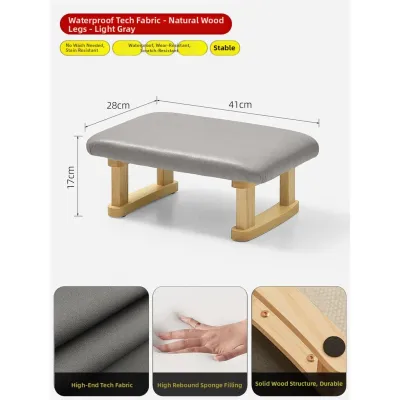
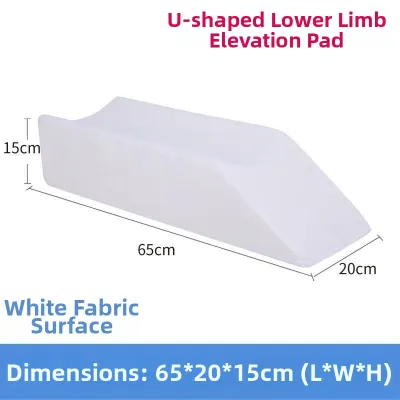
3 Lazada user ratings
Comfort: soft Durability: hope it can last long Material: cloth material - i have to make sure it doesn’t get wet.
Comfort:put my knee on it, feeling good
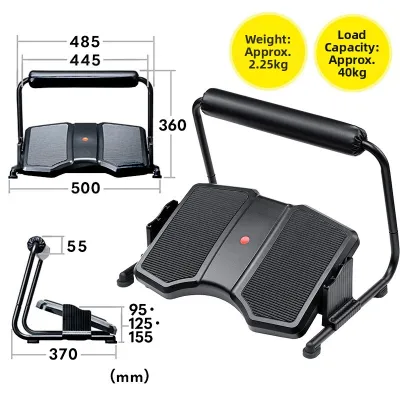
9 Lazada user ratings
This is definitely a good product, a must-have for those who sit for long periods. However, as previous reviews mentioned, the highest setti…Read full reviewShow less
This is definitely a good product, a must-have for those who sit for long periods. However, as previous reviews mentioned, the highest setting is a bit too high and not very reasonable. It would be better if the lowest setting was the highest, meaning the overall height needs to be lower.
User experience: Good. No extra charges.
The quality is really good.

45 Lazada user ratings
It feels a bit like the material of a life ring, but thicker. I just inflated it and tried it out, and it seems pretty good. I often take a …Read full reviewShow less
It feels a bit like the material of a life ring, but thicker. I just inflated it and tried it out, and it seems pretty good. I often take a nap in the car during lunch, but my feet don't have anywhere to go, which can be tiring. With this, I hope I can catch a nice nap tomorrow afternoon.
The price is reasonable, it's easy to inflate, but it needs to air out a bit. For long trips, it's quite comfortable and offers good value, …Read full reviewShow less
The price is reasonable, it's easy to inflate, but it needs to air out a bit. For long trips, it's quite comfortable and offers good value, though it's a pity it doesn't come with a storage bag.
It's easy to carry around, height adjustable, and inflates quickly. On this spring festival trip back home, the back seat was super comforta…Read full reviewShow less
It's easy to carry around, height adjustable, and inflates quickly. On this spring festival trip back home, the back seat was super comfortable for the ride.
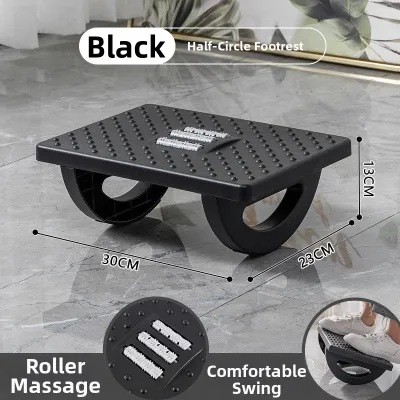
130 Lazada user ratings
Came in a pack but plastic pack holding the product torn & tear. Product after fixing looks ok but does not lok sturdy. will try it out in t…Read full reviewShow less
Came in a pack but plastic pack holding the product torn & tear. Product after fixing looks ok but does not lok sturdy. will try it out in the coming days.
Matches the description and effectively helps me stop crossing my legs. The height is just right, and the style is very versatile.
It's pretty good. The material is lightweight and breathable, but it's sturdy enough for a footrest and the height is just right.
simple design and fitting it is simply also. might not be suitable for heavy usage.
Looks okay okay. Self assemble, but seems simple. Not yet try
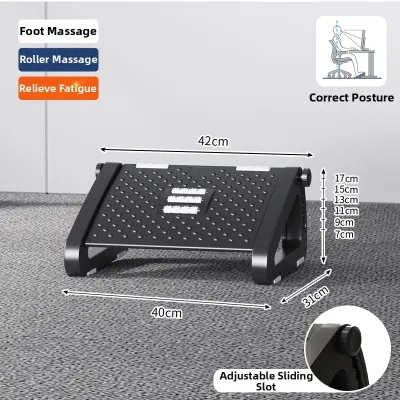
21 Lazada user ratings
The price is really reasonable and offers great value.
Easy to assemble and works quite well.
Great value for money, really nice!
well packed, yet to open
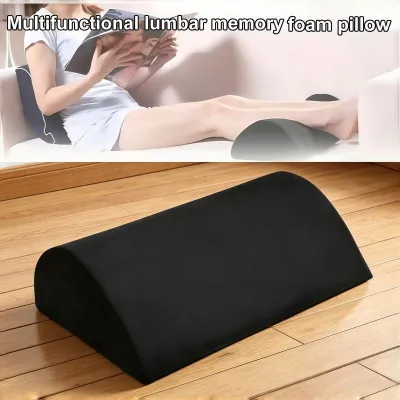
Prices are valid at publication and may change. Please refer to the product page for the latest price.
Elevating your legs helps counteract this downward slide. By raising your lower limbs, you tilt your pelvis slightly backward into a more stable position, which naturally aligns your spine and reduces pressure on the lumbar region. This elevation also assists venous return, improving circulation back to your heart during long periods of sitting and reducing the likelihood of fluid pooling in your lower legs.
You can easily spot when your seating setup is causing physical fatigue. If you find yourself constantly shifting to find a comfortable spot, experiencing stiffness in your lower back when standing up, or feeling a dull ache in your neck, your posture is likely compromised. These observable signs indicate that your muscles are working too hard to keep you upright, signaling that your body needs better structural support.
Choosing the Right Leg Rest for Your Setup
To achieve a supportive setup, you must match the leg rest height to the compressed seated depth of your bean bag. Because bean bags sink when you sit on them, measuring the height of the bean bag while empty can lead to buying a leg rest that is far too tall. Sit in the bean bag first, measure the height from the floor to the back of your knees, and look for a leg rest that matches or sits slightly below this compressed height.

When shopping, prioritize checking the manufacturer labels for weight capacity, base stability, and recommended care instructions. Do not assume that a material name like “heavy-duty canvas” or “premium faux leather” automatically guarantees durability or stability. A stable base is crucial; if the leg rest tips easily when you apply pressure with your heels, it will not provide reliable support and could cause you to lose your balance.
Additionally, consider the physical dimensions of your room and the available space around your seating area. A leg rest that is too large can block walkways and make it difficult to get in and out of the bean bag safely. Ensure the leg rest is light enough to move when you need to clean the room, but heavy enough to remain anchored when in use.
The surface texture of the leg rest also plays a major role in comfort. Look for a surface that offers enough friction to keep your legs from sliding off, especially if you wear smooth fabrics like satin or polyester loungewear. The width of the leg rest should be generous enough to accommodate your natural leg splay without your feet falling off the sides.
Step-by-Step Guide to Positioning Your Leg Rest
Step 1: Position the Bean Bag
Start by placing your bean bag directly facing the television screen. Avoid placing it at a sharp angle, which forces you to twist your neck or torso to see the screen, leading to muscle strain over time. Ensure the distance is appropriate for your screen size so you do not have to strain your eyes or lean forward to follow the action.
Step 2: Place the Leg Rest
Set the leg rest in front of the bean bag. When you extend your legs, the rest should support the bulk of your calves and your heels, rather than just your ankles. Your knees should maintain a soft, natural bend of about 10 to 15 degrees, which prevents hyperextension and keeps your leg muscles relaxed.
Step 3: Adjust the Gap
Slide the leg rest closer to the bean bag until there is only a minimal gap between the two. If the gap is too wide, your thighs will hang unsupported in mid-air, which pulls your pelvis forward and leaves your lower back suspended without proper contact with the bean bag’s filling. Closing this gap ensures continuous support from your lower back down to your feet.
Step 4: Sit and Make Micro-Adjustments
Sit fully back into the bean bag, allowing the filling to contour around your hips and lower back. Extend your legs onto the rest and assess how it feels. If you feel tension behind your knees, slide the leg rest slightly closer; if your knees feel pushed too high, push the leg rest slightly further away until you achieve a relaxed, weightless sensation.
Adjusting for Extended TV Viewing Sessions
Even with an ideal setup, staying in one position for hours can lead to muscle fatigue. It is important to shift your weight and slightly adjust the angle of your leg rest every 30 to 45 minutes. Small movements help redistribute pressure across your glutes and thighs, preventing localized stiffness and keeping your muscles active.
As you watch TV, the filling inside your bean bag will gradually compress and shift away from your body. To combat this loss of support, keep a small, firm lumbar cushion nearby. You can tuck this cushion directly behind your lower back to fill any gaps that form as the bean bag flattens, maintaining the natural curve of your spine throughout the movie or show.
Pay close attention to your body’s physical signals during a long viewing session. If you experience numbness, tingling, or a “pins and needles” sensation in your legs or feet, your circulation is being restricted. Treat these signals as an immediate cue to stand up, stretch your legs, and walk around for a few minutes to restore healthy blood flow before sitting back down.
Common Posture Mistakes to Avoid
One of the most frequent errors is elevating the legs too high. If your leg rest is taller than your compressed seating position, your knees will be positioned higher than your hips. This elevation forces your pelvis to tilt backward, flattening your lumbar curve and placing an intense, fatiguing strain on your lower back muscles.
Another common mistake is leaving too much space between the bean bag and the leg rest. When a wide gap exists, your thighs are left completely unsupported, forcing your hip flexors and thighs to bear the weight of your legs. This constant muscle tension can restrict blood flow and lead to early fatigue and cramping.
Additionally, avoid resting only your heels or Achilles tendons on a sharp or hard edge of the leg rest. Concentrating all the weight of your legs onto a narrow, hard surface can compress sensitive nerves and blood vessels in your ankles. Always ensure your weight is distributed evenly across the broad, cushioned surface of your calves.
Frequently Asked Questions (FAQ)
Can I use a regular footstool instead of a dedicated leg rest?
Yes, you can use a regular footstool, but you must pay attention to its height and surface area. Standard footstools are often designed for upright armchairs and may be too high or too hard for the low, sunken seating position of a bean bag. A dedicated leg rest typically features an angled or contoured top that matches the natural slope of your extended legs.
If you do not have a dedicated leg rest, you can safely adapt a lower footstool by placing a firm, flat cushion on top of it. Ensure the cushion is secured so it does not slide off, and adjust the height so that your knees remain slightly bent. Avoid using soft, fluffy pillows, as they do not provide the structural support needed to keep your legs stable.
How do I stop the leg rest from sliding away from the bean bag?
On smooth indoor floors like hardwood, laminate, or tile, a lightweight leg rest can easily slide away as you shift your weight. To prevent this, place a non-slip rug pad or small silicone grippers directly under the base of the leg rest. These accessories provide excellent grip without damaging your flooring.
You should also regularly inspect the bottom of your leg rest feet. Over time, built-in rubber pads can wear out, accumulate dust, or lose their grip. Clean them with a damp cloth to remove debris, or replace them according to the manufacturer’s instructions to ensure the leg rest remains firmly anchored during your TV viewing sessions.
Community discussion
Share your experience or ask a question. Comments are reviewed before publication.