
Achieving a cohesive, clutter-free aesthetic in a standard Singapore HDB flat can be challenging due to structural constraints like bomb shelters, tight structural columns, and limited floor areas. Planning a room-by-room layout using modular MUJI organizers requires precise physical measurements, matching specific storage materials to room-specific humidity levels, and selecting standardized dimensions that can be reconfigured as your household needs evolve. By taking a systematic approach to space planning, you can transform tight corners into highly functional storage zones while maintaining a clean, minimalist look.
How do you measure your HDB space and assess storage needs before purchasing?
To measure your HDB space and assess storage needs accurately, you must record the exact three-dimensional boundaries of your target areas and categorize your household inventory by weight, size, and frequency of use. This ensures that the modular organizers you purchase fit physically and support your items without structural failure. Relying on visual estimates or generic floor plans often leads to purchasing units that block walkways or fail to fit into designated alcoves.
When measuring your rooms, always account for structural protrusions such as skirting boards, which can reduce your usable floor width by one to two centimeters. Note the locations of power outlets, light switches, and data ports to avoid blocking access to essential utilities. Additionally, measure the swing clearance of bedroom doors, wardrobe doors, and household shelter doors to ensure your planned storage units do not obstruct daily movement.
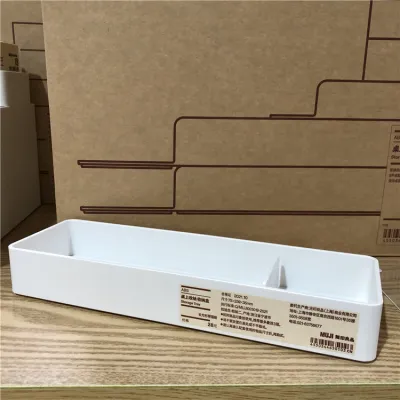
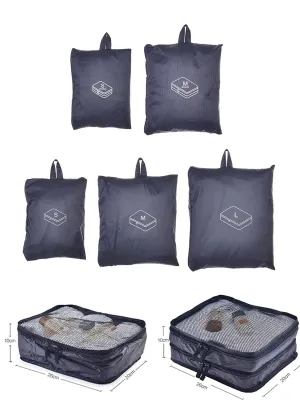
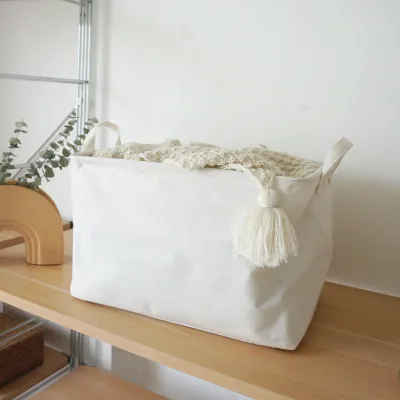
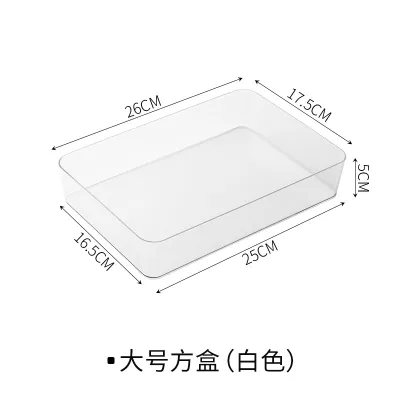
Products mentioned in this guide


77 Lazada user ratings
Compact and practical, Durable material and good organizer for travel.
Good Quality and size is just right ! item received in good condition.
Excellent craftsmanship, Compact and practical,
Compact and practical, Great for organizing,
Timely delivery. Will see how well it lasts.
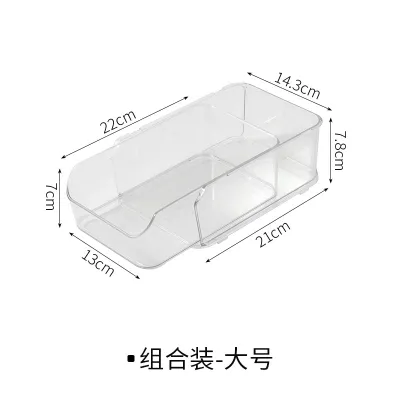
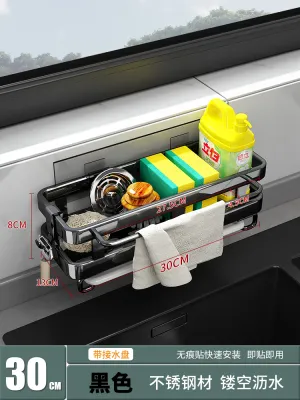
Prices are valid at publication and may change. Please refer to the product page for the latest price.
Before finalizing your purchase, check the delivery pathway from the building’s loading bay to your flat. Measure the height and width of the lift door, the internal lift cabin, and your front entryway to ensure that large pre-assembled shelving units or long flat-pack boxes can be safely transported into your home. If your corridors have tight corners, verify that long packages can clear the turning angles without damaging the walls.
Next, group your household items to determine the required load capacity and drawer depths. Heavy items like books, ceramic tableware, and small kitchen appliances require sturdy shelving frames with verified weight capacities, while lightweight items like clothing, stationery, and linens can be housed in lighter plastic drawers. Always cross-reference your physical measurements with the manufacturer’s official product specifications rather than assuming a standard size will fit.
Which modular systems are most effective for HDB living and dining areas?
The most effective modular systems for HDB living and dining areas are freestanding, open-frame shelving units combined with customizable modular inserts, which allow you to balance open display space with concealed storage. These systems maintain visual lightness in communal areas while keeping everyday items organized and accessible. Choosing the right configuration depends on your room’s traffic flow and visual weight.

Freestanding shelving units, such as steel or wooden modular frames, offer excellent vertical storage without the need for permanent wall-mounting. For smaller living rooms, low-profile consoles help keep the sightlines open, making the space feel larger and more inviting. If you choose taller shelving units, place them against solid walls away from main walkways to prevent the room from feeling cramped.
To keep miscellaneous items like remote controls, charging cables, and toys out of sight, select modular inserts that fit precisely into standard shelf cubbies. Options such as soft polyester baskets, woven rattan boxes, or translucent polypropylene drawers allow you to customize the level of visibility. This modular approach lets you hide visual clutter while keeping frequently used items within arm’s reach.
In the dining area, modular sideboards are highly effective for storing tableware, table linens, and dry food packs. When organizing these units, place heavy ceramic plates, serving bowls, and bottled drinks on the lowest shelves to maintain a low center of gravity. This placement ensures the structural stability of the sideboard and prevents the unit from becoming top-heavy.
For any tall shelving units placed in high-traffic family areas, prioritize structural stability and safety. Check the manufacturer’s instructions regarding anti-tip hardware and wall-anchoring requirements. Before drilling, verify whether your HDB walls are structural concrete or hollow partition walls, as this determines the correct type of wall plugs and screws needed to secure the shelving safely.
How do you configure bedroom wardrobes and under-bed storage for a clean look?
Configuring bedroom wardrobes and under-bed storage for a clean look involves combining hanging space with stackable drawer cases inside the closet and utilizing low-profile, wheeled containers beneath the bed frame. This layout maximizes hidden storage zones while keeping daily apparel organized and out of sight. A well-planned bedroom layout reduces visual noise, promoting a more restful environment.
Start by measuring the internal height, width, and depth of your built-in or freestanding wardrobe. Many standard wardrobes leave unused vertical space beneath hanging rods, which is ideal for stackable plastic drawer cases. By selecting drawers of varying heights, you can create a customized chest of drawers inside your wardrobe to house folded t-shirts, activewear, and accessories.
To keep the interior of your drawers orderly, utilize adjustable internal dividers or small fabric organizers. Grouping small items like socks, underwear, and belts into dedicated compartments prevents them from shifting and creating chaos when the drawers are opened. This simple step ensures that every item has a designated home, making it easier to maintain organization over time.
Under-bed storage is an excellent way to utilize otherwise wasted space for seasonal items, extra bedding, or travel gear. Choose low-profile storage boxes equipped with wheels or split lids for easy access. Before purchasing, measure the exact clearance height between the floor and the bottom of your bed frame, and check that your bedside tables or rugs do not block the boxes from sliding out smoothly.
When stacking plastic drawer cases inside your wardrobe or in a closet, always check the manufacturer’s recommended weight limits. Overloading upper drawers with heavy winter wear or dense fabrics can cause the plastic frames to warp or sag over time. This warping can make the drawers difficult to slide open and may compromise the stability of the entire stack.
What organizer materials and layouts withstand HDB kitchen and bathroom conditions?
To withstand the high humidity and temperature fluctuations of HDB kitchens and bathrooms, you should select non-porous materials like stainless steel, hard acrylic, or moisture-resistant polypropylene. These materials resist warping, mold growth, and water damage when arranged in well-ventilated layouts. Choosing the wrong materials in these wet zones can lead to rapid deterioration and hygiene issues.
For kitchen countertops and under-sink cabinets, prioritize stainless steel wire racks or polypropylene drawer units. These materials do not absorb moisture and are easy to wipe clean in the event of spills or leaks. Avoid using untreated wood, fiberboard, or paper-based organizers in these areas, as standing water and high humidity can cause them to swell, warp, and harbor mold.
In tight kitchen layouts, utilize narrow vertical gaps between appliances or cabinets by installing slim rolling carts or narrow shelving units. When planning these layouts, ensure you maintain the ventilation clearances specified by your refrigerator and oven manufacturers. Blocking these air gaps can cause appliances to overheat, reducing their efficiency and lifespan.
In the bathroom, select storage solutions made of clear acrylic or durable polypropylene that can withstand direct water splashes. These materials allow you to see the contents clearly while resisting water damage. Avoid using porous materials like natural rattan, seagrass, or untreated bamboo in wet zones, as they trap moisture and are highly susceptible to mildew.
Always review the care instructions and material limitations of your organizers before placement. Do not position heat-sensitive plastic drawers or organizers directly adjacent to stoves, ovens, or other heat sources. Additionally, check any metal components regularly for signs of rust, especially in poorly ventilated bathrooms, and wipe them dry to prolong their service life.
How can you unify the styling and labeling across all rooms for a cohesive aesthetic?
Unifying your styling and labeling across all rooms requires establishing a consistent color palette of neutral tones, using identical labeling fonts, and maintaining balanced spacing on open shelves. This disciplined approach creates a seamless visual transition from the living room to the bedroom, reinforcing a minimalist design. Consistency is key to achieving a calm, intentional home environment.
To prevent visual fragmentation, limit your organizer choices to a few complementary materials and colors throughout the flat. Combining light oak wood, matte white plastic, and brushed steel creates a cohesive look that ties different rooms together. Avoid mixing too many contrasting textures or bright colors, which can make even an organized room feel visually cluttered.
Implement a uniform labeling system using a simple label maker with a consistent font, size, and tape color, such as black text on clear or matte white tape. Labeling opaque boxes and deep drawers ensures that all household members can locate and return items to their proper places easily. This practice maintains the clean exterior look of your storage units while eliminating the need to rummage through multiple boxes.
When styling open shelving, apply consistent spacing and alignment principles to maintain visual calm. Avoid packing every shelf to its maximum capacity; instead, leave some empty space around items to create a sense of balance. Grouping similar items together and aligning them with the edges of the shelves creates a clean, structured appearance that looks intentional rather than accidental.
Finally, plan for future flexibility by choosing standardized modular sizes that can be easily relocated between rooms. As your storage needs change over the years, standardized drawer units and boxes can transition seamlessly from a study desk to a bedroom wardrobe or a living room shelf. This adaptability ensures your storage system remains functional and cohesive long into the future.
Community discussion
Share your experience or ask a question. Comments are reviewed before publication.