
Planning a DIY modular shelf layout in a compact Singapore apartment requires a balance of precise measurement, system selection, and structural awareness. Utilizing vertical space effectively can transform a cramped HDB flat or condominium into an organized, functional home. By taking the time to assess your walls, choose compatible components, and install them securely, you can create a customized storage solution tailored to your lifestyle.
Assess Your Space and Storage Needs
To design an efficient modular shelf layout, begin by mapping the physical boundaries of your room. In compact apartments, every millimeter counts, making precise measurements essential. Use a metal tape measure to record the width and height of your target wall, taking care to measure at multiple points to account for slightly uneven surfaces.
Do not overlook fixed architectural features that can disrupt your installation. Skirting boards at the base of the wall can prevent freestanding units from sitting flush, while light switches, power outlets, and air conditioning conduits require clear clearance. Additionally, measure the swing paths of nearby doors and windows to ensure your shelves will not obstruct daily movement.
Products mentioned in this guide
![[SG Stock] Bookcase Shelves Household Living Room Shelves Random Combination Of Storage /Complimentary Backplane](https://img.lazcdn.com/g/p/ccbec9b8f1f1e312ece25d7dd3808c24.jpg_webp_400x400q80.jpg_.webp)
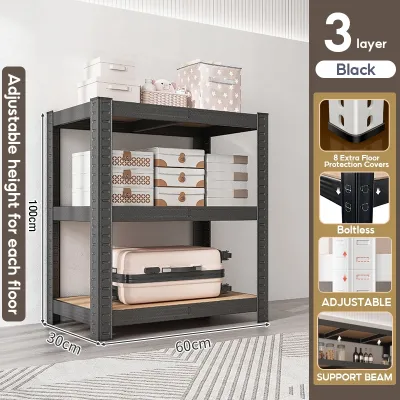
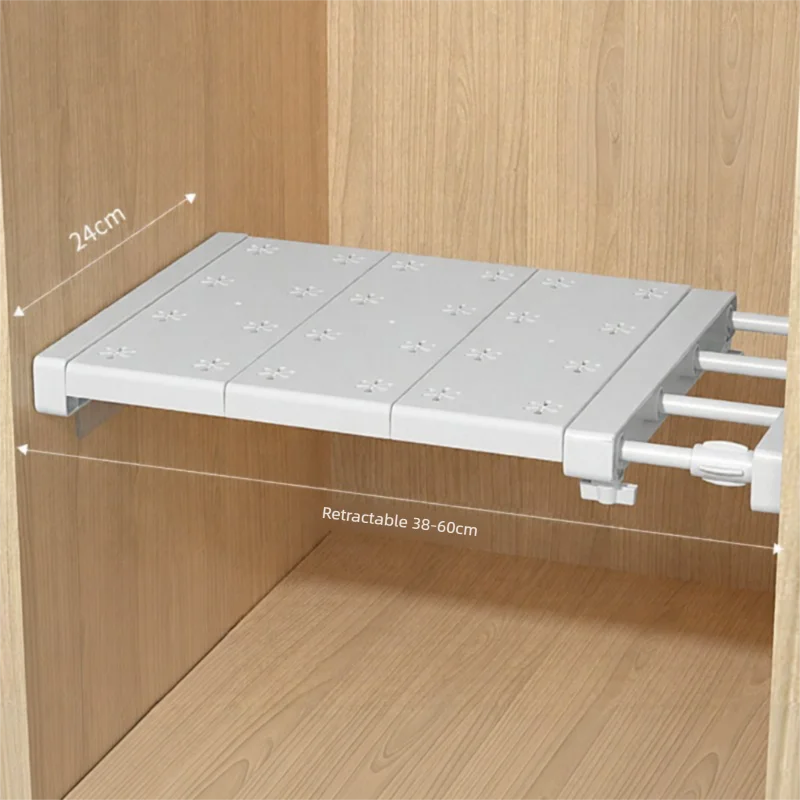
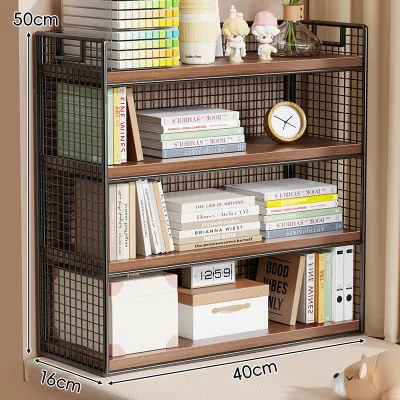
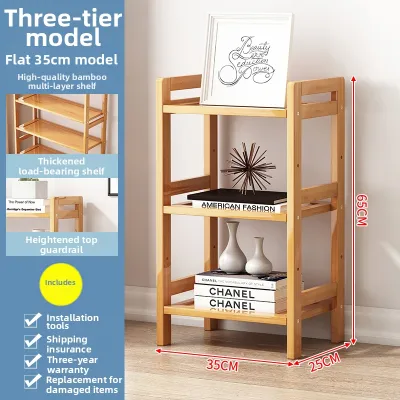
Prices are valid at publication and may change. Please refer to the product page for the latest price.
Next, analyze the items you plan to store. Group your belongings into categories such as heavy books, lightweight decorative items, kitchen appliances, or storage boxes. Note the height, depth, and weight of these items to determine the depth of the shelves you need and the load-bearing capacity your system must support. This step prevents you from purchasing shelves that are too shallow for your storage boxes or too weak for your books.
Choose the Right Modular Shelf System
Selecting the appropriate modular system depends on your storage goals, wall type, and whether you own or rent your home. Track-based upright systems are highly versatile, utilizing vertical metal tracks mounted directly to the wall, allowing you to adjust bracket heights easily. These systems are ideal for maximizing vertical wall space but require secure wall anchoring.

For renters or those who prefer not to drill into walls, freestanding stackable cubes or modular ladder shelves offer a flexible alternative. These units stand on the floor and can be rearranged or expanded horizontally and vertically as your needs change. Grid panel systems provide a lightweight, modern aesthetic, perfect for hanging smaller items in study areas or kitchens, though they support less weight than track-based systems.
Given the humid tropical climate, material selection is critical for long-term durability. If choosing metal components, verify that they feature a powder-coated or rust-resistant finish to prevent corrosion. For wooden shelves, check that engineered wood panels have fully sealed edges or opt for solid wood options treated to resist moisture absorption, which prevents warping and swelling over time. Always review the manufacturer’s component compatibility and load specifications to ensure the system can safely support your intended items.
Design the Shelf Layout and Configuration
Designing your layout requires balancing storage capacity with visual comfort to keep a small room feeling open and airy. Avoid the temptation to cover an entire wall with solid shelving, which can make a compact living room or bedroom feel cramped. Instead, mix open shelves with closed modular cabinets or drawers to hide clutter while displaying curated items.
Apply structural physics to your layout by placing the heaviest items on the lowest shelves. This configuration keeps the center of gravity low, enhancing the stability of freestanding units and reducing stress on the upper wall anchors of wall-mounted systems. Keep frequently accessed items, such as daily-use kitchenware or work documents, at eye level, while placing seasonal or rarely used items on the highest shelves.
Leave dedicated flexible zones within your design to accommodate future changes. Modular systems excel because they can adapt; by leaving empty space on a track or reserving room for an extra stackable cube, you ensure your storage can grow. This adaptability is particularly useful in multi-functional spaces, such as a home office that also serves as a guest room.
Prepare for Installation and Assembly
A successful DIY installation relies on having the correct tools and understanding your apartment’s wall construction. Gather essential equipment before starting, including a high-quality power drill, a spirit level, a tape measure, a pencil, and safety goggles. Using a spirit level is non-negotiable, as even a slight misalignment in your initial measurements will cause shelves to slope and put uneven stress on the brackets.
Identifying your wall type is crucial for selecting the correct fixing hardware. Most HDB flats feature reinforced concrete structural walls or precast concrete internal walls, which require a rotary hammer drill and specialized masonry drill bits to penetrate. If you are mounting shelves on drywall partitions, which are common in some condominium layouts, you must use hollow wall anchors or toggle bolts rather than standard plastic wall plugs.
Before you begin drilling, clear a wide workspace around the wall to allow room for assembly and movement. Lay down cardboard or a drop cloth to protect your flooring from plaster dust and accidental scratches from metal brackets. Double-check the wall with a stud finder or cable detector to ensure you do not drill into hidden electrical wiring or water pipes.
Install and Configure the Modular Shelves
Begin the installation by marking your reference points on the wall. Hold the first vertical track or bracket against the wall at the desired height, place your spirit level against it to ensure it is perfectly vertical, and mark the screw holes with a pencil. Drill the first hole, insert the appropriate wall anchor, and loosely secure the track to the wall.
Before tightening the first track completely, use the spirit level again to verify its alignment. For systems with multiple vertical tracks, measure the exact distance between them at both the top and bottom to ensure they run perfectly parallel. Use a horizontal shelf template or a laser level to align the screw holes of the second track with the first before drilling.
Once all tracks or uprights are securely anchored to the wall, tighten all screws firmly and check that there is no movement. Attach the shelf brackets to the tracks at your planned heights, then place the shelves onto the brackets. Press down firmly on each shelf to ensure it clicks or locks into place according to the manufacturer’s instructions. Conduct a final check with your spirit level across the width and depth of each shelf before placing any items on them.
Maintain and Adjust Your Shelf System
To keep your modular shelving system safe and functional, establish a simple maintenance routine. Periodically inspect the wall fixings, brackets, and structural joints to ensure nothing has loosened over time due to daily use or vibrations. If you notice any gaps forming between the wall and the tracks, remove the items immediately and tighten the hardware.
Clean the shelves and tracks regularly to prevent dust and grime buildup, which can interfere with adjustable brackets or sliding modules. Use a dry or slightly damp microfiber cloth to wipe down surfaces, avoiding harsh chemical cleaners that could damage protective powder coatings or wood finishes. If a spill occurs, dry the area immediately to protect the shelf material from moisture damage.
When reconfiguring your layout to accommodate new items, always refer back to the manufacturer’s original load limits. Avoid overloading a single shelf even if the overall system has a high weight capacity. Distribute weight evenly across the width of each shelf to prevent sagging, and adjust bracket heights gradually to maintain a balanced, stable configuration.
Frequently Asked Questions (FAQ)
Can I install modular shelves on hollow block walls?
Yes, you can install modular shelves on hollow block walls, but you must use specialized fixing hardware. Standard plastic wall plugs will not hold securely in the hollow cavities of these blocks. Instead, use heavy-duty toggle bolts, sleeve anchors, or spring toggle fixings designed specifically to expand behind the hollow wall face. If you are planning to store heavy items or are uncertain about the structural integrity of the wall, consult a qualified professional installer to assess the wall and perform the mounting safely.
How do I prevent modular shelves from tipping over?
Preventing modular shelves from tipping requires a combination of smart loading and secure anchoring. For freestanding modular units, always install the manufacturer-provided anti-tip wall straps or brackets to secure the top of the unit to the wall. When organizing your items, place the heaviest objects on the bottom shelves to lower the overall center of gravity. Avoid placing heavy items near the front edge of the shelves, and never allow children to climb or hang on the shelving structure.
Community discussion
Share your experience or ask a question. Comments are reviewed before publication.