
Organizing a bathroom vanity with cotton pad boxes is an efficient way to clear surface clutter, protect daily hygiene essentials from moisture, and establish a streamlined morning routine. By using these compact, structured containers, you can transform a chaotic countertop into a functional, zoned space where cotton pads, cotton swabs, and small grooming accessories are always within arm’s reach. The key to success lies in selecting boxes that match your vanity’s dimensions, grouping your essentials by usage frequency, and pairing your containers with complementary organizers to maximize every square centimeter of your bathroom.
Assess Your Vanity Space and Gather Supplies
Before purchasing any new storage containers, you must carefully evaluate the physical limits of your bathroom vanity. Use a measuring tape to record the exact width, depth, and height of your countertop, open shelves, and drawer interiors. Pay close attention to potential obstructions, such as the swing path of the faucet, the clearance beneath the mirror, and the space required to open cabinet doors fully. Knowing these finished dimensions prevents you from buying organizers that crowd the sink or block essential fixtures.
The humid environment of a bathroom requires careful consideration of container materials and construction. When selecting a cotton box, check the manufacturer’s product labels and care instructions to verify how the material handles moisture. Acrylic, polystyrene, and treated glass are popular choices because they resist water damage and are easy to wipe clean, whereas untreated wood or porous plastics may degrade or harbor mold over time. Additionally, inspect the lid design to ensure it fits securely enough to keep dust and water splashes out while remaining easy to lift with one hand during your daily routine.
Products mentioned in this guide
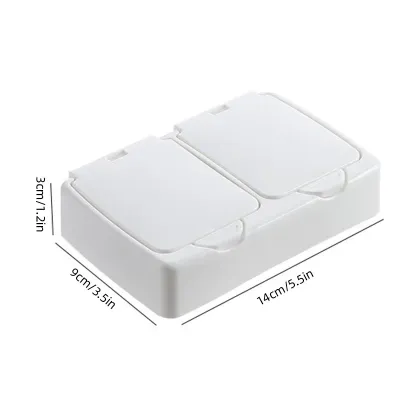
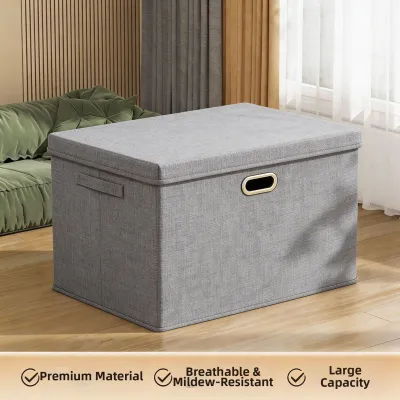
Prices are valid at publication and may change. Please refer to the product page for the latest price.
Preparing your workspace is the final step before organizing. Gather basic cleaning supplies, such as a microfiber cloth, a mild surface cleaner, and a small brush for tight corners. Emptying the vanity and thoroughly wiping down the countertop, drawers, and existing containers ensures you are starting with a sanitary, dust-free foundation. This initial cleaning also gives you a clear view of the available space, making it much easier to visualize where your new cotton boxes and other organizers will sit.
Declutter and Categorize Your Bathroom Essentials
A successful organization project begins with a thorough decluttering process. Start by removing every single item from your vanity surface, drawers, and cabinets, placing them on a clean, dry surface like a nearby table. This complete evacuation forces you to confront the actual volume of products you own and prevents you from simply shifting clutter from one corner to another. Take this opportunity to inspect every item, discarding expired skincare products, empty bottles, dried-up cosmetics, and tools you no longer use.

Once you have weeded out the waste, group the remaining items by their frequency of use and general category. Create distinct piles for daily skincare, weekly treatments, makeup, hair care, and oral hygiene. Categorizing your items this way reveals exactly how much storage space you need for each routine. It also helps you identify which products must remain on the countertop for immediate access and which ones can be tucked away in drawers or lower cabinets to keep the vanity surface clear.
With your items sorted, identify which small, loose essentials are best suited for a cotton box. Items like cotton pads, cotton swabs, hair ties, bobby pins, and reusable makeup remover rounds are ideal candidates for these compact containers because they tend to scatter when left loose. Larger items, such as tall lotion bottles, hair dryers, and makeup palettes, will not fit in a standard cotton box and should be set aside for larger bins, trays, or baskets. This clear division ensures that every item is assigned to a container that matches its size and shape.
Arrange and Zone Using Cotton Pad Boxes
Zoning your vanity involves assigning specific cotton boxes to distinct categories of small items to prevent cross-contamination and maintain order. Dedicate one box exclusively to cotton pads, another to cotton swabs, and a third to small hair accessories like clips and elastics. If you use reusable cotton rounds, keeping them in their own designated box ensures they stay clean and dry until laundry day. Labeling the boxes or choosing transparent materials allows you to identify the contents instantly, saving valuable seconds during your busy morning routine.
Position your daily-use cotton boxes in the most accessible zones of your vanity while keeping the immediate sink area clear. The front corners of the countertop or the very front of your top drawer are prime locations because they allow you to grab what you need without reaching over other items. Keeping a clear perimeter around the sink basin is crucial to prevent water splashes from constantly soaking the exterior of your storage boxes. This strategic placement balances convenience with cleanliness, protecting your supplies from accidental water damage.
If your vanity countertop has a small footprint, utilize vertical space by stacking your cotton boxes. Ensure that the boxes you choose have flat, recessed lids designed specifically for stable stacking, which minimizes the risk of the top container sliding off and tipping over. Place the items you use least frequently in the bottom box of the stack, and keep your daily essentials in the top, easily accessible container. When stacking, always verify that the total height of the stack does not block your mirror or interfere with wall-mounted fixtures.
Pair with Complementary Organizers for Maximum Space
While cotton boxes are excellent for small, loose items, they work best when integrated into a broader, cohesive storage system. Combine your cotton boxes with tiered trays, lazy Susans, or drawer dividers to accommodate larger bottles, pumps, and tubes that cannot fit inside compact containers. Placing your cotton boxes on a tiered tray, for example, elevates them off the countertop surface, freeing up valuable space underneath for larger skincare bottles. This combination keeps all your routine essentials grouped together without cluttering the vanity.
To free up even more surface area, look for opportunities to utilize vertical wall space and cabinet interiors. Wall-mounted holders, floating shelves, or magnetic strips are perfect for storing metal tools like tweezers, nail clippers, and scissors, keeping them off the countertop entirely. You can also mount adhesive organizers to the inside of cabinet doors to hold hair styling tools or extra boxes of cotton pads. By moving these items off the main surface, you create a cleaner, more spacious environment where your primary cotton boxes can sit comfortably.
Always adapt your organization layout to match the specific architecture of your vanity, whether it features open shelving, closed cabinets, or shallow drawers. For open shelving, choose aesthetically pleasing, opaque, or tinted cotton boxes that hide clutter while matching your bathroom’s decor. If you have deep, closed cabinets, use pull-out plastic bins to store backstock cotton pads, and keep your active cotton box on the counter. For shallow drawers, prioritize low-profile, lidless organizers that slide smoothly without catching on the drawer frame.
Maintain Your Setup and Manage Bathroom Humidity
Maintaining a clean, organized vanity requires a consistent, simple maintenance routine. Make it a habit to wipe down the exterior of your cotton boxes and the surrounding vanity surface at least once a week using a damp microfiber cloth. This quick task prevents the buildup of soap scum, water spots, and dust, keeping your acrylic or glass containers looking crystal clear. Regular cleaning also allows you to spot any stray cotton fibers or debris that may have fallen outside the boxes, keeping the entire zone sanitary.
Managing humidity is critical to protecting the hygiene of your stored cotton pads and swabs. Always ensure that your hands are completely dry before reaching into a cotton box, as introducing moisture to the interior can quickly lead to mold or mildew growth. If you notice any condensation forming inside a container, empty it immediately, wipe it dry, and leave the lid off in a well-ventilated room until all moisture has evaporated. Keeping your bathroom door or window open during and after hot showers, or running an exhaust fan, will significantly reduce ambient humidity and protect your supplies.
Finally, take a few minutes every few months to re-evaluate your vanity layout and adjust for any changes in your daily routine. Over time, new skincare products, cosmetics, and samples can accumulate, slowly crowding out your organized system. Use these seasonal check-ins to discard expired items, wash your cotton boxes thoroughly, and rearrange the containers if your habits have shifted. This proactive approach ensures that your vanity remains a functional, stress-free space that adapts to your lifestyle throughout the year.
Frequently Asked Questions (FAQ)
Can I use a cotton box inside shallow vanity drawers?
Yes, you can use a cotton box inside shallow vanity drawers, provided you measure the drawer’s interior clearance beforehand. Measure the exact height of the drawer cavity, keeping in mind that the drawer must slide open and shut without the top of the box catching on the upper frame. If a standard lidded cotton box is too tall, consider removing the lid entirely or opting for an open-top organizer designed specifically for drawer inserts. This modification allows you to keep your cotton pads neatly contained and easily accessible every time you pull the drawer open, without risking a jammed mechanism.
How do I keep cotton pads from getting damp in a humid bathroom?
To keep cotton pads dry in a highly humid bathroom, select a cotton box that features a secure, tight-fitting lid or a silicone gasket seal. Check the manufacturer’s specifications to ensure the closure mechanism is designed to resist moisture entry. Position the box as far away from the direct splash zones of the sink, bathtub, and shower as possible, preferably on a high shelf or inside a closed cabinet. Additionally, ensure your bathroom is well-ventilated by running an exhaust fan or opening a window during and after hot showers to lower the ambient humidity levels quickly.
Community discussion
Share your experience or ask a question. Comments are reviewed before publication.