
Open shelving offers an airy, modern look in the kitchen, but keeping it organized requires a deliberate strategy. Unlike closed cabinets that hide clutter, open shelves demand a balance of functional storage and visual curation. Achieving a neat, organized display involves assessing your shelf capacity, selecting the right items to showcase, arranging them systematically, and maintaining a consistent cleaning routine. By treating your shelves as both a workspace and a design element, you can create a kitchen that feels spacious and highly efficient.
Assess Your Space and Shelf Capacity
Before placing a single plate or jar, you must understand the physical limits of your shelving. Start by measuring the finished dimensions of your shelves, including depth, usable width, and the vertical clearance between tiers. Standard kitchen plates typically require a shelf depth of at least 25 to 30 centimeters; anything shallower may cause items to overhang, creating a safety hazard.
Next, consult the manufacturer’s documentation to verify the maximum load capacity for your specific modular shelving unit. Weight limits vary significantly depending on whether the shelves are made of solid wood, engineered wood, metal, or glass, as well as the type of wall anchors and brackets used. Never assume a shelf can support heavy stacks of ceramic dinnerware without checking these ratings. When planning your layout, distribute the weight evenly across the entire length of each shelf rather than concentrating heavy items in the center, which can cause sagging or joint failure over time.
Products mentioned in this guide
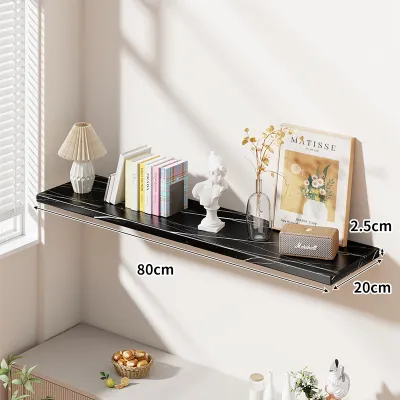
13 Lazada user ratings
For anyone seeing this, the quality of the boards from this shop is truly impressive. Everything was handled with great care, and the items …Read full reviewShow less
For anyone seeing this, the quality of the boards from this shop is truly impressive. Everything was handled with great care, and the items are in excellent condition. This is a reliable place to shop for high-quality products.
It supports weight quite well and is great for organization. It's very sturdy, easy to set up, and the customer service is excellent. Highly…Read full reviewShow less
It supports weight quite well and is great for organization. It's very sturdy, easy to set up, and the customer service is excellent. Highly recommended!
It provides great storage and is quite sturdy. The installation is easy and the customer service is excellent. Highly recommended!
Great storage capacity and very sturdy. It was easy to install, and the customer service was excellent. Highly recommended!
The item arrived with some damage.
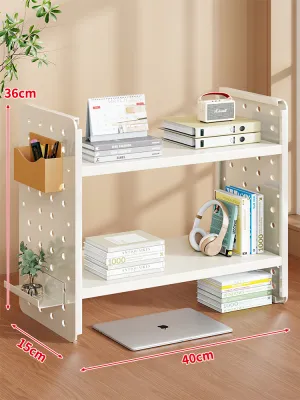
5 Lazada user ratings
happy with the product. Design:nice
Prices are valid at publication and may change. Please refer to the product page for the latest price.
Environmental factors also play a critical role in shelf placement and organization. Shelves positioned close to the stove are highly susceptible to airborne grease and heat, while those near the sink face constant moisture and splashes. If your kitchen receives strong direct sunlight, be aware that certain materials, finishes, or food items stored in clear jars may fade or degrade over time. Assess these zones carefully so you can place sensitive items in protected areas and durable, easy-to-clean items closer to high-activity zones.
Declutter and Categorize Your Kitchen Items
The secret to maintaining neat open shelving is editing. Open shelves are not a direct replacement for deep cabinet storage; instead, they should hold items you use daily or those that contribute to a cohesive visual theme. Begin by sorting your kitchenware into two categories: daily essentials and occasional items. Daily essentials, such as everyday plates, bowls, coffee mugs, and drinking glasses, are ideal candidates for open shelves because their high rotation prevents dust from settling.

Remove items that create visual clutter or disrupt the order of the space. Mismatched plastic containers, chipped mugs, promotional glassware, and items with overly bright, commercial packaging should be stored in closed cabinets or pantries. Visually noisy items distract the eye and make even a clean shelf look disorganized.
For dry ingredients and pantry staples, transition loose items from their original cardboard boxes and plastic bags into uniform, airtight storage containers. Clear glass or ceramic jars with secure seals keep ingredients fresh while creating a clean, unified look. Labeling these jars on the bottom or back preserves a clean front aesthetic while ensuring you can still identify contents easily. Grouping these containers together immediately elevates the organization of your shelving.
Arrange Items by Function and Weight Distribution
A safe and functional shelf layout relies on a logical hierarchy of weight and accessibility. To ensure structural stability and ease of use, place your heaviest items on the lowest shelves or the bottom tier of your modular unit. Heavy cast-iron Dutch ovens, large ceramic mixing bowls, and countertop appliances should always reside near the base. This keeps the unit’s center of gravity low, reducing the risk of tipping or structural strain on wall brackets.
Keep your most frequently used items in the active zone, which is typically at eye level or within easy arm’s reach. This includes your daily dinnerware, coffee mugs, and frequently used cooking oils or spices. Placing these items where they can be grabbed and replaced without stretching or using a step stool makes maintaining the organization effortless.
Reserve the highest shelves for lightweight, infrequently used, or decorative items. Fine glassware, seasonal serving platters, or small potted herbs thrive on upper tiers. Because these items are accessed less often, placing them high up keeps them safe from accidental bumps during busy meal prep. Always ensure that even lightweight items on top shelves are stable and secure to prevent them from falling.
Apply Visual Styling Techniques for a Tidy Look
Styling open shelves is about creating visual balance without sacrificing everyday functionality. One of the most effective techniques is grouping similar items together by color, material, or function. For example, grouping all white ceramic plates in one stack and clear glassware in another creates distinct visual zones that look intentional and orderly. This categorization helps the eye navigate the shelves easily, making the space feel calm rather than chaotic.
Incorporate negative space—the empty areas around your items—to prevent the shelves from looking cramped. A good rule of thumb is to leave about 10 to 20 percent of each shelf empty. This breathing room prevents the display from feeling heavy and allows individual items to stand out. If every centimeter of your shelf is packed, the kitchen will quickly feel smaller and more cluttered.
To add depth and interest, mix vertical stacks with horizontal or layered arrangements. Instead of lining up all your plates and bowls in uniform rows, stack your dinner plates horizontally, and lean a beautiful wooden cutting board or a flat serving platter vertically behind them. This layering technique adds visual texture while keeping the items easily accessible. Ensure that any leaning items are securely propped and cannot slide off the edge of the shelf.
Establish a Cleaning and Maintenance Routine
Because open shelves lack doors to protect them, they are exposed to the natural elements of a working kitchen, including dust, steam, and grease. To keep your display looking pristine, establish a consistent cleaning schedule. A quick weekly dusting of the shelves and the items stored on them prevents buildup. For a deeper clean, schedule a monthly routine to wipe down the shelves and wash any items that have sat unused.
When cleaning, always use cleaning agents and methods that are safe for your specific shelf material. For example, solid wood shelves may require a damp cloth followed immediately by a dry microfiber towel to prevent moisture damage, while metal or laminate shelves can handle mild soapy water or specialized degreasers. Always check the manufacturer’s care instructions to avoid stripping finishes or damaging joints.
To prevent uneven wear, rotate your displayed items periodically. This is especially important if your shelves are exposed to direct sunlight, which can cause uneven fading on wood finishes or ceramic glazes. Rotating items also prevents permanent dust rings from forming under stationary objects. Finally, take time to reassess your shelf layout every few months or whenever your household size or cooking habits change, ensuring the system continues to serve your daily needs.
Frequently Asked Questions (FAQ)
How do I keep dust and grease off my open kitchen shelves?
To minimize dust and grease buildup, position your open shelves away from the immediate cooking zone or install a high-quality range hood to capture airborne grease particles before they settle. Using the items on your shelves frequently is another natural way to prevent dust accumulation, as regular washing keeps them clean. For items that are used less often, a quick wipe with a microfiber cloth during your weekly kitchen cleanup will keep dust from bonding with kitchen grease.
Can I put heavy appliances on modular open shelving?
You can place heavy appliances on modular open shelving only if the total weight of the appliance falls well within the manufacturer’s specified weight capacity for both the individual shelf and the entire unit. Always ensure the modular unit is securely anchored to the wall according to the assembly instructions to prevent tipping. To maintain stability, place heavy appliances on the lowest shelf and distribute their weight evenly across the support brackets.
Community discussion
Share your experience or ask a question. Comments are reviewed before publication.