
Balancing a dining cabinet for daily use and hosting requires a thoughtful mix of zoning, weight-conscious stacking, and intentional styling. By separating high-frequency items from occasional serveware and using visual principles like the rule of thirds, you can create a cabinet that is both highly functional for busy mornings and beautifully curated for evening dinner parties. In Singapore homes, where dining spaces often serve multiple purposes, a dining cabinet must work twice as hard. It needs to store heavy daily plates safely while acting as a sophisticated backdrop during social gatherings. Achieving this balance is not about buying more items, but about organizing what you have with clear systems and smart styling. A well-organized cabinet not only saves time during daily routines, such as setting the table for breakfast, but also significantly reduces hosting stress by keeping everything you need within arm’s reach.
Step 1: Declutter and Assess Your Dining Cabinet Space
Before arranging your items, completely empty your dining cabinet to assess its physical structure, dimensions, and overall capacity. Removing everything allows you to inspect the stability of the shelves and look for adjustable shelving mechanisms, such as peg-and-hole systems, which let you customize the height of each compartment. Take this opportunity to measure the internal depth of your cabinet; standard dinner plates require at least 30 cm of depth to clear the doors comfortably. If you are planning to move or reposition the cabinet, verify that you have adequate doorway and lift access, especially if you live in a high-rise apartment where tight corners can make transport challenging.
Once the cabinet is empty, inspect the joints, hinges, and shelf support pegs to ensure they are secure and undamaged. Check the manufacturer’s care instructions for your specific cabinet finish—whether it is solid timber, wood veneer, lacquer, or glass—to determine the safest cleaning method. This is also the ideal time to evaluate the existing lighting conditions inside the cabinet. Note where natural light falls and where deep shadows are cast, as this will influence where you place your most visually striking pieces.
Products mentioned in this guide
![[CozyNest ]American R Dining Cabinet Sideboard Cabinet Storage Cabinet Customized Small Wine Cabinet R Restaurant Tea Table Bowl Cabinet](https://img.lazcdn.com/g/p/3c53a2d84e8a29a8164cda77e8c90c2d.jpg_webp_400x400q80.jpg_.webp)
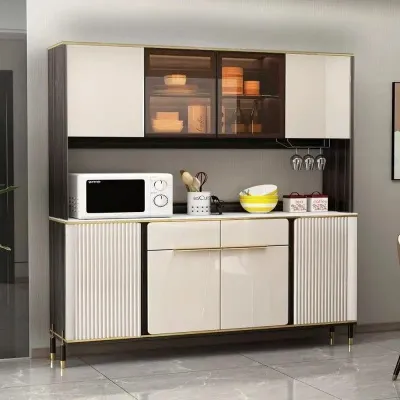


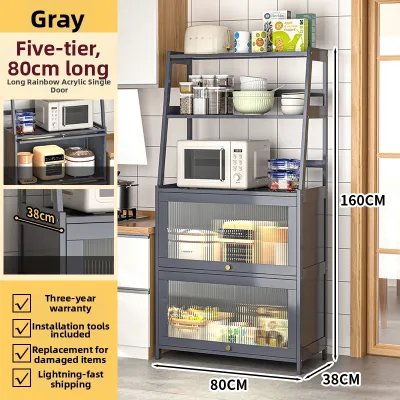
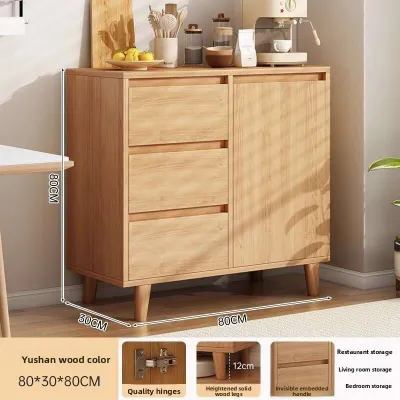
1 Lazada user ratings
The installation is quite convenient, and the holes opened are quite precise. There is no need to worry about misalignment or deviation, and…Read full reviewShow less
The installation is quite convenient, and the holes opened are quite precise. There is no need to worry about misalignment or deviation, and the screws do not need to be tightened with effort. The small nails on the back panel can be hit in with pliers. The customer service tracking is also quite timely, and various installation problems are answered to me in a timely manner. Practical effect: the space is relatively large, and the raised bottom layer can directly put commonly used slippers under it, making it easy to put on and take off.
Prices are valid at publication and may change. Please refer to the product page for the latest price.
Next, sort all your tableware and accessories into three distinct categories: daily essentials, hosting-only items, and items to discard or donate. Daily essentials include your everyday ceramic bowls, plates, and water glasses. Hosting-only items consist of delicate wine glasses, large serving platters, and seasonal dinnerware. Be honest about what you actually use; chipped mugs, mismatched plastic containers, and items that have sat unused for years should be removed to free up valuable storage space. Finally, check the manufacturer’s stated weight limits for each shelf to ensure you do not overload the structure when putting items back.
Step 2: Zone Your Cabinet for Everyday Meals and Hosting
Zoning is the key to maintaining order in a multi-functional dining cabinet. By dividing your storage space into distinct functional zones, you can keep your daily items highly accessible while protecting your delicate hosting gear from accidental damage. This systematic approach ensures that your cabinet remains organized even during busy weekday routines.

Assign the prime real estate—the shelves at eye and waist level—to your everyday plates, bowls, and frequently used drinking glasses. Keeping these items between waist and shoulder height ensures you can grab them quickly without bending down or reaching awkwardly. This “Active Zone” should be highly functional, with items arranged so they can be retrieved and put away with minimal effort.
Reserve the higher and lower shelves for seasonal hosting platters, extra glassware, and specialty serving tools. The topmost shelves, which require a stretch or a step stool to reach, are ideal for delicate wine glasses, champagne flutes, and decorative serving bowls that you want to keep safe from daily wear. Conversely, the lowest shelves or bottom compartments are perfect for heavy, bulky items like large ceramic serving platters, soup tureens, or heavy wooden salad bowls. Storing these heavy items at the bottom prevents them from posing a safety hazard if they are dropped from a height.
Designate hidden or opaque storage areas, such as drawers or lower cabinets with solid doors, for visual clutter. This “Concealed Zone” is the perfect place to store fabric napkins, placemats, coasters, candle holders, and small dining accessories. Keeping these items out of sight maintains a clean, minimalist aesthetic on your open display shelves, allowing your curated tableware to take center stage.
Step 3: Arrange Tableware for Function and Visual Balance
Once your zones are established, the way you arrange individual items determines both the safety and the visual appeal of your dining cabinet. Proper arrangement prevents damage to your tableware and makes the cabinet look balanced and inviting.
When stacking everyday plates and bowls, avoid creating towering stacks that are unstable and difficult to manage. High stacks put excessive pressure on the bottom dishes and increase the risk of tipping. As a general rule, limit plate stacks to six or eight pieces, and check that the total weight does not exceed the shelf’s rated load capacity. If you notice any bowing or flexing in the center of a wooden or glass shelf, redistribute the weight immediately to prevent structural failure.
For delicate hosting pieces, heirloom china, or hand-painted platters, use vertical plate stands or wire shelf risers. Plate stands allow you to display the beautiful patterns of your favorite dishes vertically, turning functional tableware into art. Risers double your usable vertical space, allowing you to stack bowls underneath and place small plates on top without them touching or scratching each other. This is particularly useful in compact dining cabinets where vertical space is often underutilized.
Group glassware by type, height, and frequency of use to maintain clear sightlines and prevent accidental tipping. Place taller glasses, such as highballs and red wine glasses, toward the back of the shelf, and shorter glasses, like tumblers or rocks glasses, in the front. This creates a stepped effect that makes it easy to see what you have, and prevents you from accidentally knocking over a tall glass while reaching for a short one. Leave a small gap between each glass to prevent them from clinking and chipping when the cabinet doors are opened or closed.
Step 4: Style the Display Areas for an Elegant Look
Styling your dining cabinet is about creating a curated look that feels intentional rather than accidental. You want the cabinet to look like a beautiful design feature in your dining room, even when it is fully loaded with functional items.
Apply the rule of thirds when placing decorative objects, such as vases, candles, or small sculptures, among your tableware. Instead of lining items up in straight, symmetrical rows, group them in odd numbers—usually threes. For example, you might place a tall ceramic vase, a medium-sized stack of plates, and a small decorative candle together on one side of a shelf. This asymmetrical arrangement is naturally pleasing to the eye and guides the viewer’s gaze across the display, creating a sense of movement and depth.
Mix textures and materials to add warmth and visual interest to the cabinet. If your tableware is predominantly white ceramic, introduce contrast by adding natural wood serving boards, woven rattan coasters, or polished brass candle holders. The contrast between smooth glass, matte ceramics, and textured wood prevents the display from looking flat or sterile. Choose materials that complement your dining room’s overall decor to create a cohesive look.
The most critical element of styling is negative space—the empty areas between your items. Resist the temptation to pack every square centimeter of your shelves. Leaving breathing room around your groups of tableware and decor items prevents a cluttered, overwhelming look. It also makes daily retrieval much easier, as you do not have to navigate a dense obstacle course of glass and ceramic just to grab a daily coffee mug. Aim for about twenty to thirty percent empty space on your visible shelves to maintain an elegant, airy feel.
Step 5: Maintain and Refresh Your Cabinet Setup
An organized dining cabinet is not a one-time project; it requires regular maintenance to stay functional and beautiful. Establish a simple routine to keep your cabinet looking its best throughout the year.
Schedule seasonal rotations to align with your hosting calendar. Before major holidays or festive seasons, bring your hosting-specific items, themed dinnerware, and seasonal table linens to the front of the cabinet, and temporarily store your off-season items in less accessible zones. This keeps your setup relevant to your current lifestyle and reduces prep time when guests arrive.
Dust and moisture can accumulate quickly, especially in humid climates like Singapore’s. Regularly wipe down the shelves with a dry or slightly damp microfiber cloth, checking the manufacturer’s care instructions for your cabinet’s specific finish (such as wood veneer, solid timber, or glass). Take the time to polish glassware and silver serving pieces to prevent unsightly water spots, tarnish, and dust buildup, ensuring everything is sparkling clean and ready for unexpected guests.
Finally, reassess your layout and zoning at least once a year. Your dining habits, household size, or tableware collection may change over time. If you find yourself struggling to find space for new items, or if certain shelves consistently become cluttered, adjust your shelving heights or re-evaluate your zones to restore balance and ease of use.
Frequently Asked Questions (FAQ)
How do I prevent glassware from chipping in a crowded cabinet?
To protect delicate glassware, avoid stacking glasses unless they are specifically designed and rated for stacking by the manufacturer. Stacking standard wine glasses or tumblers puts pressure on the rims, which are the weakest parts of the glass, leading to micro-cracks and chipping. Instead, store them upright with a small gap between each glass. For added security, line your shelves with high-quality, non-slip shelf liners or felt dividers. These liners cushion the base of the glasses, prevent them from sliding when the cabinet doors are opened or closed, and absorb vibrations that can cause delicate stems to tip over.
What is the best way to store table linens in a dining cabinet?
Storing table linens properly keeps them fresh, wrinkle-free, and ready for immediate use. Instead of folding tablecloths and fabric napkins into tight squares—which creates deep, stubborn creases—try rolling them gently. You can also fold tablecloths over acid-free tissue paper or clean cardboard tubes to minimize creasing. Store your linens in a dry, well-ventilated section of the cabinet, such as a drawer or a lower compartment with slatted doors. Keep them away from direct sunlight to prevent the fabric from fading over time, and ensure the storage area is completely dry to avoid moisture buildup and mildew, which can easily ruin delicate fabrics in humid environments.
Should I use lighting inside my dining display cabinet?
Interior lighting can dramatically enhance both the visibility and the aesthetic appeal of your dining cabinet, turning it into a beautiful focal point in your dining room. If your cabinet does not have built-in lighting, you can easily add battery-operated LED puck lights or thin light strips. These options offer flexible installation without the need for complex wiring. When positioning your lights, place them toward the front of the shelves pointing slightly backward or downward. This highlights your display pieces and glassware beautifully, creating a warm, inviting glow without casting harsh shadows or creating direct glare that can be uncomfortable for seated guests.

Community discussion
Share your experience or ask a question. Comments are reviewed before publication.