
A slim 2-door wardrobe is an excellent, space-saving solution for compact bedrooms, but its limited footprint can quickly lead to cluttered shelves and jammed hanging rails. When space is at a premium, standard storage habits often fall short, resulting in wrinkled clothes and wasted corners. Maximizing a narrow wardrobe requires a strategic approach that combines careful decluttering, smart spatial planning, and the right internal accessories. By treating every centimeter of vertical and horizontal space as valuable real estate, you can create an organized system that keeps your daily outfits accessible without overwhelming your room. This guide provides practical, actionable steps to help you transform your compact wardrobe into a highly efficient storage hub.
Assess Your Space and Wardrobe Capacity
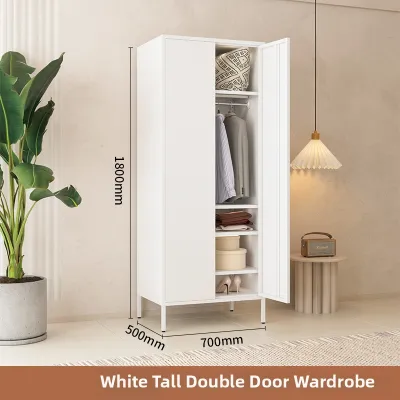
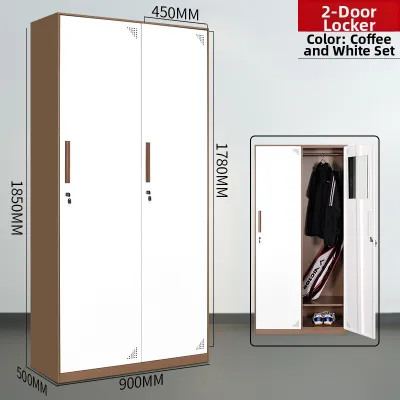
Before purchasing any organizers or rearranging your clothes, you must thoroughly evaluate the physical limits of your wardrobe. Start by measuring the internal width, depth, and height of your narrow 2-door unit. Standard slim wardrobes often have a shallower depth than full-sized models, sometimes measuring around 40 to 50 centimeters deep instead of the typical 60 centimeters. This depth limitation is crucial because standard hangers may sit at an angle or prevent the doors from closing smoothly if the wardrobe is too shallow.
Next, examine the internal configuration of your wardrobe. Identify which shelves are fixed to the frame and which are adjustable. Adjustable shelves offer greater flexibility, allowing you to customize compartment heights to match the exact dimensions of your storage boxes or folded clothing stacks. Inspect the hanging rail’s mounting brackets and check the manufacturer’s specifications for its maximum load capacity. Overloading a rail in a narrow wardrobe can cause it to sag or pull away from the side panels.
Products mentioned in this guide
39 Lazada user ratings
Very satisfy with it. Would not take up alot space. very good for book keeping and storage.thank-u.
Different from what seller shown show in advertising post. See attached Dow more information
Very happy with the service.
🛠️Durability:good


Prices are valid at publication and may change. Please refer to the product page for the latest price.
Additionally, consider the overall stability of the unit. Tall, slim wardrobes have a higher center of gravity and can become unstable when fully loaded or when doors are opened. Verify that your wardrobe is securely anchored to the wall using appropriate safety brackets, especially if you plan to utilize door-mounted organizers that add weight to the front of the unit. Finally, evaluate your clothing volume realistically; a narrow 2-door unit cannot hold an entire four-season wardrobe at once, so you must plan to store out-of-season items elsewhere.
Essential Tools and Accessories for Narrow Wardrobes
To make the most of a restricted wardrobe interior, you need specialized accessories designed to maximize density without adding unnecessary bulk. Standard plastic or wooden hangers are often too thick, consuming valuable horizontal rail space that could otherwise hold more garments.

- Slimline Hangers: Velvet-flocked or non-slip rubber-coated slim hangers are essential for narrow wardrobes. Their ultra-thin profile can free up to 50 percent more horizontal space on your hanging rail compared to traditional hangers. The textured surface also prevents silky or wide-neck garments from slipping off and bunching at the bottom of the wardrobe.
- Drawer Dividers and Small Storage Boxes: If your wardrobe features built-in drawers or deep shelves, fabric storage boxes and adjustable dividers are invaluable. They prevent small items like socks, undergarments, and accessories from becoming a jumbled mess. Opt for breathable fabric bins that can be easily pulled out like drawers.
- Over-Door or Door-Mounted Racks: The inside of your wardrobe doors is prime real estate. Lightweight over-door hooks, pocket organizers, or adhesive racks can hold belts, scarves, ties, or flat shoes. Before installing these, check the clearance between the closed door and the internal shelves to ensure the door can shut completely without obstruction. Also, verify that your door hinges are sturdy enough to support the extra weight.
- Shelf Risers and Stackable Bins: Tall shelves often result in wasted vertical space or high, unstable stacks of clothes that easily topple. Metal shelf risers or stackable plastic bins allow you to divide a single high shelf into two levels, making it easier to retrieve items from the bottom of the stack without disturbing the rest.
Step-by-Step Guide to Organizing Your Slim Wardrobe
Transforming a cramped, disorganized wardrobe into a streamlined storage system requires a systematic approach. By following a logical sequence, you can ensure that every item has a designated home and that your daily routine remains efficient.
Step 1: Declutter and Categorize Your Clothing
The first step to maximizing a slim wardrobe is reducing the sheer volume of items you attempt to store inside it. Begin by completely emptying the wardrobe, placing all items on your bed or a clean surface. This allows you to see the blank canvas of your storage space and inspect the interior for any dust or maintenance needs.
Go through every item and categorize them into three piles: keep, donate/sell, and store elsewhere. Be honest about your wearing habits; if you have not worn an item in the past year, it is a prime candidate for donation or recycling. Group the remaining “keep” items by category, such as workwear, casual tops, trousers, activewear, and seasonal garments.
For items that are out of season or only worn occasionally, such as heavy winter coats, formal wear, or holiday gear, move them out of your active wardrobe. Place these items in vacuum-sealed storage bags or low-profile plastic bins that can slide under your bed or sit on top of a separate storage cabinet. Keeping only active, current-season clothing in your slim wardrobe is essential for maintaining an organized, stress-free space.
Step 2: Optimize Hanging Space and Shelves
With your curated collection of clothing ready, it is time to arrange them back into the wardrobe using space-saving techniques. Start with your hanging rail. Hang your garments using uniform slim hangers, facing them all in the same direction to create a clean, cohesive look. Group your clothes by length—from longest to shortest—such as dresses, trousers, shirts, and then sleeveless tops. This cascading arrangement not only makes finding items easier but also frees up valuable floor space directly beneath the shorter garments.
To maximize the capacity of your hanging rail, consider using the double-hang technique. You can hang a second, lower rail from your main rail using adjustable hanging straps, provided your wardrobe has enough vertical height and the main rail can support the weight. Alternatively, use multi-tier hangers for trousers or skirts to store multiple garments vertically on a single hook.
For your shelves, avoid creating tall, unsupported stacks of folded clothes, which inevitably lean and fall over in narrow spaces. Instead, use the “file folding” or vertical folding method for t-shirts, activewear, and knitwear. This technique involves folding garments into compact rectangles and standing them upright in fabric bins or drawer organizers, allowing you to see every item at a glance without disturbing the rest of the stack. Place heavier, bulkier items like sweaters on lower shelves to maintain a low center of gravity for the wardrobe.
Step 3: Utilize Doors and Dead Space
A slim 2-door wardrobe often contains hidden pockets of unused space that can be easily exploited. The back of each wardrobe door is an ideal location for organizing accessories. Install lightweight adhesive hooks or a hanging pocket organizer to store belts, scarves, jewelry, or even daily essentials like sunglasses and keys. Ensure that these items are flat enough to fit within the gap between the door and the front edge of your internal shelves when closed.
The very top shelf of your wardrobe is often difficult to reach, making it unsuitable for daily-wear items. Use this area to store infrequently used belongings, such as travel bags, extra bed linens, or seasonal accessories. Keep these items in labeled, dust-proof storage boxes with handles, making them easy to retrieve safely when needed.
Do not overlook the floor of the wardrobe beneath your hanging clothes. If your cascading hanging arrangement has left an open space, place a low-profile shoe rack or a stack of small plastic drawers there. This area is perfect for storing daily footwear, pajamas, or workout gear. Ensure that any floor-standing organizers do not block the smooth opening of the wardrobe doors or slide out of place.
Maintenance Tips to Keep Your Wardrobe Clutter-Free
An organized wardrobe is not a one-time project; it requires consistent habits to prevent clutter from slowly accumulating again. One of the most effective strategies to implement is the “one in, one out” rule. Whenever you purchase a new piece of clothing or an accessory, commit to removing an older item from your wardrobe. This simple habit keeps your total inventory stable and forces you to make deliberate choices about what truly deserves space in your home.
Establish a seasonal rotation routine. Every six months, dedicate an hour to reviewing your wardrobe. Swap out the clothes that are no longer suitable for the current weather, moving them to under-bed storage and bringing the appropriate seasonal items into your active wardrobe. This practice ensures that your slim 2-door unit remains highly functional and is not clogged with bulky garments you cannot currently wear.
Regularly inspect the structural components of your wardrobe to ensure safety and longevity. Check that the hanging rail remains securely seated in its brackets and is not bowing under the weight of your clothes. Examine the shelf support pegs to ensure they are fully inserted and undamaged. If your wardrobe doors begin to sag or squeak, adjust the hinge screws to realign them. Finally, periodically verify that the wall-anchoring brackets are tight and secure, maintaining the unit’s stability over time.
Frequently Asked Questions (FAQ)
How do I stop clothes from slipping off hangers in a narrow space?
In a narrow wardrobe, clothes are packed closer together, increasing friction when you slide hangers along the rail. This friction can easily knock garments off smooth plastic or wire hangers. To prevent this, replace your existing hangers with velvet-flocked or rubber-coated options, which provide excellent grip even for delicate silk or wide-neck tops. Additionally, try to leave a small gap of at least one to two centimeters between hangers to allow air circulation, reduce friction, and make it easier to retrieve items without pulling adjacent clothes down.
Can I install extra hanging rails in a slim 2-door wardrobe?
Yes, you can install an additional hanging rail, but you must first verify the structural limits of your wardrobe. Check the material of the side panels; solid wood or thick plywood can support screw-in rail brackets much better than thin particleboard or MDF. Always consult the manufacturer’s guidelines regarding weight limits before drilling new holes. If you want to avoid permanent modifications, use a tension rod or a hanging rail expander that suspends from your existing rail. Be careful not to exceed the total load capacity of the original rail and its mounting brackets.

Community discussion
Share your experience or ask a question. Comments are reviewed before publication.