
To choose the right shelving organizer size, you must match the unit’s exact external dimensions to your physical space while accounting for access routes, architectural obstructions, and functional clearances. A shelving unit that looks perfect online can easily overwhelm a room or fail to fit through your doorway if you rely on visual estimates. Taking precise measurements of your floor area, wall height, and surrounding pathways ensures your new storage is both highly functional and safe.
Step-by-Step Guide to Measuring Your Available Space
To find the perfect spot for a shelving organizer, you need a systematic approach to measuring the physical boundaries of your room. Grab a reliable metal tape measure rather than a flexible fabric one, as fabric tapes can stretch over time and lead to inaccurate readings. Start by measuring the width of the designated floor area from one end to the other, followed by the depth from the wall outward into the room.
Next, measure the vertical height from the floor to the ceiling. Even if you plan to buy a shorter unit, knowing the total height helps you visualize the vertical proportion of the room and ensures you do not block high wall fixtures. Always take measurements at three different points—left, center, and right for width, and top, middle, and bottom for depth. Walls are rarely perfectly straight, and catching these minor variances early prevents installation surprises.
Products mentioned in this guide

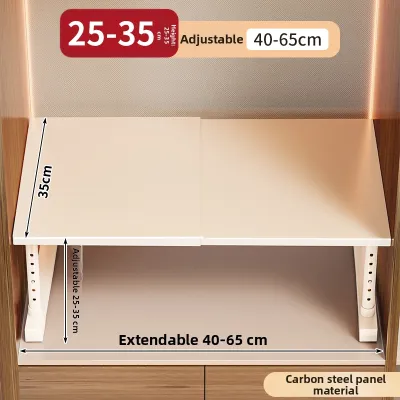
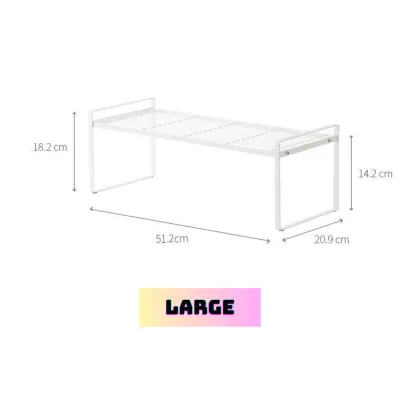

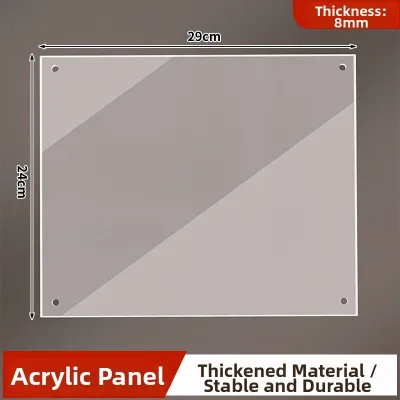
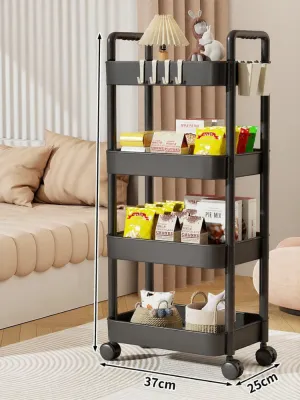
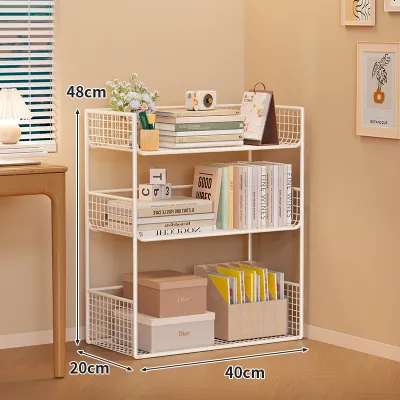
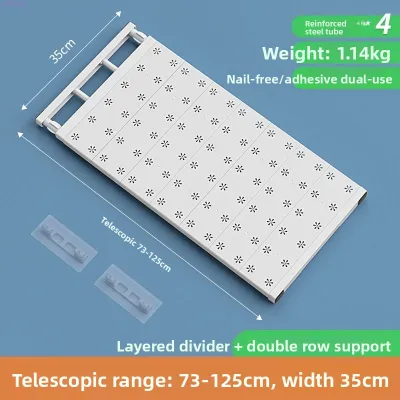
Prices are valid at publication and may change. Please refer to the product page for the latest price.
Do not forget to identify architectural features that project from the wall or floor. Baseboards, chair rails, crown molding, and window trim can prevent a shelving unit from sitting flush against the wall. Measure the height and thickness of your baseboards so you can check if the shelving organizer features a cutout or if you need to account for a small gap. Record all your dimensions in a consistent unit, such as centimeters or millimeters, to avoid confusing conversion errors when comparing products online.
Accounting for Clearances, Pathways, and Obstructions
A shelving organizer does not exist in isolation; it must coexist with the daily movement in your home. Calculate the necessary walkway clearance around the unit to maintain comfortable traffic flow. In high-traffic areas or narrow hallways, ensure there is enough space for two people to pass each other or for a person to walk by without bumping into the shelves. If the shelving unit features cabinet doors or drawers, measure their full extension and add a comfortable buffer so you can stand in front of the open unit.

Overhead and low-level obstructions require careful inspection. Check for wall-mounted air conditioning units, light switches, electrical outlets, floor vents, and window sills that might restrict where the shelving can stand. Blocking a light switch or an electrical outlet can make daily life highly inconvenient, while covering a floor vent can disrupt your home’s ventilation. If you plan to place the shelving near electronics, media players, or heat sources, leave a small gap behind and beside the unit to allow for proper air circulation and cable management.
Finally, consider the journey the shelving organizer must take from the delivery vehicle to its final spot. Measure the height and width of all entryways, tight hallway corners, stairwells, and elevator doors. Many homeowners purchase a large, sturdy unit only to find it cannot clear the low ceiling of a stairwell or fit inside a standard residential lift. Checking both the packaged dimensions and the fully assembled dimensions against these access points is essential for a smooth delivery and assembly process.
Matching Shelving Organizer Dimensions to Your Measurements
Once you have your room’s exact dimensions, you can begin comparing them to the specifications of potential shelving organizers. Never rely solely on broad category labels like “medium bookcase” or “tall shelving unit,” as these terms are not standardized across manufacturers. Instead, look for the detailed product specification sheet to find the exact external width, depth, and height of the assembled unit. This external footprint must fit comfortably within your measured floor space.
Next, evaluate the internal shelf depth relative to what you plan to store. If you are organizing standard novels, a shelf depth of 20 to 25 centimeters is usually sufficient. However, if you plan to store large storage bins, heavy binders, or deep display items, you may need a shelf depth of 30 to 40 centimeters or more. Choosing a shelf that is too shallow means your items will overhang and look cluttered, while a shelf that is too deep might waste valuable floor space in a compact room.
If your space has awkward architectural features like sloped ceilings, under-stairs alcoves, or tight corners, look for modular or adjustable shelving options. Modular units allow you to configure the height and width to match your specific layout, while adjustable shelves give you the flexibility to change the vertical spacing as your storage needs evolve. Always review the manufacturer’s assembly instructions to see if the unit requires extra clearance at the top or sides for anchoring hardware or tool access during setup.
Common Sizing Mistakes and How to Avoid Them
One of the most frequent mistakes when buying a shelving organizer is confusing the internal shelf capacity with the unit’s external dimensions. Thick wooden frames, decorative top moldings, and protruding legs can add several centimeters to the overall width and depth of the unit without increasing the actual storage space. Always base your spatial planning on the maximum external dimensions, including any decorative trim or hardware.
Another common oversight is ignoring the extra space needed for assembly. Some shelving units must be assembled flat on the floor and then raised upright. If your ceiling height is only slightly taller than the unit itself, you might not have enough diagonal clearance to lift the assembled shelf into place. Reading the assembly manual beforehand will tell you if the unit can be built upright or if you need to factor in extra diagonal clearance.
Lastly, consider the visual weight of the furniture. A dark, solid wood shelving unit that physically fits into a small room can still make the space feel cramped and dark. For smaller rooms, consider open-backed shelving or lighter materials that allow light to pass through, preserving a sense of openness. Additionally, tall units require wall anchoring to prevent tipping, so ensure you have the necessary clearance and wall structure to install safety brackets securely.
Frequently Asked Questions (FAQ)
Do I need to leave a gap between the shelving organizer and the wall?
Yes, leaving a small gap is often necessary. If your room has baseboards or uneven plaster walls, a gap of 1 to 3 centimeters is common to prevent the top of the unit from leaning forward. Many tall shelving organizers include wall-anchoring brackets that require a specific clearance to install correctly. Additionally, leaving a small space behind the unit promotes air circulation, which helps prevent moisture buildup and protects both your walls and stored items.
How do I measure for a corner shelving organizer?
To measure for a corner shelving organizer, start at the exact corner point where the two walls meet. Measure outward along both walls to determine the maximum width and depth available for each side of the unit. Check if the corner is square (a perfect 90-degree angle) by using a carpenter’s square or the 3-4-5 triangle method. If the walls are out of plumb, you may need to choose a slightly smaller unit or use shims to ensure the organizer stands level and stable.
Community discussion
Share your experience or ask a question. Comments are reviewed before publication.