
Finding the right storage shelves for a Singapore home requires balancing tight floor plans with vertical storage needs. Whether you are furnishing a compact bedroom in a newly completed condominium or maximizing a utility room in an HDB flat, accurate spatial planning prevents costly delivery mistakes and ensures your furniture remains functional. By taking precise measurements and accounting for local structural features, you can select shelving that fits your layout perfectly while keeping your living spaces open and walkable.
How to Measure Your Room for Storage Shelves
Start by clearing the target wall area to get an unobstructed view of your space. Use a reliable steel measuring tape rather than a fabric one, as steel tapes remain rigid over longer distances and provide more accurate readings. Measure the exact floor width from corner to corner along the base of the wall where the shelves will stand.
Next, measure the depth extending outward into the room. This step determines how far the shelves can protrude without blocking traffic or interfering with other furniture. Always measure the distance between any existing skirting boards rather than the bare wall, as skirting boards typically add 10 mm to 20 mm of thickness that can prevent a tight-fitting shelf from sliding into place.
Products mentioned in this guide
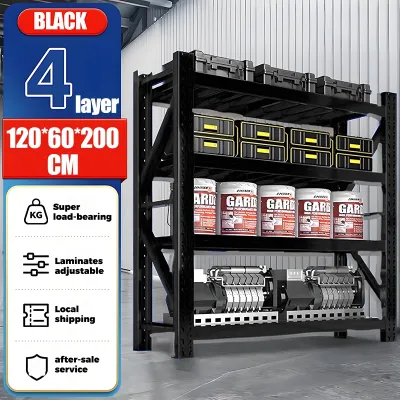
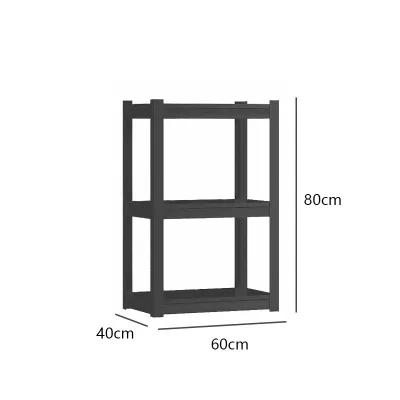
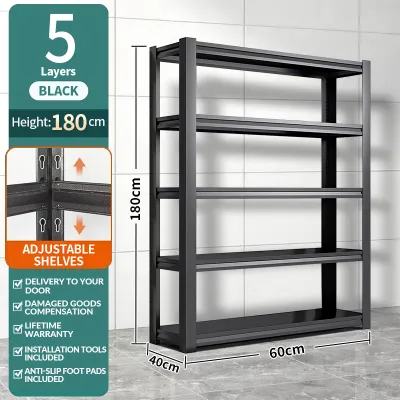
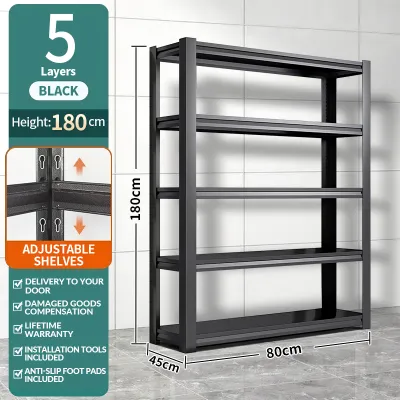
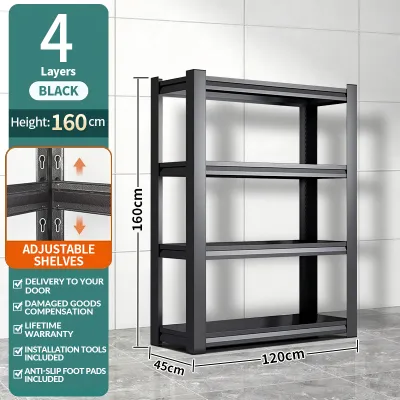
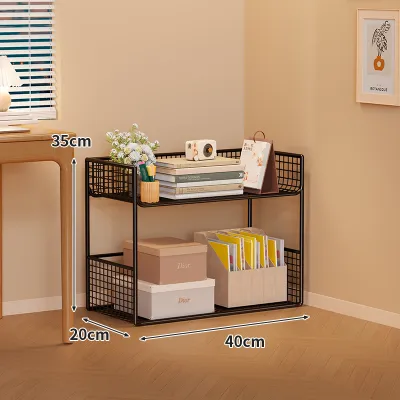
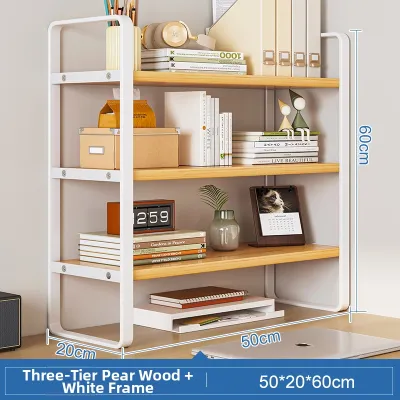
Prices are valid at publication and may change. Please refer to the product page for the latest price.
Locate all wall outlets, light switches, and data ports in the immediate area. If your shelves cover these utilities, you will lose access to them or force the furniture to sit awkwardly away from the wall. Note these positions on your layout sketch so you can choose shelves with open backs or plan to place them slightly to the side.
For height, measure from the floor to the ceiling at three different points: the left side, the center, and the right side. Floors and ceilings in residential units are rarely perfectly level, and a height variance of even a few millimeters can prevent a tall bookcase from standing upright. Note the presence of any structural bulkheads, air conditioning ledges, or decorative plaster ceilings that lower the clearance in specific spots.
To keep your planning simple and accurate, record every measurement in millimeters (mm). Mixing centimeters and inches frequently leads to calculation errors during assembly or when comparing product specifications online. Keep a dedicated sketch of your room layout with these millimeter dimensions clearly labeled for quick reference.
Check Clearances, Pathways, and Structural Constraints
A shelf might physically fit a wall but still ruin the usability of a room. Ensure there is at least 600 mm to 700 mm of open walkway space in front of the shelves so you can walk past comfortably. If the storage unit features hinged doors or pull-out drawers, measure their full extension to confirm they can open completely without striking your bed, sofa, or adjacent walls.

In Singapore HDB flats, structural constraints require special attention. Identify the location of your household shelter, commonly known as the bomb shelter. The walls and doors of these shelters are constructed from reinforced concrete designed for civil defense protection. Drilling, mounting, or modifying these structural walls is strictly prohibited by housing regulations. If you plan to place shelving against a household shelter wall, you must use freestanding units that do not require wall anchoring.
Before finalizing any purchase, trace the delivery path from the unloading bay to your room. Measure the height and width of your condominium or HDB lift doors, the interior dimensions of the lift cabin, and any tight corners in the common corridors. If you are buying a fully assembled, heavy display cabinet, it must fit through your main entrance door and internal doorways. For flat-pack furniture, verify that the longest packaging boxes can clear your ceiling height during assembly.
Match Shelf Dimensions to Your Items and Room Layout
The depth of your storage shelves should directly match what you intend to store. Standard novels and paperbacks typically require a shelf depth of 200 mm to 250 mm, while large binders, storage boxes, and display items need 300 mm to 400 mm. Choosing a shelf that is too deep wastes valuable floor space, while a shelf that is too shallow leaves items hanging precariously over the edge.
Deciding on the height of your shelving unit involves balancing storage capacity with visual weight. Floor-to-ceiling shelving units maximize vertical space, making them excellent for small study rooms or walk-in wardrobes. However, in a narrow living room, tall and solid shelves can make the space feel cramped and dark. Opting for low-profile shelves—around waist or chest height—keeps sightlines open, allowing natural light to flow through the room while providing a top surface for decor.
To simplify your decision, create a simple dimension matrix comparing your measured floor space against standard retail shelf sizes. Standard widths often come in increments of 400 mm, 600 mm, or 800 mm. By mapping these standard sizes against your maximum allowable footprint, you can easily see if a single wide unit or a combination of smaller modular units fits your room layout best.
Choose the Right Shelf Configuration for Compact Spaces
Maximizing a compact layout requires selecting the right furniture configuration. Freestanding bookcases are highly versatile and easy to move, making them ideal for renters or those who like to rearrange their rooms. Wall-mounted floating shelves, on the other hand, preserve precious floor space entirely, creating a light and airy aesthetic. For awkward layouts, corner shelving units utilize underused areas that would otherwise go to waste.
Adjustable shelving systems offer excellent long-term flexibility. As your storage needs evolve—whether you are adding taller books, decorative vases, or storage baskets—you can reposition individual shelves without buying new furniture. Look for units with pre-drilled peg holes spaced closely together, allowing you to customize the vertical clearance of each tier.
If you opt for wall-mounted or floating shelves, you must verify the wall construction and weight limits. Internal walls in modern condos and HDB flats are often made of drywall or lightweight concrete blocks, which have lower load capacities than solid concrete structural walls. Always check the manufacturer’s specified weight capacity for both the shelves and the brackets, and ensure you use the correct wall plugs and screws designed for your specific wall type.
Common Sizing and Measurement Mistakes to Avoid
One of the most frequent errors is forgetting to account for skirting boards. If a shelf is designed with a completely flat back and no base cutout, the skirting board will push the bottom of the unit away from the wall, leaving a gap at the top and reducing stability. Look for shelves that feature a built-in skirting board cutout, or factor this gap into your depth calculations.
Another common oversight is ignoring overhead obstructions. A tall shelf might fit your ceiling height but block the airflow from an air conditioning unit, interfere with the sweep of a ceiling fan, or cover a light switch. Always look upward when measuring your space, mapping out the entire vertical plane where the shelf will stand to ensure it does not interfere with fixtures or ventilation.
Finally, never assume that standard dimensions or online product photos will translate perfectly to your home. A shelving unit that looks compact in a spacious showroom or on an ecommerce platform can easily overwhelm a cozy HDB bedroom. Always tape out the physical footprint of the shelf on your floor using masking tape before purchasing, allowing you to physically experience how much space the furniture will occupy.
Frequently Asked Questions (FAQ)
Do I need to anchor my storage shelves to the wall?
Yes, anchoring is highly recommended for safety, especially for tall, narrow, or top-heavy storage shelves. Any freestanding shelf that is significantly taller than it is deep poses a tipping risk if overloaded or pulled. Before anchoring, check your wall material; solid concrete walls require masonry drills and heavy-duty wall plugs, while drywall partitions require specialized toggle bolts to secure the brackets safely.
Can I install heavy storage shelves in an HDB household shelter?
No, you cannot drill into the walls, floor, or ceiling of an HDB household shelter to mount or anchor shelves. Modifying the structural integrity of a household shelter violates local housing regulations. To organize this space safely, choose sturdy, freestanding metal rack systems or boltless shelving units that stand independently on the floor without requiring any wall penetration.
Community discussion
Share your experience or ask a question. Comments are reviewed before publication.