
Finding the perfect standing shelf is more than just picking an attractive design; it is a balance of spatial geometry, functional storage needs, and structural safety. To choose the right size, you must measure your physical floor space, account for hidden architectural obstacles like skirting boards, and match these dimensions to your specific storage items. By aligning your room’s layout with standard shelf heights, widths, and depths, you can maximize your vertical storage without making your home feel cramped or restricting natural light.
Assess Your Available Space and Storage Needs
To establish an accurate physical baseline for your new furniture, you must measure your room with precision. Grab a reliable metal measuring tape and follow a systematic approach to map out the footprint of your prospective standing shelf.
First, measure the exact floor width of the wall segment where you intend to place the shelf. Next, measure the available wall height from the floor to the ceiling. In Singapore, standard HDB flat ceilings typically sit at around 2.6 meters, while some condominiums or ground-floor units may feature higher clearances. Knowing this vertical limit prevents you from purchasing a shelf that conflicts with structural beams or low-hanging ceiling fixtures. Finally, measure the maximum protrusion depth, which is how far the shelf can extend from the wall into the room before it interferes with walkways, furniture, or door swings.
Products mentioned in this guide
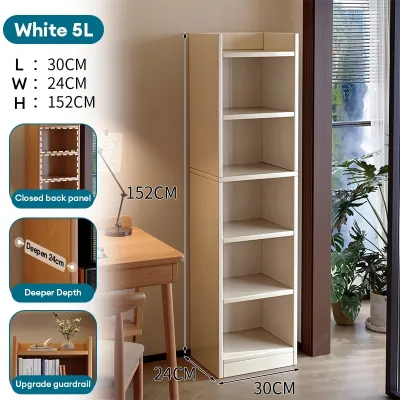
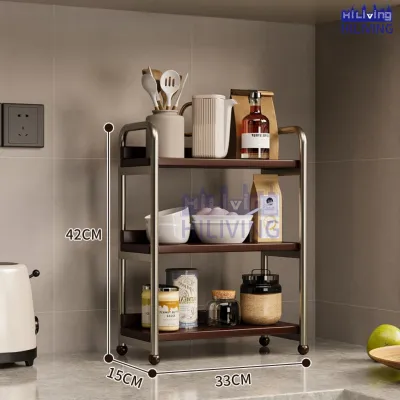
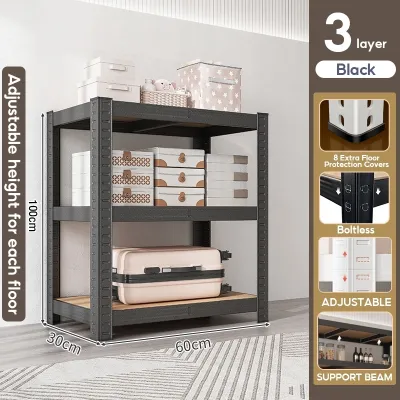
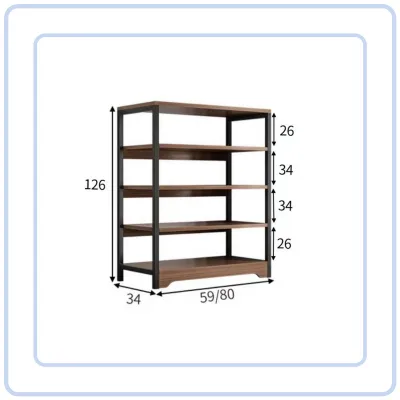
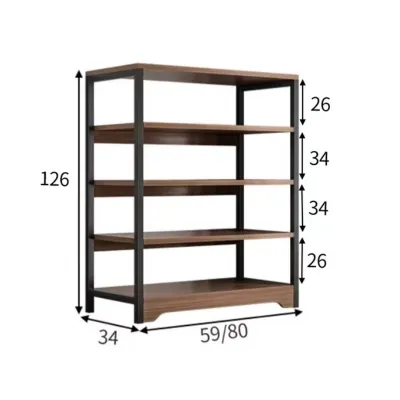
Prices are valid at publication and may change. Please refer to the product page for the latest price.
When taking these measurements, do not assume your walls are perfectly square or free of obstacles. You must identify and subtract the thickness of skirting boards, which are typically 1.5 cm to 2 cm thick in local apartments. If you ignore these baseboards, your shelf will not sit flush against the wall, leaving an awkward gap that collects dust and compromises the stability of the unit. Additionally, check for wall-mounted power outlets, light switches, electrical trunking, window sills, and air conditioning conduits. If a shelf covers an outlet, you will lose access to it, or the plug heads will force the shelf even further away from the wall.
Defining your storage requirements beforehand is equally critical to choosing the correct shelf depth and internal compartment heights. Categorize the items you plan to store. If you are organizing bulky storage boxes, printers, or heavy kitchen appliances, you will need a deep shelf with high weight capacity. If you are displaying standard novels, small decorative items, or photo frames, a shallow shelf is far more space-efficient. Measure your tallest and deepest items beforehand to determine the minimum internal compartment height and depth you require.
Always maintain unit consistency throughout this process. When measuring your space and browsing furniture catalogues, use centimeters (cm) exclusively. Mixing inches, millimeters, and centimeters often leads to calculation errors that can ruin your layout planning.
Understand Standard Standing Shelf Dimensions
To make an informed purchase, you must understand the standard size categories available on the market. Standing shelves generally fall into predictable ranges for height, width, and depth, each serving different functional and aesthetic purposes.

Height ranges typically dictate how a shelf integrates into your room’s visual landscape. Short standing shelves are under 100 cm tall, making them excellent for placing underneath windows, serving as console tables in narrow entryways, or acting as low-profile storage in children’s rooms. Medium shelves range from 100 cm to 180 cm. They offer a balanced compromise, providing ample storage space while keeping the top surface accessible for decor or daily essentials. Tall shelves stand at 180 cm and above. These are designed to maximize vertical space, making them ideal for high-ceiling rooms or dedicated home libraries, though they almost always require secure wall anchoring.
Width ranges determine how much horizontal wall space the unit will occupy. Narrow shelves measure between 30 cm and 60 cm in width. They are highly versatile, fitting neatly into tight corners, beside study desks, or within the small pillars often found in structural layouts. Standard widths range from 60 cm to 90 cm, offering the most flexible balance of storage capacity and placement options for living rooms and bedrooms. Wide units exceed 90 cm and can go up to 120 cm or more. These units are best suited for large, continuous wall spaces where they can serve as a focal point.
Depth considerations are crucial for balancing storage capacity with floor space preservation. Shallow shelves feature a depth of 15 cm to 25 cm. These are perfect for paperbacks, CDs, or small decorative items, ensuring the unit has a minimal footprint in tight corridors. Deep shelves range from 30 cm to 45 cm or more. This depth is mandatory if you plan to store bulky storage boxes, folder organizers, or kitchen appliances.
While these categories represent standard market ranges, dimensions can vary significantly between brands and designs. Always verify the exact product specifications provided by online retailers or physically measure the floor models in showrooms before finalizing your purchase.
Match Shelf Dimensions to HDB and Condo Layouts
Singapore’s residential layouts, particularly in HDB flats and modern condominiums, require strategic space planning to maintain an airy, comfortable home environment. Matching your shelf dimensions to the specific room type ensures your furniture complements the space rather than cluttering it.
In living and dining areas, a standing shelf can serve as a functional partition or a bold statement piece. If you are using a tall shelf as a room divider between the living and dining zones, opt for an open-backed, double-sided design. This allows natural light from the main balcony or windows to filter through, preserving the open-concept feel of your home. Avoid placing deep, solid-backed shelves directly adjacent to main walkways or windows, as they can block natural light and make the communal space feel dark and confined.
Bedrooms are personal sanctuaries where space is often at a premium. To avoid creating a cramped or oppressive atmosphere, choose medium-height or narrow standing shelves. Placing a tall, heavy shelf right next to your bed can feel visually overwhelming. Instead, position low or medium shelves adjacent to your study desk or wardrobe, ensuring they align with the room’s existing furniture heights to maintain clean horizontal lines.
Efficiency is key in a home workspace. When selecting a standing shelf for a study nook, match the shelf’s depth to your desk’s depth to create a cohesive, streamlined look. Ensure that frequently accessed reference books, files, or stationery are kept on shelves that you can easily reach from a seated position. This typically means placing these items on shelves located between 70 cm and 140 cm from the floor.
Ergonomic comfort relies heavily on maintaining clear walking paths. As a general rule of thumb, high-traffic corridors and walkways within your home should have a clearance of at least 70 cm to 90 cm. If you place a deep standing shelf in a narrow hallway, it can create a bottleneck, making it difficult to carry laundry baskets or groceries through the space. Ensure that your chosen shelf depth leaves more than enough room for comfortable, unobstructed movement.
Check Clearance, Pathways, and Delivery Constraints
A common oversight in furniture shopping is focusing solely on the shelf’s final resting spot while ignoring the journey it must take to get there. Checking logistics and structural safety beforehand prevents costly delivery failures.
Before purchasing, you must measure the entry points of your building and home. Measure the height and width of your main door, any narrow corridors, and stairwells if you live in a walk-up apartment. Most importantly, check the dimensions of your building’s passenger lift. While flat-packed furniture is easier to transport, pre-assembled standing shelves can easily exceed 2 meters in height, which might not fit into standard residential elevators. Confirming these dimensions beforehand prevents delivery failures or the need to carry heavy items up multiple flights of stairs.
Once the shelf is inside the room, check for potential vertical conflicts. Ensure the top of a tall shelf does not interfere with ceiling fans, pendant lights, or wall-mounted air conditioning units. A tall shelf placed too close to an active ceiling fan poses a severe safety hazard, while blocking an air conditioner can disrupt airflow and make maintenance difficult.
Proper placement also requires keeping your furniture away from heat and moisture. Leave a gap of at least 5 cm to 10 cm behind and beside the shelf if it is positioned near ventilation grilles, internet routers, or heat-generating appliances like refrigerators or ovens. This prevents heat buildup and ensures adequate air circulation around your electronics and furniture.
Safety must be a priority, especially for tall, narrow shelves with a small footprint that are prone to tipping. To prevent accidents, particularly in homes with children or pets, tall shelves should be anchored securely to the wall. Before drilling, check your wall type and the manufacturer’s instructions for appropriate anchoring hardware. In Singapore, many internal HDB walls are solid concrete, which requires a hammer drill and masonry plugs. Partition walls in modern condos, however, are often drywall, requiring specialized toggle bolts to hold the weight safely.
Common Sizing Mistakes to Avoid
To ensure your new standing shelf fits flawlessly, keep these frequent measuring pitfalls in mind before making your final decision.
Forgetting the skirting boards along the bottom of your walls is a classic mistake. If your shelf does not have a bottom cutout or recess to accommodate the skirting board, it will be pushed away from the wall at the top. This creates an awkward, unstable gap that prevents proper wall anchoring and allows small items to fall behind the unit.
When reviewing a shelf’s dimensions, do not rely solely on the exterior measurements. A shelf might have an external height of 150 cm, but if the frame and individual wooden boards are exceptionally thick, the actual internal clearance of each shelf compartment will be significantly smaller. Always check the internal shelf height and width to verify that your specific storage boxes, binders, or decorative vases will actually fit inside.
A standing shelf must not interfere with the movement of other items in the room. Map out the full swing radius of nearby bedroom doors, wardrobe doors, kitchen cabinets, and desk drawers. Additionally, ensure the shelf does not block access to window latches or electrical switches. Leaving a buffer zone around the shelf prevents accidental collisions that can scratch your furniture or restrict your daily movement.
Finally, never buy a shelf based on generic labels like “standard bookcase” or “medium shelving unit.” Dimensions vary wildly across different manufacturers and design styles. A “standard” shelf from one brand might be 80 cm wide, while another brand’s version is 95 cm wide. Always rely on exact centimeter measurements rather than vague product descriptions to guarantee a perfect fit for your home.
Community discussion
Share your experience or ask a question. Comments are reviewed before publication.