
Finding the perfect sofa gap shelf requires more than a quick glance at the space behind your couch. To ensure a seamless fit that does not block walkways, interfere with sofa mechanics, or create tipping hazards, you must capture precise dimensions and account for architectural quirks. By measuring the exact width, depth, and height of the gap while factoring in real-world obstacles like wall skirting, power outlets, and cushion compression, you can select a shelf that maximizes your living room’s storage potential. This is especially valuable in compact living spaces, such as Singapore’s HDB flats and apartments, where every square centimeter of floor space counts.
Tools and Preparation for Accurate Measuring
Before pulling out your measuring tape, gathering the right tools is essential for obtaining reliable figures. A standard metal tape measure is the most critical tool, as its rigid blade remains straight over long horizontal spans and vertical heights. For exceptionally long living room walls, a digital laser distance measurer can provide quick, highly accurate readings, though it is not strictly necessary. Keep a notepad and a pencil nearby, or open a digital note-taking application on your phone to record each measurement immediately to avoid relying on memory.
Preparing the physical space behind your sofa is equally important for an accurate reading. Clear the gap of any accumulated debris, dust, stray children’s toys, or tangled power cords that might prevent your tape measure from sitting flat against the wall or floor. If your sofa is heavy, you may need to slide it forward slightly to access the space comfortably, but make sure to mark its original position on the floor using low-tack painter’s tape so you can measure the exact gap that exists during daily use.
Products mentioned in this guide
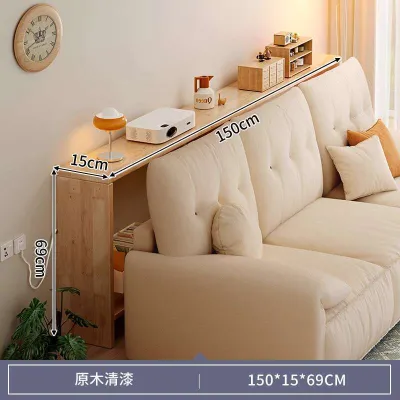
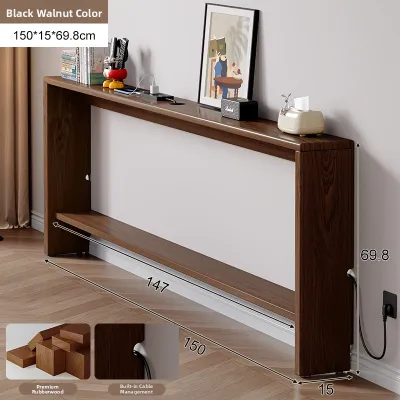
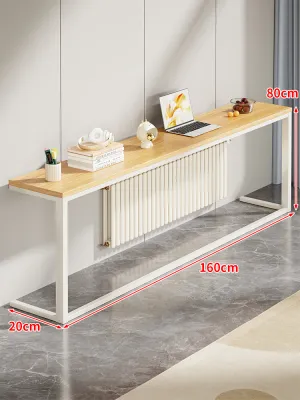
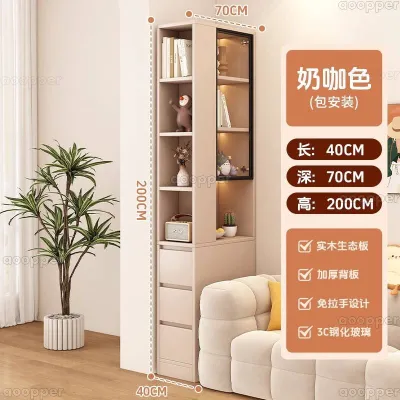
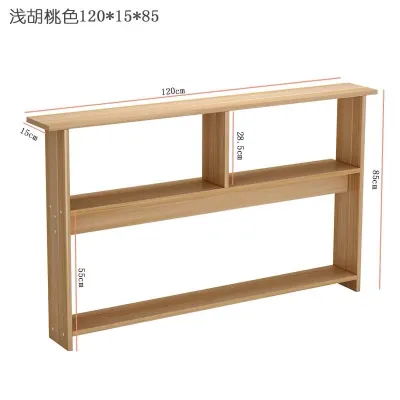
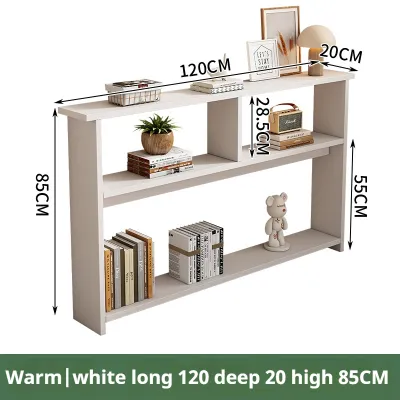
Prices are valid at publication and may change. Please refer to the product page for the latest price.
Never assume your walls and floors are perfectly straight. In many residential properties, walls can bow slightly, and floors may have minor slopes that are invisible to the naked eye. To account for these structural variations, always measure at multiple points: near the top of the sofa backrest, in the middle, and close to the floor, as well as at both the left and right ends of the sofa. Recording the smallest measurement among these points ensures that your chosen shelf will fit without binding or forcing the sofa out of alignment.
Step-by-Step Guide to Measuring the Gap
Capturing the precise dimensions of your sofa gap involves three distinct measurements: horizontal width, front-to-back depth, and vertical height. Each dimension plays a critical role in ensuring the shelf sits securely without disrupting your room’s flow.

Measuring Width (Horizontal Span)
The horizontal width determines the maximum length your sofa gap shelf can occupy along the wall. Start by measuring the distance from one end of the sofa frame to the other along the backrest. If you plan to have the shelf run the entire length of the couch, this measurement serves as your baseline. However, you must also measure the distance to the nearest lateral obstacles, such as side tables, floor lamps, window curtains, or adjacent walls, to ensure the shelf does not crowd these items.
Take note of how your sofa is positioned relative to the wall. If your sofa sits on a thick living room rug, the front legs might rest on the carpet while the back legs sit on the bare floor, causing the sofa to tilt slightly backward. This tilt can narrow the horizontal gap near the top of the backrest. Ensure your tape measure remains perfectly horizontal and level when capturing the width to avoid underestimating the space required.
Always subtract a small safety clearance margin from your total measured width. Deducting approximately two to three centimeters from each end allows for easy installation and removal of the shelf. This clearance also prevents the shelf from rubbing against adjacent furniture or scraping the walls when the sofa shifts slightly under the weight of people sitting down or rising.
Measuring Depth (Wall-to-Sofa Clearance)
Measuring the depth, or the front-to-back clearance between the wall and your sofa, is the most critical step in preventing your couch from being pushed too far into the living room. To begin, measure the distance from the flat surface of the wall to the back of the sofa’s solid frame. Do not measure to the plush, overstuffed back cushions, as these cushions compress when sat on, which naturally pushes the entire sofa frame backward into the gap.
If your sofa features adjustable headrests, a reclining mechanism, or deep decorative throw pillows, you must account for their movement. Fully recline the seats or tilt the headrests to their maximum rearward angle before measuring. This ensures that the moving parts of your sofa will not collide with the shelf or knock over items placed on top of it during use.
Identify the narrowest point of depth along the entire back of the sofa. Some sofas have curved backrests, tufted designs, or decorative legs that flare outward at the base. If the legs protrude further back than the top of the frame, use the outermost point of the legs as your reference. Measuring the narrowest point guarantees that the shelf will slide into place without forcing you to reposition your entire living room layout.
Measuring Height (Vertical Clearance)
The height of your sofa gap shelf dictates how accessible it will be and how it integrates visually with your furniture. Start by deciding whether you want the shelf to sit flush with the top of the sofa backrest, remain hidden completely behind it, or align with the height of the armrests. Measure from the floor surface directly up to your chosen reference point on the sofa to establish your target height.
If you intend for the shelf to slide partially under a projecting armrest or a low window sill, measure the exact vertical clearance from the floor to the underside of that obstacle. This is particularly important for custom-built or modular shelves that need to lock into place. Ensure you account for the thickness of any floor rugs, as a thick pile carpet can raise the sofa slightly while causing the shelf to sink, altering your vertical clearance calculations.
Consider the height of the items you plan to store or display on the shelf. If you want to place table lamps, smart speakers, or beverage cups on the surface, ensure there is enough vertical clearance below any wall-mounted artwork, window frames, or air conditioning units. Items placed on a shelf that is too high may block your line of sight or be easily knocked over when family members lean back on the sofa cushions.
Navigating Wall and Floor Obstacles
A common mistake when choosing a sofa gap shelf is overlooking the architectural and electrical features that occupy the lower portion of your walls. Wall skirting boards, or baseboards, are standard in most Singapore homes and can significantly impact how a shelf sits. Measure the height and depth of your skirting boards carefully. If the shelf legs do not feature a corresponding cutout or recess at the bottom, the base of the shelf will be pushed away from the wall, creating an uneven gap at the top that looks untidy and reduces stability.
Power outlets, light switches, and internet data ports are frequently located along the wall behind the sofa. Locate all active outlets and measure their height from the floor to ensure the shelf does not block access to them. If you plan to plug in phone chargers, lamps, or media devices, look for a shelf with an open-back design or built-in cable management cutouts. This prevents plugs from being bent or crushed against the wall, which can damage your electronics and create electrical hazards.
In many apartments, surface-mounted air conditioning trunking, wall moldings, or structural pillars protrude into the living space. Measure how far these features extend from the wall and note their exact height. If trunking runs horizontally along the wall behind your sofa, you may need to select a shorter shelf that sits entirely below the trunking, or choose a shallower shelf that can stand in front of it without pushing the sofa too far forward into the room’s main walkway.
Translating Measurements to Shelf Specifications
Once you have recorded your precise width, depth, and height measurements, you can use these figures to filter and select the right product specifications when shopping online or in-store. When reviewing product dimensions, pay close attention to the difference between the shelf’s top surface dimensions and its base footprint. Some shelves feature a wider top board that overhangs a narrower metal frame, while others have a uniform vertical profile. Ensure that both the top surface and the base footprint fit comfortably within your measured limits.
Evaluate the weight capacity and material stability of the shelf based on what you plan to store. Check the manufacturer’s product specifications or assembly labels for the maximum load limits, which are typically listed in kilograms. If you intend to display heavy ceramic vases, books, or multiple electronic devices, prioritize shelves constructed from sturdy materials like solid wood or powder-coated steel frames rather than lightweight particleboard, which may bow over time under heavy loads.
Verify whether the shelf requires wall anchoring for safety. Many tall, narrow shelves—especially those with a depth of under 15 centimeters—rely on wall brackets to prevent tipping. Check your wall type before purchasing; concrete or brick walls in HDB flats require masonry drills and wall plugs, whereas drywall partitions in newer condominiums may require toggle bolts. If drilling into the wall is not an option due to rental agreements, look for self-supporting shelves with wider, weighted bases or integrated leveling feet.
Clearance, Stability, and Safety Checks
Before finalizing your purchase, perform a few essential safety and environmental checks to ensure the shelf remains practical over the long term. In humid tropical climates like Singapore, adequate airflow is vital to prevent moisture buildup. Avoid pushing the shelf and sofa tightly against the wall. Leaving a small clearance gap of at least one to two centimeters between the wall, the shelf, and the back of the sofa allows air to circulate freely, reducing the risk of mold growth, musty odors, and fabric degradation on your furniture.
Assess the tipping risk of the shelf in relation to your household dynamic. If you have young children or active pets, a narrow shelf placed in a high-traffic area poses a safety hazard. If wall anchoring is impossible, look for shelves that feature weighted bottom shelves or wide pedestal feet. You can also use heavy-duty, damage-free furniture straps to secure the shelf directly to the solid wooden frame of your sofa, ensuring the two pieces of furniture move together and remain stable.
Plan your cable management routes before assembling the shelf. Running power cords loosely behind the sofa can lead to tripping hazards or pinched wires, which can damage the insulation over time. Use adhesive cable clips, hook-and-loop straps, or dedicated cable management boxes to secure cords along the underside of the shelf frame. Keeping wires organized and off the floor not only looks cleaner but also makes sweeping and vacuuming the space behind your sofa much easier.
Frequently Asked Questions (FAQ)
Can I use a sofa gap shelf if my sofa is not against a wall?
Yes, you can use a sofa gap shelf behind a floating sofa, but stability becomes your primary concern. Without a wall to lean against or anchor to, a narrow shelf can easily tip over if bumped from behind. To prevent this, look for shelves designed specifically as free-standing console tables, which feature wider, heavier bases or trestle-style legs that lower the center of gravity. Alternatively, you can use heavy-duty double-sided furniture tape or brackets to secure the shelf directly to the back of a sturdy wooden sofa frame, ensuring it remains upright and moves in tandem with the couch.
What if the floor is uneven and the shelf wobbles?
An uneven floor can cause a narrow shelf to wobble, which increases the risk of items sliding off or liquid spilling. When shopping, look for shelves equipped with adjustable leveling feet, which are small screw-in glides at the bottom of the legs that allow you to compensate for minor floor slopes. If your chosen shelf does not have this feature, you can easily stabilize it by placing discreet plastic furniture shims or heavy-duty felt pads under the shorter legs, which will eliminate the wobble while protecting your hard flooring surfaces from scratches.
Community discussion
Share your experience or ask a question. Comments are reviewed before publication.