
To replace a worn, broken, or outdated sofa leg with a perfectly compatible new one, you must measure three critical specifications: the precise height of the leg, the specific mounting mechanism, and the thread size of the hardware. Simply purchasing a replacement sofa leg based on visual style often leads to mismatched hardware, unstable seating, or damaged furniture frames. By taking a few systematic measurements before you order, you can ensure your new legs fit securely, support your household’s weight requirements, and coordinate seamlessly with your existing furniture.
Replacing your sofa legs is an excellent, low-risk way to refresh your living room aesthetic or adjust your seating height. However, because furniture manufacturers do not adhere to a single universal manufacturing standard, you will need a few basic tools to get started: a standard tape measure, a notepad, and ideally a digital caliper or a thread pitch gauge for exact hardware sizing.
Why Guessing Sofa Leg Specs Leads to Returns
Choosing a replacement sofa leg solely by its appearance is one of the most common mistakes homeowners make. While a mid-century tapered wooden leg or a sleek chrome bracket might look perfect online, its physical connection points dictate whether it can actually be installed on your sofa. If you attempt to force a mismatched hanger bolt into your sofa’s internal T-nut, you risk permanently stripping the metal threads or tearing the wooden anchor out of the sofa frame.
Products mentioned in this guide
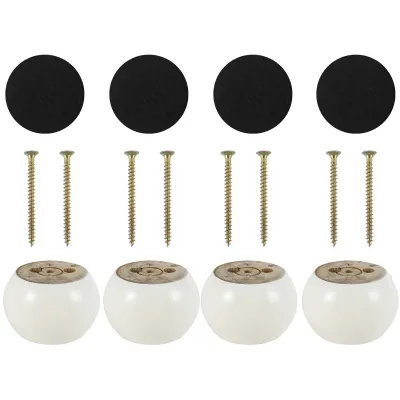
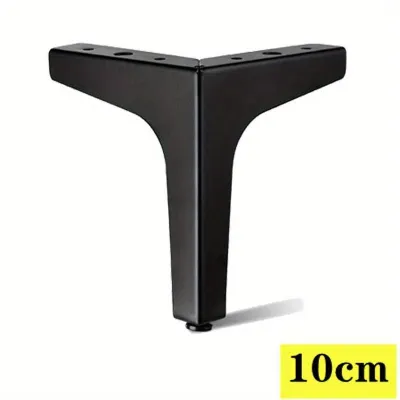
![[SG] 4PCS Adjustable Furniture Legs Aluminum Alloy Cabinet Leg Stand Square Non-slip Table Sofa Bed Leg Support](https://img.lazcdn.com/g/p/873a9a1412a7707f95a32d0075781b11.jpg_400x400q80.jpg_.webp)
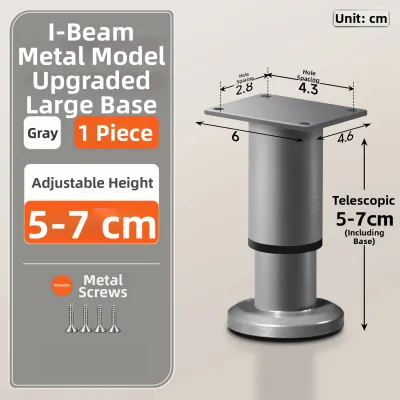
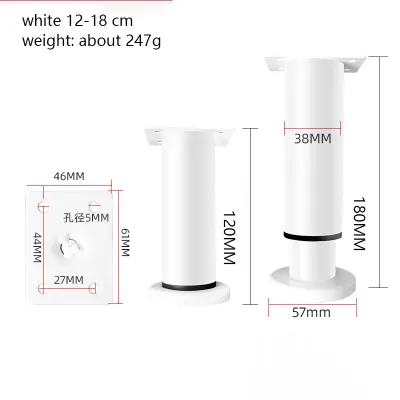
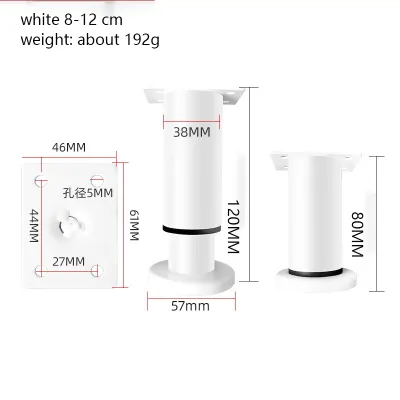
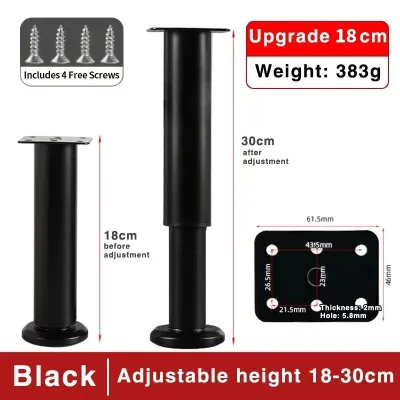
Prices are valid at publication and may change. Please refer to the product page for the latest price.
Furthermore, incorrect dimensions can compromise the structural integrity of your furniture. A leg that is too thin or features an incompatible mounting plate can cause the sofa to wobble, sag, or tip under normal use. In worse-case scenarios, a mismatched leg can buckle, leading to sudden frame failure and potential injury. Investing ten minutes in precise measurements prevents the hassle of return shipping, wasted money, and potential damage to your beloved furniture.
Step 1: Measure Current Height and Plan Floor Clearance
The height of your sofa legs directly influences both your physical comfort and the daily maintenance of your living space. To establish a baseline, measure your current sofa leg from the very bottom of the wooden or metal frame down to the floor. Make sure to exclude any temporary felt pads, rubber cups, or caster wheels from this measurement, as you want to capture the true structural height of the leg itself.

Altering this height will significantly change your daily seating experience. Raising the sofa makes it easier to stand up from a deep seat, but it also alters the seating angle, potentially leaving your feet dangling. Conversely, lowering the sofa creates a more relaxed, low-profile lounge vibe but can make getting in and out of the seat more physically demanding. If you plan to change the leg height, test the proposed height by temporarily propping the sofa up on secure wooden blocks to evaluate the comfort before purchasing.
When planning replacement legs, consider the overall finished dimensions of your sofa. Removable sofa legs are highly practical for navigating tight doorways, narrow corridors, and passenger lifts in Singapore high-rises. If you are purchasing taller legs, ensure the finished height still allows the sofa to fit through your entryway during future moves. Additionally, verify that the assembly conditions—such as the stability of the anchoring method and the frame’s load capacity—are not compromised by the new leg height.
In modern homes, floor clearance is also a major practical consideration for automated cleaning. If you use a robot vacuum, measure the exact height of your appliance at its tallest point. Add a safety buffer of 1 to 2 centimetres to this measurement to ensure the robot can navigate freely under the sofa without getting wedged. If your vacuum is 9 centimetres tall, aim for a minimum sofa leg height of 10 to 11 centimetres. Keep in mind that if you select significantly taller legs than the originals, you will raise the sofa’s center of gravity. This adjustment increases the leverage applied to the joints, meaning you must verify that the sofa frame is sturdy enough to handle the additional lateral stress.
Step 2: Identify the Sofa Leg Mounting Type and Hardware
Before looking at design styles, you must identify how your current legs attach to the sofa frame. Sofa legs generally fall into three distinct mounting categories: hanger bolts, screw-on plates, or proprietary brackets. Identifying this mechanism is the single most important step in finding a compatible replacement.
Hanger Bolts and Thread Sizes
Many sofa legs utilize a hanger bolt, which is a specialized metal stud that features a wood screw thread on one end (anchored inside the leg) and a machine screw thread on the exposed end that screws directly into a T-nut in the sofa frame. To measure this type, first unscrew one of your existing legs. Measure the length of the exposed bolt sticking out from the top of the leg.
Next, you must determine the thread diameter. This is where most compatibility errors occur. The two most common thread standards are metric (typically M8, which has an 8mm diameter) and imperial (typically 5/16-inch, which is roughly 7.9mm but features a different thread pitch). Because M8 and 5/16-inch bolts look incredibly similar to the naked eye, using a digital caliper or testing the bolt with a known nut from a local hardware store is highly recommended. Forcing a metric bolt into an imperial T-nut will strip the threads, ruin the mounting point, and require you to install a brand-new T-nut inside your sofa frame.
Screw-On Mounting Plates
If your sofa legs do not screw directly into a single central hole, they likely utilize a metal or heavy-duty plastic mounting plate. These plates are screwed flat against the wooden underside of the sofa frame, and the leg itself is either welded to the plate or integrated directly into it.
To find a compatible match, measure the overall length and width of the mounting plate. Crucially, you must also measure the exact distance between the screw holes, measuring both from center-to-center along the edges (adjacent spacing) and diagonally across the plate. When purchasing a new plate-mounted leg, the new plate should ideally match these hole dimensions. If the hole patterns differ, ensure the new mounting plate is large enough to cover the existing holes, allowing you to drill fresh pilot holes into solid wood without overlapping the old, weakened screw pathways.
Slip-In or Proprietary Brackets
Some modern or modular sofas utilize proprietary slip-in brackets, interlocking rails, or push-in plastic sockets. These designs are highly brand-specific and do not use standard screws or bolts.
If your sofa features this style, measure the exact width, depth, and profile shape of the socket or insert tab. Because these brackets are rarely standardized across the furniture industry, you will typically need to source replacement parts directly from the original manufacturer or search for specialized aftermarket hardware designed specifically for that brand’s locking mechanism.
Step 3: Account for Weight Capacity and Floor Protection
Once you have determined the dimensions and mounting specifications, you must evaluate the structural demands of your furniture. Heavier sofas—such as large multi-seat sectionals, sleeper sofas with heavy internal metal folding mechanisms, or solid hardwood frames—require exceptionally robust support. For these heavy pieces, prioritize legs with a wider top diameter to distribute the load, and choose reinforced steel mounting plates rather than thin plastic or light-duty alloy hardware to prevent bending or snapping under sudden weight loads.
Floor protection is another critical factor, particularly in residential climates where tiled, laminate, luxury vinyl, or engineered timber flooring is standard. Hard plastic or unpolished metal legs can easily scratch, gouge, or scuff these surfaces when the sofa shifts. Measure the diameter of the bottom footprint of your prospective sofa legs. Ensure the base is wide and flat enough to accommodate high-density adhesive felt pads or non-slip rubber grippers.
Remember that a material name alone, such as “solid oak” or “stainless steel,” does not automatically guarantee durability or floor safety. True stability depends on the overall thickness of the leg, the quality of the joints, and the integrity of the mounting hardware. Always check the manufacturer’s care instructions and weight ratings to ensure the component is rated for domestic residential use.
Common Measurement Mistakes to Avoid
To guarantee a seamless installation, keep these frequent measurement and planning oversights in mind:
- Ignoring the tilt angle: Many sofas feature legs that flare outward at an angle. If you replace angled legs with straight vertical legs, you will alter the sofa's visual proportions and potentially place severe lateral stress on a frame joint that was engineered to distribute weight diagonally. If your sofa uses angled legs, ensure your replacement legs or mounting plates are specifically designed to maintain that correct angle.
- Confusing thread pitch: Even if you correctly identify a bolt as an 8mm or 10mm thread, a mismatch in the thread pitch (the distance between individual thread ridges) will prevent the leg from screwing in smoothly. Never force a stubborn bolt; if it resists after one or two turns, the pitch is likely incorrect.
- Forgetting plate thickness: Failing to account for the physical thickness of a heavy-duty metal mounting plate can cause your sofa to sit slightly higher or lower than your calculations, which can be problematic if you are trying to match the height of an adjacent armchair or coffee table.
- Assuming standard hole spacing: Never assume that a "standard" four-hole mounting plate from one brand will align with the pre-drilled holes of another. Always verify every dimension manually.
Frequently Asked Questions (FAQ)
Can I install taller legs to increase my sofa's seating height?
Yes, you can install taller legs to increase the seating height, but doing so changes the physics of the furniture. Taller legs act as longer levers, which increases the lateral force applied to the mounting plates and the wooden frame when people sit down or shift. If you increase the leg height by more than 5 centimetres, inspect the sofa’s internal frame and cross-supports to ensure they are robust enough to handle the increased leverage without cracking.
What should I do if the new legs wobble after installation?
If your new legs wobble, first check that the mounting plates are sitting completely flush against the flat wooden frame of the sofa, and ensure all screws are tightened evenly. If the wobble persists, verify that your floor surface is level. You can easily resolve minor height variances or floor unevenness by applying thicker adhesive felt pads to the shorter legs or installing adjustable leveling glides on the bottom of the legs.
Community discussion
Share your experience or ask a question. Comments are reviewed before publication.