
Finding the right replacement legs for your sofa requires a systematic approach to measuring the existing hardware, frame height, and mounting points. A mismatch of even a few millimeters can result in an unstable seating surface, stripped threads, or a tilted frame that damages your flooring. By taking precise measurements before browsing online marketplaces, you can ensure a seamless installation that restores both the stability and aesthetic of your furniture.
The process involves three primary steps: identifying how the leg attaches to the sofa frame, measuring the physical height needed for proper clearance, and determining the exact specifications of the mounting hardware. Whether you are replacing a broken leg, raising the sofa for easier cleaning access, or updating the style, accuracy is key to preventing structural strain on the wooden frame.
Tools and Preparation for Measuring Sofa Legs
Before attempting to measure or remove any hardware, gather the necessary tools to ensure accuracy and protect your furniture. You will need a reliable metal tape measure, a flashlight to inspect dark recesses beneath the frame, a notepad to record dimensions, and a digital caliper or thread pitch gauge for precise hardware identification. If your sofa uses top plates with wood screws, keep a flathead and a Phillips screwdriver nearby to safely remove the existing fasteners.
Products mentioned in this guide
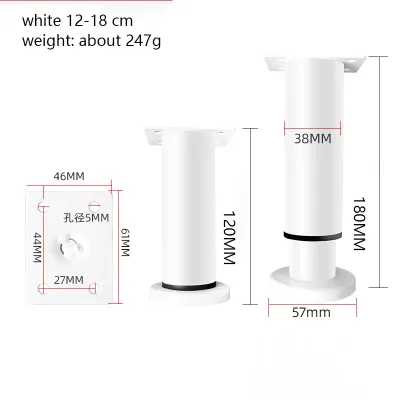
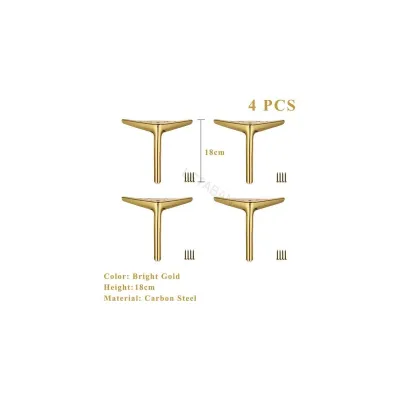
![[SG FREE ] 1pc Adjustable Stainless Steel Round Furniture Legs Cabinet Table Sofa Bed Feet](https://img.lazcdn.com/g/p/fb1fc498ccc44a8af144e90653d6bb94.jpg_400x400q80.jpg_.webp)
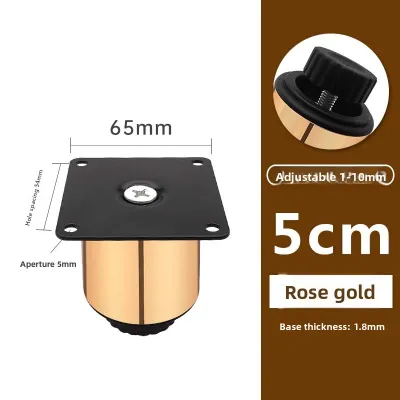
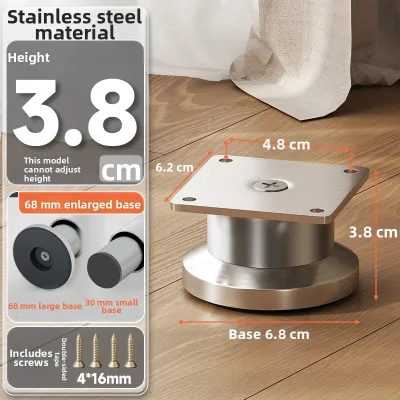
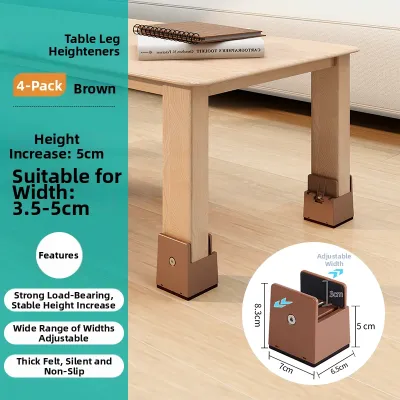
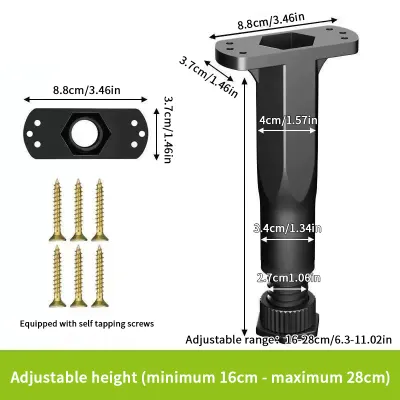
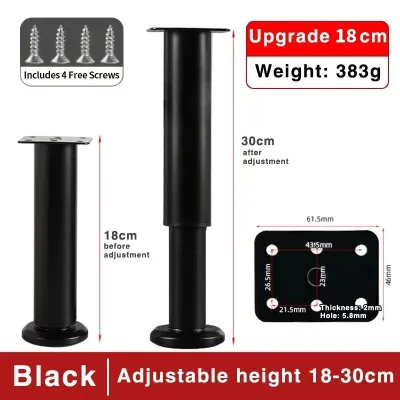
Prices are valid at publication and may change. Please refer to the product page for the latest price.
Preparing the workspace is crucial for safety and to prevent damage to your upholstery or flooring. Clear a spacious area in the room and lay down a soft blanket or clean cardboard to protect the fabric of the sofa. With the help of another person, carefully tilt the sofa backward or turn it completely upside down, ensuring you do not put excessive lateral pressure on the existing legs during the transition. If the sofa is exceptionally heavy, use furniture sliders or sturdy wooden blocks to support the frame safely while you work.
Before taking physical measurements, check the underside of the sofa for a manufacturer’s label, law tag, or original assembly manual. These documents sometimes list the exact thread size, leg height, or model number, which can save you time and serve as a valuable cross-reference for your physical measurements.
Step 1: Identify the Attachment Method
Sofa legs are secured to the frame using one of three common attachment methods, and identifying yours is the first step toward finding a compatible replacement. The most prevalent style is the screw-in hanger bolt, where a threaded metal stud protrudes from the top of the leg and screws directly into an embedded nut inside the sofa frame. Another common design utilizes a flat metal or wooden top plate secured to the frame with multiple wood screws, with the leg either integrated into the plate or screwed into its center. Finally, some modern or minimalist sofas use slip-on sockets or custom brackets where the leg slides into a metal sleeve and is locked in place with a side bolt.

To determine your attachment type, inspect the connection point visually using your flashlight. If the leg is a screw-in type, attempt to turn it counterclockwise gently; it should unscrew smoothly from the frame. If the leg resists turning, do not force it, as this can crack the internal wooden frame or strip the embedded threads. Instead, look closely for hidden screws, staples, or locking pins that might be securing the leg or its mounting plate to the underside of the sofa.
If you encounter a highly non-standard bracket, a welded metal frame, or a mounting point that is severely cracked and structurally compromised, stop the process. Forcing a damaged connection can lead to irreversible frame failure. In these situations, consulting a professional furniture repair specialist or contacting the original manufacturer is the safest path to determine if the frame can support a standard replacement leg.
Step 2: Measure the Leg Height and Ground Clearance
The height of your replacement legs directly affects the overall seating height, comfort, and structural balance of your sofa. To measure the leg height accurately, remove the existing leg and place it on a flat surface. Measure vertically from the very bottom of the leg to the point where it meets the flat underside of the sofa frame; do not include the protruding hanger bolt in this height measurement, as that portion sits entirely inside the frame.
When measuring the sofa’s ground clearance, measure from the lowest rigid part of the wooden or metal frame down to the floor. Do not measure from a sagging fabric dust cover or loose upholstery, as these elements do not represent the actual structural clearance. If your current legs have removable casters, plastic glides, or thick felt floor protectors attached to the bottom, decide whether you want to replicate this setup. If you plan to use floor protectors on your new legs, subtract their thickness from your target leg height to keep the sofa level.
Consider your household needs when choosing a new leg height. If you use a robotic vacuum, measure the height of the vacuum unit and ensure your new sofa legs provide at least 10 to 20 millimeters of extra clearance above that measurement to prevent the vacuum from getting wedged underneath. Additionally, if your sofa sits near floor vents or wall outlets, verify that the adjusted height will not block airflow or access to essential utilities.
Step 3: Measure the Mounting Hardware and Top Plates
If your sofa uses screw-in legs, measuring the hanger bolt is the most critical step to ensure compatibility. Hanger bolts are not universal; they typically come in standard metric sizes like M8 or imperial sizes like 5/16-inch. Use a digital caliper to measure the outer diameter of the threaded bolt. To determine the thread pitch, count the number of threads within a specific distance or use a thread pitch gauge, which can be purchased at a local hardware store for a modest cost.
For sofas that utilize top plates, you must measure both the overall dimensions of the plate and the distance between the screw holes. Use your tape measure to find the length and width of the plate, then measure the distance from the center of one screw hole to the center of the adjacent hole. This center-to-center measurement ensures that the pre-drilled holes on your new top plates will align perfectly with the existing holes in your sofa’s wooden frame, preventing the need to drill new holes close to weakened wood.
Before putting the sofa back down, take several clear, well-lit photos of the mounting area, the removed leg, and the hardware measurements next to a ruler. These photos are invaluable when cross-referencing product listings on online marketplaces or when communicating with manufacturer support teams to verify that a specific replacement leg will fit your sofa’s configuration.
Step 4: Check Weight Capacity and Structural Limits
Replacement legs must be capable of supporting not only the weight of the sofa itself but also the combined weight of its users. Refer to your sofa’s original manual, manufacturer tags, or warranty documents to find the maximum weight rating. If this information is unavailable, look for replacement legs that explicitly state their load capacity per leg, ensuring the combined capacity of all legs exceeds the estimated maximum load by a safe margin.
While the sofa is tilted, visually assess the condition of the wooden frame, corner blocks, and metal brackets where the legs attach. Look for signs of splitting wood, hairline cracks, loose joints, or stripped screw holes. If the wood surrounding the mounting point is soft, crumbling, or showing signs of moisture damage, it will not securely hold new hardware, and installing new legs without repairing the frame first could lead to a sudden collapse.
Avoid upgrading to significantly heavier leg materials, such as solid brass or heavy iron, unless you have verified that the sofa’s internal frame is robust enough to support the added weight. Heavy metal legs can exert high leverage on a lightweight pine or particleboard frame, potentially causing the wood to split at the connection points. If you wish to change materials, check the frame’s screw-hold strength and consult the manufacturer to ensure structural compatibility.
Final Verification Before Ordering Replacements
Before finalizing your order on any ecommerce platform, compile your measurements into a quick reference checklist to double-check against the product specifications. Your checklist should include the exact leg height, the hanger bolt diameter and thread pitch (or top plate dimensions and hole spacing), the shape of the leg base, and the material. Having these numbers clearly written down reduces the risk of ordering incompatible hardware.
If you are purchasing custom-made legs or buying from a new online retailer, consider ordering a single test leg first if the seller allows it. This allows you to physically test the thread fit and height on your sofa frame before investing in a full set. While this may add a few days to your project timeline, it can save you the hassle and cost of returning a complete set of incorrect legs.
Finally, do not assume that all four legs on your sofa are identical. Many modern sofa designs use different leg heights, angles, or mounting styles for the front and back to accommodate angled frames or built-in recliners. Measure at least one front leg and one back leg individually to confirm they share the same specifications before placing your order.
Frequently Asked Questions (FAQ)
Can I replace sofa legs with a different attachment type?
Yes, it is possible to change the attachment type, but it usually requires installing universal adapter plates or T-nuts. These plates screw directly into the wooden frame, providing a new threaded receptacle for hanger-bolt legs. However, modifying the sofa frame carries structural risks; drilling new holes can weaken the wood if done incorrectly or if placed too close to existing joints. Always assess the thickness and integrity of the wooden frame before drilling, and ensure the new mounting plates are securely anchored with high-quality wood screws.
What should I do if the sofa frame threads are stripped?
If the internal threads inside the sofa frame are stripped, a standard screw-in leg will wobble or fail to tighten. You can resolve this by installing a threaded insert or a T-nut of a slightly larger size, or by replacing the damaged mounting plate entirely. If the wood surrounding the thread is severely stripped or cracked, you may need to relocate the mounting point slightly or reinforce the area with a solid wood block. If the damage is extensive or if you are unsure about the structural integrity of the repair, stop and seek assistance from a qualified furniture repair professional to prevent frame failure.
Community discussion
Share your experience or ask a question. Comments are reviewed before publication.