
Replacing a stiff, squeaking, or broken drawer track slider starts with taking precise measurements of your drawer box, cabinet opening, and existing hardware. To choose the correct replacement, you must identify the mounting style, measure the drawer box length (excluding the decorative front panel), and calculate the exact side clearance required for the new slides. Getting these dimensions right ensures the drawer glides smoothly without binding or catching on the cabinet frame. Taking a few minutes to measure carefully prevents the frustration of buying hardware that is too long, too wide, or incompatible with your cabinet’s internal structure.
Identify Your Existing Drawer Slide Type and Mounting Style
Before purchasing a new drawer track slider, you must determine how the current hardware is mounted. Side-mount slides are the most common, attached to the outer sides of the drawer box and the inner walls of the cabinet. Under-mount slides are hidden beneath the drawer box, offering a cleaner look but requiring specific bottom clearances. Center-mount slides consist of a single track running directly down the middle of the drawer bottom, which is common in older or lightweight furniture.
Examine the existing hardware closely to identify how it detaches. Look for release levers, plastic tabs, or tilt-and-lift mechanisms that allow the drawer to be removed from the cabinet tracks. Note the screw hole patterns and the shape of any mounting brackets. Some furniture pieces use proprietary fittings or custom rear brackets designed specifically for that brand. If you encounter these custom setups, check the manufacturer’s specifications to see if a universal track slider can be adapted or if an exact brand-specific replacement is required.
Products mentioned in this guide
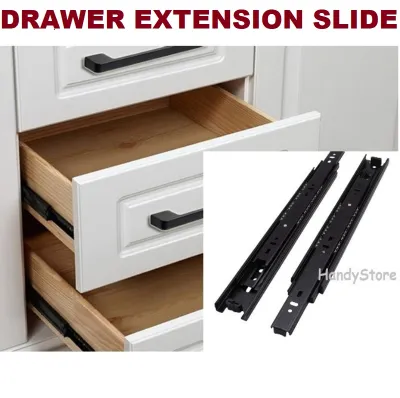
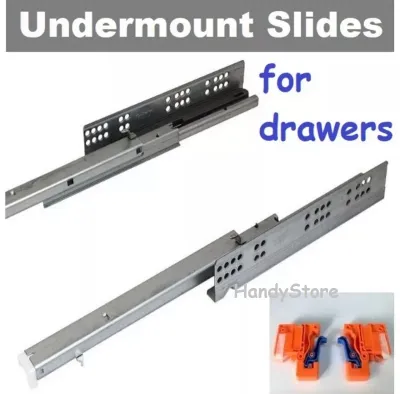
![Bottom Mount White Drawer Roller Pulley Slide Slider Left Right Track Slide Rail 1 pair [Screws Not Inclusive]](https://img.lazcdn.com/g/p/0b28a4cdfbb1d654f4ec2e9f0782e034.jpg_400x400q80.jpg_.webp)
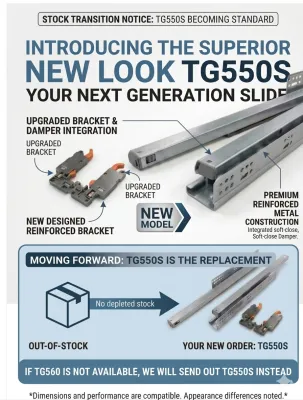
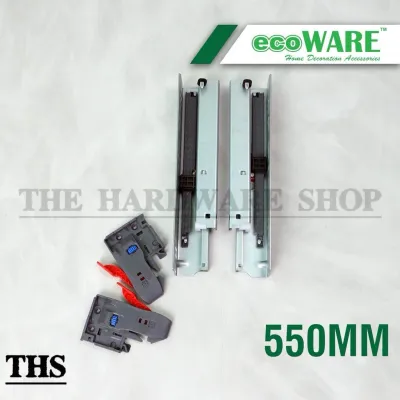
![17mm Wide Two Section Ultra Narrow Mini Retractable Steel Drawer Slide Pull Rail Guide with Ball Bearings [1 Pair]](https://img.lazcdn.com/g/p/1f924a8afe4796b1db52b302802c4a13.jpg_400x400q80.jpg_.webp)

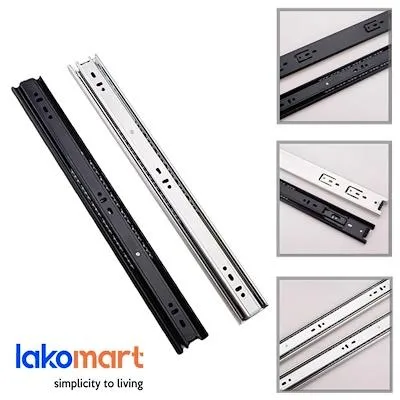
Prices are valid at publication and may change. Please refer to the product page for the latest price.
Measure the Drawer Box and Cabinet Opening for Accurate Sizing
Accurate physical measurements are the foundation of a successful drawer track slider replacement. Start by removing the drawer box entirely from the cabinet. Measure the length of the drawer box from the outer surface of the back panel to the inside edge of the front panel. Do not include the decorative drawer face or false front in this measurement, as the slide must fit entirely within the functional box area. This measurement determines the maximum slide length your drawer can accommodate.

Next, calculate the side clearance, which is critical for side-mount slides. Measure the internal width of the cabinet opening, then measure the outer width of the drawer box. Subtract the drawer box width from the cabinet opening width, and divide the result by two. This number represents the clearance space available on each side. Verify if your chosen slide requires the standard 12.7 mm (half-inch) clearance on each side, as is common for many side-mount ball-bearing models. If your clearance is too narrow, the drawer will bind; if it is too wide, the slides will not engage properly.
Finally, verify the vertical height and internal depth of the cabinet opening. Ensure there is enough vertical clearance so the drawer box does not scrape the cabinet floor or the frame above it. Measure the total internal depth of the cabinet from the front face to the back wall. The replacement track slider must be shorter than this internal depth to allow the drawer to close completely and sit flush with the cabinet exterior.
Select the Right Extension Style and Load Capacity
The extension style of your replacement drawer track slider dictates how much of the drawer box pulls out from the cabinet. Three-quarter extension slides are common in budget furniture, leaving the back portion of the drawer inside the cabinet. Full-extension slides allow the drawer to open completely, providing unobstructed access to the very back of the box, which is ideal for kitchen drawers and filing cabinets. Over-travel slides extend slightly beyond the cabinet face, which is useful when deep countertops or overhanging edges block vertical access to the drawer contents.
You must also match the load capacity of the replacement hardware to the drawer’s intended use. Check the existing slides for stamped weight ratings or manufacturer labels. If no labels exist, estimate the required capacity based on what the drawer holds. Light-duty slides are suitable for clothing or office papers, while heavy-duty slides are necessary for deep kitchen drawers holding heavy cookware or pantry items.
Keep in mind that higher load ratings generally require thicker steel profiles and larger ball-bearing mechanisms. These robust designs can slightly alter the required installation clearances. Always verify the manufacturer’s specification sheet to ensure a heavy-duty slide will still fit within your calculated side clearance.
Verify Cabinet Clearances and Installation Constraints
Before finalizing your purchase, inspect the interior of the cabinet for potential physical obstructions. Look for protruding door hinges, internal structural supports, plumbing pipes, or electrical conduits that might block the path of the drawer track slider. Uneven back panels or warped cabinet walls can also cause the tracks to install at an angle, leading to rough operation or premature wear on the bearings.
The style of your drawer face also influences how you install the replacement hardware. Inset drawer faces sit flush inside the cabinet opening, requiring the slides to be set back slightly from the front edge. Overlay drawer faces rest against the front frame of the cabinet, allowing the slides to mount closer to the front opening.
During your inspection, look for signs of structural damage. If you find stripped screw holes, soft or water-damaged wood, or a severely warped cabinet frame, stop the installation. Attempting to mount new hardware to compromised wood will lead to failure. In these situations, repair the wood using wood filler and longer screws, or consult a qualified carpenter to restore the structural integrity of the cabinet before proceeding.
Frequently Asked Questions (FAQ)
Can I replace a side-mount slide with an under-mount slide?
Switching from a side-mount to an under-mount slide is rarely a direct swap and usually requires significant modifications. Under-mount slides require specific clearance gaps beneath the drawer box and very precise side clearances that differ from standard side-mount setups. Additionally, the drawer box must often have a recessed bottom and specific locking devices installed on the underside. If your drawer box was not originally constructed for under-mount hardware, you may need to rebuild or replace the entire drawer box. Always review the manufacturer’s installation template and clearance requirements before attempting to switch mounting styles.
What if my drawer box length does not match standard slide sizes?
If your drawer box length falls between standard slide sizes, the general rule is to select a slide that is slightly shorter than the drawer box rather than longer. For example, if your drawer box measures 480 mm and standard slides are available in 450 mm and 500 mm, choose the 450 mm slide. A slide that is too long will extend past the back of the drawer box, preventing the drawer from closing fully and potentially damaging the cabinet face. For deep cabinets with shorter drawers, you can use rear mounting brackets or sockets to bridge the gap between the back of the slide and the cabinet’s rear wall.
Community discussion
Share your experience or ask a question. Comments are reviewed before publication.