
Finding the perfect dust cover for your bed is more than just matching standard mattress labels. To achieve a clean, tailored look that effectively blocks dust and debris from accumulating beneath your bed frame, you must measure the exact physical dimensions of your specific bed setup. A poorly fitted cover can either drag on the floor, gathering dirt and creating a tripping hazard, or hang too high, leaving unsightly gaps that expose your under-bed storage. By taking precise measurements of your bed’s width, length, and vertical drop, you can select a cover that fits seamlessly and complements your bedroom’s aesthetic.
Gather the Right Tools for Accurate Measurements
Before you begin measuring, having the correct tools on hand is essential for obtaining precise numbers. A flexible fabric sewing tape can easily sag over long distances, leading to inaccurate, overly generous measurements that result in a baggy dust cover. Instead, opt for a rigid metal tape measure that remains straight and taut across the entire span of your bed frame.
Additionally, prepare a notepad or a digital device to record your dimensions immediately. Writing down the width, length, and height as you measure prevents memory errors that could lead to purchasing the wrong size.
Products mentioned in this guide




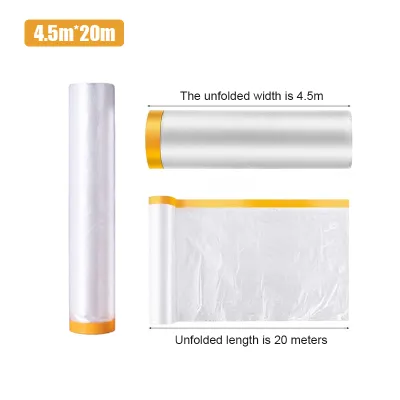

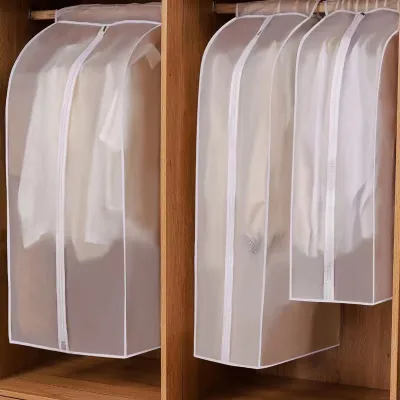

Prices are valid at publication and may change. Please refer to the product page for the latest price.
To ensure your measurements reflect the actual space the cover will occupy, clear the bed of all sheets, blankets, and pillows. It is also best to ensure the bed frame is in its final position in the room, as proximity to walls, bedside tables, or other furniture can influence how the dust cover hangs and how much clearance you need.
Measure Your Bed Frame Dimensions Step-by-Step
Measuring a bed frame requires a systematic approach that accounts for the entire structure, not just the mattress. Because bed frames vary widely in design—ranging from simple metal platforms to elaborate wooden frames with integrated ledges—you must measure the outer boundaries of the frame itself.

Measure the Width and Length of the Frame
To determine the horizontal surface area your dust cover must span, start by measuring the width of the frame. Place your metal tape measure at the outermost edge of the left side rail and extend it straight across to the outermost edge of the right side rail. Do not rely on the mattress width alone, as many modern frames feature decorative borders or wider wooden panels that extend beyond the mattress edge.
Next, measure the length of the frame from the head of the bed to the foot of the bed. If your mattress overhangs the frame slightly, or if the frame features a recessed design where the mattress sits deep inside a lip, note these details. A recessed frame may require a dust cover that sits differently on the base, while an overhanging mattress might require a slightly wider cover to prevent the fabric from pulling taut and warping.
Always record your measurements in consistent units, such as centimeters or inches, depending on the sizing charts provided by your preferred retailer. Mixing units during the measurement process is a common source of ordering errors that can be costly to rectify.
Determine the Height and Floor Clearance
The vertical drop is one of the most critical measurements for a dust cover, as it determines how far the fabric will hang toward the floor. To find this dimension, measure from the top of the box spring or the flat platform base where the mattress rests, straight down to the floor. If your bed does not use a box spring, measure from the top edge of the wooden slats or metal frame rails.
Once you have this total vertical height, you must calculate the necessary floor clearance. If your bedroom has thick carpeting, highly uneven flooring, or if you regularly run a robotic vacuum, you will want to subtract a small amount of clearance from your total height. A dust cover that drags on a thick rug will gather lint and restrict the movement of automated cleaning appliances.
Additionally, check if your bed frame features built-in under-bed storage drawers. If the drawers slide out from the sides, a standard continuous dust cover will block access to them. In this scenario, noting the exact height from the top of the drawer frame to the platform base is crucial for choosing a split-panel or modular cover design.
Adjust for Headboards, Footboards, and Side Rails
Structural features of your bed frame can significantly alter how a dust cover drapes, meaning you must adjust your measurements to accommodate these elements. Start by examining the headboard area. Measure the gap between the mattress and the headboard to determine if you need extra fabric to tuck in, or if the dust cover should feature a split corner to wrap around the headboard supports.
Next, look at the footboard. If your bed frame has a high footboard that rises above the mattress platform, a standard one-piece dust cover will bunch up at the corners. You will need to decide whether to purchase a cover with split corners that can hang neatly around the footboard posts, or if the cover should stop entirely at the footboard edge.
Finally, take note of any protruding side rails, decorative wooden legs, or casters. These features can catch on the fabric of a standard cover. If your bed has wide, decorative legs, you may need to measure their width and position to ensure the cover’s corner pleats align correctly without stretching or tearing the material.
Select the Correct Dust Cover Size and Fit
Once you have gathered all your physical measurements, the next step is translating these numbers into the correct product specifications. This involves comparing your custom dimensions against standard retail sizes and determining the ideal drop length.
Standard Bed Sizes vs. Custom Dimensions
Start by comparing your recorded frame measurements against regional standard bed sizes. In Singapore, standard sizes typically include Single, Super Single, Queen, and King, but these dimensions can vary slightly between manufacturers and import sources. Always cross-reference your exact centimeter measurements with the retailer’s size guide rather than buying based on the name of the size alone.
If your bed frame features custom modifications, extra-thick padding, or non-standard dimensions, off-the-shelf options may not provide a clean fit. In such cases, opting for a custom-made dust cover is often the best path to avoid a sloppy appearance. Custom orders allow you to specify exact width, length, and drop measurements tailored to your unique frame.
When selecting a size, keep manufacturer tolerances and potential fabric shrinkage in mind. Natural fibers like cotton can shrink slightly after the first few washes. If you are choosing a natural fabric cover, it is wise to select a size that offers a tiny margin of extra room or check if the manufacturer has pre-shrunk the material.
Choose the Ideal Drop Length and Overlap
To calculate the optimal drop length for your dust cover, refer back to your vertical height measurement. A standard recommendation is to choose a drop length that is approximately 1 to 2 centimeters shorter than the actual distance from the frame base to the floor. This slight gap prevents the fabric from dragging, gathering dust bunnies, or interfering with vacuuming, while still keeping the under-bed space fully concealed.
If you prefer a pooled look where the fabric drapes elegantly onto the floor, you can add 2 to 5 centimeters to your vertical measurement. However, keep in mind that this style requires more frequent maintenance and washing, as the bottom edge will act as a sweep for floor dust.
For rooms with thick area rugs placed partially under the bed, measure the height from the top of the rug to the frame base. The thickness of the rug can lift the floor level slightly, meaning a cover that fits perfectly on bare flooring might bunch up on the rug.
Evaluate Material and Closure Options for Your Bed Type
The material and closure mechanism of your dust cover play a significant role in its durability, ease of maintenance, and overall functionality. Because Singapore’s tropical climate brings high humidity, selecting the right fabric is essential for preventing musty odors and moisture buildup under the bed.
Fabric Selection
- Breathable Fabrics: Materials like cotton and linen blends allow for excellent airflow, which is crucial for keeping the space beneath your mattress dry and well-ventilated. However, these natural fibers are prone to wrinkling and may require ironing after washing to maintain a crisp look.
- Moisture-Resistant Materials: Synthetic blends, such as polyester-cotton mixes, offer greater resistance to moisture and wrinkling. They are highly durable and hold their shape well over time, making them a practical choice for busy households. Always check the manufacturer's label to verify specific fabric treatments and care instructions.
Closure and Attachment Types
- Elastic Edges: Dust covers with elasticized borders fit snugly around the perimeter of your box spring or bed platform. They are easy to install and stay securely in place, though they can sometimes pull unevenly if the bed frame has irregular corners.
- Hook-and-Loop Fasteners: These fasteners are ideal for platform beds or frames with built-in storage drawers. They allow you to attach and detach specific panels easily without having to lift the entire mattress.
- Tie-Downs: Fabric ties located at the corners of the cover allow you to secure the material directly to the bed posts or frame rails. This option provides a highly adjustable fit and prevents the cover from shifting during daily use.
Before making a final purchase, always check the care labels for washing instructions. A dust cover that is easy to machine wash and dry will save you significant time and effort during your regular bedroom cleaning routine.
Install and Adjust the Dust Cover for a Secure Fit
Installing a dust cover properly ensures that it hangs evenly and remains secure over time. Because mattresses can be heavy and awkward to handle, safety should be your top priority during this process.
First, enlist the help of a partner to lift the mattress safely off the bed frame. Attempting to slide a dust cover under a heavy mattress on your own can strain your back and lead to an uneven installation. Place the mattress aside on a clean surface while you work on the base.
Next, drape the dust cover over the box spring or platform base. Align the corners of the cover precisely with the corners of the frame. Smooth out any wrinkles or folds, working from the center of the bed outward toward the edges. Ensure that the seams or pleats hang straight down at each corner.
Once the cover is aligned, secure any elastic bands, hook-and-loop strips, or tie-downs to the frame. If your cover uses an elastic border, tuck it securely under the edges of the box spring or platform to prevent it from slipping when the mattress is replaced.
Carefully lower the mattress back onto the frame with your helper, taking care not to drag or snag the dust cover fabric in the process. Once the mattress is in place, perform a final visual check on all sides of the bed. Look for any gaps, dragging fabric, or uneven drops, and make minor adjustments by gently pulling the cover’s edges until the hem hangs perfectly parallel to the floor.
Frequently Asked Questions (FAQ)
Can I use a standard mattress-sized dust cover for an oversized bed frame?
Using a standard mattress-sized dust cover on an oversized or non-standard bed frame is generally not recommended. Standard covers are designed to match specific dimensions, and using one on a larger frame will result in exposed frame edges, tight fabric that warps, and an inadequate drop length that fails to conceal the under-bed space. If your frame is larger than standard sizes, it is best to opt for a custom-sized cover or choose a larger standard size and have the drop length professionally altered to fit your specific frame height.
How do I measure a bed with built-in under-storage drawers?
To measure a bed with built-in storage drawers, you must focus on the clearance above the drawer openings. Measure the distance from the top of the mattress platform down to the top edge of the drawers to ensure the cover’s drop length does not block the drawers from opening. Alternatively, look for specialized dust covers designed for storage beds, which often feature split panels, zippered sections, or hook-and-loop attachments that allow you to access the drawers without removing or lifting the cover.
What should I do if my dust cover is slightly too long and drags on the floor?
If your dust cover is slightly too long and drags on the floor, you can make temporary, reversible adjustments without permanently altering the fabric. Use double-sided fabric tape or safety pins to create a temporary hem along the bottom edge, lifting it to the desired height. Alternatively, check the installation at the top of the frame; sometimes, pulling the cover slightly higher up on the box spring or platform base and securing it with mattress pins can lift the drop length enough to clear the floor.
Community discussion
Share your experience or ask a question. Comments are reviewed before publication.