
To find the perfect wall shelf size for a Singapore apartment, you must balance your storage needs with the physical limits of your room. The ideal shelf fits comfortably within your wall’s boundaries, leaves ample clearance for daily foot traffic, and matches the scale of nearby furniture. For most compact HDB flats and condominiums, this means choosing a shelf depth between 15 cm and 30 cm, keeping the total width to roughly two-thirds of the furniture piece directly below it. By taking precise measurements and planning around structural obstacles, you can maximize vertical storage without making your living space feel cramped or cluttered.
Quick Guide to Measuring and Sizing Wall Shelves
Finding the right wall shelf size requires a systematic approach to your wall’s dimensions. Start by measuring the raw width and height of your target wall area using a steel tape measure. Next, subtract necessary clearances for walkways, nearby doors, and existing furniture to determine your maximum usable footprint.
In compact Singapore apartments, prioritizing the correct shelf depth and vertical clearance is far more critical than simply maximizing shelf surface area. A shelf that protrudes too far into a room disrupts the visual flow and restricts physical movement. Applying a simple visual proportion rule—such as keeping the shelf width narrower than the sofa, desk, or sideboard below it—ensures the installation looks intentional and balanced. This quick filtering process helps you narrow down product options before you start drilling.
Products mentioned in this guide
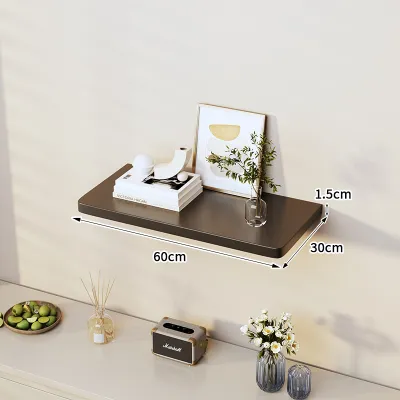
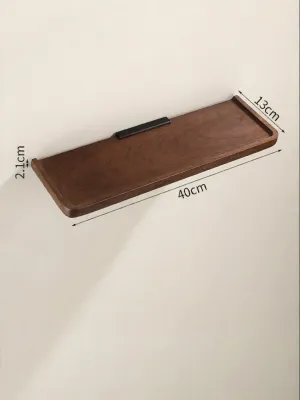
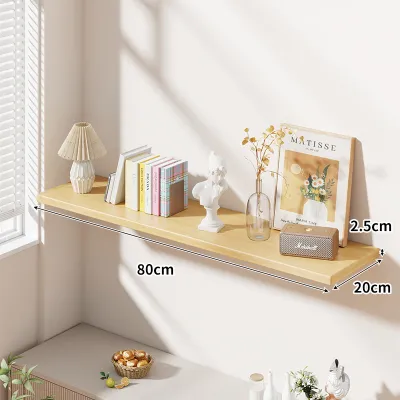
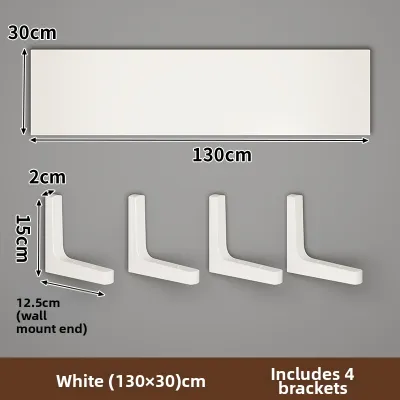
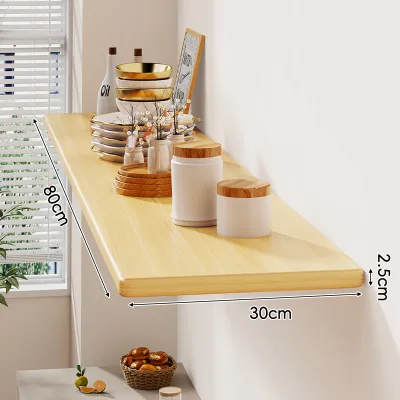
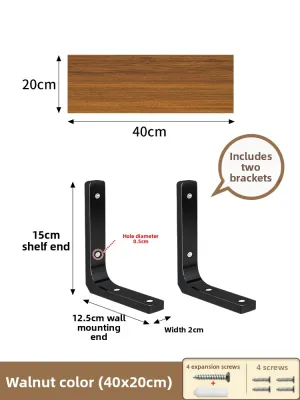
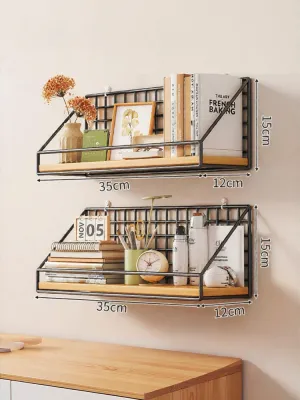
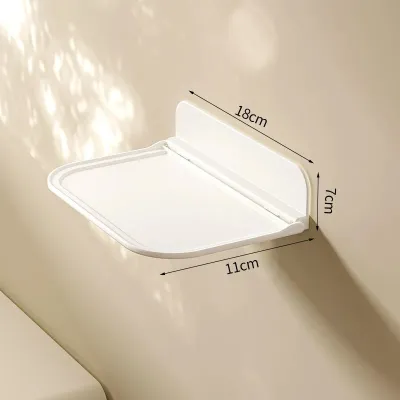
Prices are valid at publication and may change. Please refer to the product page for the latest price.
How to Accurately Measure Your Available Wall Space
Before purchasing any shelving unit, you must map out the physical realities of your wall. Singapore apartments often feature unique architectural elements, such as structural columns, air-conditioning trunking, and specific electrical layouts, which directly impact where a shelf can sit.

Mapping Width, Height, and Usable Depth
Begin by measuring the raw width and height of the wall section where you plan to install the shelf. Always use a rigid steel tape measure rather than a flexible fabric tape to prevent sag and ensure accuracy down to the millimeter.
Measure the “usable depth” of the space rather than just the open wall. Look closely for protruding skirting boards at the base of the wall, wall-mounted air-conditioning trunking, light switches, power outlets, and window sills. If your shelf or its supporting brackets overlap with these elements, the shelf may sit unevenly, block access to essential utilities, or prevent windows from opening fully.
If you plan to place the shelf near a corner, check if the walls meet at a true 90-degree angle. Even a slight deviation can cause a tight-fitting shelf to wedge against the adjacent wall or leave an unsightly gap. Always measure the width at multiple heights—near the ceiling, at eye level, and closer to the floor—to account for any structural bowing.
Additionally, verify the finished dimensions of the packaged shelf before purchase. Ensure that larger, single-piece shelving units can easily fit through your apartment doorway and lift access during delivery.
Factoring in Walkways and Furniture Clearances
A common oversight when installing a wall shelf is failing to account for how much floor space remains once the shelf is mounted. The physical depth of the shelf directly reduces the clear pathway in front of it.
To maintain safe and comfortable movement in typical HDB or condominium layouts, aim to preserve at least 60 cm to 90 cm of clear walkway width. In high-traffic zones like corridors, entryways, or the narrow path between a dining table and the wall, a shelf depth exceeding 15 cm can easily lead to bumped shoulders and restricted passage.
You must also measure the distance from adjacent furniture pieces that move during daily use. For example, factor in the extension of dining chairs when pulled out, the reclining angle of a sofa, or the open doors of a nearby wardrobe. Ensure that the shelf is positioned high enough or far enough to the side that it does not pose a hazard when people stand up from a bed or desk.
Choosing the Right Wall Shelf Dimensions for Your Room
Selecting the ideal shelf dimensions is a balancing act between functional storage capacity and spatial harmony. The right size depends heavily on what you intend to store and the specific room where the shelf will live.
Selecting the Right Depth for Different Uses
Shelf depth should always match the physical items you plan to display. Using a shelf that is too deep for its contents wastes valuable room volume and creates unnecessary shadows below.
- Shallow Shelves (15 cm to 20 cm): These are ideal for narrow corridors, small bedrooms, and powder rooms. They perfectly accommodate lightweight decorative items, small photo frames, spice jars, or standard paperbacks. Because they have a minimal footprint, they keep walkways completely clear.
- Medium Shelves (20 cm to 25 cm): This is the most versatile range for general home organization. It comfortably holds larger novels, textbooks, small smart speakers, and standard-sized storage baskets.
- Deep Shelves (25 cm to 30 cm): Reserve these deeper dimensions for spacious living rooms, home offices, or dedicated study areas. They are necessary for heavy binders, vinyl records, large storage boxes, or small kitchen appliances.
For any shelf deeper than 25 cm, always verify the manufacturer’s load capacity and ensure your wall type can support the leverage exerted by a deeper platform. Never assume a material’s name, such as oak or steel, automatically guarantees high durability or moisture resistance. Instead, check the manufacturer’s care instructions and finish type, especially if installing the shelf in high-humidity areas like kitchens or near bathrooms.
Balancing Proportions and Visual Weight
To prevent a wall shelf from visually dominating a compact room, you should apply classic interior design proportions. A reliable guideline is the “two-thirds rule,” which suggests that the total width of your shelving arrangement should be approximately two-thirds the width of the furniture piece directly beneath it.
For example, if your study desk is 120 cm wide, an ideal wall shelf or grouping of shelves mounted above it should span roughly 80 cm. Centering a shelf of this size creates a grounded, cohesive look. If the shelf is wider than the desk below, it can create a top-heavy, unstable visual effect.
The mounting style also dictates the visual weight of the shelf. Floating shelves with concealed internal brackets offer a clean, minimalist aesthetic that allows light to pass through, making a small room feel more open. Conversely, shelves supported by bulky external brackets have a heavier visual presence. While bracketed shelves often support higher load capacities, they require more physical wall space and can make a tight corner feel cluttered.
Essential Spatial Clearances and Placement Rules
Proper placement of a wall shelf is just as important as choosing the correct dimensions. Establishing safe vertical and horizontal clearances prevents accidents and ensures your room remains highly functional.
When mounting a shelf above a seated area, such as a sofa, desk, or bed, you must leave adequate headroom. A safe standard is to maintain a clearance of 40 cm to 60 cm between the top of the seat backrest (or the desk surface) and the underside of the lowest shelf. This gap ensures that when a person sits down, leans back, or stands up, they will not accidentally strike their head on the shelf.
Vertical clearance near the ceiling is another critical factor. Avoid mounting shelves too close to the ceiling line, as this can compress the room visually and make the ceiling feel lower than it is. Leaving at least 30 cm of space between the top shelf and the ceiling maintains an airy feel and allows enough room to easily access items stored on the top tier.
Additionally, map out the swing radius of all nearby doors, windows, and wardrobe doors. A shelf placed too close to a doorway can block a door from opening fully or cause a damaging impact if a door is opened quickly.
You must also consider climate control fixtures. Ensure the shelf does not obstruct the direct airflow path of wall-mounted air-conditioning units, as blocking this flow can reduce cooling efficiency and cause condensation issues on your stored items.
Finally, identify your wall type before finalizing your placement. In Singapore, structural walls—such as the reinforced concrete walls of HDB household shelters (bomb shelters)—have strict drilling restrictions. Heavy, load-bearing shelves that require deep anchoring cannot be safely mounted on these walls, limiting your installation options to non-structural brick or drywall partitions.
Common Wall Shelf Sizing Mistakes in Compact Apartments
Avoiding common measurement and selection pitfalls will save you time, money, and unnecessary damage to your walls. In compact living environments, even a minor miscalculation can lead to a highly impractical setup.
- Buying Shelves That Are Too Deep: Choosing a deep shelf for a narrow hallway is a frequent error. A deep shelf forces users to walk awkwardly around it, turning a functional corridor into a frustrating bottleneck.
- Ignoring Skirting Board Protrusions: If you plan to use shelves with vertical wall tracks or brackets that extend down to the floor, failing to account for the thickness of your skirting boards will prevent the vertical supports from sitting flush against the wall, causing the shelves to tilt forward.
- Overcrowding with Too Many Tiers: Installing a multi-tiered shelving unit that covers an entire wall from floor to ceiling can quickly overwhelm a small room. This excessive visual weight makes the space feel boxy and significantly reduces natural light.
- Failing to Check for Concealed Utilities: Before drilling any holes for brackets, always check for hidden electrical wiring, water pipes, or gas lines behind the wall. Accidentally puncturing a utility line during installation can lead to costly repairs and severe safety hazards. Use a reliable digital wall scanner to verify that the drilling path is entirely clear.
- Neglecting the Anchoring Method and Stability: Ensure you select the correct plugs and screws for your specific wall type. Drywall partitions require hollow-wall anchors, while solid concrete walls require masonry plugs. Choosing the wrong anchoring method compromises the shelf's stability and can lead to structural failure.
- Neglecting the Manufacturer's Care and Weight Limits: Never assume all materials perform identically under load. Before loading a shelf with heavy books or decorative items, check the manufacturer's specified weight capacity and mounting guidelines. If the instructions conflict with your planned usage, adjust your layout or select a more robust support system.
Frequently Asked Questions (FAQ)
How high should a wall shelf be above a desk or sofa?
For optimal safety and comfort, aim for a clearance of 40 cm to 60 cm above the top of the desk surface or the backrest of the sofa. This height prevents accidental head bumps when you sit down or stand up, provides sufficient clearance for desk lamps or laptop screens, and keeps your displayed items within comfortable reach.
Can I install heavy wall shelves on HDB bomb shelter walls?
No, you should avoid installing heavy, load-bearing shelves on HDB household shelter (bomb shelter) walls. These walls are made of high-strength reinforced concrete designed for structural safety, and drilling into them is strictly regulated or prohibited to maintain their structural integrity. For heavy storage, utilize non-structural internal brick or drywall partitions instead. If you must use the exterior of a shelter wall, opt for lightweight, non-drilling adhesive organizers or freestanding shelving units that do not require structural anchoring.
Community discussion
Share your experience or ask a question. Comments are reviewed before publication.