
Replacing worn-out outdoor cushions is one of the fastest ways to restore comfort and style to your patio, balcony, or garden seating. However, ordering the wrong size can lead to cushions that bunch up, overhang, or slide off the frame. To get a perfect fit, you must measure the bare furniture frame itself rather than your existing, compressed cushions. By taking precise measurements of the seat width, depth, backrest height, and thickness, you can ensure your new cushions look tailored and stay securely in place.
Tools You Need for Accurate Measurements
Achieving a precise fit starts with using the correct tools. A flexible sewing tape measure might seem convenient, but it easily sags or stretches over long distances, leading to inaccurate readings. Instead, always use a rigid metal tape measure. The stiff metal blade remains straight across wide seat frames, allowing you to capture true edge-to-edge dimensions.
In addition to a reliable tape measure, keep a dedicated notepad or a digital device nearby to record your measurements immediately. It is easy to forget or transpose numbers when measuring multiple chairs or a large sectional sofa. Write down each dimension clearly, labeling them as width, depth, backrest height, or thickness. If your furniture frame has an irregular shape or is slightly warped from outdoor exposure, keep a calculator handy to average multiple measurements for a consistent fit.
Products mentioned in this guide
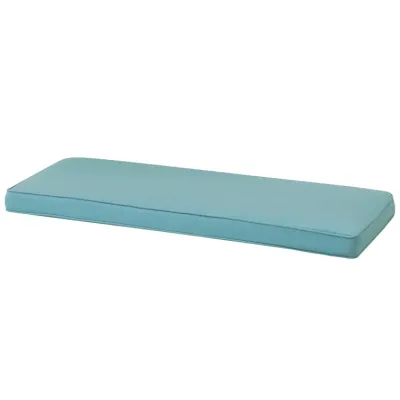
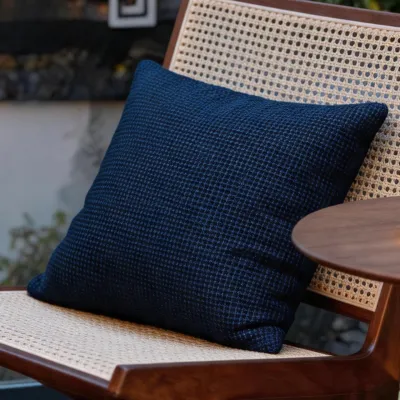
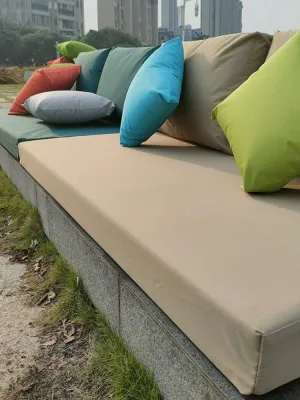


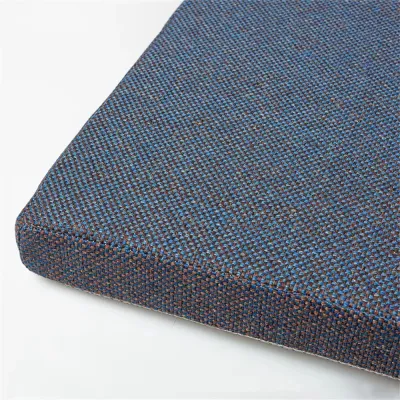
Prices are valid at publication and may change. Please refer to the product page for the latest price.
Step-by-Step Guide to Measuring Different Furniture Types
Before you begin pulling your tape measure, establish a clear starting point. The most critical rule of cushion replacement is to measure the bare furniture frame, not the old cushions. Over years of use, outdoor foam compresses, fabric stretches, and seams warp. Measuring an old cushion will almost certainly result in a replacement that is too small, too large, or misshapen. Strip the furniture down to its bare wood, metal, or wicker frame to find the true dimensions.

Different styles of outdoor furniture require distinct measurement techniques to ensure the cushions sit correctly and remain stable. A dining chair has different support needs than a deep-seating sofa or an adjustable sun lounger. Understanding these structural differences allows you to measure the correct contact points where the cushion will actually rest.
Measuring Outdoor Chairs and Dining Seats
Standard upright outdoor chairs and dining seats require careful attention to both the seat platform and the backrest. Begin by measuring the seat width from side to side. Place your tape measure at the inside of the frame, measuring from the left inner edge to the right inner edge. If the chair frame has a decorative lip or a raised border, measure the flat recessed area where the cushion will actually sit. Always measure at both the front and the back of the seat, as many outdoor chairs taper slightly toward the backrest.
Next, measure the seat depth from the front edge of the frame to the backrest. If you plan to use both a seat cushion and a separate back cushion, you must account for the thickness of the back cushion. Subtract the estimated thickness of the back cushion (usually 5 to 10 centimeters) from the total seat depth. This prevents the seat cushion from protruding past the front edge of the chair once the back cushion is in place.
If your chair requires a full back cushion, measure the backrest height from the seat platform up to the top of the frame. For chairs with sloped or curved backs, follow the contour of the frame with your tape measure to capture the true length of the support area. Finally, measure the backrest width at both the top and bottom to check for any tapering that might require a custom-shaped cushion.
Measuring Outdoor Sofas and Sectionals
Measuring large outdoor sofas and sectionals requires a systematic approach, especially when dealing with multi-seat configurations. Instead of measuring the entire length of the sofa frame in one go, measure each individual seating section separately. This is particularly important for modular sectionals, where each piece of the frame supports an independent cushion. Measuring section by section ensures that each cushion aligns perfectly with the frame’s structural supports.
When measuring the width of each section, account for the thickness of the armrests and any inner seating boundaries. For a standard three-seater sofa, measure the total inner width between the armrests and divide that number by three to determine the width of each individual seat cushion. Ensure you leave a small clearance of about 1 centimeter overall so the cushions can sit side-by-side without bunching up or squeezing against each other.
For sectional corner pieces and chaise ends, look closely at the angles and depths. Corner seats often require specialized square or pentagonal cushions, while chaise ends have extended depths that require a single long cushion or a matching footstool cushion. Measure the depth of the chaise from the backrest all the way to the front footrest, and note if the width remains consistent along the entire length.
Measuring Sun Loungers and Daybeds
Sun loungers and daybeds feature elongated frames designed for reclining, which introduces unique measurement challenges. To measure a sun lounger, start by adjusting the backrest so the entire frame lies completely flat. Measure the total length of the frame from the very top of the headrest to the bottom of the footrest. Next, measure the width at the widest point of the frame, checking both the head and foot ends to ensure the frame does not taper.
Most sun loungers require segmented cushions that bend to accommodate different reclining angles. To ensure the cushion bends in the correct place, you must locate the frame’s hinges. Measure the length of each individual frame segment: from the top of the backrest to the main hinge (the backrest section), and from the hinge to the bottom of the frame (the seat and leg section). Recording these segment lengths accurately ensures the cushion’s built-in break points align perfectly with the frame’s mechanical joints.
Additionally, check the clearance between the bottom of the frame and the ground or any surrounding frame lips. If you choose a cushion that is too thick, it may rub against the frame or drag on the ground when you adjust the lounger’s angle. Ensuring proper clearance prevents premature wear on the cushion fabric and allows the adjustment mechanism to operate smoothly.
Determining the Ideal Cushion Thickness and Shape
Selecting the right cushion thickness and shape is essential for both comfort and aesthetics. The ideal thickness depends heavily on the depth of your furniture frame and the height of the armrests. For deep-seating sofas and lounge chairs, a thicker cushion of 10 to 15 centimeters provides the necessary support for long periods of relaxation. For standard dining chairs, a thinner profile of 5 to 8 centimeters is usually sufficient, as it keeps your seating height natural in relation to the dining table.
You must also evaluate how the cushion thickness affects your seating ergonomics. If a cushion is too thick, it can raise your knees too high or make the armrests feel too low, compromising your comfort. Furthermore, thick cushions on shallow frames run the risk of sliding off easily because there is not enough frame lip to hold them in place. Ensure the cushion thickness matches the scale of the frame.
The shape of the cushion should mirror the physical edges of your furniture. Look at the corners of your chair frames: are they sharp and square, or are they rounded? Matching square cushions to square frames and rounded cushions to rounded frames creates a clean, professional look. If your frame has curved back corners, ordering a cushion with matching curved or “waterfall” edges will prevent the fabric from bunching up in the corners.
Accounting for Ties, Fasteners, and Frame Obstructions
Even a perfectly sized cushion can become a nuisance if it slides around or blows away in high winds. When measuring your furniture, locate the existing tie-down points on the frame. Most outdoor cushions feature fabric ties or velcro straps that secure to the back slats or legs of the chair. Note where these ties should be positioned on your replacement cushions to ensure they align with the frame’s structural bars.
If your furniture frame does not have slats or bars suitable for ties—such as solid metal or resin chairs—consider alternative fastening methods. You can look for cushions with non-slip backing materials or plan to use heavy-duty outdoor velcro straps. Knowing how you will secure the cushions beforehand helps you choose the right cushion design and prevents frustration later.
Be sure to inspect the frame for any physical obstructions, such as protruding bolts, hinges, rivets, or decorative metalwork. These elements can prevent a standard cushion from sitting flat against the frame. If your furniture has these obstructions, you may need to measure their exact locations and order cushions with custom cutouts or notches. Taking the time to account for these small details ensures a flush, stable fit.
Common Measurement Mistakes to Avoid
Avoiding common pitfalls can save you time, money, and the hassle of returning ill-fitting items. The most frequent mistake is measuring the old, worn-out cushions instead of the bare frame. Old cushions lose their structure, flatten out, and stretch over time, leading to inaccurate measurements that will not fit your frame properly. Always strip the furniture down to the bare frame before pulling out your tape measure.
Another common error is ignoring tapered edges. Many outdoor chairs are wider at the front than they are at the back. If you only measure the front width and order a square cushion, it will be too wide to fit into the back of the chair, causing the fabric to bunch up awkwardly. Always measure both the front and back widths to identify any tapering.
Finally, never rush the process. Forgetting to double-check your recorded dimensions before placing an order—especially for custom-made cushions—can result in costly mistakes. Take your time, measure each dimension twice, and write down the numbers clearly. Confirming your measurements ensures that your new outdoor cushions will fit perfectly on the first try.
Frequently Asked Questions (FAQ)
Should I measure the old cushion or the furniture frame?
Always measure the bare furniture frame rather than your old cushions. Over time, the foam inside old cushions compresses, and the fabric stretches out of shape due to weather exposure and regular use. Measuring a saggy or compressed cushion will result in replacement cushions that do not fit your furniture correctly. The rigid frame of your wood, metal, or wicker furniture is the only stable and reliable source of truth for accurate dimensions.
How do I measure a curved or circular outdoor seat?
To measure a curved or circular outdoor seat, start by finding the maximum diameter of the frame. Run your metal tape measure across the widest part of the circular seat, passing directly through the center point. If the seat is a semi-circle or has a curved back, measure the straight front edge first, and then measure from the midpoint of that front edge straight back to the deepest part of the curve. For highly complex curves, creating a paper template of the seat frame and sending it to the cushion manufacturer is the best way to ensure a perfect custom fit.
What if my furniture frame has a slight taper?
If your furniture frame tapers—meaning it is wider at the front than at the back—you must record both measurements. For a proper fit, the replacement cushion should match this taper. If you are buying standard, non-custom cushions, use the narrower back measurement as your guide to prevent the cushion from bunching up or hanging over the sides. However, if the taper is very slight (less than 2 centimeters), you can often use the wider measurement, as high-quality outdoor foam can compress slightly to fit into the narrower space.
Community discussion
Share your experience or ask a question. Comments are reviewed before publication.