
To find the correct replacement foot pads (often searched as alas kaki tangga) for your ladder, you must measure the exact outer dimensions of the leg, identify its geometric shape, and determine whether it requires an external cap or an internal insert. A precise fit is essential to maintain stability, prevent slipping, and protect your floors from damage. Taking a few minutes to measure with the right tools prevents the hassle of buying ill-fitting parts that could compromise your safety during use. Whether you are working with a lightweight aluminum step stool or a heavy-duty extension ladder, understanding the nuances of leg measurements ensures that your equipment remains a reliable tool for home maintenance and professional tasks.
Identify the Shape and Insert Type of Your Ladder Legs
Before picking up a measuring tool, closely inspect the bottom profile of your ladder legs. Most household step ladders, extension ladders, and step stools feature one of four primary geometric shapes: round, square, rectangular, or oval. Identifying this shape immediately narrows down your search, as replacement pads are molded specifically to match these distinct profiles.
Next, determine how the existing foot pad attaches to the ladder leg. An insert-style pad features a ribbed stem that pushes directly into the hollow opening of the metal or fiberglass tube. Conversely, a cap-style or wrap-around pad fits over the outside of the leg like a sleeve. Knowing which style your ladder uses is crucial because it dictates whether you need to focus on internal or external leg measurements. If your ladder originally had inserts, replacing them with external caps might alter the angle of the ladder or cause it to wobble if the caps do not sit flush.
Products mentioned in this guide
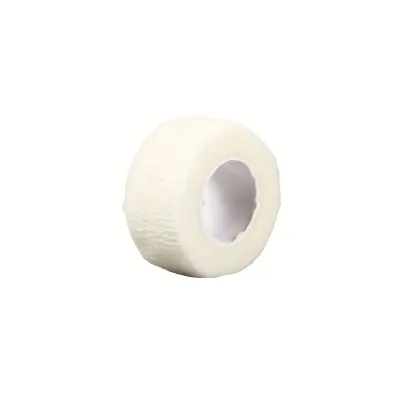
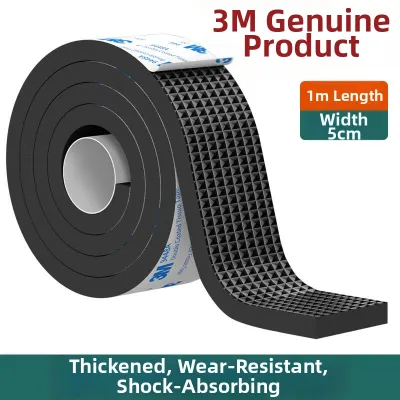
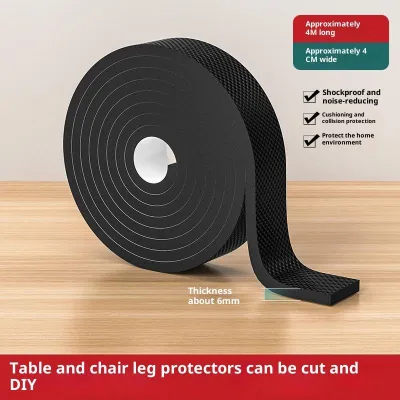
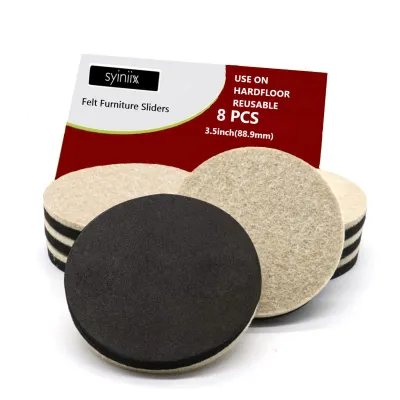
Prices are valid at publication and may change. Please refer to the product page for the latest price.
Finally, observe the angle of the leg cut. Some ladder legs are cut perfectly flat, while others feature a distinct bevel, angle, or rolled edge to ensure the pad sits flush with the ground when the ladder is fully opened. If your ladder has angled legs, you will need to look for angled replacement caps that match that specific slope to prevent uneven wear and wobbling. Installing a flat cap on an angled leg concentrates all the weight on a single edge, which quickly wears through the rubber and damages your floor.
Measure the Exact Outer Diameter and Wall Thickness
To get the most accurate measurements, use a pair of digital or dial calipers. Calipers provide precise readings down to the millimeter, which is the standard unit of measurement for most replacement parts. If you do not have calipers, a rigid steel ruler or a high-quality measuring tape can work, but you must align it carefully across the center of the leg opening to avoid parallax errors.

For round ladder legs, measure the widest point of the outer diameter from one outer edge to the opposite outer edge. If you are dealing with square or rectangular legs, you must measure two dimensions: the outer width and the outer length. Do not assume a square leg is perfectly symmetrical; always measure both sides to confirm the exact dimensions. Write down these numbers clearly, labeling them as outer dimensions so you do not confuse them later.
If your ladder requires insert-style pads, measuring the outer diameter is only half the job. You must also measure the inner diameter or the wall thickness of the hollow tube. The wall thickness determines how much space is left inside the tube for the insert’s plastic ribs to grip. To find the wall thickness, measure the metal or fiberglass material itself at the edge of the tube.
Always record your measurements in both millimeters and inches, as replacement parts on online marketplaces may use either system. Avoid rounding your measurements to the nearest whole number or guessing the size. A discrepancy of just one or two millimeters can result in a cap that is too loose to stay on or an insert that is impossible to push into the tube. If your measurement falls between standard sizes, it is usually safer to choose the size recommended by the manufacturer for your specific ladder model.
Inspect the Leg Ends for Damage or Deformation
Before ordering your new alas kaki tangga, examine the physical condition of the bare ladder leg ends. Years of scraping against concrete or carrying heavy loads can cause the metal or fiberglass to dent, flare outward, or crush inward. If the tube end is deformed, a new insert or cap will not seat properly, which can lead to premature wear or instability.
Look closely for sharp burrs, jagged edges, or rust formation around the bottom of the leg. Sharp metal edges can easily slice through new rubber or silicone pads from the inside out during your first few uses. If you spot rust on steel ladders, it can continue to degrade the structural integrity of the leg even after you cover it with a new foot pad. For fiberglass ladders, check for fraying or cracking around the bottom edge, which can weaken the leg under load.
You can often perform minor preparatory repairs to restore the leg’s shape before installing the new pads. Use a metal file to smooth down any sharp burrs or rough edges around the cut. If an aluminum tube is slightly crushed or flared, you can gently reshape it using a pair of pliers or a soft mallet, taking care not to crack or weaken the material.
However, you must recognize when a ladder leg is beyond simple repair. If the metal is severely cracked, split, or buckled near the bottom, the structural integrity of the ladder is compromised. In such cases, do not attempt to force a replacement pad onto the damaged frame; instead, consult the manufacturer or a qualified professional to determine if the ladder is still safe to use. Safety must always come first when working at heights, and a compromised ladder frame cannot be fixed with a simple rubber pad.
Match Your Measurements to Replacement Specifications
With your precise measurements in hand, you can now compare them against the specifications of available replacement pads. When browsing online stores or local hardware shops, look for listings that specify the “fits tube size” or “internal dimension” rather than just the overall size of the pad itself. The product description should clearly state whether the measurement refers to the outer diameter of the ladder leg or the inner opening.
The material of the replacement pad plays a significant role in how much tolerance you have during installation. Rigid plastic inserts require an exact millimeter match because they do not compress easily. On the other hand, flexible rubber or silicone caps offer a tiny bit of stretch, allowing them to accommodate legs that are slightly larger or smaller than the nominal size. However, relying too much on stretch can cause the rubber to split prematurely under heavy loads, so aim for the closest match possible.
Consider your primary working environment when choosing the pad material and tread pattern. If you plan to use the ladder mostly indoors on tiled or hardwood floors, look for non-marking rubber or polyurethane pads that prevent scuffing. For outdoor use on dirt, grass, or rough concrete, opt for heavy-duty pads with deep, aggressive tread patterns that provide better traction on uneven surfaces.
Avoid the temptation to purchase cheap, universal, or generic furniture stoppers that are not specifically rated for ladder use. Ladders are subject to intense dynamic loads and lateral forces that standard chair glides or table leg caps cannot handle. Investing in purpose-built ladder feet ensures the pads can support your weight safely without splitting or slipping out of place. Look for replacement pads that explicitly mention ladder compatibility and load-bearing ratings to ensure they meet safety standards.
Frequently Asked Questions (FAQ)
What if my ladder legs are slightly tapered or uneven?
If your ladder legs are tapered, take multiple measurements at different heights near the bottom of the leg to identify the exact slope. For tapered legs, flexible wrap-around rubber caps are generally more forgiving than rigid plastic inserts because they can stretch to conform to the changing shape. If standard replacement sizes do not fit securely, check the ladder’s model number and contact the manufacturer directly to source proprietary replacement parts.
Can I use generic rubber stoppers instead of specific ladder foot pads?
Using generic rubber stoppers or household furniture glides on a ladder is highly discouraged due to safety risks. Ladders experience significant lateral shear forces and heavy weight loads that generic stoppers are not engineered to withstand. An improper substitute can easily split, slip off, or compress completely under load, creating a severe tipping hazard. Always choose replacement pads specifically rated for ladder or heavy-duty structural applications to ensure your safety.
Community discussion
Share your experience or ask a question. Comments are reviewed before publication.