
To measure screw hole spacing and size before buying a replacement cabinet knob handle, you must find the exact center-to-center distance between the existing screw holes, determine the screw thread diameter, and measure the thickness of your cabinet doors or drawer fronts. Getting these dimensions right ensures your new hardware fits perfectly without the need for drilling new holes or patching old ones.
Replacing cabinet hardware is one of the most effective ways to update your kitchen or bathroom, but buying the wrong size leads to frustrating returns or unwanted drill holes. To ensure a seamless upgrade, you must accurately determine the center-to-center hole spacing, screw diameter, and required length. This guide walks you through the exact measurement process so you can confidently select a compatible cabinet knob handle for your existing cabinetry.
Tools You Need to Measure Cabinet Hardware
To achieve precise measurements, assemble a few basic tools before removing your existing hardware. A standard tape measure or a rigid metal ruler with both metric (millimetres) and imperial (inches) markings is essential, as cabinet hardware is manufactured in both systems.
Products mentioned in this guide
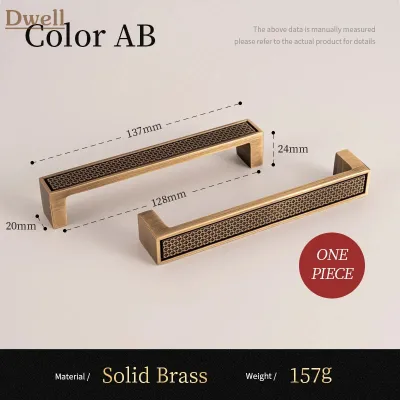
![[SG STOCK] VINOGA Brass Cabinet Handle and Knobs Furniture Pulls Wardrobe Kitchen Cabinet Handles and Knobs Cabinet Cupboard Hardware|Furniture Knobs and Handle](https://img.lazcdn.com/g/p/583669d07653fb071bce6ae6fe061614.jpg_400x400q80.jpg_.webp)
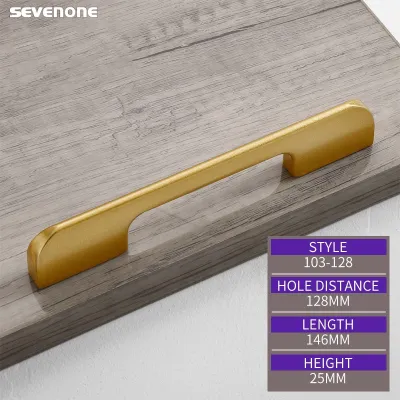
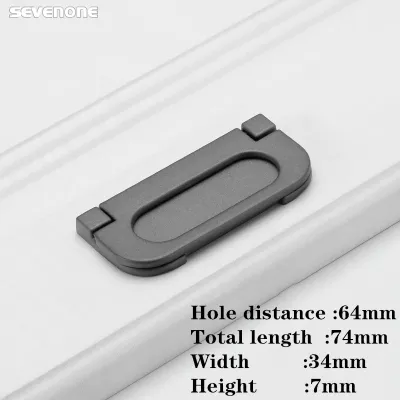
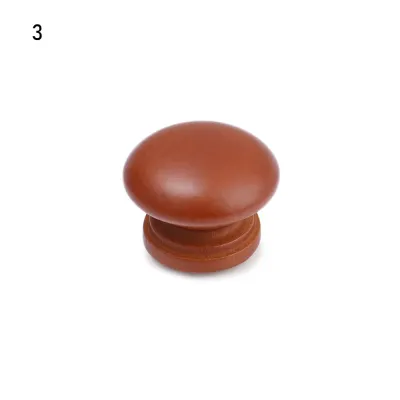
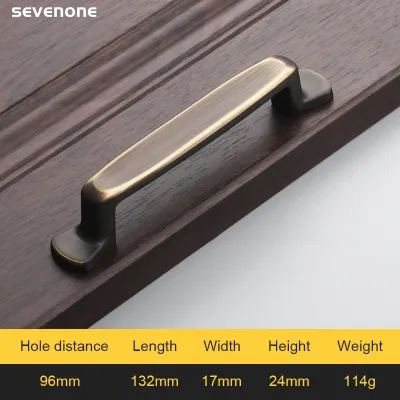
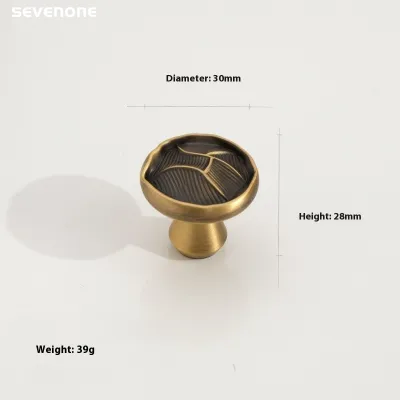
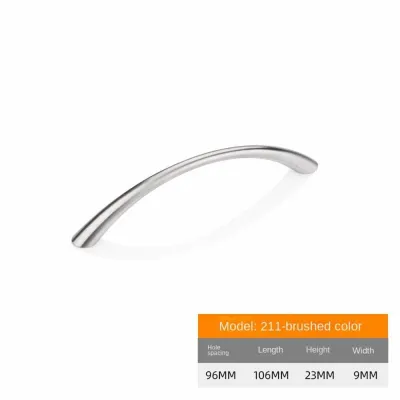
Prices are valid at publication and may change. Please refer to the product page for the latest price.
For high accuracy, a pair of digital or manual calipers is recommended. Calipers allow you to measure the exact diameter of screw threads and the precise thickness of your cabinet panels down to the millimetre.
Finally, keep a notepad or smartphone nearby to record your measurements immediately. Taking reference photos of the existing hardware profile from the front, side, and back can also help you compare designs when browsing online marketplaces or local hardware shops.
How to Measure Screw Hole Spacing
When replacing a multi-hole handle, the most critical dimension is the center-to-center (C-to-C) distance. This is the universal industry standard for hardware measurements, representing the distance from the exact center of one screw hole to the exact center of the other.

To measure this accurately, remove the existing handle from the cabinet door or drawer. Lay your ruler or tape measure across the holes on the front of the cabinet face. Measure from the center of the left hole to the center of the right hole. If you must measure while the hardware is still installed, open the cabinet door and measure between the centers of the two screw heads on the inside panel.
Single-hole knobs do not require center-to-center spacing measurements. For these, you only need to verify the screw hole diameter to ensure the new mounting bolt fits through the existing opening.
Once you have your center-to-center measurement, compare it against common industry standards. In metric systems, standard spacing often includes 96mm, 128mm, or 160mm. Imperial standards typically use increments like 3 inches (76.2mm), 3.5 inches (88.9mm), or 4 inches (101.6mm). Identifying whether your cabinetry uses standard or custom spacing will help you narrow down your search for a compatible cabinet knob handle.
How to Check Screw Diameter and Length
Beyond hole spacing, the replacement screws must match the existing holes in both diameter and thread pitch. Most standard cabinet hardware uses machine screws, with M4 (metric 4mm) and 8-32 (imperial) being the most common sizes.
To check the screw diameter, use your calipers to measure the outer threads of an existing screw, or take the screw to a local hardware store to test it against a thread finder. If you do not have the original screw, measure the diameter of the drilled hole in the cabinet door, ensuring the new screw can pass through freely without excessive play.
Next, determine the required screw length by measuring the thickness of the cabinet door or drawer front. For standard cabinet doors, this is typically around 18mm to 20mm. Drawer fronts are often thicker because they may consist of a drawer box panel joined to a decorative front panel.
To calculate the correct screw length, add the thickness of the cabinet panel to the depth of the threaded insert inside the new cabinet knob handle. The screw must be long enough to thread securely into the hardware base but not so long that it bottoms out before tightening against the cabinet face. While new hardware usually comes with standard screws, you may need to purchase longer or breakaway screws for thicker drawer fronts.
Evaluating Backset and Drawer Clearance
Evaluating the physical space around your hardware is crucial for both functionality and daily comfort. The projection, or backset, refers to how far the cabinet knob handle extends outward from the cabinet face once installed.
A handle with insufficient projection can make it difficult to grip, especially for larger hands or in high-use areas like kitchens. Conversely, a handle that projects too far can interfere with adjacent surfaces.
Measure the distance from the cabinet face to any nearby obstructions, such as perpendicular walls, appliance doors, or adjacent drawer fronts. In tight corner layouts, a protruding handle can prevent an adjacent drawer from opening fully or scratch the neighboring cabinet finish.
Additionally, consider the overall profile of the new hardware. Handles with open, hooked ends can easily catch on clothing or aprons as you move around the room. Choosing a closed-loop pull or a low-profile knob can prevent these daily inconveniences.
Common Measurement Mistakes to Avoid
One of the most frequent errors when shopping for replacement hardware is measuring the overall length of the existing handle instead of the center-to-center distance. The overall length includes the decorative ends of the pull, which can vary widely and does not align with the pre-drilled holes in your cabinetry.
Another common pitfall is confusing metric and imperial measurements. For example, a 3.75-inch measurement is approximately 95.25mm, which is very close to the standard 96mm metric size. However, attempting to force a 96mm handle into holes drilled for a 3.75-inch pull can stress the hardware, strip the threads, or crack the cabinet wood.
Finally, do not assume that one screw size fits all. Forgetting to account for the extra thickness of drawer fronts or the recessed mounting bases of certain modern handles can leave you with screws that are either too short to catch the threads or too long to tighten securely.
Frequently Asked Questions (FAQ)
Can I Replace a Two-Hole Handle With a Single-Hole Knob?
Yes, you can transition from a two-hole handle to a single-hole knob, but it requires addressing the exposed second hole. The most seamless method is to fill the unused hole with wood filler, sand it flush, and apply matching paint or stain to blend it with the cabinet finish.
If you prefer to avoid refinishing, you can install a decorative backplate (also known as an escutcheon) behind the new single-hole knob. The backplate is designed to cover the existing holes, providing a clean, polished look without the need for sanding or painting.
What If My Hole Spacing Does Not Match Standard Sizes?
If your cabinet hole spacing is non-standard or custom, you still have several practical options. Some specialty hardware manufacturers offer adjustable handles with mounting feet that slide along a track, allowing them to match any custom spacing.
Alternatively, you can fill the existing holes with wood filler, sand and refinish the area, and drill new holes that match standard modern hardware sizes. When drilling new holes, using a cabinet hardware jig is highly recommended to ensure perfect alignment and prevent splintering on the cabinet face.
Community discussion
Share your experience or ask a question. Comments are reviewed before publication.