
Selecting the right size rubber protector for your bed legs requires precise measurement of the leg’s bottom profile and matching those dimensions to the protector’s internal cavity. A secure fit prevents the protector from slipping off when the bed shifts, shields your flooring from deep scratches, and dampens structural noise. By taking a few minutes to measure accurately, you can avoid the frustration of loose caps that slide off or tight covers that split under the weight of the bed.
Why Proper Sizing Matters for Bed Leg Protectors
Bed leg protectors serve as the primary barrier between heavy furniture and your flooring. When a rubber protector is too loose, it easily slips off whenever the bed is moved or when someone climbs into bed. This leaves the raw wood, metal, or hard plastic of the bed leg exposed, which can quickly gouge or scratch delicate flooring surfaces like hardwood, vinyl, or laminate.
Additionally, a loose protector can trap abrasive dust and grit underneath, grinding it into the floor finish over time. This abrasive action can dull the protective topcoat of your flooring, leading to costly repairs or refinishing work.
Products mentioned in this guide
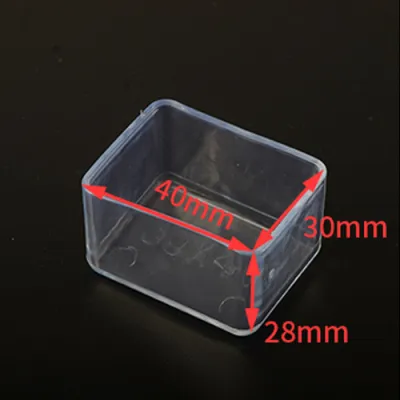
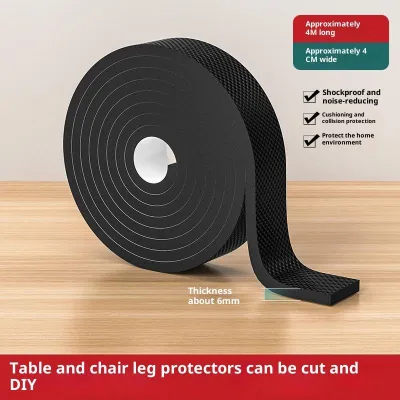
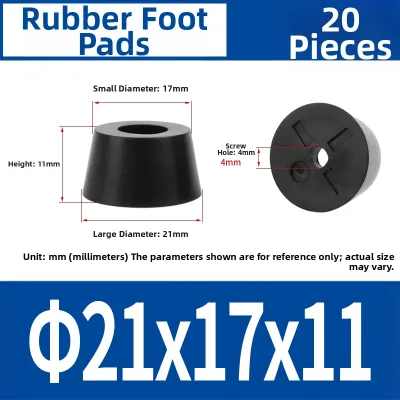
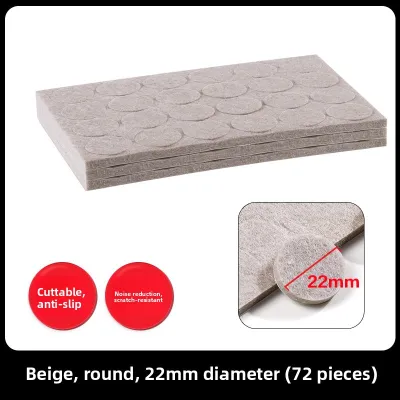
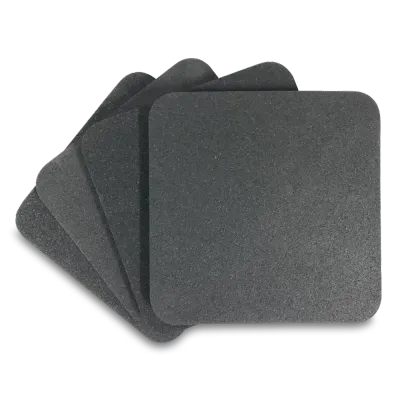
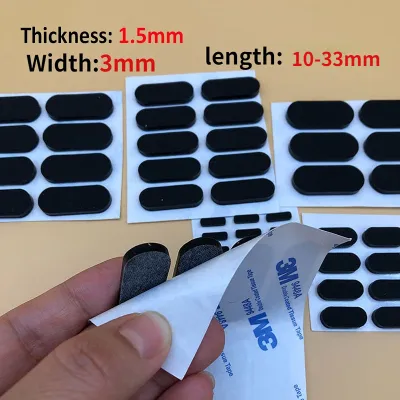
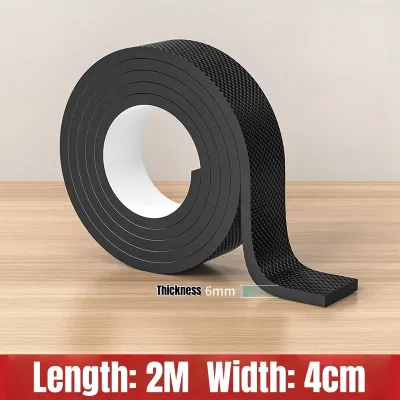
Prices are valid at publication and may change. Please refer to the product page for the latest price.
Conversely, choosing a protector that is too tight creates a different set of problems. Forcing a small rubber cap onto a large bed leg overstretches the material, placing immense tension on the rubber walls. Under the heavy, concentrated weight of a bed, this overstretched rubber is highly susceptible to tearing, splitting, or cracking along the seams. Once the integrity of the rubber is compromised, the protector loses its structural grip and fails to cushion the floor effectively.
Proper sizing also directly influences the overall stability of your bed. If the protectors do not fit uniformly across all legs, the bed can become uneven, leading to minor wobbles or shifting. This uneven weight distribution puts unnecessary stress on the bed frame joints and can cause squeaking or creaking noises. A snug, properly sized rubber base ensures that weight is distributed evenly across the floor surface, keeping the bed firmly anchored.
Tools Required for Accurate Bed Leg Measurement
Before you begin measuring, gathering the right tools ensures you obtain precise dimensions rather than rough estimates. A flexible sewing tape measure is highly useful for wrapping around curved surfaces, while a standard metal tape measure can work for straight edges. For the highest level of accuracy, especially on round or tapered legs, a pair of digital or manual calipers is the ideal tool to measure exact widths and diameters.

Preparing the workspace is equally important for safety and accuracy. Ensure the bed is completely stationary and, if possible, have someone assist you in lifting or tilting the frame safely to access the legs. Clear the surrounding floor area of any rugs, bedding, or clutter so you have unobstructed access to the bottom of each leg.
Finally, take a moment to clean the bottom of the bed legs before measuring. Over time, bed legs accumulate dust, pet hair, lint, and sometimes sticky residue from old adhesive pads. Use a damp microfiber cloth to wipe away this debris and let the surface dry completely. Removing these obstructions ensures your measuring tools sit flush against the actual structural material of the leg, preventing false readings.
Step-by-Step Guide to Measuring Bed Leg Dimensions
Achieving a perfect fit starts with understanding the geometry of your bed legs. Bed legs come in various shapes, including round, square, rectangular, and tapered profiles. Before pulling out your measuring tools, inspect the leg to identify its primary geometric shape, as this determines the specific dimensions you need to record.
Always take your measurements at the very bottom edge of the leg—the exact surface that makes contact with the floor. Many bed legs are tapered, meaning they are wider at the top and narrow down toward the base. If you measure even an inch or two above the bottom, you may end up buying a protector that is too large and slips off easily.
If your bed legs have an irregular or non-circular profile, you must record both the width and the depth of the base. Do not assume that a leg is perfectly square just because it looks angular; even a slight difference between the sides can prevent a square protector from fitting correctly. Write down each measurement clearly to reference when shopping.
Measuring Round or Cylindrical Legs
For round or cylindrical bed legs, the key dimension you need is the diameter. If you have a pair of calipers, slide the jaws open, place them flat against the very bottom of the leg, and close them gently until they touch both outer edges. Ensure the calipers are positioned directly across the widest center point of the circular base to get an accurate diameter reading.
If you do not own calipers, you can use a flexible measuring tape to find the circumference. Wrap the tape tightly around the bottom perimeter of the leg, making sure it remains level and does not twist. Record this circumference measurement, then divide the number by pi (approximately 3.14) to calculate the diameter. For example, a circumference of 9.4 centimeters divided by 3.14 gives a diameter of approximately 3 centimeters.
While measuring, inspect the bottom edge for any unique design features. Some round legs have a slight flare at the very bottom, while others might have worn down unevenly over years of use. If the base is flared, measure the widest part of that flare, as the rubber protector must be able to stretch over this section to sit flat against the floor.
Measuring Square or Rectangular Legs
Square and rectangular bed legs require two distinct measurements: the exact width and the exact depth of the flat bottom surface. Use your measuring tape or calipers to measure from one flat edge to the opposite flat edge. For rectangular legs, ensure you measure both the short side and the long side, as standard square protectors will not fit these profiles without warping or tearing.
Pay close attention to the corners of the bed legs. Some square legs have sharp, 90-degree corners, while others feature rounded or chamfered edges. This distinction is crucial because a rubber protector designed for sharp corners may leave empty air pockets if used on a rounded leg, reducing its stability. Conversely, forcing a sharp-cornered leg into a rounded protector can put excessive stress on the rubber corners, leading to premature tearing.
Additionally, check for any decorative trim, molding, or metal collars near the bottom of the leg. If there is a raised decorative lip close to the floor, measure the dimensions both below and directly over this trim. The rubber protector needs to accommodate these structural variations to slide on smoothly and remain securely in place.
Matching Your Measurements to Rubber Protector Sizes
Once you have recorded your bed leg dimensions, you can begin comparing them to available rubber protector sizes. When looking at product specifications, pay close attention to the manufacturer’s sizing charts. These charts typically list the internal dimensions (the inner diameter or inner width) of the protector, which represents the maximum leg size it can accommodate. Do not confuse this with the outer diameter, which refers to the total footprint of the protector on the floor.
Because rubber is an elastomeric material, it naturally possesses a degree of flexibility and stretch. Many manufacturers specify a tolerance range or stretch factor for their products. For instance, a rubber cap with an inner diameter of 30 millimeters might be designed to fit legs ranging from 29 to 31 millimeters. If your measurements fall between two sizes, it is generally best to choose the smaller size if the rubber is highly flexible, as a snug fit prevents slipping. However, if the rubber is stiff or reinforced, choose the exact match or the slightly larger size to avoid tearing.
You will also need to choose the right style of protector based on your bed’s design and weight. Slip-on rubber caps provide the most secure fit for standard legs because they wrap around the sides of the leg, preventing lateral movement. Adhesive-backed rubber pads are ideal for extremely low-profile legs or irregular shapes where a slip-on cap cannot grip. For heavy bed frames, heavy-duty caster cups or wrap-around rubber cups offer a thick, reinforced base that can withstand high downward pressure without compressing completely.
Verifying Fit and Stability After Installation
After installing your new rubber protectors, a thorough verification process ensures they will perform reliably. Begin with a close visual inspection of each bed leg. The protector should sit completely flush against the bottom of the leg, with no visible gaps, buckling, or uneven bulging. If the rubber looks severely distorted or white from overstretching, the protector is too small and may split soon.
Next, test the stability of the bed by applying gentle lateral pressure to the frame. Try pushing the bed from different angles to simulate daily movement. The protectors should remain firmly anchored to the bed legs without sliding, twisting, or slipping off. If you hear any squeaking or feel the bed shifting inside the rubber caps, the fit is too loose, or the inner surface of the protector lacks sufficient grip.
Finally, observe how the protectors interact with your flooring. The bottom surface of each rubber cap should lie completely flat against the floor, ensuring maximum surface contact. Sit on the bed and check if the rubber compresses evenly under your weight. Ensure that moving the bed slightly does not leave dark scuff marks or sticky residue on your floor, which can happen with low-quality rubber compounds.
Troubleshooting Common Fit and Grip Issues
If your rubber protectors do not perform as expected, several troubleshooting steps can help resolve the issue. If a protector repeatedly slips off the bed leg, first re-verify your measurements to ensure you did not purchase a size too large. If the size is correct but the leg surface is exceptionally smooth or polished, placing a small piece of double-sided adhesive tape inside the rubber cap can provide the extra grip needed to keep it in place.
If you encounter a fit that is too tight, making it nearly impossible to slide the protector onto the leg, do not force it. Forcing a tight fit risks tearing the rubber or damaging the finish on your bed legs. You can try warming the rubber protectors in a bowl of warm water for a few minutes to temporarily soften the material, making it more pliable and easier to stretch over the leg. However, if the rubber remains under extreme tension after cooling, you should transition to a larger size.
In some cases, unique or highly ornate bed leg shapes may be incompatible with standard slip-on rubber caps. If you have extremely tapered, hexagonal, or cabriole-style legs, standard shapes may not provide a secure fit. In these situations, stop trying to force a standard protector and consider alternative solutions, such as heavy-duty adhesive rubber pads that can be trimmed to fit the exact footprint of the leg, or consult the furniture manufacturer for recommended accessories.
Frequently Asked Questions (FAQ)
Can I use one size of rubber protector for different bed leg shapes?
No, using a single size or shape of rubber protector for different leg profiles is generally not recommended. Rubber protectors are molded to match specific geometries, such as circles or squares, to ensure even pressure and contact. Trying to fit a round protector onto a square leg will stretch the corners excessively, leading to rapid tearing, while leaving gaps along the flat sides where dust can accumulate. To maintain a secure grip and protect your floors, always match the specific shape and dimensions of each leg to a corresponding protector.
How often should I check or replace bed leg rubber protectors?
It is best to inspect your bed leg rubber protectors at least once every six months, or whenever you perform deep cleaning and move the bed. Over time, constant weight and friction can cause rubber to harden, crack, or wear thin, especially in dry or warm climates. Look for signs of degradation such as flattening, splitting along the edges, or a loss of elasticity. Replacing the protectors at the first sign of wear ensures your floors remain continuously protected from scratches and structural damage.
Community discussion
Share your experience or ask a question. Comments are reviewed before publication.