
Replacing a worn-out 360 degree wheel on your home or office furniture is a practical way to restore smooth mobility and protect your flooring. Whether you are dealing with a squeaking office chair, a kitchen trolley, or a mobile storage cabinet, installing the correct replacement caster prevents scratches on delicate parquet or vinyl floors. The key to a successful replacement lies in taking highly accurate measurements before purchasing new hardware.
Many homeowners buy replacement wheels based on visual estimation, only to find that the new stems do not fit the existing sockets or the mounting plates do not align with the pre-drilled holes. By understanding how to identify your specific mounting system, measure the critical dimensions, and select the right materials, you can complete this quick DIY project with confidence. This guide provides a step-by-step approach to measuring, selecting, and installing new 360-degree swivel casters safely.
Identify Your Furniture's Caster Mount Type
Before reaching for your measuring tools, you must determine how the existing wheels are attached to your furniture. Flip or tilt the furniture safely to inspect the connection point where the wheel assembly meets the leg or base. You will find one of two primary mounting styles: a stem mount or a plate mount.
Products mentioned in this guide

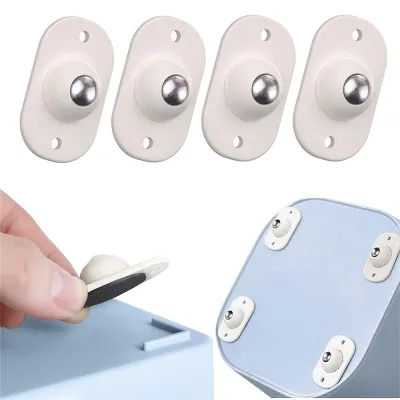
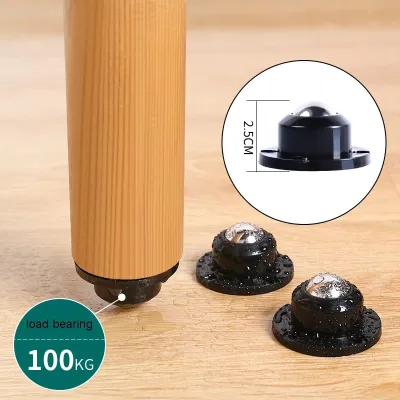

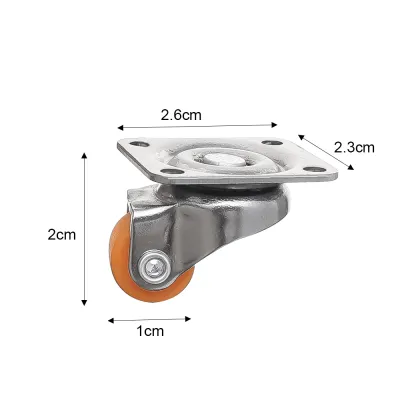


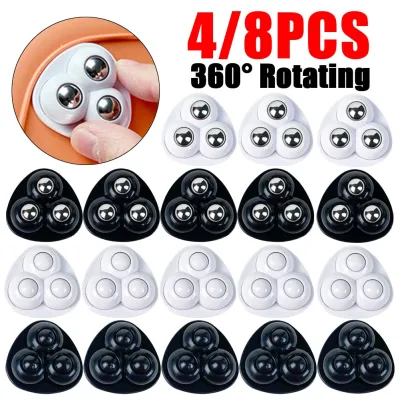
Prices are valid at publication and may change. Please refer to the product page for the latest price.
Stem-mount casters feature a metal rod protruding from the top of the wheel assembly, which inserts directly into a pre-drilled hole or a plastic sleeve inside the furniture leg. This design is highly common on office chairs, light shelving units, and wooden dining chairs. The stem remains hidden inside the furniture body once installed, leaving only the swivel mechanism and wheel visible.
Plate-mount casters utilize a flat metal plate welded to the top of the wheel assembly. This plate is secured to the flat underside of the furniture base using multiple screws or bolts. You will typically find plate mounts on heavier items such as industrial carts, large storage chests, and heavy TV consoles, as the flat plate distributes weight across a wider surface area.
If the connection point is completely obscured by decorative wood trim, embedded deep within molded plastic, or heavily rusted, do not attempt to force the caster out. Forcing a stuck mount can split wooden legs or crack plastic bases. In these situations, stop and consult the furniture manufacturer’s documentation or contact a professional furniture repair specialist to identify the mounting mechanism safely.
Measure Stem-Mount Casters Accurately
To ensure a secure fit that does not wobble or slip out, you must measure the stem of your existing 360 degree wheel with absolute precision. Even a fraction of a millimeter can make the difference between a perfect fit and a useless replacement.

For the most accurate results, use a digital caliper rather than a standard ruler. Calipers clamp directly onto the metal stem, providing an exact reading in millimeters. If you do not have calipers, you can wrap a piece of paper tightly around the stem, mark the overlap, measure the flat length to find the circumference, and divide by 3.14 to calculate the diameter.
Begin by measuring the stem diameter. Clean any dust, grease, or rust off the metal surface first, as debris can distort your measurement. Measure the diameter at three different points along the shaft—near the top, in the middle, and near the base—to account for any uneven wear or manufacturing variations.
Next, measure the stem length. Place your measuring tool at the very top tip of the stem and measure down to the flat shoulder where the stem meets the swivel collar. Do not include the swivel mechanism, the plastic housing, or the wheel itself in this length measurement.
Finally, identify the specific stem retention type. A grip neck stem has a wide, flared top that pops into a matching socket. A grip ring stem features a small, split metal ring fitted into a groove near the top of the shaft, which compresses when pushed into the socket. A threaded stem acts like a bolt and must be screwed into a threaded metal insert. Note these physical features carefully, as they dictate the exact replacement style you must buy.
Measure Plate-Mount Casters Accurately
Plate-mounted casters require a different set of measurements to ensure the new mounting holes align perfectly with the existing screw locations on your furniture. This prevents you from having to drill new holes, which can weaken the wooden base.
Start by measuring the overall dimensions of the metal mounting plate. Use a rigid measuring tape or caliper to record the total length and width of the plate. This ensures the new plate will fit within the physical boundaries of the furniture leg or base without protruding.
Next, measure the bolt hole spacing, which is the most critical step for plate mounts. Always measure from the exact center of one bolt hole to the exact center of the adjacent hole. Do not measure from the outer edges of the holes, as this leads to inaccurate spacing. Record both the length-wise spacing and the width-wise spacing.
Count the number of bolt holes on the plate, which is typically four but can sometimes be two. Note whether the holes are perfectly round or slotted. Slotted holes are highly convenient because they allow for slight adjustments if your measurements are off by a millimeter or two.
If your furniture has a recessed area where the plate sits flush with the wood, measure the thickness of the metal plate as well. A replacement plate that is too thick may cause the furniture to sit unevenly, while one that is too thin might not provide the necessary structural support.
Select the Correct 360-Degree Replacement Wheels
Once you have recorded all physical measurements, you can begin shopping for your new 360 degree wheel replacements. Matching your recorded dimensions to the manufacturer’s specifications is the first step, but you must also consider weight capacity and floor compatibility.
To determine the required load capacity, you must calculate the weight each wheel will bear. Find the total weight of the furniture piece when fully loaded, then divide this number by the total number of wheels minus one. For example, if a mobile kitchen island weighs 80 kg when loaded and has four wheels, calculate the capacity based on three wheels (80 divided by 3, which is approximately 27 kg per wheel). This safety margin accounts for uneven floors where one wheel may temporarily lift off the ground, shifting the entire load onto the remaining casters.
Next, select the appropriate wheel material based on your home’s flooring. Hard materials like nylon or hard plastic roll effortlessly on thick carpets but can scratch, dent, or gouge delicate parquet, engineered wood, or vinyl flooring. For hard floors, look for wheels made of soft polyurethane, thermoplastic rubber, or non-marking rubber, which cushion the load and roll quietly.
You must also decide between standard swivel wheels and locking wheels. If the furniture needs to remain stationary during use—such as a mobile work desk or a kitchen prep cart—select replacements that feature integrated brakes. Ensure that the locking mechanism is easy to engage and does not interfere with the 360-degree swivel action when unlocked.
Remove and Install the New Casters Safely
Replacing furniture wheels requires careful handling to avoid personal injury or damage to the furniture frame. Begin by clearing the furniture of all loose items, drawers, and heavy contents to make it as light as possible.
With the help of another person if necessary, carefully tilt the furniture onto its side or upside down. Place a soft blanket, rug, or thick cardboard on the floor underneath to protect both the furniture’s finish and your flooring from scratches during the process. Ensure the piece is stable and cannot slip or fall while you are working on the base.
To remove a grip ring or grip neck stem caster, slide the flat claw of a hammer or a sturdy pry bar underneath the swivel hood, right against the furniture leg. Apply gentle, upward leverage to pry the stem straight out of the socket. For threaded stems, simply turn the caster counterclockwise until it unscrews completely. For plate casters, use a screwdriver or socket wrench to remove the mounting screws or bolts, keeping a hand on the wheel so it does not drop suddenly.
Before installing the new hardware, take a moment to clean the mounting area. Use a dry cloth or a small brush to clear out accumulated dust, wood splinters, rust, or old grease from the socket holes or flat mounting surfaces. If you notice the wooden leg is split or the old screw holes are stripped, address these structural issues before proceeding.
To install new stem casters, align the stem with the socket and push it straight in. If you encounter resistance, place a block of wood over the wheel assembly and tap it gently with a rubber mallet until the stem clicks or seats fully into place; never strike the wheel directly with a metal hammer. For plate casters, align the new plate with the existing screw holes, insert the screws by hand to avoid cross-threading, and then tighten them using a diagonal star pattern to distribute the clamping force evenly.
Troubleshoot Common Installation and Movement Issues
After installing your new 360 degree wheel set, test the movement of the furniture to ensure everything functions smoothly. If you encounter issues, most can be resolved with quick adjustments.
If a new stem caster feels loose or slides out when you lift the furniture, the existing socket insert inside the wood leg may be worn out or stretched. You can purchase replacement plastic or metal socket sleeves that match your stem size, remove the old sleeve using a pair of pliers, and tap the new sleeve into the wood before reinserting the caster.
If the wheels are stiff and refuse to swivel 360 degrees smoothly, check the mounting plate bolts. Overtightening these bolts can warp the metal plate, putting pressure on the internal ball bearings and restricting their movement. Slightly loosen the bolts to see if the swivel action improves, or check for any trapped packaging material, hair, or carpet fibers inside the swivel mechanism.
Wobbling or uneven leveling usually indicates that one of the wheels is not fully seated in its socket, or that the replacement wheels have a slightly different overall height than the originals. Double-check that all stems are pushed completely into their housings and that all mounting plates are screwed flush against the furniture base.
If you discover that the wooden legs of your furniture are severely split, decayed, or structurally compromised, do not attempt to force the new casters to fit. Using damaged furniture can lead to sudden collapse and injury. Stop the installation immediately and seek professional furniture repair services to reinforce or rebuild the legs safely.
Frequently Asked Questions (FAQ)
Can I add brakes to my existing swivel wheels?
No, you cannot retrofit brakes or locking mechanisms onto existing standard swivel wheels. The braking mechanism is an integrated part of the caster’s metal housing and wheel hub assembly manufactured during production. If you want to add locking capabilities to your furniture, you must purchase complete replacement 360-degree casters that come with built-in brakes. When buying these replacements, ensure they match the exact mounting type, stem or plate dimensions, and load capacity of your original wheels to maintain proper fit and safety.
How do I know if my furniture wheels need replacing?
There are several clear physical and operational signs that indicate your furniture wheels have reached the end of their lifespan. Visually inspect the wheels for cracks in the plastic, flat spots on the rubber tread, bent metal stems, or heavy rust accumulation around the swivel bearings. Operationally, if the furniture squeaks loudly, drags instead of rolling, or fails to swivel 360 degrees smoothly under load, the internal bearings are likely worn or damaged. Replacing them promptly prevents physical damage to your floors and reduces structural strain on the furniture frame.
Community discussion
Share your experience or ask a question. Comments are reviewed before publication.