
To successfully replace a worn or broken pulley roller on sliding wardrobe doors, cabinet panels, or heavy drawers, you must match several precise physical dimensions and structural profiles. Simply guessing the size or choosing a part based on visual similarity often leads to misaligned doors, jammed tracks, or accelerated wear on your furniture. By taking systematic measurements with a digital caliper and identifying the specific wheel shape, you can source a compatible replacement that restores smooth, silent sliding action to your furniture.
Tools and Safe Preparation for Removing the Old Roller
Before attempting to remove the old hardware, gather the necessary tools to ensure an accurate and safe process. A digital caliper is highly recommended over a standard tape measure, as furniture hardware often relies on sub-millimeter differences that are difficult to read on a flexible tape. You will also need flathead and Phillips screwdrivers, an adjustable wrench, and a stable workspace.
Safety is paramount when handling heavy furniture components. Sliding wardrobe doors, particularly those featuring large mirror panels or solid timber frames, can be deceptively heavy and awkward to handle. Always empty drawers completely before attempting to remove them from their runners. For sliding doors, have a second person assist you in supporting the weight of the panel as you lift it out of the track. Once removed, lay the door flat on a padded surface, such as a thick blanket or rug, to prevent scratches, glass breakage, or structural warping.
Products mentioned in this guide
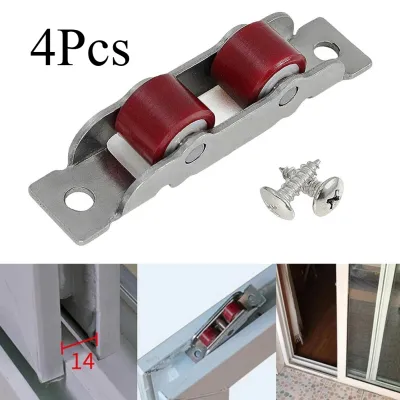
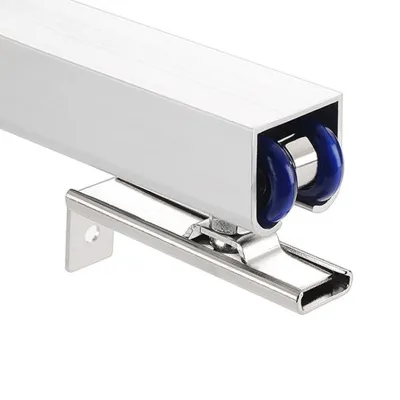
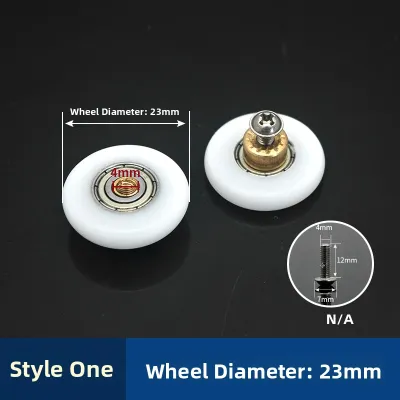
Prices are valid at publication and may change. Please refer to the product page for the latest price.
Before loosening any screws or brackets, take several clear reference photos of the original assembly from multiple angles. Capture how the bracket sits against the frame, the orientation of the wheel relative to the track, and the position of any height adjustment screws. These photos will serve as an invaluable guide during the reinstallation phase.
Critical Dimensions to Measure on the Existing Pulley Roller
To find an exact match, you must record several key dimensions of the existing pulley roller. Use your digital caliper to measure the outer wheel diameter first. This measurement is taken from the outermost edge of the wheel to the opposite outermost edge. Even a minor discrepancy of one or two millimeters can cause the door to sit too high, rub against the top frame, or fail to clear the bottom track guide.

Next, measure the wheel thickness or width at its widest point. If the replacement wheel is too thick, it will bind inside the track channel, preventing smooth movement. Conversely, if the wheel is too thin, it will wobble laterally within the track, leading to unstable sliding and potential derailment.
If you plan to replace only the wheel while retaining the original mounting bracket, you must determine the bearing inner diameter or mounting hole size. Measure the diameter of the center axle pin or the screw hole through which the wheel attaches to the bracket. The replacement wheel must fit snugly onto this axle; any excess play will cause the wheel to tilt under load, leading to rapid wear and uneven sliding.
Finally, record the overall dimensions of the mounting bracket or base plate if the roller is housed within a metal or plastic casing. Measure the total height, width, and depth of the housing. Most importantly, measure the center-to-center distance between the mounting screw holes. If the hole spacing on the replacement bracket does not match the original, you will be forced to drill new pilot holes, which can weaken the wood or composite material of your furniture.
Identifying the Wheel Profile and Track Compatibility
The shape of the wheel’s outer edge must perfectly match the profile of the track it rides on. There are three primary wheel profiles used in furniture design: V-groove, U-groove, and flat-bottom. V-groove wheels feature a sharp, indented channel designed to ride on an inverted V-shaped raised track. U-groove wheels have a rounded, concave channel that fits over a cylindrical or semi-circular track rail. Flat-bottom wheels are completely flat or slightly convex, designed to roll along a flat, recessed channel. Using an incorrect profile will cause the wheel to jump off the track or wear down prematurely.
The internal bearing mechanism also plays a significant role in performance and longevity. High-quality rollers typically feature sealed ball bearings, which offer the smoothest operation and are highly resistant to dust intrusion. Roller bearings are suitable for moderate loads, while simple plastic or nylon bushings are common in lightweight drawers or budget furniture. While bushings are cost-effective, they rely on low-friction plastic sliding over a metal pin and do not offer the same fluid motion as ball bearings.
Before purchasing a replacement, inspect the existing track for signs of wear, deep scratches, or physical deformation. A bent or warped track will quickly damage a brand-new pulley roller. Run your finger carefully along the track to check for rough spots or debris buildup. If the track is severely compromised, you may need to straighten it with pliers or replace the track system entirely alongside the rollers.
Verifying Mounting Configuration and Load Requirements
Pulley rollers are attached to furniture using several distinct mounting styles. Side-mount configurations are screwed directly into the side of the drawer or door frame, while bottom-mount rollers are recessed or screwed into the bottom edge of the panel. Clip-on styles snap into pre-installed brackets, allowing for quick removal, whereas screw-fixed rollers use a single central bolt passing directly through the wheel axle into the frame. Ensure your replacement matches this mounting style to avoid extensive modifications.
You must also assess the weight of the furniture component to select a replacement with an adequate load capacity rating. Heavy sliding doors, especially those with solid wood or mirror glass, require robust rollers with metal housings and reinforced bearings. Check the manufacturer’s specifications for the weight limit of the replacement rollers.
In multi-roller systems, the total weight of the door or drawer is distributed across all installed rollers. However, dynamic forces during sliding can shift more load onto one side. To prevent premature bearing failure, choose rollers with a combined load capacity that comfortably exceeds the total weight of the furniture component. For example, if a wardrobe door weighs 30 kg, using two rollers rated for 20 kg each provides a safe and reliable margin.
Step-by-Step Installation and Alignment Verification
Begin the installation process by thoroughly cleaning the track and mounting area. Use a vacuum cleaner with a crevice tool to remove accumulated dust, pet hair, and debris, then wipe the track down with a damp microfiber cloth. Debris in the track is a primary cause of roller failure, as it forces the wheel to bump and slide rather than roll smoothly.
Position the new roller bracket in place, aligning it carefully with the original screw holes. If the bracket features an adjustable slot, set it to the middle position initially to allow room for fine-tuning. Tighten the mounting screws securely, but avoid over-tightening, which can strip the threads in particle board or MDF.
Once the hardware is secured, rehang the door or slide the drawer back into its cavity. Gently slide the component back and forth to test the action. Check for any binding, lateral wobbling, or unusual grinding noises.
Use the adjustment screw, typically located on the side or bottom of the roller bracket, to raise or lower the roller. Adjust both sides incrementally until the door sits perfectly plumb and square within the frame, ensuring a tight seal when closed. If the door remains crooked or continues to bind despite adjustment, stop immediately. Re-verify your measurements, check for track warping, or consult a professional furniture technician to avoid damaging the track or door panel.
Troubleshooting Common Fitting and Sliding Issues
If you notice your sliding door or drawer sagging on one side after installation, the height adjustment screw may have slipped, or the mounting screws may be loose. Re-tighten the hardware and readjust the height.
Lateral wobbling or excessive friction usually indicates a mismatch between the wheel thickness and the track width. If the wheel is too narrow for the track, it will slide sideways; if it is too wide, it will rub against the channel walls. In some cases, installing a top guide or stabilizing bracket can help eliminate lateral play.
Operational noise is often caused by dry bearings or debris. For metal bearings, apply a small drop of silicone-based lubricant or dry Teflon spray. Avoid using heavy greases or standard penetrating oils, as they attract dust and hair, which will quickly clog the bearings and cause them to seize. For plastic or nylon wheels, lubrication is generally unnecessary and can degrade the material; always check the manufacturer’s care instructions before applying any chemical lubricants.
Frequently Asked Questions (FAQ)
Can I replace just one broken pulley roller, or should I replace them all?
While it may be tempting to replace only the single broken roller, it is highly recommended to replace them in complete sets. Over time, rollers wear down gradually, reducing their overall diameter and altering their sliding resistance. Mixing a brand-new roller with an old, worn one creates an uneven height distribution, putting excessive stress on the new component and causing the door to slide unevenly. Replacing all rollers simultaneously ensures balanced operation and extends the lifespan of the entire sliding system.
What should I do if the exact replacement pulley roller is discontinued?
If your original hardware is discontinued, you can look for universal hardware equivalents by matching the critical dimensions: wheel diameter, thickness, and track profile. Many manufacturers produce universal sliding door kits designed to fit a wide range of older furniture. If a direct physical match is unavailable, you may need to modify the mounting area by drilling new pilot holes to accommodate a different bracket style, or replace both the rollers and the track with a modern, widely available sliding system.
Community discussion
Share your experience or ask a question. Comments are reviewed before publication.