
Replacing worn-out, peeling, or hard armrest padding is one of the most effective ways to restore comfort and ergonomics to your workspace. Whether you are using a high-back gaming chair or an ergonomic office chair, a handrest cover provides an immediate upgrade to your seating experience. To achieve a secure fit that does not slip or block your chair’s adjustment buttons, you must carefully measure your existing armrests and select a compatible attachment style.
Installing these accessories is a straightforward DIY task that requires no specialized tools. By taking precise dimensions and understanding the physical design of your chair’s frame, you can protect your furniture from daily wear and tear while enhancing your overall comfort.
Identifying Your Armrest Shape and Compatibility
Before purchasing a handrest cover, you must evaluate the physical shape and mounting style of your chair’s armrests. Armrests come in various profiles, including flat rectangular pads, gently curved designs, T-shaped structures, and highly contoured ergonomic shapes with deep finger or wrist dips. A cover designed for a flat surface will bunch up or stretch unevenly on a contoured pad, so identifying this profile is your first step.
Products mentioned in this guide
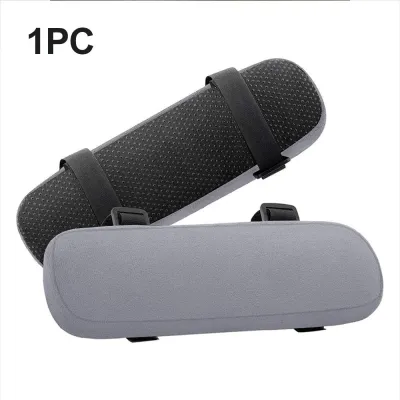
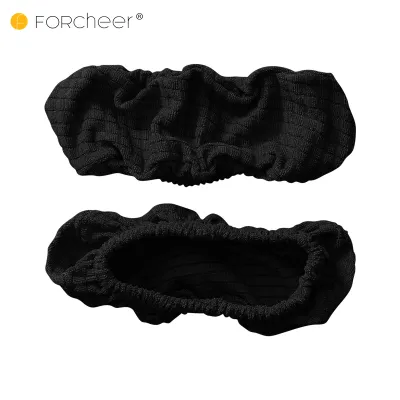
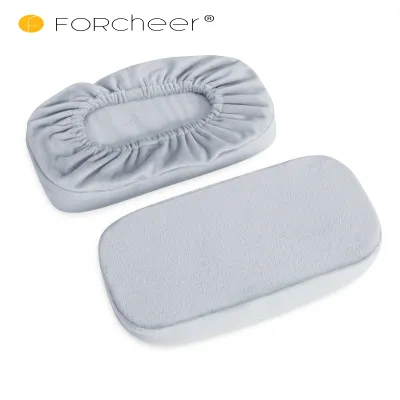
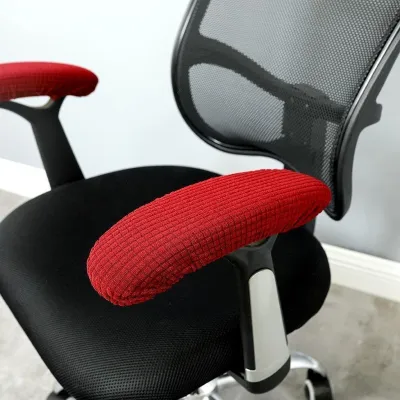
Prices are valid at publication and may change. Please refer to the product page for the latest price.
Next, inspect the armrest for physical obstructions that could interfere with a slip-on cover. Many modern office and gaming chairs feature height-adjustment buttons, 3D or 4D pivot levers, or exposed mounting screws on the underside. If your chair has buttons located directly beneath or on the side of the armrest pad, a bulky cover might accidentally depress them or block your fingers from reaching them.
You also need to verify how the existing armrest pad is attached to the chair’s frame. Some pads are permanently molded onto the plastic or metal support arm, meaning you must use a slip-on, strap-on, or zippered cover that wraps around the existing structure. Other chairs feature removable pads secured by screws from underneath, which allows you to install a bolt-on replacement pad or a cover that tucks neatly between the pad and the metal bracket.
How to Accurately Measure for a Handrest Cover
To ensure a snug fit and prevent the cover from sliding around during use, you must take precise measurements of your current armrest pads. Grab a flexible sewing tape measure rather than a rigid metal construction tape, as a flexible tape conforms easily to curved edges and contours.

Start by measuring the length of the armrest pad from the very front edge to the back edge. If the pad is tapered or has a curved profile, measure along the longest point of the top surface. Next, measure the width at the widest section, which is typically near the middle or the front end of the pad. Finally, measure the thickness or height of the pad from the top surface down to the hard plastic base where the fabric or foam ends.
If you are opting for a bolt-on replacement cover or pad, you must measure the distance between the mounting screw holes. Turn the chair upside down or look underneath the armrest to locate the screws. Measure the distance from the center of one screw hole to the center of the other; standard spacing often ranges between 10 and 20 centimeters, but verifying this prevents purchasing incompatible hardware.
Additionally, check the clearance space between the inner edge of the armrest pad and your seat cushion. If your chair has a narrow seat or if the armrests sit very close to the frame, adding a thick, heavily padded cover could cause the fabric to rub against the seat cushion. This friction can restrict the armrest’s height adjustment or wear down both fabrics over time, so ensure you have at least a few millimeters of free space.
Selecting the Right Handrest Cover Material and Fit
Choosing the right handrest cover involves balancing the attachment method with your daily usage habits and environment. The three primary attachment styles are slip-on elastic covers, hook-and-loop straps, and zippered enclosures. Slip-on elastic covers are highly versatile and easy to wash, but they require a clear lip around the underside of the pad to grip securely. Hook-and-loop straps offer an adjustable fit for thicker pads but can look bulky if the straps are too long. Zippered covers provide a very clean, tailored look but offer less stretch, making precise measurements critical.
Material selection should be guided by your local environment and maintenance preferences rather than generic marketing claims. In warm or humid climates, such as Singapore, non-breathable synthetic leather covers can trap heat and sweat, leading to discomfort and rapid material degradation. Instead, look for breathable mesh, soft velour, or machine-washable polyester fabrics. Always review the manufacturer’s care labels and product specifications to confirm cleaning instructions and check if the material has a textured, slip-resistant underside.
Finally, ensure the cover design does not interfere with your chair’s adjustable mechanisms. If your gaming chair features 4D armrests that slide forward, backward, and rotate, the cover must be compact enough to allow these parts to slide past the main support columns without catching. A cover that is too bulky can jam the internal tracks or prevent the armrest from locking into your preferred position.
Step-by-Step Installation Guide
Installing your new handrest cover is a simple process, but taking a few preparatory steps will ensure a long-lasting and hygienic fit.
Begin by preparing the surface of your existing armrests. Wipe down the plastic or polyurethane pads thoroughly using a microfiber cloth and a mild, non-abrasive cleaner. This step removes accumulated body oils, dust, and sweat that can cause the new cover to slip or harbor bacteria. If you live in a humid climate, allow the armrests to dry completely before proceeding; trapping moisture beneath a tight cover can lead to mold growth and unpleasant odors.
Once the surface is clean and dry, apply the specific attachment method for your chosen cover. For slip-on elastic covers, start at one end of the armrest pad—usually the front—and hook the elastic edge over the lip. Slowly stretch the fabric toward the back, pulling it evenly from the center outward to avoid twisting the seams. For strap-on covers, center the padded portion on top of the armrest first, then pull the hook-and-loop straps tightly around the underside, securing them firmly without pinching any adjustment levers.
After securing the cover, make final adjustments to optimize the fit and appearance. Smooth out any wrinkles on the top surface by pulling the fabric gently toward the underside. Check that the seams sit flat against the bottom edges of the armrest and do not bunch up near the height-adjustment buttons. Sit in the chair and rest your elbows on the pads to test the alignment; if the padding feels uneven or shifts under pressure, remove the cover and re-center it.
Troubleshooting Fit and Slippage Issues
Even with careful measurement, you may occasionally encounter minor fitment issues like sliding fabric or restricted movement.
If your handrest cover slips or rotates during use, inspect the underside of the cover. Many high-quality covers feature a built-in non-slip silicone backing to grip the plastic pad. If your cover lacks this feature, or if the plastic pad is exceptionally smooth, you can consult the manufacturer about adding thin, compatible anti-slip adhesive pads or a small strip of double-sided grip tape to the top of the armrest before slipping the cover back on.
If you find that the cover restricts your armrest’s adjustment mechanisms, the material is likely positioned too close to the trigger buttons or levers. Carefully pull the fabric or straps away from these moving joints. If the cover is simply too thick and physically blocks the lever from depressing fully, you may need to adjust the cover’s position or switch to a lower-profile design.
Never force a cover onto an armrest if it requires excessive stretching. If you must pull the seams to their absolute limit to get the cover over the pad, stop immediately. Forcing an undersized cover can tear the stitching, snap the elastic bands, or even warp the underlying foam of your chair. In these cases, consult the cover manufacturer’s sizing chart to exchange the product for a larger size.
Cleaning and Maintaining Your Handrest Covers
Regular maintenance is key to keeping your workspace hygienic and extending the lifespan of your handrest covers.
Always check the product label or manufacturer’s instructions before washing your covers. While many fabric and mesh covers are machine washable, others—especially those with memory foam inserts or delicate synthetic coatings—may require hand washing or spot cleaning only. If machine washing is permitted, use a gentle cycle with cold water and place the covers in a mesh laundry bag to protect the elastic bands and straps from stretching or tangling.
Use mild, non-abrasive liquid detergents and avoid harsh chemicals like bleach, fabric softeners, or strong solvents. These chemicals can break down the elastic fibers, degrade the non-slip backing, or ruin the soft texture of the fabric. Air-dry the covers completely in a well-ventilated area away from direct sunlight, as high heat from a clothes dryer can shrink the fabric or melt synthetic components.
Finally, perform a quick inspection of your covers every few weeks. Check for loose threads along the seams, fraying straps, or worn-out elastic. If you notice the padding has thinned out significantly or no longer rebounds, it may be time to replace the covers to maintain proper ergonomic support for your elbows and wrists.
Frequently Asked Questions (FAQ)
Can I install a handrest cover on a chair with adjustable armrests?
Yes, you can install handrest covers on chairs with adjustable armrests, including 3D and 4D designs. The key is to select a cover that does not obstruct the adjustment buttons, levers, or sliding tracks. Ensure the cover’s material is flexible enough to move smoothly with the pad if the armrest tilts or slides, and verify that the straps or elastic do not pinch the moving joints underneath the assembly.
What should I do if the replacement cover is slightly too large?
If your replacement cover is slightly loose, you can improve the fit by adjusting the built-in tensioners, pulling the elastic edges further under the pad, or tightening the hook-and-loop straps. Avoid using permanent adhesives, staples, or making permanent alterations to the cover, as this will void any return policies and could permanently damage your chair’s original armrest pads.
Community discussion
Share your experience or ask a question. Comments are reviewed before publication.