
To measure and fit a waterproof chair cover so it stays in place, you must capture precise three-dimensional measurements of your chair’s frame and select a cover equipped with robust anchoring mechanisms like elastic hems, under-seat straps, or tension ties. A proper fit prevents water from pooling in sagging fabric and stops the cover from sliding off during daily use. By systematically measuring the height, width, and depth of your chair, and then applying the cover with even tension, you can protect your furniture from spills, humidity, and wear while maintaining a neat, tailored appearance.
Choosing the wrong size or failing to secure the cover properly often leads to shifting, tearing, and water leakage. Whether you are protecting indoor dining chairs from daily spills or shielding outdoor patio seating from heavy tropical downpours, taking the time to prepare, measure, and install the cover correctly ensures long-term protection and a clean aesthetic.
What You Need Before Measuring and Fitting
Before taking any measurements, gathering the right tools will ensure your readings are accurate. You will need a flexible fabric measuring tape, which easily conforms to the curves and angles of your chair. Avoid using a stiff metal tape measure, as it can bend awkwardly, scratch delicate wood or leather finishes, and lead to inaccurate dimensions. Keep a notepad or a digital device nearby to record each measurement immediately.
Products mentioned in this guide
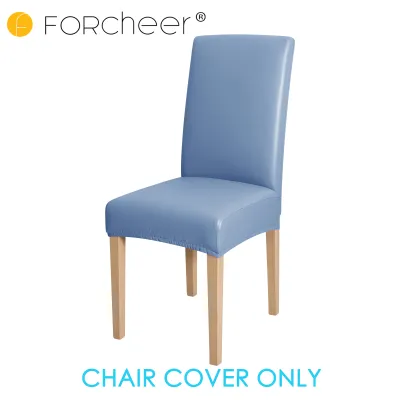
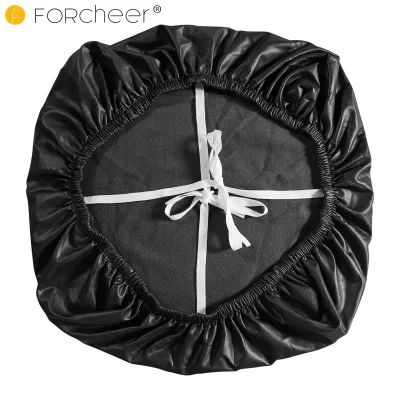
Prices are valid at publication and may change. Please refer to the product page for the latest price.
Preparing the chair itself is just as important as having the right tools. Remove any loose cushions, throw pillows, or detachable accessories from the chair. Measuring over extra padding will result in an oversized cover that sags, slips, and fails to protect the actual frame. If the chair has adjustable parts, such as a height-adjustable office chair, set it to your preferred everyday height before measuring.
Place the chair on a flat, level surface, such as a tiled or vinyl floor. This ensures that your vertical measurements from the floor to the top of the backrest are completely straight and consistent. If you are measuring outdoor furniture, move it to a flat patio or balcony area rather than uneven grass or gravel to prevent the chair from tilting while you work.
How to Measure Your Chair for a Custom Fit
To find a cover that fits like a glove, you must measure several distinct areas of the chair. Start with the overall height, measuring from the very top of the backrest straight down to the floor. If you are purchasing a short cover that only wraps around the seat and backrest without covering the legs, measure from the top of the backrest down to the seat cushion instead.

Next, measure the width of the backrest. Take this measurement at the widest point, which is typically near the top or the middle. If your chair has a tapered backrest that is wider at the top than the bottom, record both dimensions. This ensures the cover you select can slide over the widest section without stretching the fabric to its breaking point.
Move on to the seat dimensions. Measure the seat width from the left edge to the right edge at the widest point, which is usually near the front of the chair. Then, measure the seat depth from the front edge of the seat straight back to the point where it meets the backrest. Accurate seat measurements prevent the cover from pulling forward or bunching up at the back.
If your chair features fixed armrests, you must account for their dimensions to prevent the cover from binding. Measure the height from the floor to the top of the armrests, the width of each armrest, and the total outer width from the outside edge of the left armrest to the outside edge of the right armrest. This total outer width is the minimum width your cover must accommodate.
Finally, inspect the chair for any protruding mechanisms, flared legs, or unique structural features. For office chairs, note the location of adjustment levers and the diameter of the wheeled base. For dining or patio chairs with legs that flare outward, measure the footprint of the legs at the floor level to ensure the bottom hem of the cover can stretch wide enough to enclose them.
Choosing the Right Waterproof Cover for Your Measurements
Once you have recorded all your measurements, compare them carefully against the manufacturer’s sizing charts. Do not rely on generic labels like “standard size” or “one size fits all,” as chair dimensions vary widely across different brands. If your chair’s measurements fall at the absolute maximum limit of a specific size range, it is generally safer to select the next size up to avoid overstretching the seams.
Pay close attention to the fabric’s elasticity. Stretchable covers made from polyester-spandex blends offer a snug, contouring fit for indoor chairs but may have lower water resistance compared to heavy-duty, rigid fabrics. For outdoor use, rigid materials like heavy-duty Oxford cloth with a polyurethane backing are highly effective at shedding water, but they require precise measurements because they do not stretch.
Evaluate the built-in securing features of the cover. A simple slip-on cover without fasteners is highly susceptible to sliding around or blowing away in strong winds. Look for covers equipped with heavy-duty elastic hems that grip the underside of the seat, adjustable tie-down straps that buckle around individual chair legs, or drawstrings that allow you to cinch the bottom hem tightly.
Verify the construction quality of the waterproof barrier. True waterproof protection relies on sealed seams. Check product specifications to ensure the cover features double-stitched or taped seams, which prevent water from seeping through the needle holes. For outdoor environments, look for covers with built-in mesh ventilation flaps to allow airflow, which prevents condensation and mold from forming underneath the waterproof fabric.
How to Install the Cover and Keep It Securely in Place
Installing your waterproof chair cover correctly is essential for achieving a neat look and preventing slippage. Begin by identifying the front, back, and side seams of the cover. Most manufacturers place an internal tag or label at the back-center seam. Align these markers with the corresponding corners of your chair’s backrest before you begin pulling the fabric down.
Slip the cover over the top of the backrest first, working it down gradually on both sides. Avoid pulling forcefully on one side, as this can warp the fabric, strain the seams, and cause the cover to sit crookedly. Smooth out any air pockets or wrinkles as you slide the cover down toward the seat cushion.
Once the backrest is covered, stretch the fabric over the seat cushion, pulling it firmly toward the front and sides. If your cover features built-in straps, thread them underneath the seat or wrap them securely around each chair leg. Fasten any buckles or ties tightly, ensuring the tension is distributed evenly across all anchoring points so the cover does not pull to one side.
To achieve a tailored, custom-fit appearance, tuck any excess fabric deep into the crevices between the seat cushion and the backrest, as well as between the seat and the armrests. This tucking action creates physical tension that holds the fabric in place and prevents it from shifting when someone sits down or stands up.
If your cover lacks built-in straps or continues to slide on smooth surfaces, you can use aftermarket accessories to enhance stability. Inserting foam rollers, grip strips, or even cut pieces of pool noodles into the chair’s crevices will lock the tucked fabric firmly in place. Spending a few S$ on a roll of non-slip drawer liner or a set of foam grip rollers can save you the frustration of constantly adjusting a sliding cover.
Maintaining the Fit and Waterproof Protection Over Time
To ensure your waterproof chair cover continues to fit properly and protect your furniture, you must care for the material correctly. Always follow the manufacturer’s specific washing and drying instructions. Washing a waterproof cover in hot water or using a high-heat dryer can melt the inner waterproof lining, degrade the elastic fibers, and cause the fabric to shrink, ruining its original fit.
When cleaning the cover, avoid harsh chemical detergents, bleach, or fabric softeners. These substances can strip away the outer water-repellent coating and weaken the fabric fibers. Instead, spot-clean the cover with a soft cloth, mild soap, and cool water, or machine wash it on a gentle cycle if the care label permits.
Air-drying is the safest method for preserving the integrity of waterproof covers. Hang the cover in a shaded, well-ventilated area to dry completely before placing it back on the chair. Avoid exposing the wet cover to direct, intense sunlight for extended periods, as UV rays can degrade the waterproof backing and cause the colors to fade prematurely.
Periodically inspect the cover’s seams, straps, and elastic bands for signs of wear and tear. Over time, constant tension and exposure to humidity can cause elastic hems to stretch out and buckles to crack. If you notice that the securing features have lost their tension or the seams are beginning to fray, replace the cover promptly to maintain full protection for your furniture.
Frequently Asked Questions (FAQ)
How to Fit Covers on Chairs with Thick Armrests
To fit a waterproof cover over chairs with thick or heavily padded armrests, you must measure the outermost width of the chair, spanning from the outer edge of one armrest to the outer edge of the other. Standard covers often fail to accommodate the bulk of wide armrests, leading to tight spots that can easily tear. Look for specialized covers designed with dedicated armrest pockets, expandable stretch panels, or zippered side closures that allow you to slide the cover over bulky frames without excessive stretching.
Preventing Slippage on Smooth or Leather Chairs
Smooth surfaces like polished wood, leather, faux leather, or molded plastic offer very little natural friction, causing covers to slide easily during use. To prevent this, place a thin, non-slip silicone mat or a rubberized rug pad on the seat cushion before installing the cover. Additionally, choose a cover that features a textured, non-slip inner lining and adjustable under-seat buckle straps that physically anchor the cover to the chair’s legs, ensuring it remains firmly in place.
Community discussion
Share your experience or ask a question. Comments are reviewed before publication.