
Finding the right TV display cabinet requires balancing the physical dimensions of your television, the layout of your living room, and the practical needs of your household. A well-proportioned cabinet not only supports your screen safely but also enhances the visual flow of your space. To get the sizing right, you must look beyond the diagonal screen size of your TV and measure the actual physical footprint, assess your room’s traffic paths, and verify delivery access. Taking these steps helps prevent costly fitting errors and helps your new furniture integrate seamlessly into your home.
Measure Your TV Dimensions and Viewing Distance
When planning your living room layout, the first step is gathering the exact physical measurements of your television. Many homeowners make the mistake of relying solely on the advertised diagonal screen size, which only measures the display area from corner to corner. This number excludes the outer frame, known as the bezel, as well as the physical stand or base attached to the bottom of the unit.
To find the true footprint, use a tape measure to record the total width from the leftmost edge to the rightmost edge of the TV frame. Next, measure the total height from the bottom of the stand to the top of the bezel. Finally, measure the depth of the TV stand from front to back, as this determines how wide the top surface of your cabinet must be to support the television securely without any overhang.
Products mentioned in this guide
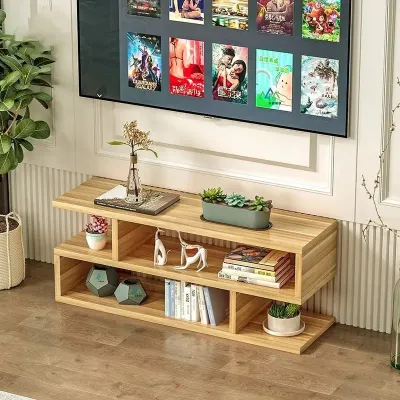
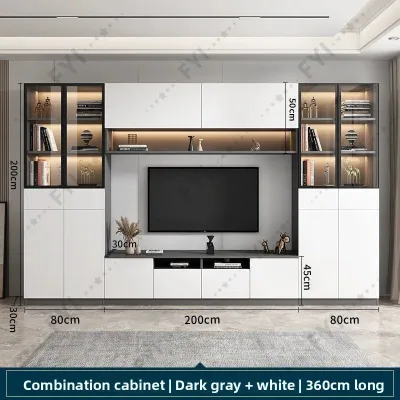
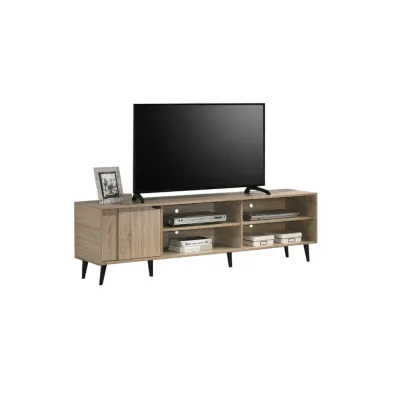
![[INNDESIGN.SG] Benice 2 Tier TV Rack / TV Cabinet / TV Console (Fully Assembled and Free Delivery)](https://img.lazcdn.com/g/p/225466a3f1bb52aa2dfd50ecd977317b.jpg_400x400q80.jpg_.webp)
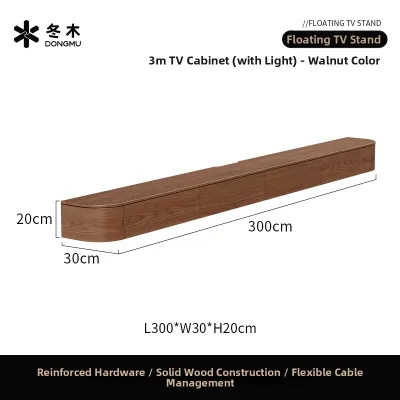
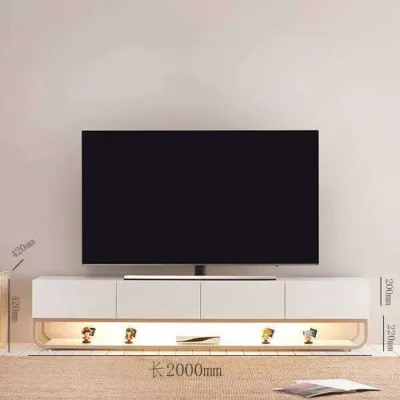
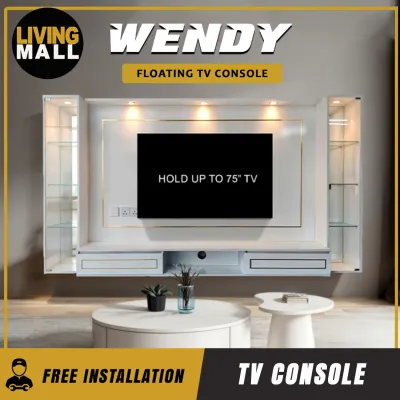
Prices are valid at publication and may change. Please refer to the product page for the latest price.
Achieving visual balance is essential for a cohesive living room design. A practical approach is to choose a TV display cabinet that is at least ten to twenty centimeters wider than your television on each side. This extra space prevents a top-heavy appearance, where the screen looks as though it is spilling over the edges of the furniture. It also provides a balanced platform for placing small decorative items, media accessories, or speakers.
Your viewing distance also dictates the ideal cabinet depth. Measure the distance from your primary seating area, such as your sofa, to the wall where the cabinet will stand. If your living room is compact, a deep cabinet can push the television screen too close to your eyes, causing discomfort. Ensure the cabinet depth allows for a comfortable viewing distance while leaving enough room for the television to sit safely back from the front edge of the unit.
Assess Your Living Room Space and Traffic Flow
Before committing to a specific furniture piece, you must thoroughly assess the designated wall space in your living room. Measure the total width of the wall from corner to corner, and note the locations of any architectural features. Windows, door frames, columns, and low-hanging decorative trim can severely limit where a tall display cabinet can stand without blocking natural light or obstructing entryways.

Floor space is equally critical, especially in high-traffic areas. Mark the proposed depth of your cabinet on the floor using painter’s tape to visualize how much physical space it will occupy. Walk past the taped area several times to help verify there is a clear, unobstructed path. A cabinet that protrudes too far into the room can disrupt the natural flow of traffic and make the entire living area feel cramped.
Consider how the scale of the cabinet compares to your existing furniture. A massive, full-height display unit can easily overwhelm a low-profile sofa or a delicate coffee table. Conversely, a tiny console might look lost next to a large sectional. Aim for a harmonious balance where the height and bulk of the cabinet complement, rather than compete with, the surrounding seating and tables.
Evaluate Product Dimensions and Clearance Needs
Once you have your room measurements, cross-reference them carefully with the manufacturer’s specified dimensions for the TV display cabinet. Pay close attention to the overall length, width, and height listed in the product specifications. Do not assume standard sizes, as designs vary significantly between brands and styles.
Functional clearance is a detail that is easily overlooked during the planning phase. Your media equipment, gaming consoles, and routers generate heat during operation and require adequate ventilation to prevent overheating. Ensure the cabinet design offers sufficient rear or side ventilation gaps, and leave at least five centimeters of space behind the unit for cable management and power cords.
You must also account for the physical operation of the cabinet itself. Measure the space required for drawers to extend fully and for cabinet doors to swing open without hitting coffee tables, rugs, or nearby walls. If the cabinet features sliding glass doors, verify that the tracks operate smoothly and do not require extra side clearance.
Wall skirting boards can prevent a flat-backed cabinet from sitting flush against the wall. Measure the height and thickness of your skirting boards before purchasing. Some cabinets are designed with a recessed back or a specific cutout at the base to accommodate these boards. If the cabinet lacks this feature, you will need to plan for a small, deliberate gap between the back of the unit and the wall.
Verify Delivery Access and Installation Conditions
A beautifully designed cabinet is of no use if it cannot fit through your front door. Before placing an order, measure the minimum width and height of all entry points the furniture must pass through. This includes building elevators, narrow corridor corners, stairwells, and your main apartment door. Compare these clearances with the packaged dimensions of the cabinet to avoid delivery day disasters.
Consider whether the cabinet arrives fully assembled or as a flat-pack unit. Fully assembled pieces require immediate, clear pathways from the delivery truck to your living room. Flat-pack furniture is easier to transport through tight spaces but requires a dedicated, clean floor area in your home where you can safely lay out the parts and assemble the unit without scratching the finish.
If you select a tall display cabinet, safety and stability are paramount. Tall units are prone to tipping if they are not properly secured, especially when loaded with heavy books, glassware, or media equipment. Verify the manufacturer’s anchoring instructions and check your living room wall type. Concrete, brick, and drywall require different types of wall anchors and fasteners, so ensure your walls have the structural capacity to support the anchored fixture safely.
Avoid Common Sizing and Placement Mistakes
One of the most frequent mistakes is purchasing a cabinet based entirely on the diagonal screen size of the television. A sixty-five-inch TV, for example, does not measure sixty-five inches wide; that number only represents the screen’s diagonal measurement. Always use the actual physical width of the TV frame as your baseline to help ensure the cabinet is wide enough to support it safely.
Another common oversight is ignoring the location of wall sockets, television antenna ports, network panels, and light switches. If your cabinet blocks these essential utility points, you may find yourself unable to plug in your equipment or forced to run unsightly cables across the front of the unit. Check the back panel design of the cabinet to ensure it aligns with your wall outlets or allows for easy cable routing.
Finally, avoid the temptation to prioritize maximum storage capacity at the expense of your living room’s comfort. While a massive display cabinet with dozens of shelves and drawers offers excellent storage, it can make a small or medium-sized room feel incredibly claustrophobic. Prioritize a balanced layout that preserves comfortable walking paths, helping keep your living room a relaxing and functional space.
Frequently Asked Questions (FAQ)
What is the ideal height for a TV display cabinet?
To determine the ideal height for your TV display cabinet, you should follow basic ergonomic principles. When you are seated comfortably on your sofa, the center of the television screen should align directly with your eye level. This positioning helps minimize neck strain and helps support a comfortable viewing experience during long movies or gaming sessions.
To calculate this, sit on your sofa and measure the distance from the floor to your eyes. Next, measure the distance from the bottom of your TV stand to the center of the screen. Subtract the TV measurement from your eye-level height to find the ideal height range for the top surface of your cabinet. Typically, a cabinet height of forty-five to sixty centimeters works well for standard sofa heights.
Can I use a TV display cabinet that is narrower than my TV?
Using a cabinet that is narrower than your television is generally not recommended due to both visual and safety concerns. Visually, a television that overhangs the edges of the cabinet creates an unbalanced, top-heavy look that disrupts the harmony of the room. It can make the space feel cluttered and poorly planned.
From a safety perspective, a narrow cabinet increases the risk of accidental bumps knocking the television over, especially if the TV stand sits very close to the edges of the surface. If you must use a narrower console due to wall space limitations, consider wall-mounting the television securely above the cabinet. This setup keeps the screen safe while allowing the narrower unit to serve as a stylish storage piece underneath.

Community discussion
Share your experience or ask a question. Comments are reviewed before publication.