
Finding the right size dust cover sheet is the difference between a well-protected home and a frustrating cleanup. A cover that is too small leaves vulnerable gaps where dust, pet dander, and ambient moisture can settle, while an oversized sheet pools on the floor, creating tripping hazards and collecting dirt. To achieve a clean, tailored fit, you must measure the maximum outer dimensions of your furniture and calculate the necessary fabric drape based on your specific storage environment.
In humid climates like Singapore, where dust and ambient moisture can quickly affect stored fabrics and wood finishes, selecting the correct dimensions is particularly critical. A properly fitted cover allows for adequate air circulation underneath while keeping the top surfaces completely shielded. By taking a few precise physical measurements and accounting for your furniture’s unique shape, you can easily determine the ideal sheet dimensions for any sofa, table, or shelving unit.
Step-by-Step Guide to Measuring Your Furniture
To begin, gather a flexible measuring tape, a notepad, and a pen. A flexible tape is essential because it conforms to curved edges and irregular shapes far better than a rigid metal ruler. When measuring, always aim for the widest and highest points of the item, rather than just the flat surfaces.
Products mentioned in this guide
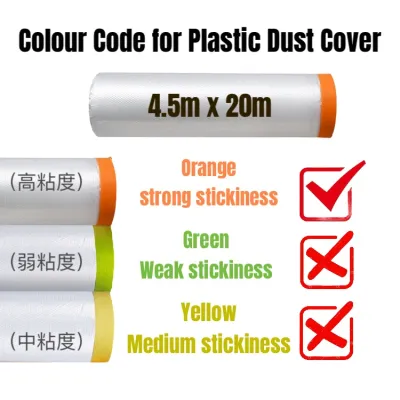
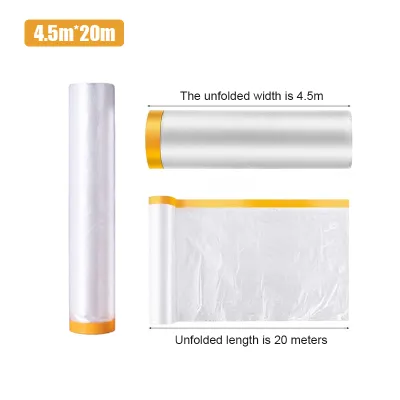
![[2-3 Days Delivery] 4.5m x 20m Plastic Dust Cover Protective Plastic Sheet Disposable Furniture Dustproof Cover Protective Cover Plastic Cover Plastic Film for Home Improvement CNY Gift Present](https://img.lazcdn.com/g/p/37fceab8fc43d4b3b58593d55aae9bcb.jpg_400x400q80.jpg_.webp)
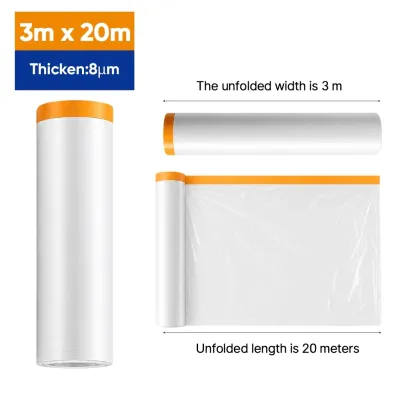
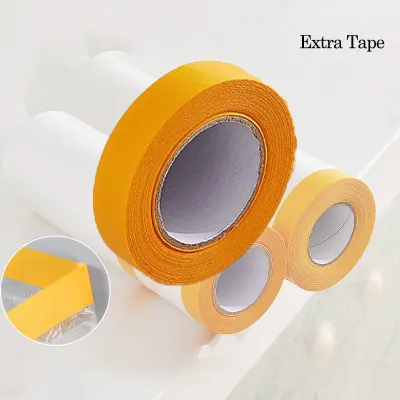
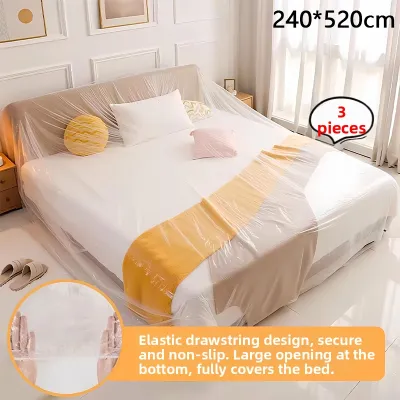
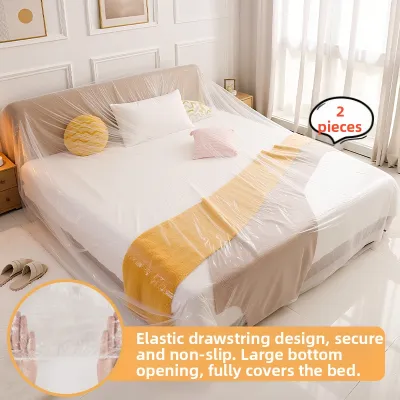
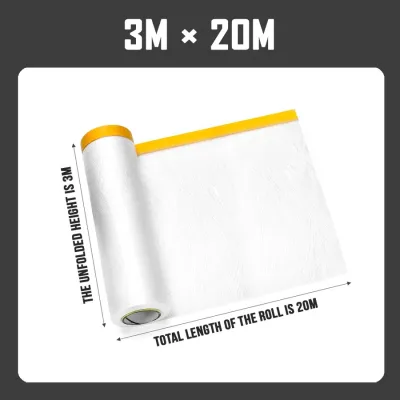
Prices are valid at publication and may change. Please refer to the product page for the latest price.
Start by measuring the maximum length of the furniture piece. For a sofa, this means measuring from the outermost edge of one armrest to the outermost edge of the opposite armrest. If you are measuring a dining table, measure from one table edge to the other, ensuring you include any extended leaves or decorative trim that might protrude.
Next, determine the maximum width, which represents the depth of the furniture from front to back. For chairs and sofas, measure from the very front of the seat cushion or frame to the furthest back point of the backrest. Be sure to check if the legs flare outward at the bottom, as this extended footprint will require a wider cover to prevent the fabric from stretching too tight or tearing at the base.
Finally, measure the height of the furniture. Place the measuring tape at the highest point of the item—such as the top of a backrest or a headboard—and drop it straight down to the floor. If you prefer the dust cover sheet to sit slightly off the ground to prevent it from sweeping up floor dust, measure from the highest point down to your desired bottom edge, such as just above the legs.
Do not forget to account for any temporary or protruding elements. Items like attached cushions, wheels, reclining mechanisms, or decorative handles can add several centimeters to the overall profile. If your furniture is modular, decide whether you will store it as a single unit or separate the sections, as this will completely change your measurement strategy.
Calculating the Ideal Dust Cover Sheet Dimensions
Once you have recorded the exact physical dimensions of your furniture, you can calculate the flat dimensions of the dust cover sheet you need to purchase. The total size of the sheet depends heavily on your preferred coverage style, whether you want a full floor-length drape, a partial drape, or a simple top-only protector.

For a full floor-length drape, you must add the height of the furniture to both sides of your length and width measurements. The formula for a full drape is straightforward: take the furniture’s length and add twice the height, then take the furniture’s width and add twice the height. For example, if a cabinet is 120 centimeters long, 60 centimeters wide, and 100 centimeters high, a full-drape sheet would need to be at least 320 centimeters long and 260 centimeters wide to touch the floor on all sides.
If you prefer a partial drape that leaves the legs exposed for easier cleaning or better airflow, replace the full height in your calculation with your desired drop length. A partial drop of 30 to 50 centimeters is often sufficient to protect the main body of a sideboard or chest of drawers. Simply add twice this desired drop length to both the overall length and width of your furniture measurements.
Always incorporate a small allowance for hems, seams, and potential fabric shrinkage. Natural fibers like cotton canvas or linen can shrink by several percentage points after their first wash. Adding an extra 10 to 15 centimeters to both the length and width of your final calculation ensures the cover remains highly usable even after laundering.
If you are purchasing pre-made sheets from an online marketplace, compare your calculated dimensions to the manufacturer’s size chart. When your calculated size falls between two standard product sizes, always opt for the larger size. A slightly loose cover can be tucked or secured, whereas a cover that is even slightly too small will fail to protect the entire piece of furniture.
Selecting Material and Fit Features for Your Environment
Choosing the right size is only half the battle; the material and design features must also match your specific home environment. Before purchasing, check the product tags and care labels to verify the fabric’s breathability, washability, and recommended usage conditions.
In indoor spaces with high humidity, breathable fabrics like lightweight cotton or non-woven polypropylene are excellent choices. These materials allow trapped moisture to escape, reducing the risk of musty odors or mildew forming on wood and fabric surfaces. For outdoor or semi-outdoor areas like balconies and patios, look for heavy-duty, water-resistant covers, but ensure they feature built-in ventilation flaps to prevent condensation buildup.
Consider the weight and drape of the fabric. A heavyweight canvas sheet is highly durable and naturally stays in place due to its mass, making it ideal for high-traffic areas or long-term storage. Conversely, lightweight sheets are easier to fold, wash, and store when not in use, but they may shift easily if your home experiences drafts from open windows or ceiling fans.
To keep your dust cover sheet securely in place, look for built-in securing features. Many modern covers come equipped with elasticized hems, adjustable tie-down straps, or metal grommets. These features allow you to anchor the cover to the legs of the furniture, preventing it from sliding off or being displaced by pets, children, or sudden drafts.
Common Sizing Mistakes and How to Avoid Them
One of the most common mistakes is forgetting to re-measure furniture after making minor household adjustments. Adding a thick throw blanket, decorative accent cushions, or rearranging modular sofa sections can alter the overall dimensions of your setup. Always take your measurements with the furniture in its final storage configuration, including all accessories you plan to leave underneath the cover.
Another frequent error is assuming that generic standard sizes will perfectly fit irregular or custom-shaped furniture. A standard three-seater sofa cover may not fit a sofa with deep, rolled armrests or an unusually high backrest. Always rely on your physical measurements rather than generic product descriptions or category labels.
Additionally, do not overlook the physical clearance around your furniture. If a dining table sits close to a wall, a bulky, oversized cover might bunch up against the wall, preventing the table from resting in its proper position and creating an untidy look. Ensure there is enough clearance for the cover to drape naturally without being pinched between the furniture and adjacent walls or fixtures.
Finally, ensure that the cover does not interfere with the stability of the furniture. A cover that is pulled too tight can exert uneven pressure on delicate legs or decorative elements, potentially compromising stability. If you must pull a cover taut to make it fit, it is a clear sign that you need to step up to the next available size.
Frequently Asked Questions (FAQ)
Can I use one large dust cover sheet for multiple pieces of furniture?
Yes, you can use a single large sheet to cover grouped furniture, such as a dining table with its chairs tucked in, or a set of stacked patio chairs. To do this, arrange the items exactly as they will be stored, then measure the combined outer footprint and the maximum height of the entire group. Keep in mind that while a single large cover is convenient, it can create deep folds where dust and moisture might accumulate, and it may be more difficult to remove and clean than individual covers.
How much extra material should I add for a tucked-in fit?
If you plan to tuck the dust cover sheet into the crevices of a sofa or under the cushions for a more tailored look, you will need to add a tuck-in allowance. Assess the depth of the gaps between the seat cushions and the frame, and add this depth to your calculations. Generally, adding an extra 20 to 30 centimeters to both the length and width of the sheet provides enough material to tuck securely without pulling the fabric too tight or causing it to slip out when the furniture is lightly moved.
Community discussion
Share your experience or ask a question. Comments are reviewed before publication.