
Replacing broken, sticky, or noisy furniture wheels is one of the most effective ways to restore mobility to office chairs, kitchen carts, and storage units. To ensure your new wheels fit perfectly, you must identify the existing mounting mechanism, measure the connection points with high precision, and select a wheel material that suits your flooring. Taking the time to measure beforehand prevents the common frustrations of loose fittings, unstable furniture, or permanent floor damage.
Identify Your Current Wheel Mount Type
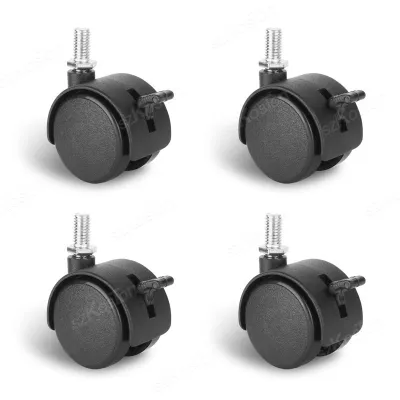
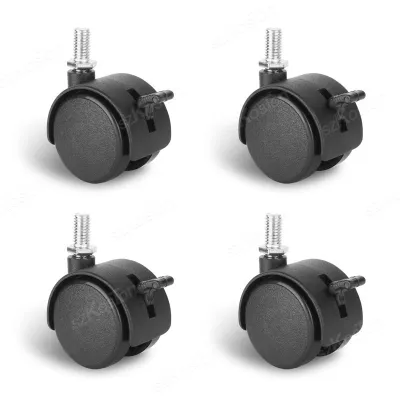
Before purchasing replacement parts, you must determine how the existing wheels attach to your furniture. Furniture wheels, often referred to as casters, generally fall into two primary categories: stem mounts and plate mounts. Stem mounts feature a metal shaft that inserts directly into a socket in the furniture base, while plate mounts utilize a flat metal plate that screws onto a flat surface.
To identify your specific mount type, safely turn the furniture upside down to inspect the underside. If the original wheel is still attached, look closely at the connection point. If the wheel is missing, examine the empty socket or mounting area. A round, hollow opening indicates a stem mount, whereas a flat surface with pre-drilled screw holes indicates a plate mount.
Products mentioned in this guide

![[SG In Stock]3 Inch Universal Mute Whee 5PCS/Set Office Chair Caster Wheels Replacement 60KG Swivel Rubber Soft Safe Rollers](https://img.lazcdn.com/g/p/bf4390964a70a1aadb2b68d0791a27d5.png_400x400q80.png_.webp)
![[SG Ready Stock]5PCS 3 Inch Universal Mute Wheel Office Chair Caster Wheels Replacement 60KG Swivel Rubber Soft Safe Rol](https://img.lazcdn.com/g/p/3436119685ee0f7eb0d4591980aafe0b.png_400x400q80.png_.webp)
Prices are valid at publication and may change. Please refer to the product page for the latest price.
Stem mounts are further divided by how they secure inside the socket. Grip ring stems have a small, split metal ring near the top of the shaft that compresses when pushed into the socket. Threaded stems feature screw threads along the shaft and must be rotated into a threaded insert. Friction stems are completely smooth and rely on a tight fit within a sleeve.
How to Measure Stem Size and Plate Dimensions
Accurate measurements are critical when selecting replacement wheels, as even a single millimeter of variance can prevent a stem from fitting or cause a plate to align incorrectly. Avoid relying on visual estimation or standard tape measures, which can easily lead to errors. Instead, use a digital or vernier caliper to obtain precise readings of your existing hardware.

For stem mounts, you must measure both the diameter and the length of the metal shaft. To measure the diameter, place the caliper jaws around the widest smooth part of the stem. If you are measuring a grip ring stem, do not measure directly over the expanded ring; instead, measure the solid metal shaft just below or above it. Next, measure the stem length from the base of the shaft—where it meets the plastic or metal collar—to the very tip.
For plate mounts, you need to measure the overall dimensions of the mounting plate as well as the screw hole spacing. Measure the total length and width of the flat metal plate to ensure it will fit within the available space on the underside of your furniture. More importantly, measure the distance between the centers of the screw holes, both horizontally and vertically. This measurement, known as the bolt hole pattern, must match your replacement wheels exactly so you can reuse the existing screw holes without drilling new ones.
Selecting the Right Wheel Diameter and Material
Once you have determined the correct mounting dimensions, you must choose the appropriate wheel diameter and material based on how the furniture is used and the type of flooring in your space. The wheel diameter directly affects the furniture’s ground clearance, stability, and ease of movement.
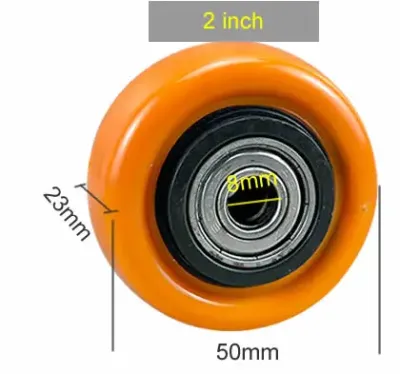
To determine the wheel diameter, measure the distance from the outer edge of the wheel tread to the opposite edge, passing directly through the center axle. Larger wheels roll more easily over transitions, rugs, and uneven surfaces, making them ideal for mobile kitchen carts or heavy shelving. However, larger wheels also raise the overall height of the furniture, which may affect ergonomics or clearance under desks. Ensure the new height aligns with your available space and comfort requirements.
The wheel material must be carefully matched to your flooring to prevent scratches, scuffs, or excessive noise. For hard surfaces such as parquet, laminate, vinyl, or tile, look for wheels with soft polyurethane or rubber treads. These materials cushion the contact point, roll quietly, and protect delicate finishes from wear. For carpeted floors, hard nylon or plastic wheels are more suitable, as they glide through carpet fibers without snagging. Always check the manufacturer’s care instructions for your specific flooring type to verify compatibility.
Additionally, you must verify the load capacity of the replacement wheels. Check the manufacturer’s specifications for the weight limit of each individual wheel. To find the required capacity, estimate the total weight of the furniture piece when fully loaded, then divide this number by the number of wheels being installed. Choosing wheels with a combined capacity that comfortably exceeds your total weight ensures long-term stability and prevents premature wheel failure.
Step-by-Step Guide to Removing and Installing Replacement Wheels
Replacing furniture wheels is a manageable task when you have the right tools and follow a systematic process. Before beginning, gather a flathead screwdriver, a pair of pliers, an adjustable wrench, and a soft cloth to protect your furniture’s finish.
To remove a grip ring or friction stem wheel, grip the wheel firmly and pull it straight out of the socket. If the stem is stuck, gently insert a flathead screwdriver or a small pry bar between the caster housing and the furniture base. Use a soft cloth as a buffer to avoid scratching the furniture, and gently pry upward to pop the stem out of its socket. For threaded stems, use an adjustable wrench to grip the hex nut located at the base of the stem, then turn counterclockwise to unscrew it. For plate mounts, simply unscrew the mounting screws using the appropriate screwdriver, keeping the hardware safe for potential reuse.
To install the new wheels, reverse the removal process while paying close attention to alignment. For grip ring stems, align the stem with the socket and push firmly until you feel the ring compress and seat fully into place; you may need to apply steady pressure or tap the bottom of the wheel gently with a rubber mallet. For threaded stems, thread the shaft into the socket by hand to avoid cross-threading, then tighten it securely with a wrench. For plate mounts, align the new plate with the existing screw holes and drive the screws in straight, tightening them firmly without over-tightening, which can strip the threads in wooden bases.
If you encounter stripped screw holes, cracked plastic sockets, or severely damaged threads during this process, stop immediately. Attempting to force a mismatched or damaged connection can compromise the stability of the furniture. In these situations, consult a professional furniture repair specialist or carpenter to restore the structural integrity of the base before proceeding.
Testing and Maintaining Your New Furniture Wheels
After installing the replacement wheels, it is essential to verify their stability and performance before returning the furniture to regular use. Place the furniture upright on a flat, level surface and perform a series of checks.
First, test the furniture while it is empty. Roll it gently in all directions to ensure all wheels contact the floor evenly and rotate smoothly without wobbling or squeaking. Next, apply a typical load—such as sitting in the chair or placing items back onto the cart—and repeat the test. If the wheels are equipped with brakes, engage the locking mechanisms to verify that they hold the furniture securely in place and prevent any sliding.
To keep your new wheels rolling smoothly, establish a simple maintenance routine. Hair, dust, and carpet fibers naturally accumulate around wheel axles over time, which can restrict movement and cause flat spots on the tread. Periodically inspect the axles and use tweezers or a small brush to clear away any debris. Additionally, check the tightness of mounting screws or threaded stems every few months, as regular movement can gradually loosen the connections.
Frequently Asked Questions (FAQ)
Can I replace stem wheels with plate wheels or vice versa?
Directly swapping between stem and plate wheels is generally not recommended without significant modifications to the furniture base. Stem wheels require a deep, narrow socket, while plate wheels require a wide, flat surface for mounting. Attempting to convert one to the other often compromises the structural integrity of the furniture. For the easiest installation and the most secure fit, it is best to stick to the original mounting type designed by the manufacturer.
What should I do if the stem hole is stripped or enlarged?
If a wooden stem socket has become stripped or enlarged over time, the new stem will wobble or fall out. You can repair minor wear by using a wood repair kit or filling the hole with wood filler and a matching plastic sleeve insert. For metal or plastic sockets that are cracked or stripped, you may need to replace the socket insert itself. If the structural damage to the furniture base is extensive, consult a professional carpenter to reinforce the area safely.
Do I need to replace all wheels at the same time?
While it is possible to replace a single broken wheel, replacing the entire set at the same time is highly recommended. Mixing old and new wheels often results in slight height discrepancies, which can cause the furniture to tilt and distribute weight unevenly. This uneven weight distribution puts excessive stress on the new wheel, accelerating wear and potentially damaging your floors. Replacing the full set ensures uniform height, consistent rolling performance, and balanced weight distribution.
Community discussion
Share your experience or ask a question. Comments are reviewed before publication.