
To choose the correct size plastic dust cover for your furniture legs, you must measure the exact outer dimensions of the leg’s base contact point using a precise tool like a caliper or flexible tape. Matching these measurements to the internal dimensions of the cover ensures a secure fit. A proper fit prevents the cover from slipping off during movement, cracking under the weight of the furniture, or allowing dust and moisture to accumulate underneath. By identifying the exact shape of the leg—whether round, square, rectangular, or tapered—and checking the manufacturer’s specified internal tolerances, you can select a durable cover that protects both your furniture and your flooring.
Why a Proper Fit Matters for Furniture and Floors
Selecting the wrong size for a plastic dust cover leads to immediate practical issues in any home. If the cover is too loose, it will slide off whenever you pull out a dining chair or shift a sofa. This exposes the bare furniture leg to the floor, risking deep scratches on delicate surfaces like polished parquet, vinyl, or laminate. Furthermore, a loose cap creates a gap where dust, hair, and spilled liquids can pool, trapping moisture against the bottom of the leg and potentially causing wooden furniture to swell or rot over time. Spending a few S$ on a set of properly fitted covers can save you hundreds of dollars in floor repairs.
Conversely, forcing an overly tight cover onto a leg creates high structural stress on the plastic. Under the heavy load of furniture and daily use, a stretched plastic cap will quickly split or crack, rendering it useless. The excessive friction of a tight fit can also scrape off protective varnishes, paint, or wood veneer during installation or removal. A correctly sized cover distributes the weight of the furniture evenly across its base, maintaining stability and ensuring the protective barrier remains intact for years.
Products mentioned in this guide
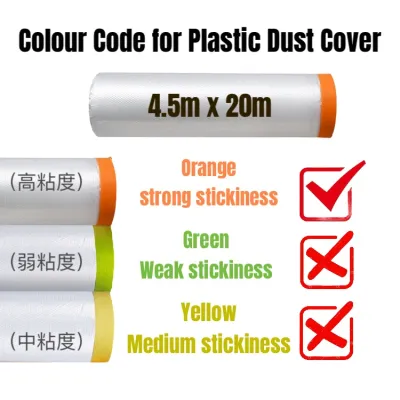
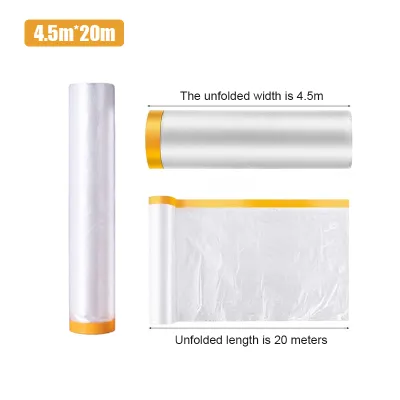
![[2-3 Days Delivery] 4.5m x 20m Plastic Dust Cover Protective Plastic Sheet Disposable Furniture Dustproof Cover Protective Cover Plastic Cover Plastic Film for Home Improvement CNY Gift Present](https://img.lazcdn.com/g/p/37fceab8fc43d4b3b58593d55aae9bcb.jpg_400x400q80.jpg_.webp)
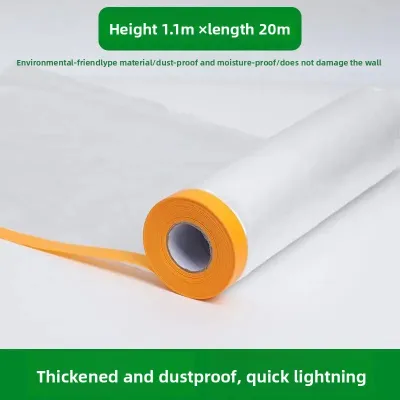
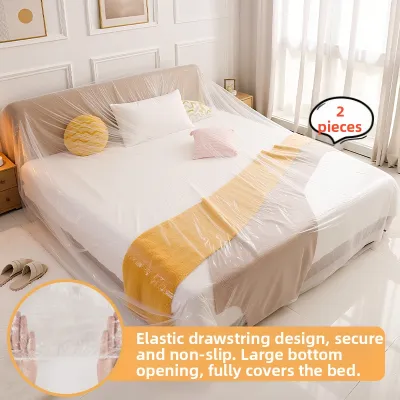
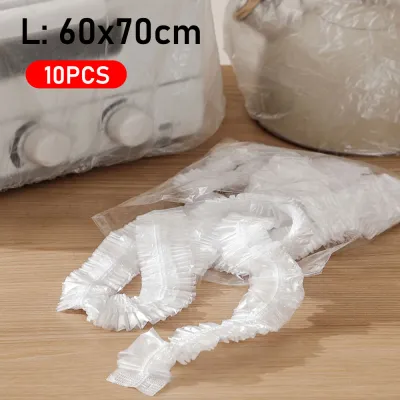
Prices are valid at publication and may change. Please refer to the product page for the latest price.
Tools Needed for Accurate Measuring
Achieving a precise fit requires using the right measuring instruments. A standard straight ruler is often difficult to align perfectly across the center of a small, rounded furniture leg, which frequently leads to parallax errors and inaccurate readings of even a few millimeters. These small errors are enough to cause a mismatch between the leg and the plastic dust cover.

For the most accurate results, a digital or vernier caliper is the ideal tool. Calipers allow you to clamp the measuring jaws directly against the outer edges of the leg, providing a precise reading of the diameter or width down to the millimeter. If you do not have a caliper, a flexible sewing measuring tape is an excellent alternative, especially for capturing the circumference of round legs or navigating irregular, curved profiles. You can wrap the tape snugly around the base of the leg and convert the circumference to diameter by dividing the measurement by 3.14.
How to Measure Different Furniture Leg Shapes
Furniture legs come in a wide variety of profiles, and your measuring technique must adapt to the specific shape of the leg. The critical zone to measure is the exact contact point where the leg meets the floor, as this is where the plastic dust cover will sit and grip.
Before ordering any covers, it is essential to measure multiple legs on the same piece of furniture rather than assuming they are all identical. Minor manufacturing variations, hand-sanding differences, or wear over time can result in slight dimensional discrepancies between the front and back legs of a chair or table. Measuring at least two or three legs ensures you select a size that accommodates these small differences safely.
Measuring Round and Tapered Legs
To measure a standard round leg, place your caliper jaws at the very bottom edge of the leg where it touches the floor. Measure the diameter from one outer edge to the opposite outer edge. If you are using a flexible tape, wrap it around this bottom edge to find the circumference, then divide by 3.14 to calculate the diameter.
If your furniture features tapered legs that narrow toward the bottom, you must take a second measurement slightly higher up—approximately 15 to 20 millimeters above the base. This step is crucial because a plastic dust cover has a specific height, and if the leg widens too quickly, a rigid plastic cover will get stuck before it can slide fully onto the base.
Additionally, you should check for circularity by measuring the diameter across multiple axes. Rotate your caliper 90 degrees and take a second reading at the same height. Many wooden or metal legs that appear perfectly round to the naked eye are actually slightly oval. Identifying this variation beforehand prevents you from buying a rigid circular cover that will split when forced onto an asymmetrical leg.
Measuring Square and Rectangular Legs
For square and rectangular legs, you must measure both the width and the depth at the base contact point. Use your calipers to measure the distance between the parallel flat sides of the leg. For a square leg, verify that the width and depth are indeed equal, as even a small difference of one millimeter can affect how securely a square cover grips.
Next, measure the diagonal dimension of the leg from one corner to the opposite corner. This diagonal measurement is critical because plastic dust covers must accommodate the corners of the leg without experiencing extreme stress at the seams. If the diagonal of the leg is larger than the internal diagonal of the cover, the corners of the plastic cap will stretch, turn white from stress, and eventually split.
You must also observe whether the corners of your furniture legs are sharp, chamfered, or rounded. If the legs have rounded corners, you will need to look for plastic covers designed with a matching inner corner radius. Placing a sharp-cornered leg into a cover with rounded internal corners will prevent the leg from seating fully, leaving an unstable gap at the bottom.
Choosing the Right Plastic Dust Cover Specifications
Once you have gathered your physical measurements, the next step is translating those numbers into the correct product specifications. Relying solely on visual sizing or generic labels like “medium” or “large” on online marketplaces often leads to ordering the wrong part.
You must carefully read the technical dimension diagrams provided on product pages. Understanding how manufacturers list their sizes and evaluating the physical properties of the plastic material will ensure you select a cover that fits securely and performs well under daily use.
Matching Inner Dimensions and Shape
When browsing product listings, always look for the internal dimensions (often labeled as ID or inner diameter/width) rather than the external dimensions of the cover. The external dimensions only tell you how much space the cover occupies on your floor, whereas the internal dimensions dictate whether your furniture leg will actually fit inside.
Compare your measured leg dimensions directly to the manufacturer’s internal size chart. Most rigid plastic covers require a very close match, but you should allow for a tiny tolerance gap—typically around 0.5 millimeters to 1 millimeter—to facilitate installation. If the cover is made of a slightly flexible polymer, the manufacturer may specify a range of compatible leg sizes, indicating that the material can stretch slightly to grip the leg.
Ensure that the internal shape of the cover matches your leg profile exactly. For example, if your chair has square legs with heavily rounded corners, a standard square cover with sharp internal corners may slide off or wobble. Look for listings that explicitly show the internal profile of the cap to confirm it mirrors the contours of your furniture.
Evaluating Grip, Thickness, and Floor Safety
A good plastic dust cover does more than just sit on the leg; it must stay securely in place during movement. Look for covers that feature internal ridges, small silicone inserts, or built-in friction grips. These design elements bite gently into the leg surface, preventing the cover from sliding down or falling off when the furniture is lifted.
The thickness of the plastic is another critical factor, especially for heavy furniture like dining tables, cabinets, or sofas. Thin, cheap plastic caps will quickly wear through or crack under high pressure. Check the product specifications for reinforced bases or internal structural ribs, which help distribute the downward load and prevent the bottom of the furniture leg from punching through the plastic.
Finally, evaluate the exterior base of the cover based on your flooring type. If you have hard floors like tile, polished concrete, or vinyl, look for covers with a smooth, rounded, or felt-padded exterior base to prevent scratching. For carpeted floors, a slightly ribbed or harder plastic base can help the furniture slide more easily without snagging the carpet fibers.
Installing and Verifying the Fit
Before installing your new plastic dust covers, take the time to clean and thoroughly dry the base of each furniture leg. Dust, grit, or moisture trapped inside the cap can act as an abrasive, scratching the furniture finish over time. Trapped moisture is particularly damaging to wooden legs, as it can lead to mold growth or wood rot within the sealed plastic environment.
To install the cover, align it carefully with the bottom of the leg and press it on evenly using your hands. Avoid using heavy tools like metal hammers or mallets, as excessive force can easily shatter rigid plastic covers or dent the furniture leg. If the cover is a tight fit, you can gently wiggle it back and forth while applying steady upward pressure until it is fully seated.
Once all covers are installed, perform a thorough stability test. Place the furniture on a flat surface and gently rock it from side to side to ensure it sits level. Check that none of the covers are slipping, tilting, or creating an uneven height. Slide the furniture slightly across the floor to verify that the covers glide smoothly without making scraping noises or leaving marks on your flooring.
Troubleshooting Loose or Tight Covers
If you find that your new covers are slightly loose, you do not necessarily have to discard them. You can adjust the fit by adding non-damaging filler materials inside the cap to increase friction. Placing a small piece of adhesive felt padding or wrapping a thin silicone band around the tip of the furniture leg can fill the extra space and keep the cover snugly in place.
If a cover is too tight and gets stuck halfway during installation, do not force it further. To remove a stuck cover safely, gently pry around the top edge of the plastic cap using a flat, non-marring tool, such as a plastic putty knife or an old credit card. Work your way around the perimeter slowly to avoid scratching the wood or metal finish of the leg.
If a cover requires extreme force to install, stop immediately. Forcing a rigid plastic cover onto an oversized leg will eventually cause the plastic to shatter under tension, which can lead to sharp edges and potential injury. In these cases, it is best to return the product and select a larger size or a more flexible silicone-based alternative.
Frequently Asked Questions (FAQ)
Can I use round dust covers on slightly oval furniture legs?
Using a rigid round plastic dust cover on an oval leg is not recommended. The shape mismatch concentrates physical stress on two specific points of the circular cap, which will quickly cause the plastic to crack and split under the weight of the furniture. If your legs are oval and you cannot find an exact oval cover, look for flexible, silicone-blended covers. These elastomeric alternatives can stretch and conform to irregular or oval shapes without tearing.
Do plastic dust covers prevent moisture damage on wooden legs?
Plastic dust covers provide excellent protection against direct, temporary moisture, such as splashes from wet mopping or minor floor spills. However, they do not create a hermetic seal and cannot protect against high ambient room humidity. It is vital to ensure that wooden legs are completely dry before you install the covers. Any moisture trapped inside the plastic cap will be unable to evaporate, creating a damp environment that can cause the wood to swell, discolor, or develop mold.
Community discussion
Share your experience or ask a question. Comments are reviewed before publication.