
To find the correct replacement fridge wheels, you must identify your refrigerator’s mounting style, measure the exact dimensions of the existing wheels or mounting sockets, and calculate a safe load capacity. Because refrigerator designs vary, there is no single universal wheel size. Installing mismatched wheels can lead to appliance instability, floor damage, or door alignment issues. Verifying these physical specifications against your appliance’s base is the most reliable way to ensure a secure fit.
Identify Your Refrigerator's Mounting Style
Before purchasing replacement wheels, you must determine how the existing casters connect to the refrigerator chassis. Refrigerator bases typically use one of two primary mounting configurations: stem mounts or plate mounts. Stem mounts feature a metal shaft extending upward from the wheel, which inserts directly into a socket in the appliance base. These stems are further divided into grip ring stems—which use a small tension ring to snap into place—and threaded stems, which screw into a threaded receiving hole.
In contrast, plate mounts utilize a flat metal bracket integrated into the top of the caster. This plate is secured directly to the flat underside of the refrigerator frame using multiple screws or bolts. Some refrigerator models feature pre-installed sockets designed specifically for proprietary stem designs, while others require direct screw attachment. To confirm your factory interface specifications and locate the designated mounting points, consult the “Moving and Leveling” or “Installation” section of your appliance user manual.
Products mentioned in this guide
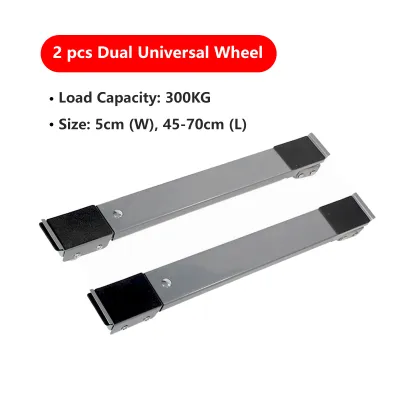
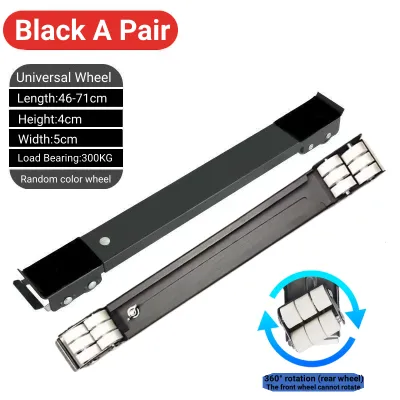
![[SG] Washing Machine Metal Fridge Dryer Universal Stand Base with 4 Locking 360° Adjustable Heavy Duty Wheels Load 300kg](https://img.lazcdn.com/g/p/cd63518a6735cb8379428453f9804936.jpg_400x400q80.jpg_.webp)
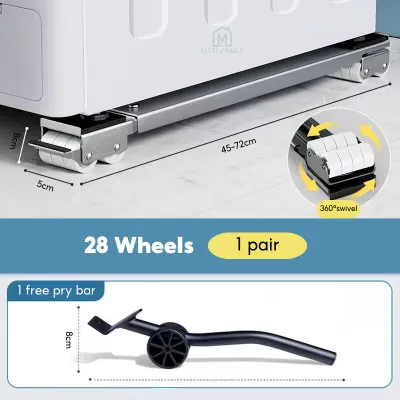
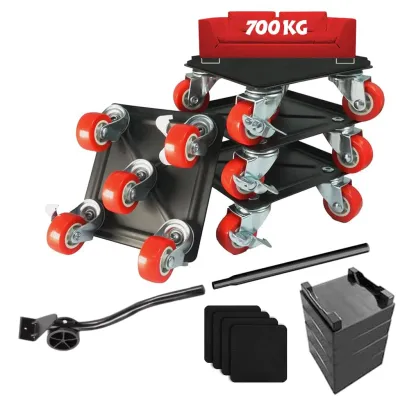
![🇸🇬 [READY STOCK] Fridge Stand Washing Machine Base Furniture Mover Adjustable Refrigerator Raised Base Mobile Roller Universal Bracket Wheel Pulley Holder](https://img.lazcdn.com/g/p/f35fd6fb0a15bfdabe4565d8b1487c98.jpg_400x400q80.jpg_.webp)
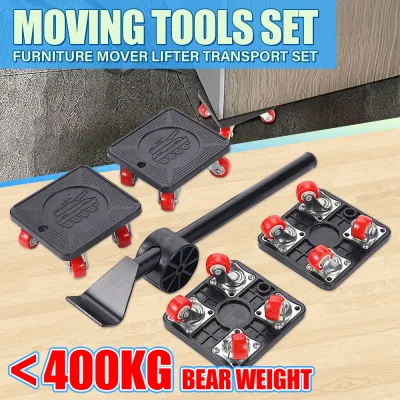
Prices are valid at publication and may change. Please refer to the product page for the latest price.
Measure the Exact Wheel and Stem Dimensions
Physical compatibility depends on precise measurements, as even a minor discrepancy can prevent installation or cause the refrigerator to wobble. Begin by measuring the wheel diameter and width. The wheel diameter directly influences the overall height of the appliance; choosing a wheel that is too large can reduce overhead clearance, preventing the refrigerator from fitting into tight kitchen alcoves or under overhead cabinets.

For stem mounts, you must measure both the stem diameter and the stem length precisely. A digital caliper is highly recommended for these measurements, as standard rulers often fail to capture the subtle millimeter differences between standard sizes. For example, a stem that is slightly too wide will not fit into the socket, while a stem that is too narrow will wobble and risk bending under the weight of the appliance. For plate mounts, measure the overall dimensions of the mounting plate and the exact distance between the bolt holes, measuring from the center of one hole to the center of the opposite hole.
Calculate the Required Load Capacity
Selecting wheels with an inadequate load rating can lead to sudden structural failure, damaging both your appliance and your kitchen floor. To determine the minimum load capacity required for each replacement caster, you must first establish the total weight of the loaded appliance. Locate the net weight of the refrigerator on the rating plate, which is typically found on an interior wall of the fresh food compartment or listed in the user manual. To this net weight, add an estimated allowance for a fully stocked refrigerator, as food and beverages add significant weight.
Once you have estimated the total weight, apply a safety margin rather than simply dividing the total weight by the number of wheels. Because kitchen floors are rarely perfectly level, the weight is seldom distributed evenly across all four wheels. To account for uneven weight distribution and floor irregularities, divide the total estimated weight by three instead of four. This calculation ensures that even if one wheel temporarily loses contact with the floor, the remaining casters can safely support the load. Always verify the individual load rating per caster on the replacement packaging or specification sheet, and avoid relying on vague marketing terms like “heavy-duty” without checking the exact numerical rating.
Select Wheel Material and Locking Features
The material of your replacement wheels directly affects how easily the refrigerator rolls and whether it will damage your kitchen flooring. Common wheel materials include hard nylon, polyurethane, and rubber. Hard nylon wheels are highly durable and roll easily on smooth surfaces, but they can scratch delicate flooring or chip tile grout lines. Polyurethane and rubber wheels offer a softer tread that provides better grip and floor protection, making them suitable for homes with vinyl, laminate, or polished tile. Always verify your flooring manufacturer’s care and maintenance guidelines to ensure compatibility with specific wheel materials.
Additionally, consider whether you require locking casters. Refrigerator doors require a firm pull to break the magnetic seal; without locking wheels on at least two corners, the entire appliance may shift forward every time you open the door. Finally, look for casters featuring sealed bearings or anti-wrap designs. Kitchen floors naturally accumulate dust, pet hair, and food debris, which can quickly clog open bearings, causing the wheels to seize and drag across your floor.
Pre-Installation Checks and Safety Limits
Replacing refrigerator wheels requires careful preparation to prevent personal injury or damage to the appliance. Before attempting to tilt or lift the unit, empty the refrigerator completely of all food, shelves, and door bins, and disconnect the power supply. Secure the refrigerator doors with low-tack painter’s tape to prevent them from swinging open during the process.
Keep in mind that installing new wheels will likely alter the overall height of the appliance. Once the new casters are installed, you must readjust the front leveling legs. These legs must be extended to lift the front wheels slightly off the ground when the refrigerator is parked, ensuring the unit remains stable and tilts slightly backward to allow the doors to close automatically. Finally, know when to stop: if you discover that the mounting holes are stripped, the refrigerator base is severely rusted, or the appliance weight exceeds standard replacement limits, halt the installation and consult a qualified appliance technician.
Frequently Asked Questions (FAQ)
Can I use universal fridge wheels for any refrigerator model?
No truly universal wheel exists. While some replacement kits are marketed as universal, they generally only accommodate a few common stem sizes or plate configurations. You must still measure your refrigerator’s specific stem diameter, stem length, or plate bolt pattern to ensure physical compatibility and safe weight distribution.
Do I need to adjust the refrigerator leveling legs after adding wheels?
Yes, adjusting the leveling legs is mandatory after installing new wheels. Adding casters changes the appliance’s height and center of gravity. You must adjust the front leveling legs so they bear the weight of the appliance when stationary, preventing the refrigerator from rolling when the doors are opened and ensuring the doors seal properly.
How do I remove stuck grip ring stems from the fridge base?
To remove a seized or stuck grip ring stem, you can use a dedicated caster puller or carefully insert a pry bar beneath the wheel base, using a block of wood to protect the refrigerator chassis from damage. If the stem is severely corroded or does not budge with moderate pressure, consult a professional technician to avoid bending or cracking the appliance frame.
Community discussion
Share your experience or ask a question. Comments are reviewed before publication.