
Finding the correct replacement sliding door roller requires matching three critical dimensions: the wheel’s outer diameter, the wheel’s thickness, and the mounting bracket or stem configuration. Because sliding door hardware is highly specialized, even a minor deviation in size or mounting style can cause the door to drag, derail, or fail to fit into the track system. By systematically removing the old hardware and using precise measuring tools, you can identify the exact specifications needed to restore smooth, quiet operation to your sliding door.
Quick Guide to Finding the Right Sliding Door Roller Replacement
To secure a compatible replacement, you must verify three primary dimensions. First, measure the wheel diameter across its widest point. Second, measure the wheel thickness or width, which determines how the roller sits within the track channel. Third, measure the length of the mounting stem, hook, or bracket from its base to the center of the wheel axle.
Matching the physical size of the wheel is only half the battle; the mounting style is equally critical. Sliding doors rely on specific mounting configurations—such as top-hung, bottom-mount, or side-mount systems—to distribute weight and maintain balance. A roller with the correct wheel size but an incompatible bracket will not fit into the door frame or align with the mounting holes.
Products mentioned in this guide
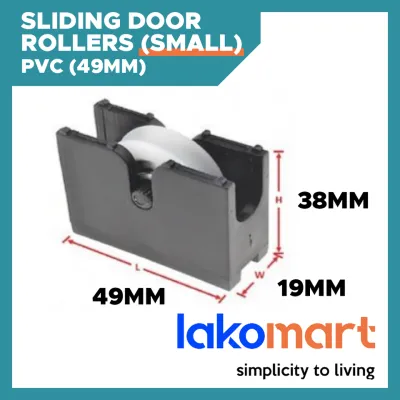
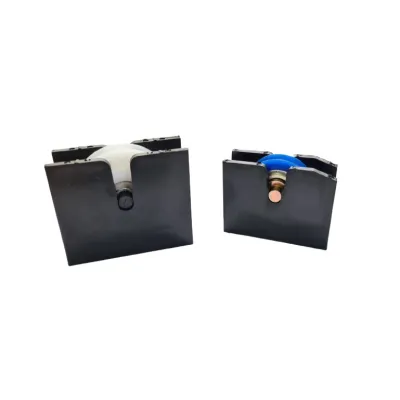
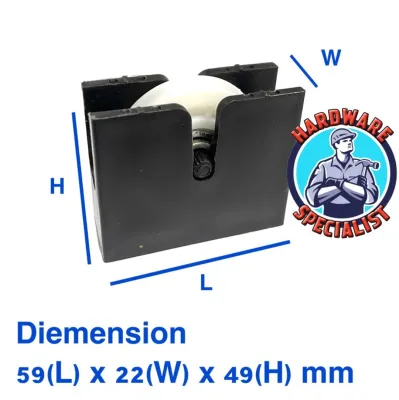
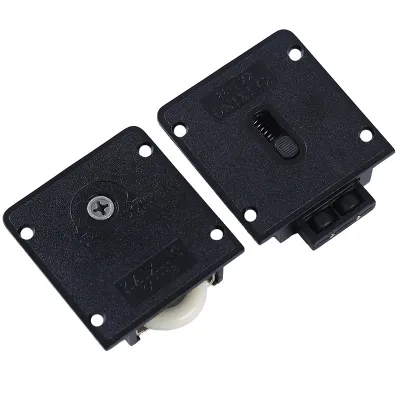
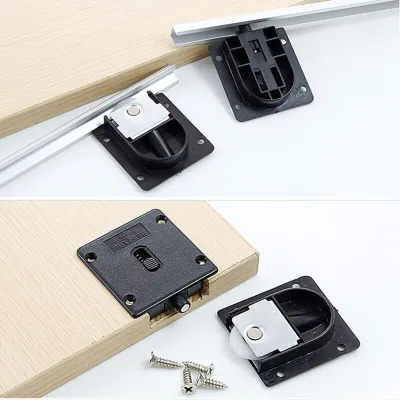
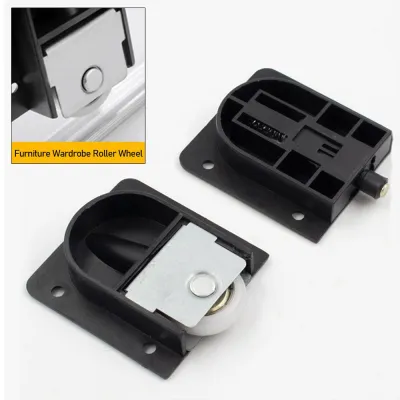
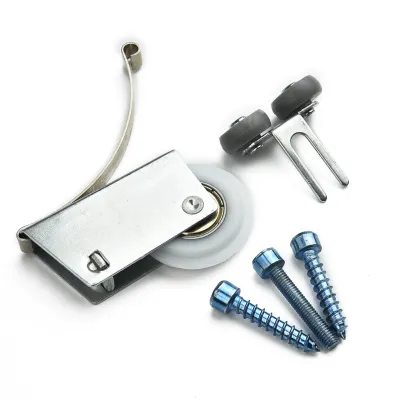
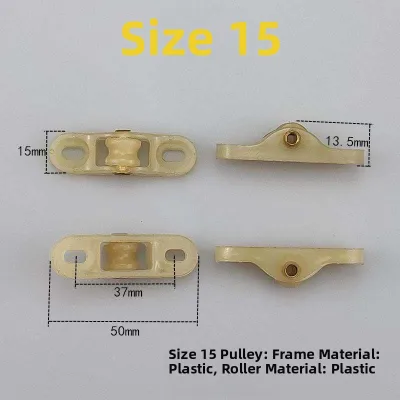
Prices are valid at publication and may change. Please refer to the product page for the latest price.
Before starting, gather a few basic tools to ensure safe removal and accurate measurement. You will need:
- A flathead and Phillips screwdriver for adjusting and removing mounting screws.
- Digital calipers or a precision ruler for taking exact millimeter-level measurements.
- Safety gloves to protect your hands while handling heavy glass or wooden door panels.
- Wooden blocks or shims to support the door panel once it is lifted out of the frame.
How to Safely Remove and Measure Your Existing Roller
Removing a sliding door panel requires caution, as these assemblies can be heavy and awkward to maneuver. Begin by fully opening the door, then locate the adjustment screws near the bottom or top corners and turn them to retract the rollers fully. Carefully lift the door panel upward into the top track to clear the bottom rail, then tilt the bottom of the door outward to free it from the frame. Place the door flat on a protected surface, such as a drop cloth or carpet, to prevent scratching the frame or shattering any glass inserts.

Once the door is secure, unscrew and extract the existing roller assembly from the door frame. To measure the wheel diameter, place the jaws of a digital caliper flat against the outer edges of the wheel, passing directly through the center point. For the wheel thickness, measure the widest part of the wheel profile, ensuring you account for any flared edges or central ridges that guide the wheel along the track.
Next, measure the mounting hardware attached to the wheel. If your roller uses a stem or hook, measure its length from the point where it connects to the door frame down to the center of the wheel axle. For bracket-style rollers, record the overall height, width, and depth of the metal housing, as well as the distance between the mounting screw holes to ensure the new bracket aligns perfectly with the existing pre-drilled holes.
Before ordering a replacement, inspect the removed roller for uneven wear patterns. If one side of the wheel is heavily shaved down or flat, it often indicates that the track is misaligned, bent, or obstructed, rather than a simple case of hardware age. Addressing these underlying track issues during the replacement process is essential to prevent the new rollers from wearing out prematurely.
Decoding Sliding Door Roller Specifications
Understanding how roller specifications translate to door performance helps you make an informed purchase. The wheel diameter and width directly dictate the door’s floor clearance and how deeply the wheel engages with the track. A wheel that is too wide will pinch inside the track channel, while a wheel that is too narrow may wobble, causing the door to feel unstable and slide unevenly.
Mounting mechanisms are highly specialized and are generally not interchangeable. Top-hung systems suspend the door from an upper track using threaded stems or specialized plates, whereas bottom-bracket systems support the full weight of the door from below. Side-hook rollers attach to the inner face of the door frame. Always match the mounting style exactly to the original hardware to ensure the door hangs or sits at the correct angle.
Weight capacity ratings are another vital specification to verify. Look for the manufacturer’s documentation, product labels, or stamps on the old hardware to identify the load limit per roller. Using rollers with an insufficient weight rating can lead to rapid bearing failure, bent brackets, or a sagging door that damages the floor threshold.
Wheel material options also play a significant role in durability and noise levels. Nylon wheels offer quiet, smooth operation and are highly suitable for lighter interior doors or residential areas where noise reduction is a priority. Steel or brass wheels provide exceptional strength and durability for heavy exterior glass doors, though they may produce more operational noise and require regular track maintenance to prevent metal-on-metal wear.
Verifying Track Compatibility and Installation Conditions
A new roller can only perform as well as the track it runs on. Inspect the track profile to ensure it matches the contour of your replacement wheel. For example, a convex track with a raised ridge requires a grooved wheel that rides securely on top of the ridge, while a flat-bottom track requires a flat-faced wheel. Installing the wrong wheel shape on a track will cause immediate slipping, grinding, or derailment.
Take time to clean and inspect the track before installing the new hardware. Remove any accumulated dust, pet hair, or debris using a vacuum and a stiff brush, and check for physical damage such as dents, bends, or severe wear. A damaged track section will quickly ruin a brand-new roller, so minor dents should be carefully straightened with a wood block and hammer, or the track section replaced if structurally compromised.
After installing the new rollers and placing the door back on the track, locate the adjustment screws to fine-tune the door’s height and alignment. Turn the screws incrementally to raise or lower each side of the door until the vertical edge of the panel sits perfectly parallel to the door jamb when closed. This step ensures a proper seal, preventing cool air loss from air conditioning or latching issues.
While many roller replacements are straightforward DIY projects, certain conditions require professional assistance. If you discover that the door frame itself is warped, the structural track is severely bent, or the heavy double-glazed glass panel is too difficult to lift safely, stop the installation. Consulting a qualified door specialist ensures the repair is completed safely without risking expensive glass breakage or structural damage to your home.
Frequently Asked Questions (FAQ)
Can I use a slightly smaller or larger roller diameter if the exact size is unavailable?
Using a roller with an incorrect diameter is not recommended, as even a difference of a few millimeters can disrupt the door’s balance. A wheel that is too small may cause the bottom of the door to drag along the floor threshold, damaging both the door and your flooring. Conversely, a wheel that is too large can raise the door too high, preventing it from engaging securely with the upper guide track and creating a serious risk of the door falling out of the frame.
How do I know if my sliding door needs new rollers or just track cleaning?
To diagnose the issue, start by thoroughly cleaning the track and applying a manufacturer-approved silicone lubricant. If the door still sticks, grinds, or bumps after cleaning, inspect the rollers directly. Physical signs such as flat spots on the wheels, visible cracks in the nylon, loose or wobbly bearings, or a grinding noise when the wheel is spun by hand all indicate that the rollers have reached the end of their lifespan and must be replaced.
Community discussion
Share your experience or ask a question. Comments are reviewed before publication.