
Selecting the right wooden drawer cabinet involves balancing visual harmony with functional storage. A well-chosen cabinet does not merely sit in a room; it anchors the space, complements existing textures, and provides essential organization. Because wood is a highly tactile and visually dominant material, its color, grain pattern, and silhouette will significantly influence the overall mood of your interior. Whether you are furnishing a compact apartment or a spacious open-plan home, understanding how different cabinet styles interact with your existing decor is the first step toward making a lasting investment.
To find the style that truly suits your home, you must look beyond the surface appeal of a single piece of furniture. The process requires a systematic evaluation of your room’s current design elements, an understanding of how different design movements utilize wood, and a practical assessment of your physical space. By aligning the cabinet’s design characteristics—such as its wood species, finish, hardware, and leg style—with your home’s architectural features and color palette, you can create a cohesive and inviting environment.
Identify Your Dominant Room Aesthetic
Before browsing furniture showrooms or online catalogs, take a step back to analyze the existing design theme of your room. Most homes feature a dominant aesthetic, whether it is modern, eclectic, classic, or transitional. Look closely at your larger furniture pieces, such as sofas, dining tables, or bed frames. Note whether their shapes are defined by sharp, clean lines or soft, ornate curves. A room filled with low-profile, streamlined furniture will naturally welcome a different style of wooden drawer cabinet than a space adorned with decorative moldings and plush, traditional upholstery.
Products mentioned in this guide
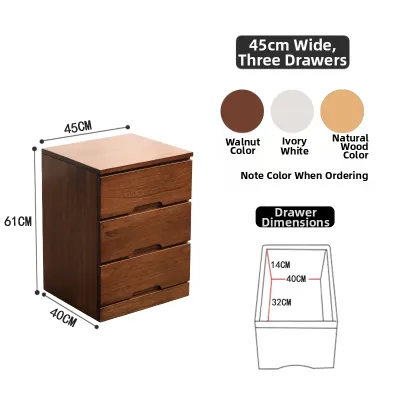

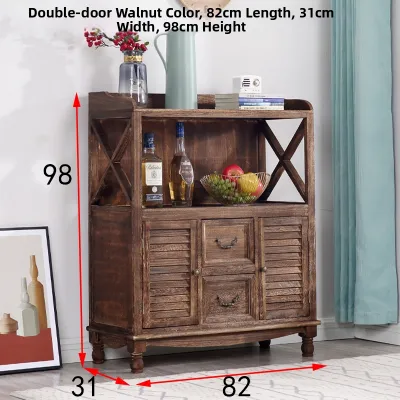
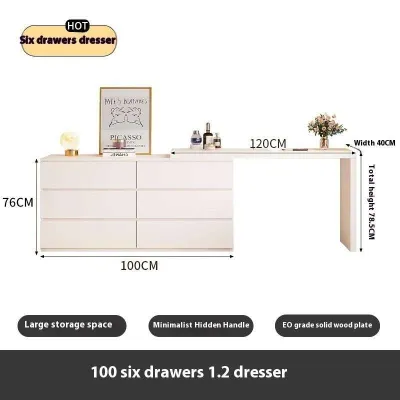
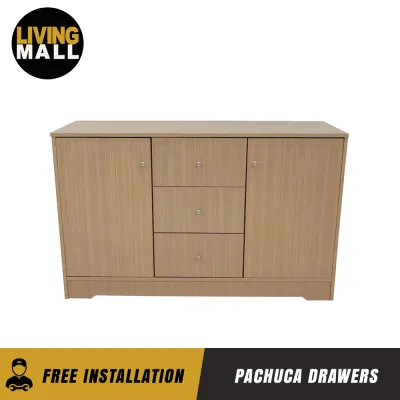
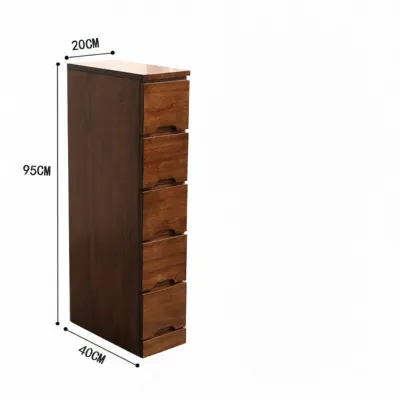
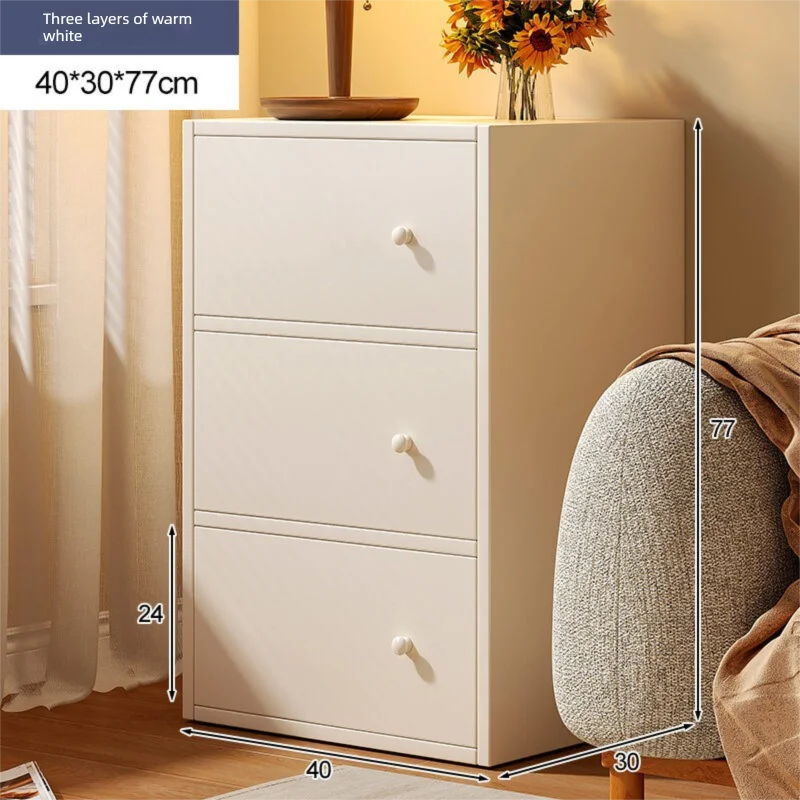
Prices are valid at publication and may change. Please refer to the product page for the latest price.
Next, evaluate the room’s color palette, lighting conditions, and dominant textures. Observe the undertones of your flooring and walls; cool gray or crisp white walls pair differently with wood tones than warm beige or terracotta surfaces. Consider the amount of natural light the room receives throughout the day. Bright, sunlit spaces can easily accommodate darker, more textured woods without feeling cramped, whereas dimly lit rooms or narrow hallways often benefit from lighter wood tones that reflect light. Pay attention to other textures in the room, such as metal accents, glass surfaces, or woven textiles, as these will interact directly with the wood grain of your new cabinet.
Finally, determine the visual weight and the specific role you want the cabinet to play in the space. Ask yourself if the wooden drawer cabinet should serve as a dramatic focal point or blend quietly into the background. A tall, dark cabinet with intricate hardware will draw the eye immediately, making it an excellent centerpiece for an empty wall. Conversely, a low-profile, light-colored cabinet with recessed handles will offer substantial storage while allowing other decorative elements, such as artwork or indoor plants, to take center stage.
Match Cabinet Styles to Your Decor Theme
The visual impact of a wooden drawer cabinet is determined by a combination of its wood grain prominence, hardware style, and overall silhouette. These design details dictate whether a piece feels heavy and traditional or light and contemporary. By understanding how these elements work together, you can easily transition from identifying your room’s aesthetic to selecting a specific cabinet profile that enhances your home.

Scandinavian and Minimalist Profiles
Scandinavian and minimalist wooden drawer cabinets are defined by their simplicity, functionality, and understated elegance. These profiles typically feature light-toned woods such as ash, beech, maple, or light oak veneers, which bring a sense of warmth and airiness to an interior. The design language prioritizes clean, straight lines and uncluttered surfaces, often eliminating traditional drawer pulls in favor of handle-less designs, push-to-open mechanisms, or integrated J-pull handles. This lack of protruding hardware maintains a sleek, continuous facade that minimizes visual clutter.
These minimalist profiles are particularly effective for optimizing visual space in smaller rooms or high-density urban apartments, such as those commonly found in Singapore. Because light-colored woods reflect both natural and artificial light, they help make compact bedrooms or narrow entryways feel more open and spacious. The low-profile silhouettes of Scandinavian furniture keep the sightlines clear, preventing the room from feeling overcrowded even when substantial storage is added.
When selecting a minimalist cabinet, it is important to check the manufacturer’s specifications regarding the surface finish. These pieces are commonly available in either matte or satin finishes. A matte finish preserves the natural, raw appearance of the wood and diffuses light softly, which aligns well with organic, nature-inspired interiors. A satin or semi-gloss finish, while still subtle, offers a slight sheen that can make the wood grain pop and typically provides a slightly more wipeable surface, which is a practical consideration for high-traffic areas.
Industrial and Rustic Aesthetics
Industrial and rustic wooden drawer cabinets embrace raw textures, structural honesty, and a sense of history. These styles are characterized by the integration of dark, rich, or distressed wood textures with rugged metal elements, such as iron frames, exposed rivets, and heavy-duty steel hardware. The wood used in these designs often showcases prominent grain patterns, knots, and natural imperfections, celebrating the organic character of the material rather than concealing it. Exposed joinery, such as visible dowels or metal corner brackets, further emphasizes the utilitarian, handcrafted origin of the piece.
These robust aesthetics are highly suited for open-concept layouts, loft-style spaces, or rooms that require a grounded, highly textured focal point. In a large living area or a home office with concrete or brick elements, an industrial cabinet provides the necessary visual weight to anchor the room. The contrast between warm, textured wood and cool, dark metal creates a dynamic visual tension that prevents modern spaces from feeling sterile or uninviting.
Because industrial and rustic cabinets often feature mixed-material construction, buyers must carefully verify the structural stability and weight capacity of the frame. Inspect how the wooden cabinet body is secured to the metal support structure. High-quality pieces will use robust bolting or integrated metal sleeves rather than simple wood screws to join the materials. Additionally, check the drawer mechanism; because rustic drawers can be heavy, ensure they are equipped with sturdy glides that can handle the weight of both the wooden drawer box and its contents without sagging or binding over time.
Traditional and Mid-Century Modern Silhouettes
Traditional and mid-century modern wooden drawer cabinets offer timeless appeal through distinct contours and refined detailing. Mid-century modern designs are easily recognized by their iconic tapered legs, splayed feet, and organic curves. These pieces often utilize rich, warm wood veneers or solid woods like walnut, cherry, or teak, which showcase elegant, flowing grain patterns. Hardware is typically minimalist yet expressive, featuring brass, copper, or matte black metallic pulls that complement the warm tones of the wood.
Traditional silhouettes, on the other hand, lean toward classic proportions, decorative moldings, and substantial plinth bases. These pieces bring a sense of history, symmetry, and formality to a home. They are particularly effective for anchoring formal living areas, dedicated home offices, or vintage-inspired bedrooms where the furniture is expected to convey a sense of permanence and craftsmanship. The deep, lustrous finishes of traditional mahogany or dark oak cabinets add a layer of sophistication and warmth to classic interiors.
When investing in these detailed silhouettes, it is critical to inspect the quality of the drawer glides and structural joints. Traditional and mid-century modern cabinets often feature heavier drawer fronts and solid wood construction, placing greater stress on the moving parts. Look for dovetail joints at the corners of the drawer boxes, as this interlocking design offers superior resistance to the pulling forces of daily use. Examine the drawer runners; while traditional wooden runners offer an authentic vintage feel, modern undermount metal glides with soft-close mechanisms provide smoother operation and prevent the drawers from slamming, preserving both the cabinet structure and your peace of mind.
Verify Spatial Fit and Clearance Requirements
No matter how beautiful a wooden drawer cabinet looks in a showroom or online listing, its practical success depends entirely on how well it fits your physical space. Before making a purchase, you must conduct a thorough spatial assessment. Begin by measuring the available floor footprint where the cabinet will stand. Use painter’s tape to outline the exact width and depth of the cabinet on your floor; this simple visual aid helps you comprehend how much physical space the unit will occupy and how it affects the flow of traffic through the room.
In addition to the floor footprint, measure the vertical clearance and identify any architectural obstructions. Note the height of baseboards, as they can prevent a flat-backed cabinet from sitting flush against the wall unless the piece features a recessed back or tall legs that clear the baseboard height. Locate all wall outlets, light switches, media ports, and air conditioning units. A cabinet that blocks a vital power outlet or sits too close to a light switch can create daily inconveniences that are difficult to resolve after installation.
Next, calculate the necessary clearance for the drawers to function safely and comfortably. Measure the depth of the cabinet with the drawers fully extended. You must ensure there is ample space not only for the drawers to open completely without hitting other furniture but also for a person to stand in front of or beside the open drawer. As a general rule, maintain a clearance zone of at least 60 to 90 centimeters in front of the cabinet. This ensures you can access your stored items comfortably without feeling restricted or risking injury.
Finally, do not overlook the logistics of getting the cabinet into your home. Verify all building access constraints, which is especially critical for residents of high-rise apartments or condominiums in Singapore. Measure the height, width, and diagonal clearance of your building’s elevator cabin, as well as any tight turns in stairwells or corridors. Measure your front door frame and any interior doorways the cabinet must pass through. If the cabinet is delivered fully assembled, even a minor discrepancy of a few centimeters can result in a failed delivery or costly return fees.
Choose the Right Wood Type and Finish
The choice of wood type and surface finish directly impacts the durability, appearance, and maintenance requirements of your drawer cabinet. When reviewing product specifications, you will generally encounter two primary construction methods: solid wood and engineered wood. Solid wood construction, utilizing hardwoods like oak, walnut, or teak, is highly valued for its natural beauty, unique grain variations, and exceptional longevity. Solid wood pieces can be sanded down and refinished multiple times over their lifespan, making them heirloom-quality investments. However, solid wood is natural and reactive; it can expand and contract in response to fluctuations in humidity, which requires careful placement away from direct sunlight or air conditioning vents.
Engineered wood, such as medium-density fibreboard (MDF) or particleboard finished with high-quality wood veneers, offers an excellent alternative. Engineered wood is highly stable and resistant to warping, making it well-suited for humid environments. The outer veneer layer provides the authentic look and feel of real wood grain at a more accessible price point. However, because the veneer layer is thin, these pieces cannot be sanded down or refinished repeatedly, meaning they may not have the same multi-generational lifespan as solid wood.
The surface finish applied to the wood is your cabinet’s primary defense against daily wear, moisture, and stains. Common finishes include polyurethane, lacquer, oil, and wax. Polyurethane and lacquer finishes create a hard, protective barrier over the wood surface, making them highly resistant to moisture, spills, and scratches. These finishes are ideal for high-traffic areas, dining spaces, or households with active families. Oiled and waxed finishes, by contrast, penetrate the wood fibers to highlight the natural texture and matte beauty of the grain. While they offer a highly tactile and organic feel, they provide less protection against liquid spills and require periodic reapplication to maintain their protective qualities.
Before finalizing your choice, review the manufacturer’s care instructions to ensure the required maintenance routine aligns with your lifestyle. If you prefer a low-maintenance home, a cabinet with a durable polyurethane or lacquer finish is typically the most practical option. If you appreciate the aging process of natural wood and do not mind occasional conditioning, an oiled solid wood cabinet will reward you with a rich patina over time.
Execute the Pre-Purchase Verification Checklist
To avoid style mismatches, sizing errors, or unexpected delivery challenges, execute a final pre-purchase verification before placing your order. First, confirm that the wood undertones of the selected cabinet complement the existing wood elements in your room. Wood tones generally fall into warm (red, orange, yellow), cool (gray, taupe), or neutral (beige, soft brown) categories. Mixing undertones can create visual tension, so ensure your new piece shares a similar undertone with your flooring or major furniture, even if the darkness of the wood varies. Additionally, check that the cabinet’s hardware—whether brass, iron, or chrome—harmonizes with the other metal finishes in the room, such as light fixtures or door handles.
Second, carefully review the assembly requirements of the cabinet. Determine whether the product is delivered fully assembled, partially assembled, or as a flat-pack item requiring complete home assembly. If it is a flat-pack item, check if the necessary tools are included or if you will need your own screwdriver, hammer, or level. For large, heavy cabinets, consider whether you have the physical capability and time to assemble the piece safely, or if the retailer offers professional assembly and installation services. Opting for professional assembly can prevent structural damage caused by improper home installation.
Finally, verify the retailer’s purchase policies and logistics details. Read the return policy carefully, paying close attention to whether they accept returns for change-of-mind and who covers the return shipping costs for bulky furniture. Check the warranty coverage, ensuring it protects against structural defects, joint failures, or premature warping under normal household conditions. Lastly, confirm the estimated delivery timeline and any associated delivery fees, especially if you require delivery to a high-rise building or during specific weekend hours.
Frequently Asked Questions (FAQ)
Can I mix different wood tones in the same room?
Yes, you can successfully mix different wood tones in the same room, provided you follow a few basic design principles. The key is to maintain a consistent undertone across the different pieces. For example, you can pair a light honey oak cabinet with a dark walnut dining table if both woods share a warm, golden undertone. To keep the room looking cohesive rather than chaotic, establish one dominant wood tone that occupies about 60 percent of the wood surfaces in the space, and use one or two accent wood tones for the remaining pieces.
To ease the visual transition between different wood tones, utilize textiles, area rugs, or metallic accents. A neutral rug placed under a dark wood table on a light wood floor acts as a visual buffer, preventing the two wood tones from clashing directly. Similarly, incorporating metallic hardware or decorative objects that match across the room can tie disparate wood pieces together, creating a curated, intentional look rather than an accidental mismatch. Avoid using too many similar but slightly off-shade wood tones, as this can make the room look disorganized.
How do I maintain the finish of a wooden drawer cabinet?
Maintaining the finish of your wooden drawer cabinet requires gentle, consistent care. For routine cleaning, use a slightly damp, lint-free microfiber cloth to wipe away dust and surface grime. Always wipe in the direction of the wood grain to avoid scratching the surface. If a deeper clean is necessary, use a mild, non-abrasive soap solution, ensuring you immediately dry the surface with a separate clean cloth. Avoid leaving any moisture standing on the wood, as this can penetrate the finish and cause water spots or warping.
Never use harsh chemical solvents, ammonia-based glass cleaners, abrasive sponges, or excessive amounts of water on your wooden furniture. These products can strip away the protective lacquer or oil finish, leaving the raw wood vulnerable to staining and environmental damage. Finally, always consult the specific manufacturer’s care label before applying any commercial furniture polishes, waxes, or oils. Different finishes require specific maintenance products, and using the wrong treatment can result in a sticky residue or permanent discoloration of the wood.

Community discussion
Share your experience or ask a question. Comments are reviewed before publication.