
Finding the right tea table involves balancing form, function, and the existing design language of your living space. The ideal tea table does not merely fill an empty void in front of your sofa; it acts as an anchor that ties your seating arrangement, lighting, and decor together. To make the right choice, you must evaluate your room’s dominant aesthetic, assess the physical layout of your seating area, and select materials that complement your lifestyle.
In Singapore’s diverse residential landscapes, from compact HDB flats to spacious condominiums, the living room often serves multiple purposes. Your tea table might need to hold evening tea cups, support laptop work, or display curated design books. By aligning the table’s silhouette, material composition, and scale with your interior design theme, you can create a cohesive environment that feels both intentional and highly functional.
Identify Your Living Room's Core Design Theme
Before browsing online marketplaces or visiting local showrooms, take a step back to analyze the existing elements in your living room. The dominant interior style of your home is established by several key factors: the color palette of your walls, the architectural lines of your built-in cabinetry, the style of your lighting fixtures, and the silhouette of your primary sofa. Observing these details helps you identify the baseline aesthetic of your space, ensuring your new tea table enhances rather than clashes with the room.
Products mentioned in this guide
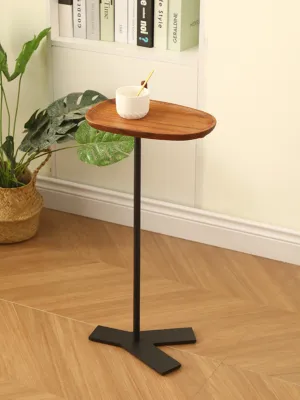
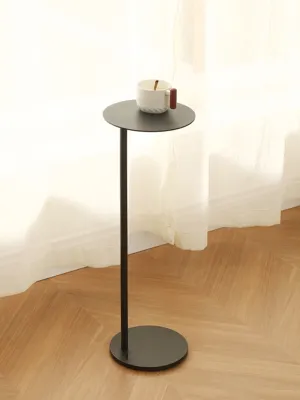
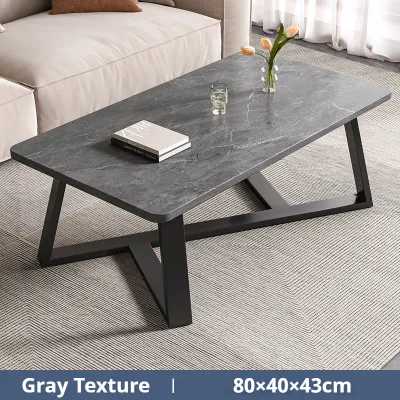
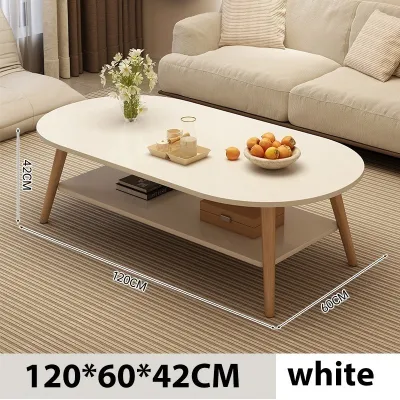
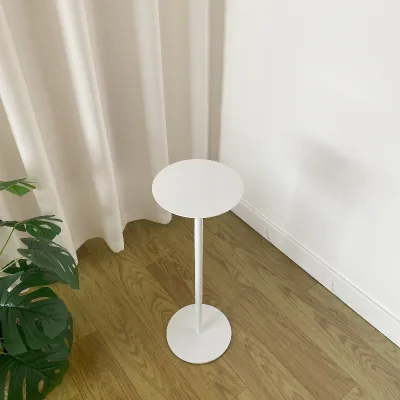
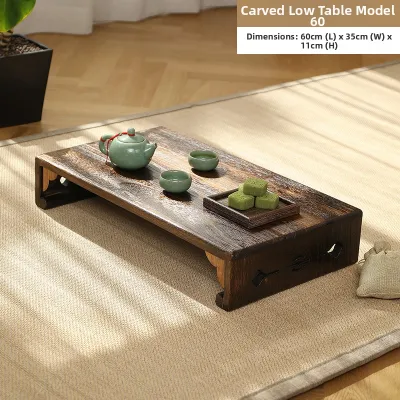
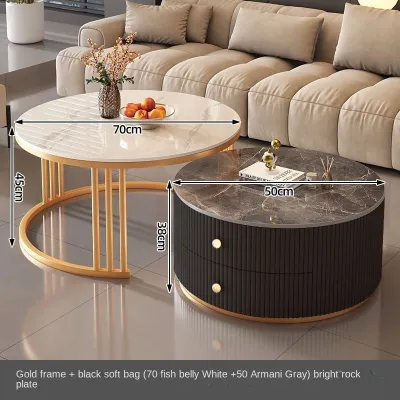
Prices are valid at publication and may change. Please refer to the product page for the latest price.
It is common for modern homes to feature overlapping design styles, which can make selection challenging. For instance, you might need to distinguish between pure minimalism and Japandi. While both styles value simplicity and uncluttered spaces, pure minimalism often relies on sleek, synthetic materials, sharp geometric lines, and cool color palettes. In contrast, Japandi introduces warm organic textures, soft curved edges, and natural materials like light oak or woven rattan. Introducing a high-gloss, sharp-edged minimalist table into a warm Japandi space can disrupt the serene, natural flow of the room.
Another critical step is identifying the primary focal point of your living room. If your sofa is a bold, colorful statement piece, or if you have a striking feature wall, your tea table should play a supporting role with a lighter visual weight and neutral tones. Conversely, if your seating and walls are highly neutral and understated, you can select a tea table with a more complex silhouette or contrasting materials to serve as a subtle centerpiece. Understanding this balance prevents your living room from feeling visually chaotic or overly sterile.
Matching Tea Table Styles to Popular Interior Themes
Every interior design theme carries a distinct set of visual rules, structural lines, and material preferences. A tea table that looks stunning in a rustic loft might feel completely out of place in a sleek, contemporary apartment. To achieve visual harmony, you must match the table’s leg design, edge profile, and surface finish to the core principles of your chosen theme.

When these elements are misaligned, it creates a jarring visual mismatch. For example, pairing a heavy, dark-stained wooden chest with a delicate, pastel-colored Scandinavian sofa can make the room feel bottom-heavy and cramped. By understanding the specific design markers of popular interior themes, you can narrow down your options to pieces that naturally belong in your space.
Scandinavian and Minimalist Interiors
Scandinavian and minimalist designs prioritize light, airiness, and high functionality. To complement this aesthetic, look for tea tables crafted from light-toned woods such as ash, beech, or light oak. Clean geometric lines and uncluttered surfaces are essential to maintaining the open, breezy feel characteristic of Nordic-inspired homes.
Pay close attention to the leg design of the table. Tapered wooden legs or slender metal hairpin legs are excellent choices because they preserve visual lightness and keep the floor beneath the table visible. This exposure of floor space is a simple design technique that makes smaller living rooms feel significantly larger. Avoid heavy, solid-base tables or dark, ornate carvings, as these elements block light and disrupt the clean, minimalist flow of the room.
Japanese and Japandi Aesthetics
Japanese and Japandi design philosophies focus on creating a tranquil, grounded environment that celebrates natural imperfections and simplicity. When selecting a tea table for this style, prioritize low-profile silhouettes that sit closer to the floor. This low height fosters a relaxed, grounded atmosphere and maintains a strong visual connection to the floor level.
Look for raw, tactile wood textures with visible grain patterns, and opt for organic, softly rounded, or asymmetrical shapes rather than rigid rectangles. Materials like woven rattan, bamboo, light-toned timber, or even unpolished stone surfaces work beautifully. These natural elements bring warmth and texture into the room, promoting a sense of calm and mindfulness that defines Eastern-inspired living spaces.
Industrial and Urban Loft Spaces
Industrial design embraces raw, structural, and utilitarian elements, often drawing inspiration from converted factories and urban lofts. A tea table matching this style should feature mixed-material construction, typically combining distressed or reclaimed wood surfaces with blackened iron or brushed steel frames.
Look for utilitarian details that emphasize structural honesty, such as exposed rivets, wire mesh lower shelving, or functional locking casters. Because industrial furniture can sometimes feel cold or sterile, it is important to balance these heavy, metallic pieces with soft textiles, plush rugs, and warm lighting throughout the rest of the living room. This contrast ensures the space remains cozy and inviting while retaining its edgy, urban character.
Modern Contemporary and Transitional Rooms
Modern contemporary and transitional designs are highly versatile, bridging classic comfort with current, evolving trends. For these spaces, explore tea tables that feature neutral color palettes, subtle curves, and sophisticated mixed-material accents. Materials like tinted glass, polished marble, or brushed brass hardware add a touch of elegance without overwhelming the room.
In a contemporary setting, the tea table can easily serve as a subtle statement piece. Look for designs that feature unique geometric bases or contrasting tabletop materials, such as a round marble top paired with a dark metal frame. To ensure a cohesive look, try to match the metallic or wood finishes of the tea table to the existing hardware, light fixtures, or picture frames in your living room.
Coordinating Materials, Shapes, and Proportions
Once you have identified the style that matches your interior theme, you must refine your selection by looking at the physical proportions, shapes, and materials of the tea table. The physical relationship between your sofa and your tea table dictates both the comfort of your daily life and the visual flow of the room.
Start by matching the shape of the table to your sofa configuration. If you have a large L-shaped sectional sofa, a round or square tea table often works best because it fits neatly into the corner nook, allowing everyone seated to reach the surface easily. For standard linear sofas, a rectangular or oval tea table is usually more appropriate, as it mirrors the elongated shape of the seating and provides balanced surface access across the entire length of the couch.
Next, evaluate the surface materials against your household’s daily usage and maintenance willingness. While a polished marble or clear glass tabletop looks incredibly sophisticated in a modern contemporary room, these materials require regular upkeep. Glass easily shows fingerprints, dust, and water rings, while unsealed natural stone is highly vulnerable to staining from acidic liquids or dark teas. If you prefer a low-maintenance lifestyle, look for tables with durable engineered finishes, sealed timber, or scratch-resistant metal surfaces that can be easily wiped clean.
Finally, consider the height of the table in relation to your seating. For optimal ergonomics and visual balance, the top of the tea table should sit level with or slightly below the top of your sofa’s seat cushions. A table that is too high blocks the view of the room and feels awkward when reaching for a drink, while a table that is too low can cause physical strain when bending down to use the surface.
Pre-Purchase Checklist for Space and Flow
Before finalizing your purchase, it is crucial to perform a physical verification of your living room layout to ensure the tea table fits both physically and functionally. Even the most beautiful table will become a source of frustration if it blocks natural walkways or makes it difficult to sit down comfortably.
Use this practical checklist to verify your space before ordering:
- Measure Clearance Zones: Ensure there is a walkway of at least 30 to 45 centimeters between the front edge of your sofa and the edge of the tea table. This provides comfortable legroom while keeping the table within easy reaching distance. Additionally, maintain a clearance of at least 60 to 75 centimeters between the outer edges of the table and adjacent furniture, such as TV consoles or armchairs, to allow for unobstructed foot traffic.
- Verify Delivery and Assembly Access: In Singapore, residential layouts often require navigating tight elevator cabins, narrow corridor turns, and standard door frames. Check the packaged dimensions of the tea table against your building's lift doors, stairwell clearances, and your apartment's main entryway. If you are purchasing a solid, heavy wooden table, confirm that the delivery team can safely maneuver the piece into your living room.
- Assess Household Safety and Stability: If your household includes active young children, elderly family members, or energetic pets, prioritize safety in your design choices. Look for tables with softly rounded corners or oval shapes to prevent painful bumps and bruises. Check the stability of the table's base; a wide, heavy base or a low center of gravity helps prevent the table from tipping over if someone accidentally leans on the edge. If the table features a glass top, ensure it is made of tempered safety glass to minimize the risk of breakage.
Frequently Asked Questions (FAQ)
Can I mix two different interior styles with one tea table?
Yes, you can successfully mix styles by selecting a tea table that features neutral, unadorned design elements. A simple, clean-lined wooden table with a neutral finish can easily bridge the gap between a traditional sofa and a modern minimalist room. To tie the mismatched table to the dominant theme of the room, use styling accessories. Placing a decorative tray, a set of art books, or a ceramic vase that matches the room’s primary color palette onto the table helps integrate it into the overall design.
Should the tea table match the wood tone of my other living room furniture?
It is not necessary to match wood tones exactly; in fact, matching every piece of wooden furniture can make a room look flat and dated. Instead, focus on coordinating the undertones of the wood. Keep warm undertones (like cherry, teak, or warm oak) together, or group cool undertones (like ash, gray-washed pine, or dark wenge) together. If you do have contrasting wood tones, you can use a neutral area rug to visually separate the tea table from the flooring, creating a soft visual transition that balances the room.
Community discussion
Share your experience or ask a question. Comments are reviewed before publication.